
Vintage Cars for Sale
Vintage cars span the 1930s and 1940s — an era that produced some of the most dramatic automotive styling ever created. Art Deco body lines, streamlined fenders, and long hood proportions define the decade. Pre-war American cars from Lincoln, Packard, and Cadillac competed with each other on styling and luxury; post-war cars began the transition to the modern automobile. Browse current vintage car listings below — rare survivors from one of history's most distinctive design eras.
1,668 listings found
 Dealer
 United States
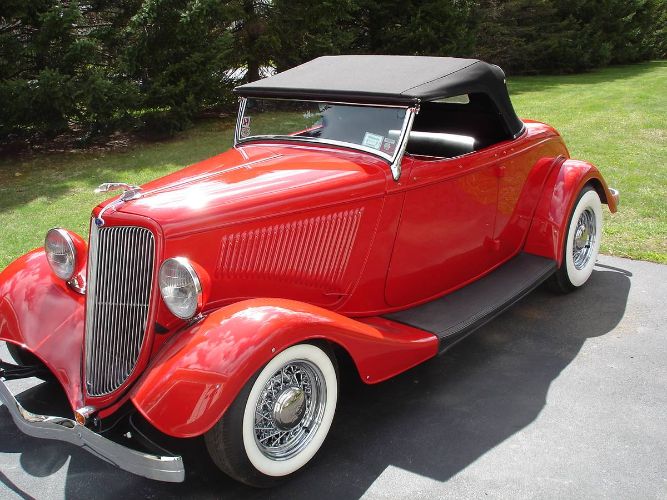
1934 Ford Model 40
 Dealer
United States
Dealer
United States
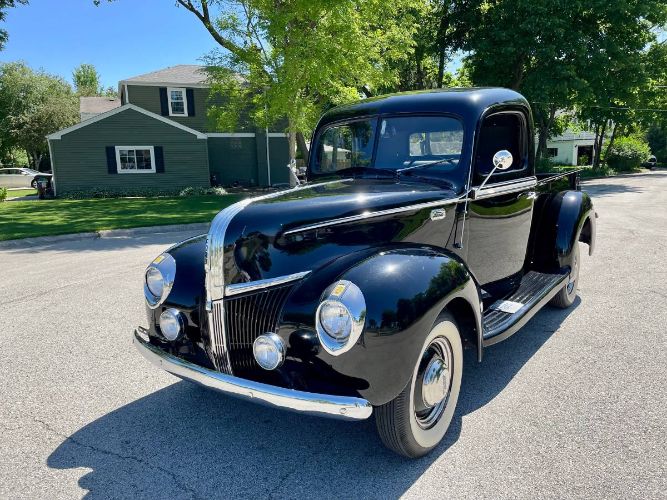
1941 Ford Model 50
 Dealer
United States
Dealer
United States
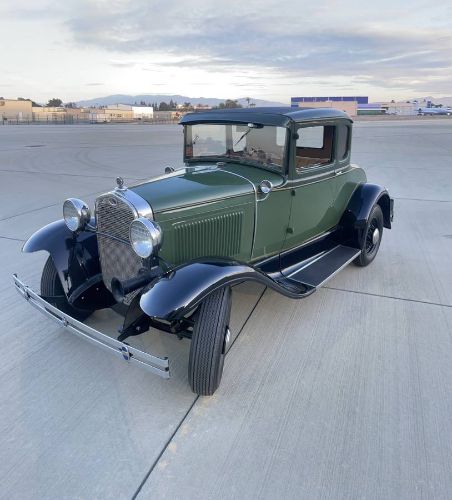
1930 Ford Model A
 Dealer
United States
Dealer
United States
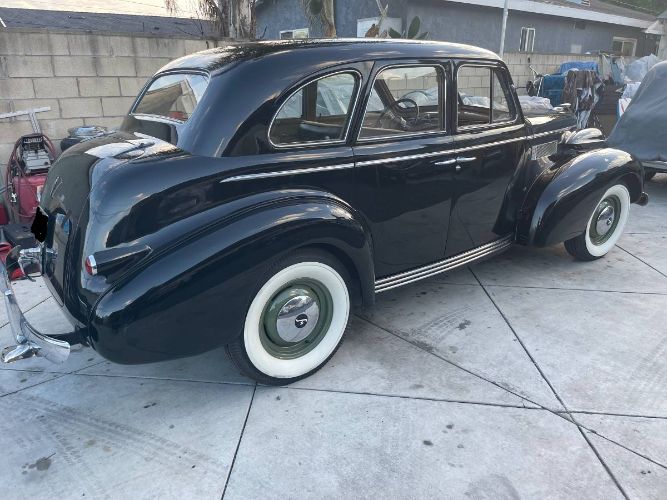
1939 Cadillac LaSalle
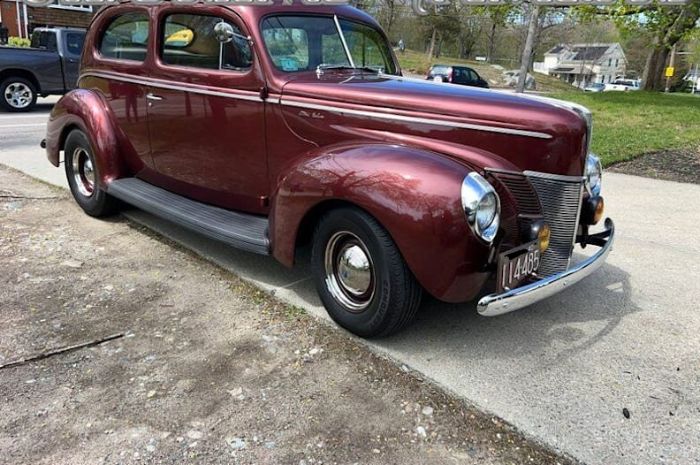 Dealer
United States
Dealer
United States
1940 Ford Tudor
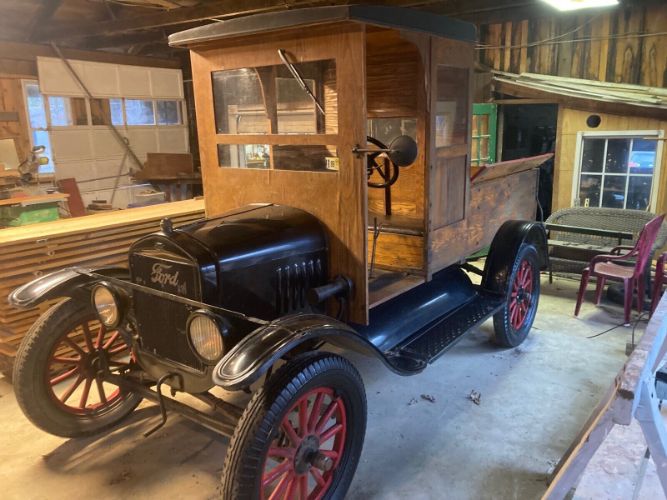 Dealer
United States
Dealer
United States
1924 Ford Model T
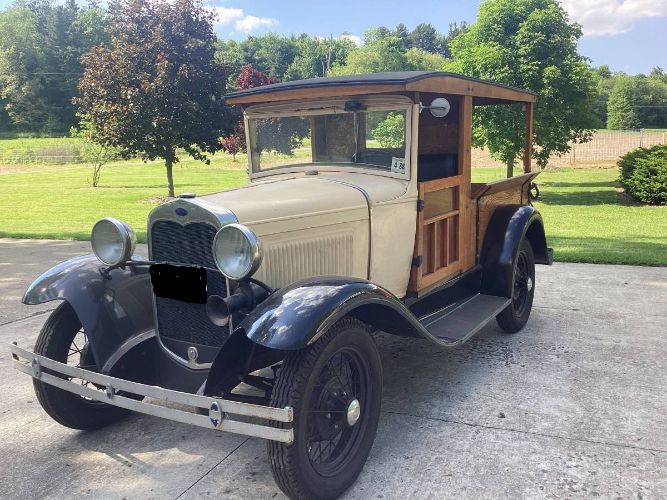 Dealer
United States
Dealer
United States
1930 Ford Model A
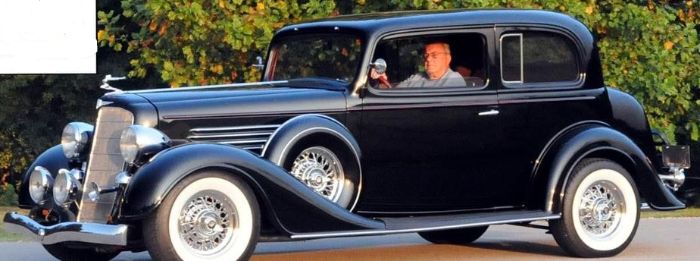 Dealer
United States
Dealer
United States
1934 Buick Victoria
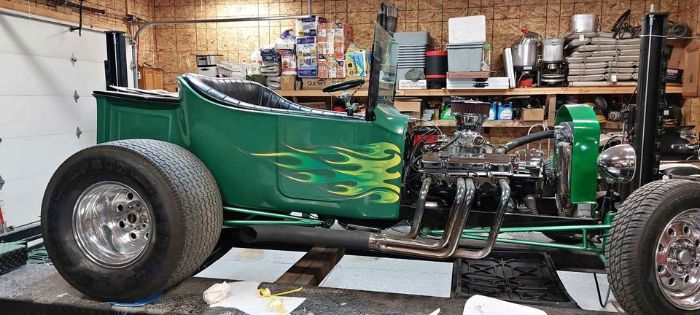 Dealer
United States
Dealer
United States
1923 Ford T Bucket
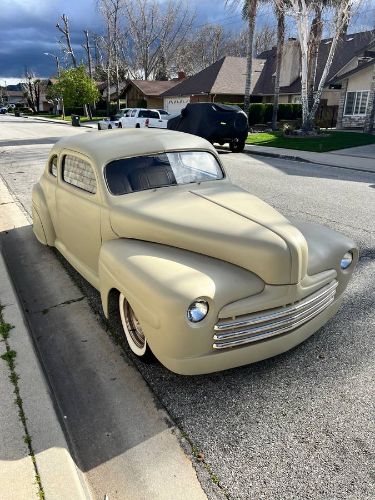 Dealer
United States
Dealer
United States
1947 Ford Coupe
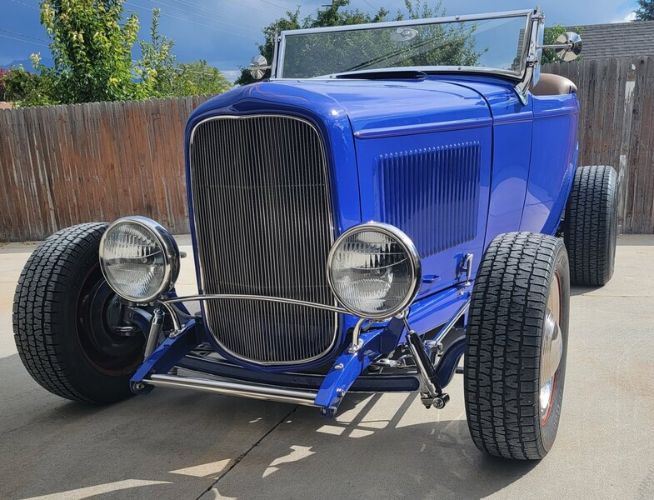 Dealer
United States
Dealer
United States
1932 Ford Hi-Boy
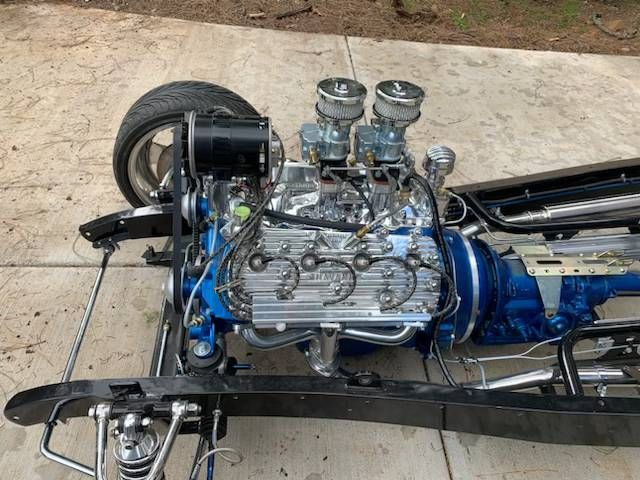 Dealer
United States
Dealer
United States
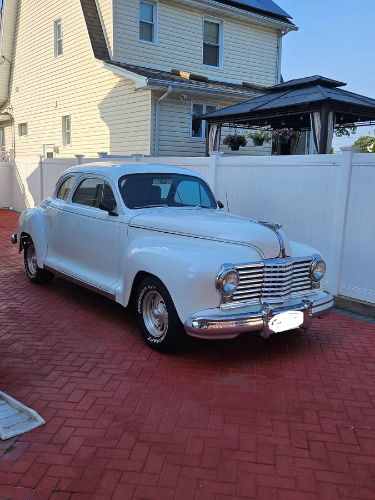
1932 Ford Model B
 Dealer
United States
Dealer
United States
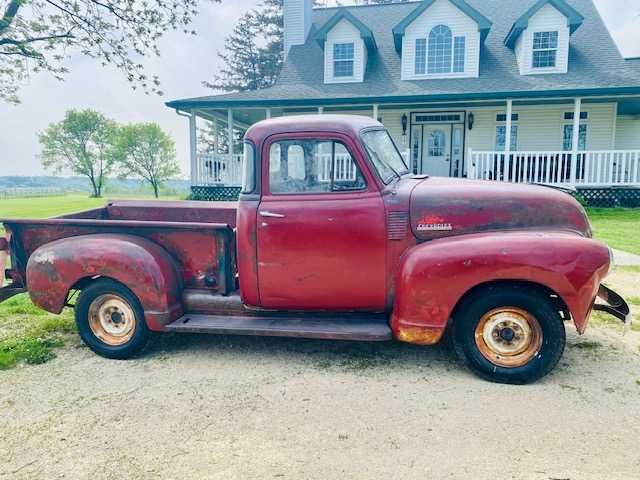
1942 Dodge 1 Ton
 Dealer
United States
Dealer
United States
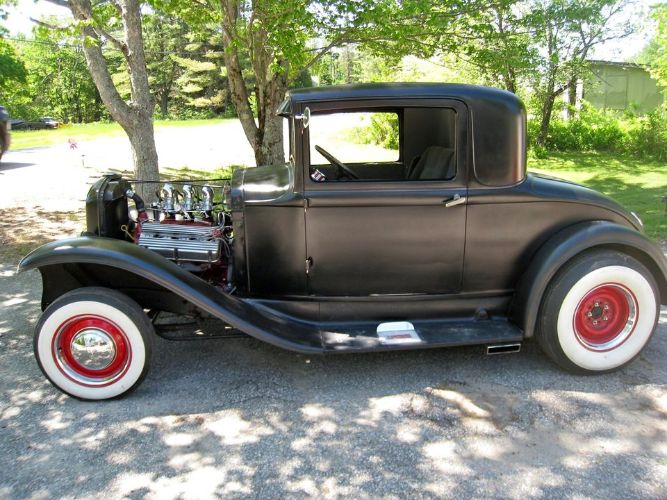
1947 Chevrolet 3100
 Dealer
United States
Dealer
United States
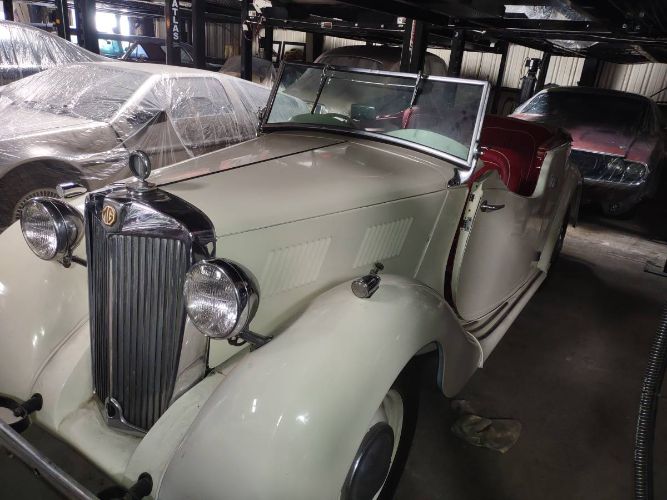
1930 Plymouth Coupe
 Dealer
United States
Dealer
United States
1949 MG BGT
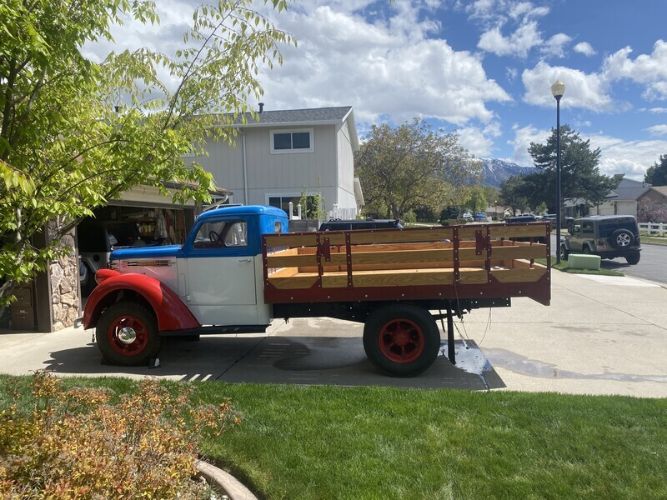 Dealer
United States
Dealer
United States
1940 Diamond T Truck
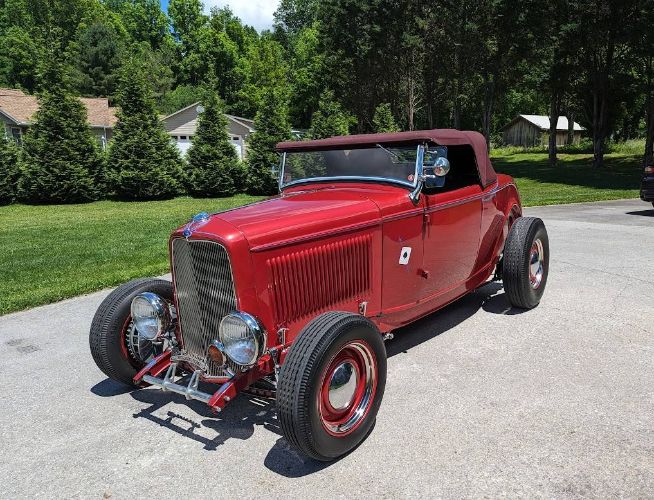 Dealer
United States
Dealer
United States
1932 Ford Highboy
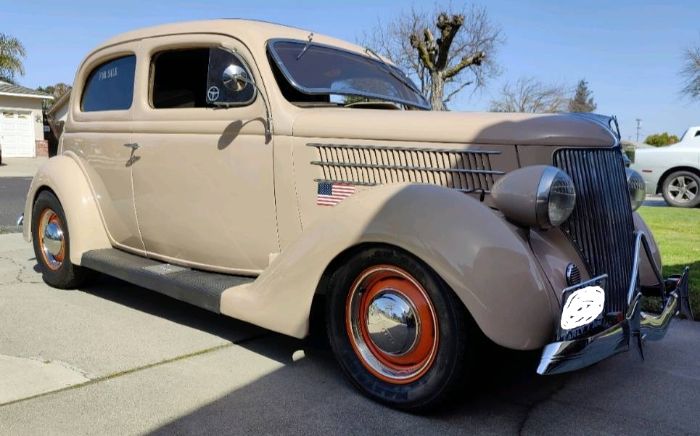 Dealer
United States
Dealer
United States
1936 Ford Model 48
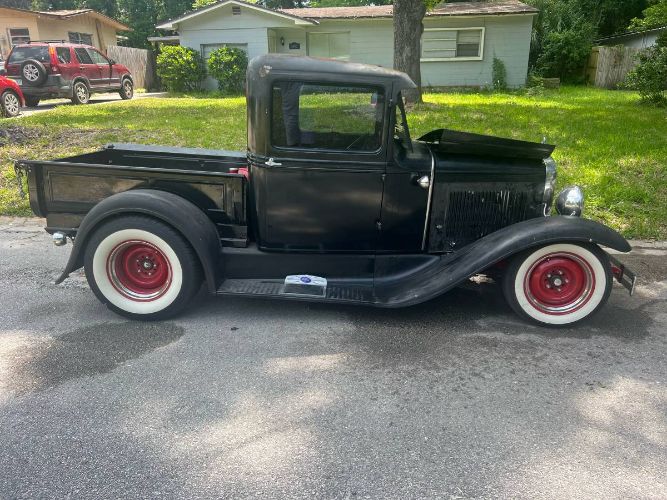 Dealer
United States
Dealer
United States
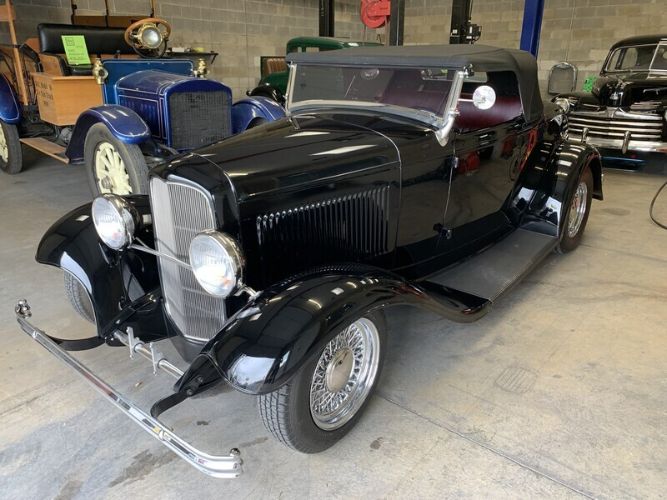
1930 Ford Model A
 Dealer
United States
Dealer
United States
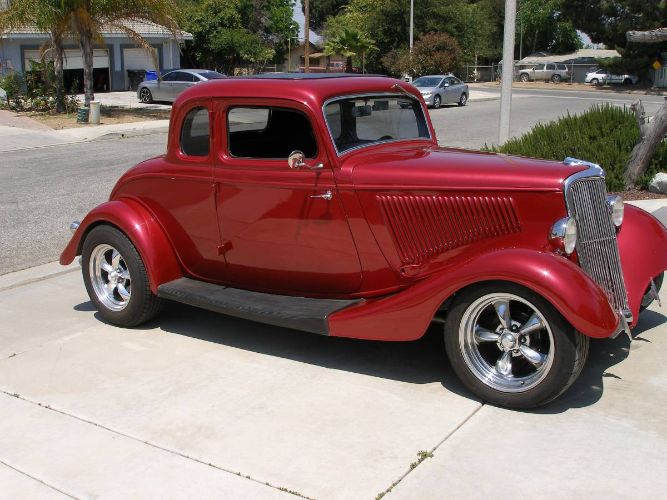
1932 Ford Model B
 Dealer
United States
Dealer
United States
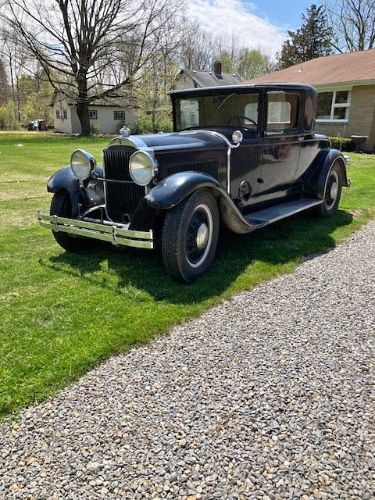
1934 Ford Coupe
 Dealer
United States
Dealer
United States
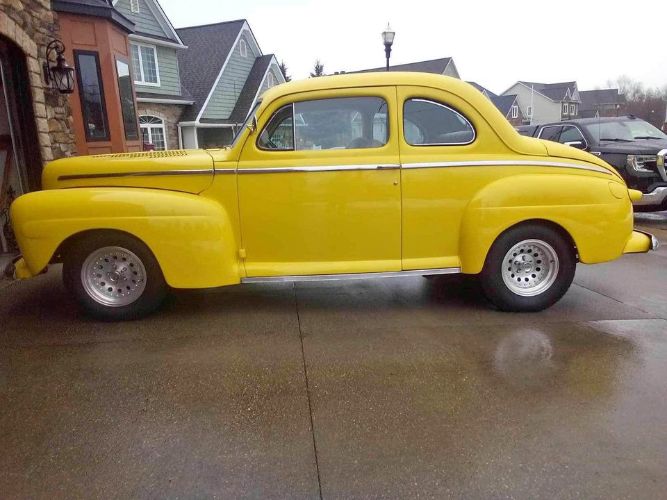
1929 Packard 1508
 Dealer
United States
Dealer
United States
1948 Ford Custom
The 1930s and 1940s in automotive design
The 1930s saw the rise of the streamlined style — designers like Harley Earl at GM and Gordon Buehrig at Cord shaped American cars into rolling Art Deco sculptures. The 1936 Cord 810, the Lincoln Zephyr, the Graham Hollywood, and the Chrysler Airflow all pushed aerodynamics and styling beyond anything seen before. By the late 1930s, the pontoon-fender body style was replacing the separate-fender design, and the modern car's shape was emerging.
Post-war classics (1946–1949)
The immediate post-war years saw manufacturers returning to civilian production with pre-war or lightly updated designs. The 1946–1948 cars are often overlooked collectors' items — the relative scarcity (production was ramping back up) and the transitional styling make them interesting targets. 1949 was the true rebirth year for American car design, with the all-new Ford and General Motors models that set the template for the 1950s era.