Classic Convertibles for Sale

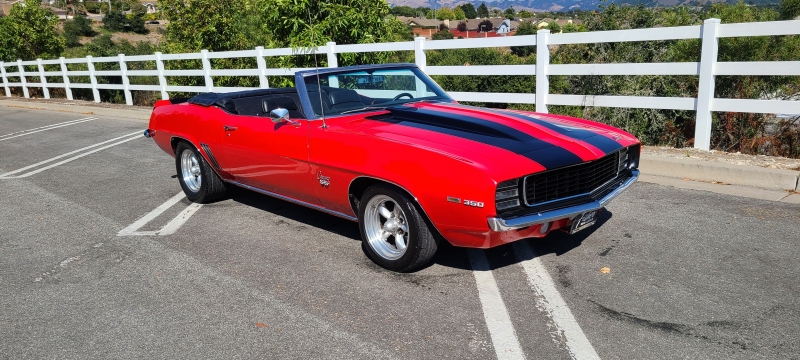
A convertible top changes everything — the sound of the engine, the smell of the road, the connection to the experience. Classic convertibles carry a consistent premium over their hardtop equivalents, and for good reason: they're rarer (factory build rates were lower), they're more enjoyable on a summer evening, and they photograph better at shows. Browse current convertible listings below — muscle, pony cars, luxury cruisers, and European roadsters.

3,344 listings found
What to inspect before buying a classic convertible

The top is the first thing to check. A power convertible mechanism that doesn't work is an expensive repair. Manual tops are simpler but check the condition of the fabric or vinyl and all the seals — a leaking top will damage the interior quickly. Budget $800–2,000 for a quality top replacement if needed.

Structural rigidity is the second concern. Without a fixed roof, convertibles flex more than coupes, which can cause cowl shake and door-gap issues over time. Check the door gaps, look for cracks in the windshield frame, and listen for rattles on bumpy roads.

Why convertibles command a premium

The premium over equivalent coupes varies by model. On a first-generation Camaro, a numbers-matching convertible can be worth double the hardtop equivalent. On less collectible models the gap is narrower, but convertibles always command more at resale. Lower production numbers and higher desirability at shows drive that premium consistently over time.

Frequently asked questions

They can, particularly around the top well and the floor areas beneath it. Water intrusion from a deteriorating top seal will rot the floor pan and trunk floor over time. Inspect these areas carefully, particularly on cars stored outdoors or in humid climates. A UV light can sometimes reveal past water staining on carpets and upholstery.
Lower production numbers (factories built far fewer convertibles than coupes), higher desirability at shows and among collectors, and the simple fact that they're more enjoyable to drive on a nice day. The premium varies by model — on highly collectible muscle cars it can be enormous; on more common cars it's more modest.
Something with an active owner community, widely available parts, and a wide price range — a first-gen Mustang convertible, a mid-60s Chevelle SS convertible, or an early Camaro all fit this description. Avoid ultra-rare examples until you've learned the market. Parts availability matters enormously for a car you plan to drive.
Check for cracking, fading, or brittleness in the fabric or vinyl. Look at the seams and the rear window (plastic windows cloud and crack over time; glass is better). Check the well liner. Operate the top through a full cycle if it's a power top — any hesitation, grinding, or incomplete movement signals hydraulic or motor issues. A good top with no leaks is worth hundreds at resale.
Manual tops are more reliable and easier to repair — there's no hydraulic system to fail or motor to burn out. Power tops are more convenient and were a sought-after factory option, which can add value on the right model. On a daily driver or a car you'll use heavily, manual is the practical choice. On a show car or investment piece, a working power top is part of the original specification and should be maintained.
In rough order: 1967–1969 Camaro RS/SS and Z/28 convertibles, 1964–1966 Mustang convertibles (especially K-code), 1970 Plymouth 'Cuda convertible (Hemi version is among the rarest and most valuable American cars), 1967–1972 Chevelle SS convertibles, 1961–1967 Corvette roadsters, and early Thunderbird (1955–1957) convertibles.

Browse related categories

Have a Classic Car for Sale?
Reach thousands of serious classic car collectors across the US.
Sell It Here →
Are You a Classic Car Dealer?
List your full inventory and connect with targeted classic car buyers.
Join as a Dealer →