

TL;DR
- The CJ-5 ran from 1954 to 1983, one of the longest production runs of any vehicle.
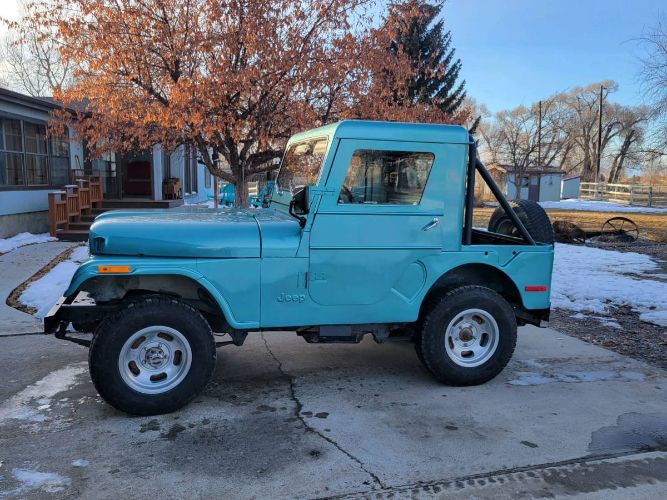
- It is short, with an 81 to 83.5 inch wheelbase, so it is nimble off-road but twitchy on the highway.
- The AMC 258 six and the 304 V8 are the engines to want; early four-cylinders are slow.
- Frame and floor rust is the killer. Check the steel before you fall for the looks.
Buying a classic Jeep CJ-5
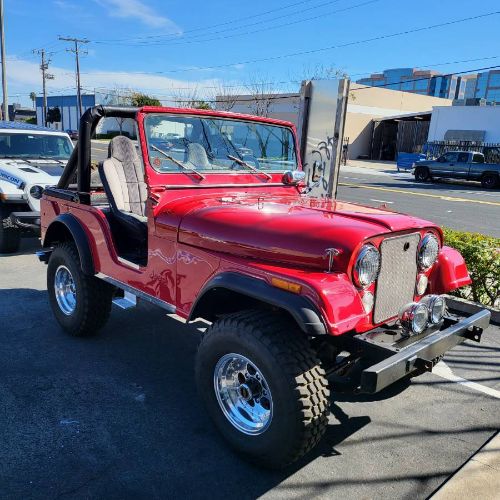
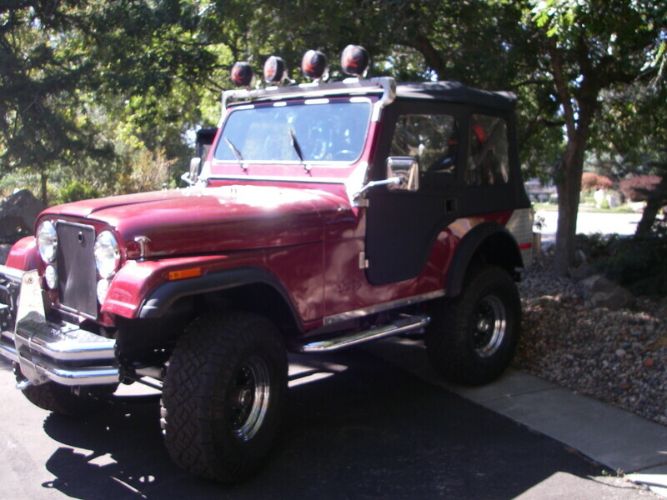
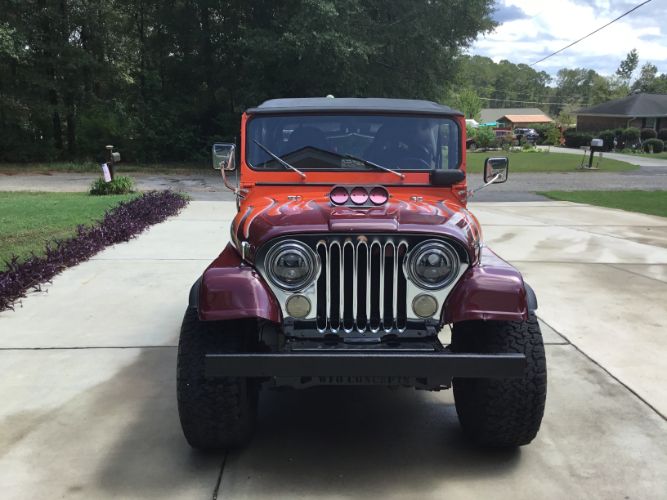
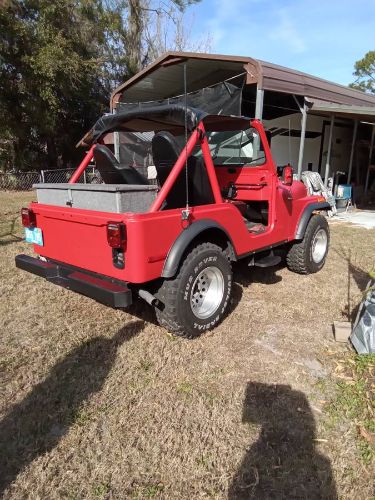
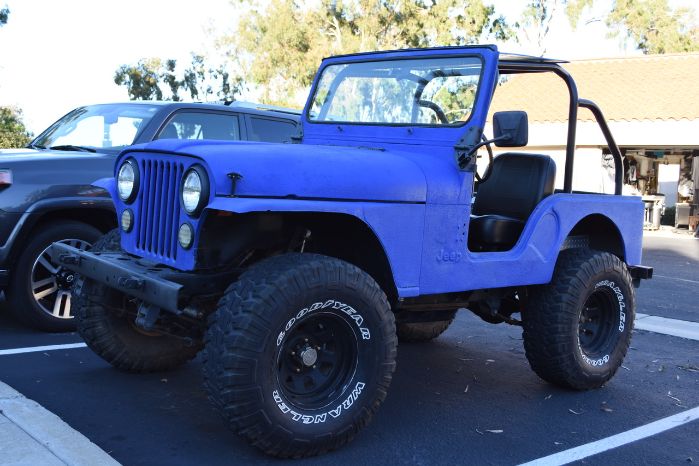
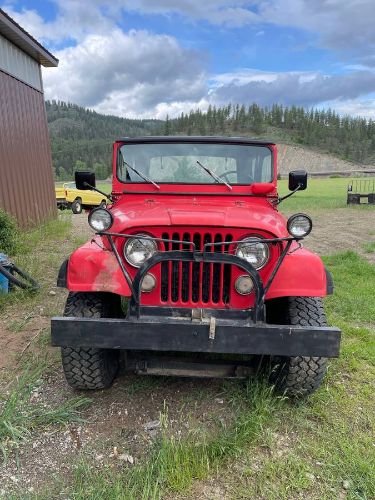
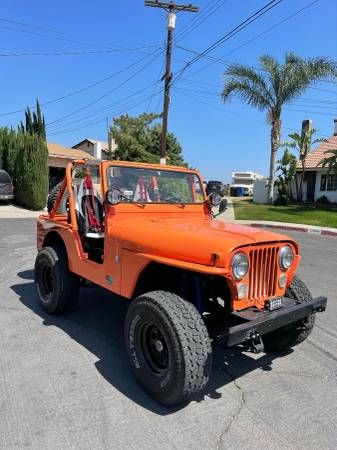
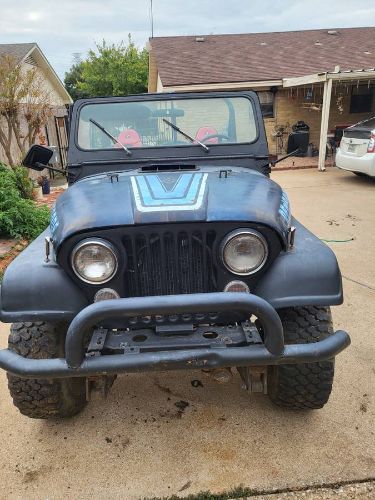
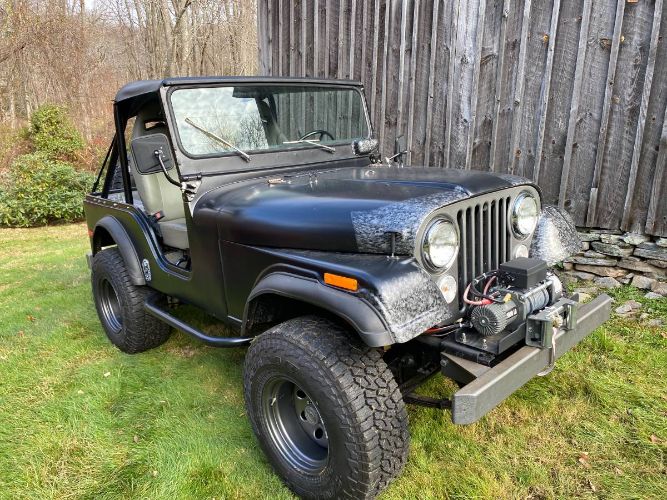
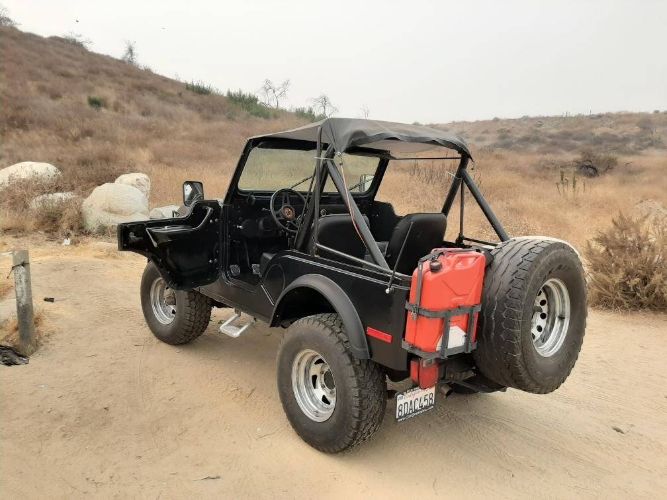
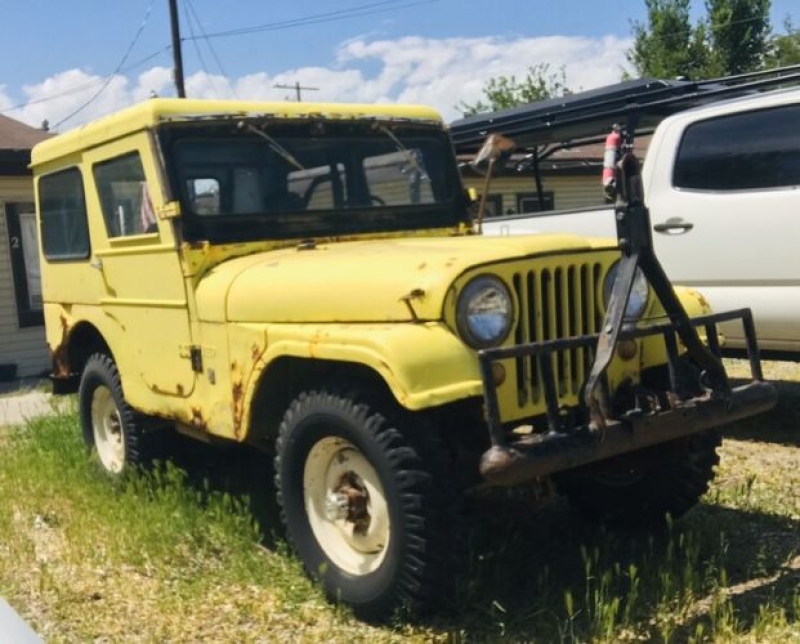
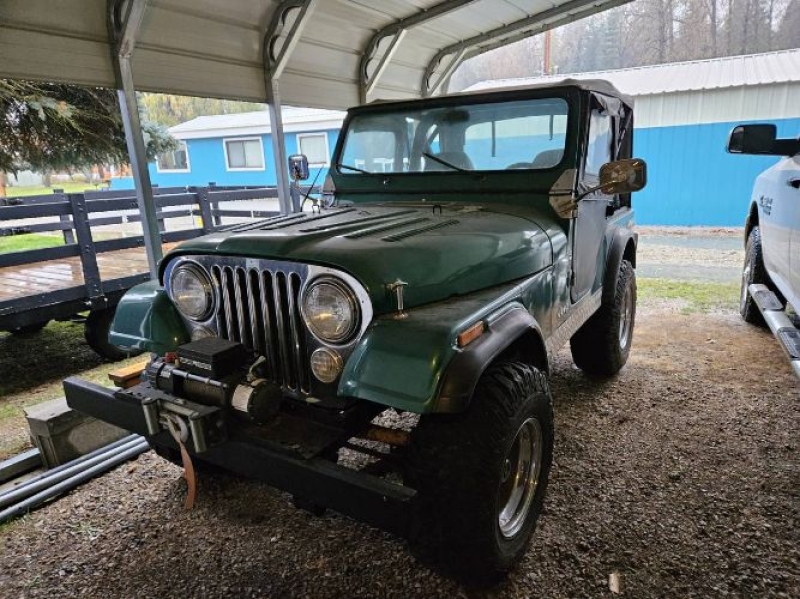
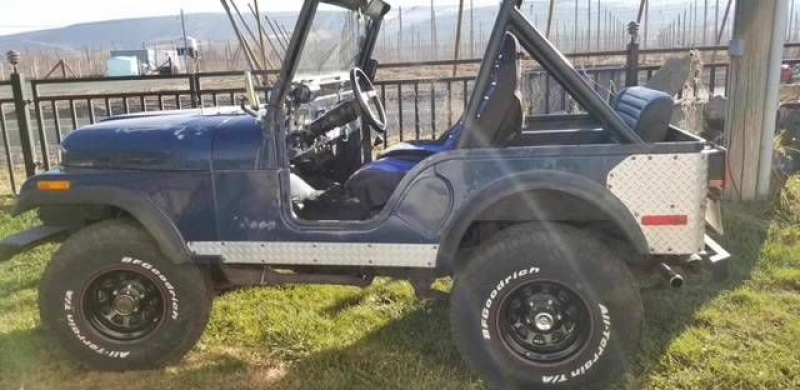
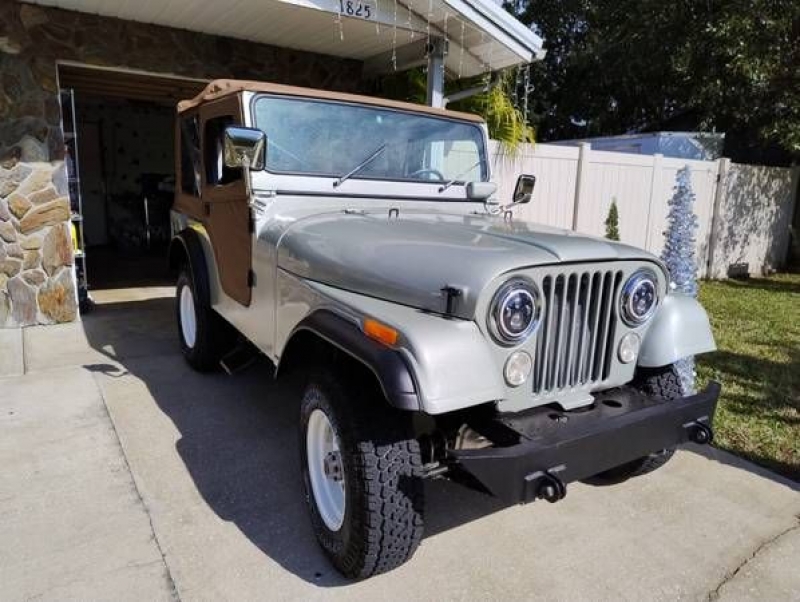
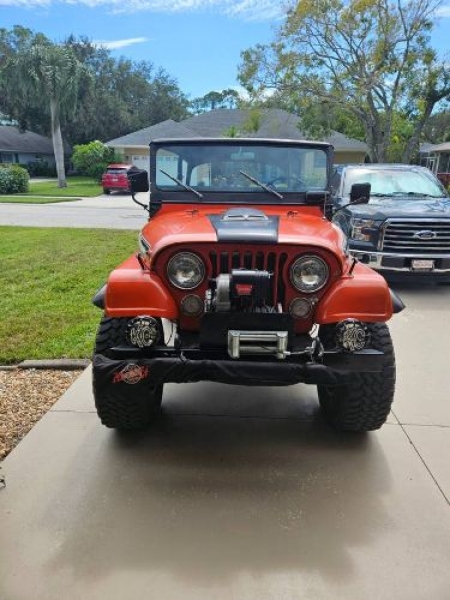
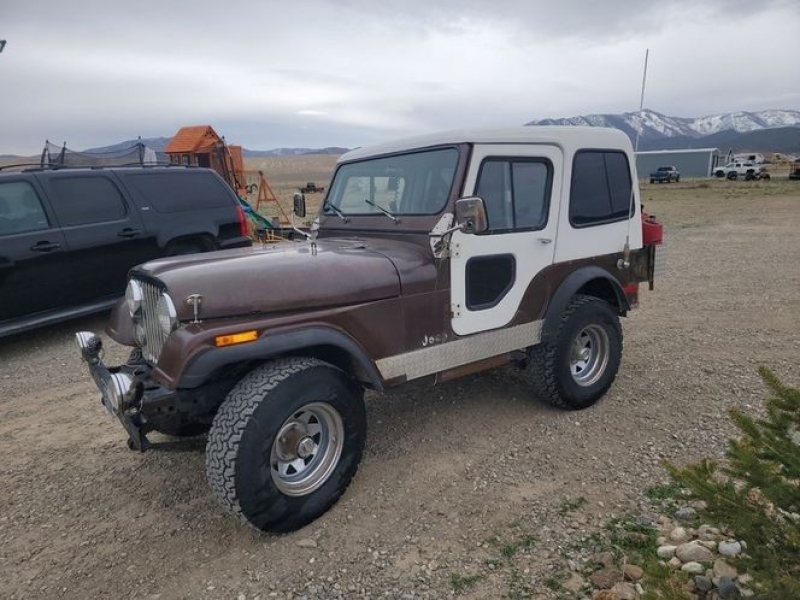
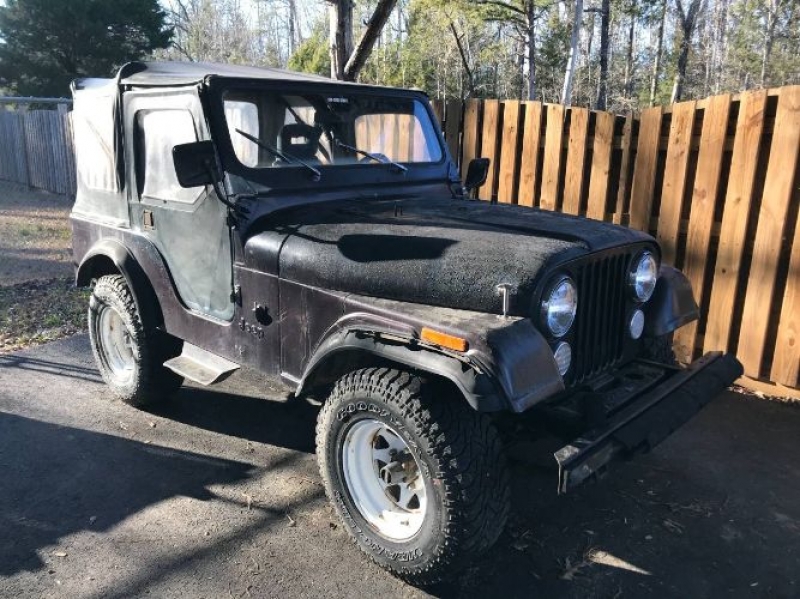
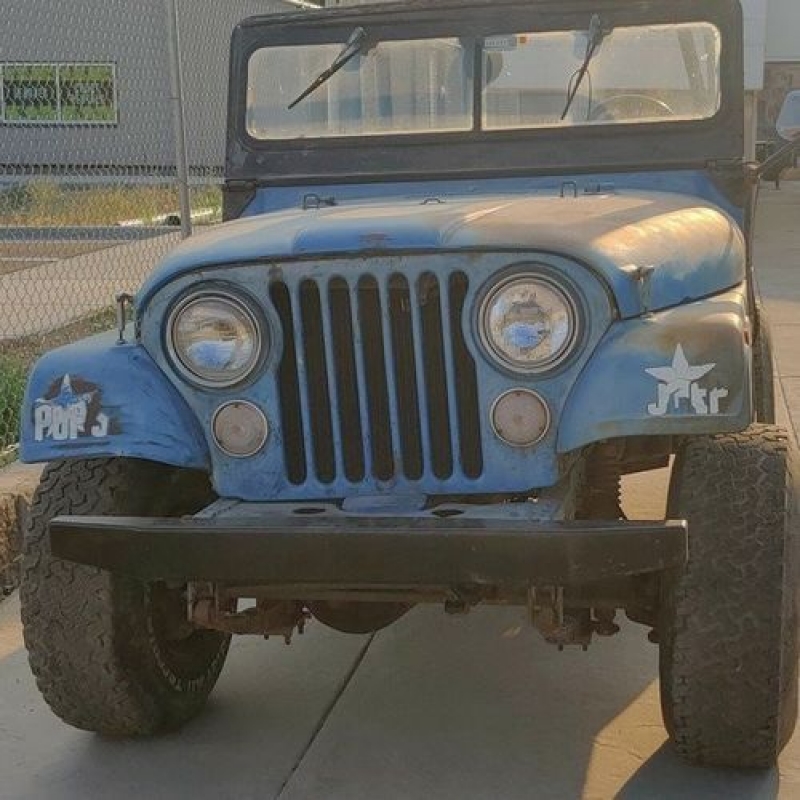
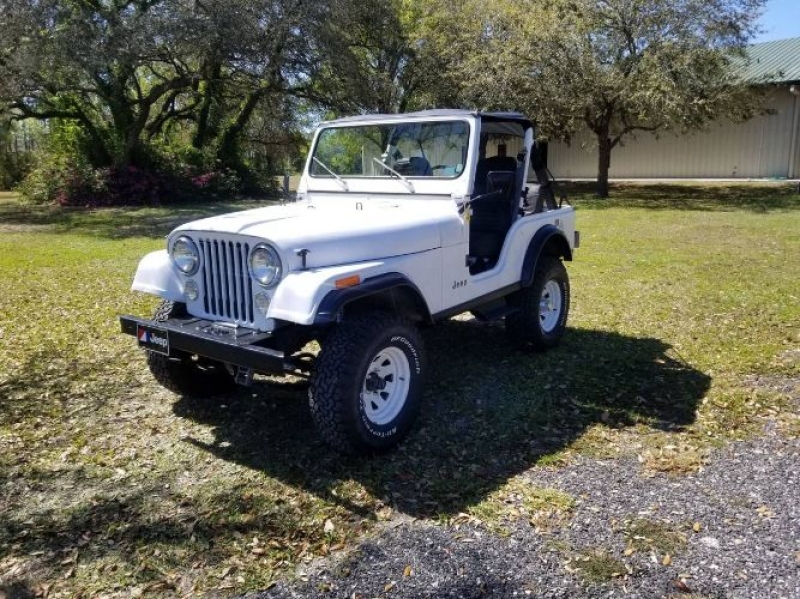
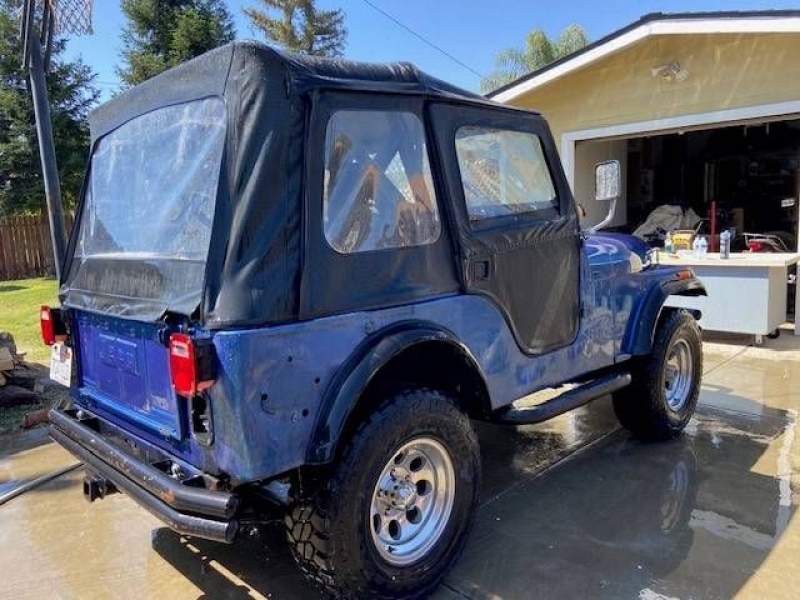
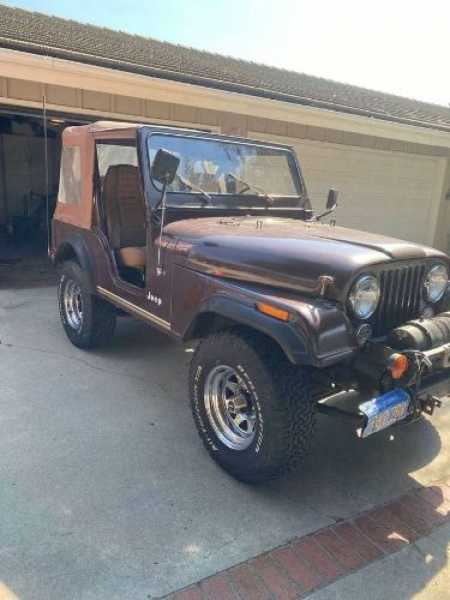
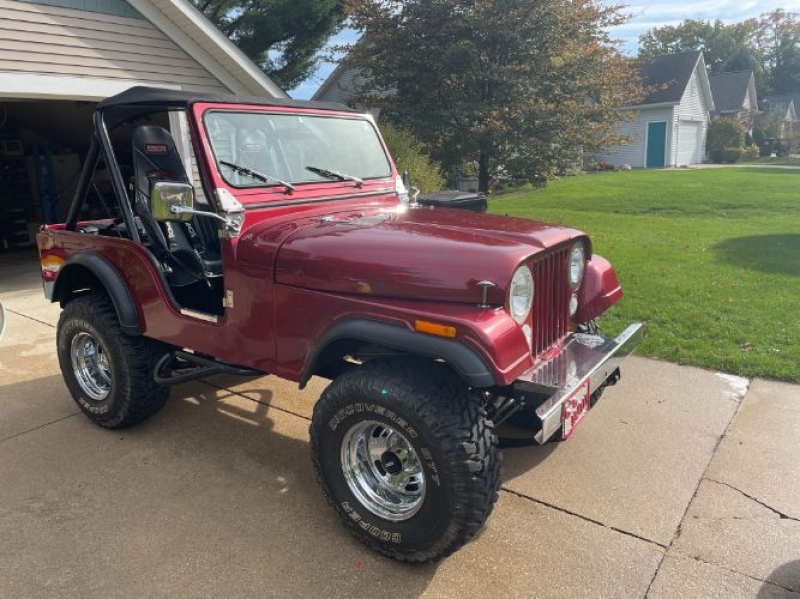
The CJ-5 is the classic civilian Jeep, the round-fendered shape most people picture, and it stayed in production for nearly thirty years. That long run means a huge range of engines and a deep parts supply, but it also means condition varies wildly. Check current values on our classic car valuation page and compare with the longer Jeep CJ-7.
Which CJ-5 to buy
The early Willys and Kaiser cars used the Hurricane four and, from 1965, the smooth Buick 225 V6. AMC took over in 1970 and brought the durable 232 and 258 inline sixes and the optional 304 V8. The later AMC-era cars are the easiest to own and the most powerful, while the Renegade trim adds the desirable stripes and wheels.
| Era | Years | Engines | Notes |
|---|---|---|---|
| Willys / Kaiser | 1954-1971 | Hurricane four, Buick 225 V6 | Earliest, simplest |
| AMC | 1972-1983 | 232 / 258 six, 304 V8 | Best engines, Renegade |
What to inspect
A short-wheelbase Jeep that spent its life off-road can hide serious structural rust and abuse. The frame is the first thing to check, not the engine.
🔧 Inspection Priorities
- Frame rails and crossmembers. Rust and off-road cracks here are structural; a rotten frame ends the deal.
- Floor pans, footwells, and body tub. Water sits in the tub and rots it from the inside out.
- Drivetrain and transfer case. Check for hard off-road use, worn axles, and a tired transfer case.
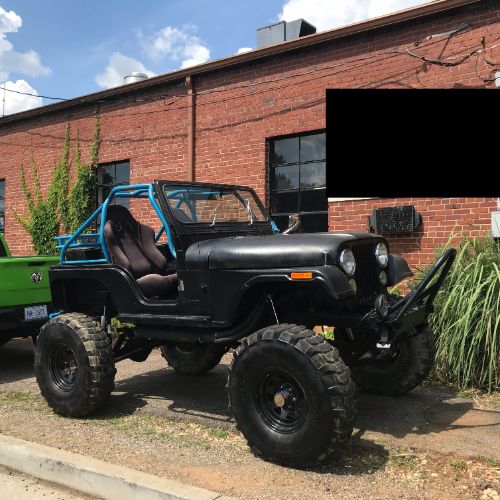
- Body lift and modifications. Many are heavily modified; confirm the work was done properly.
"Buy the frame and the tub. Everything else on a CJ-5 bolts on. A clean, unrusted Jeep is rarer and more valuable than a fresh engine."
— Robert