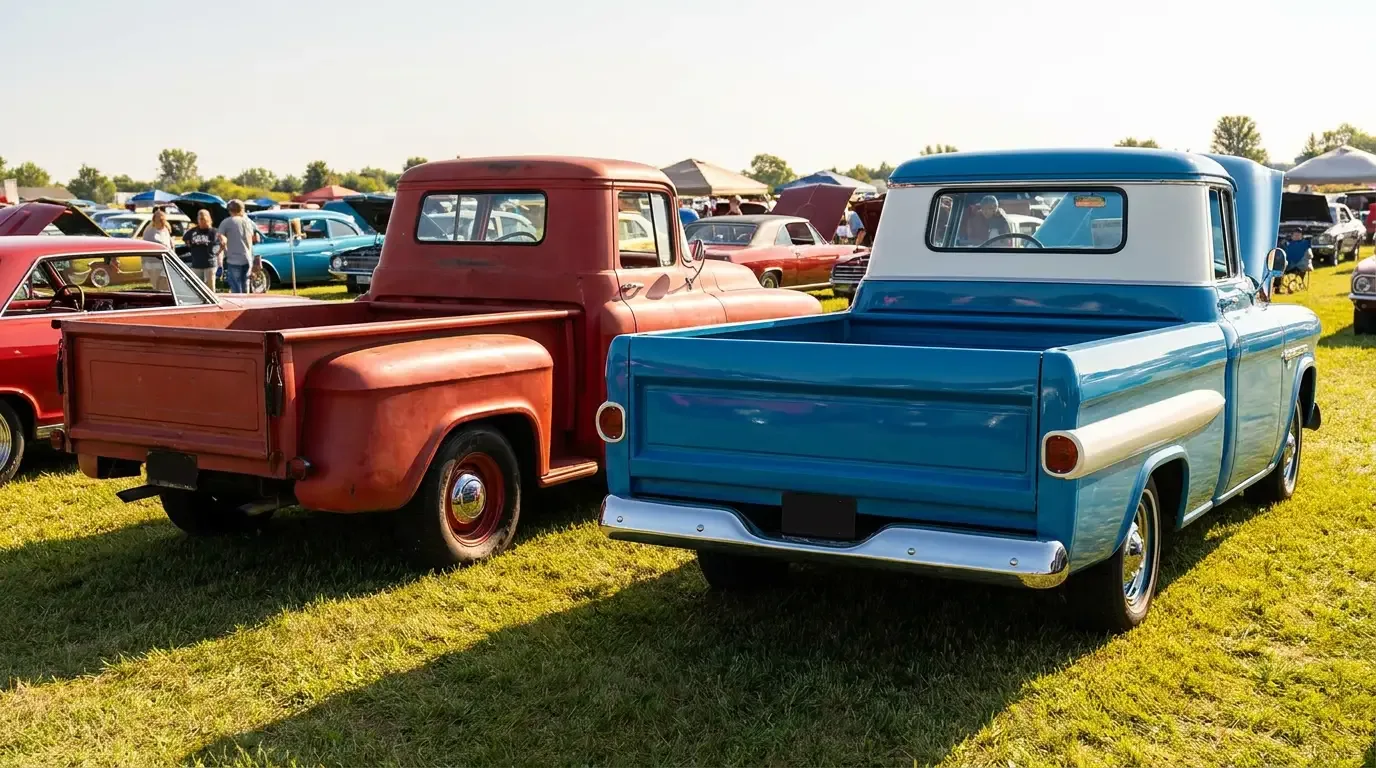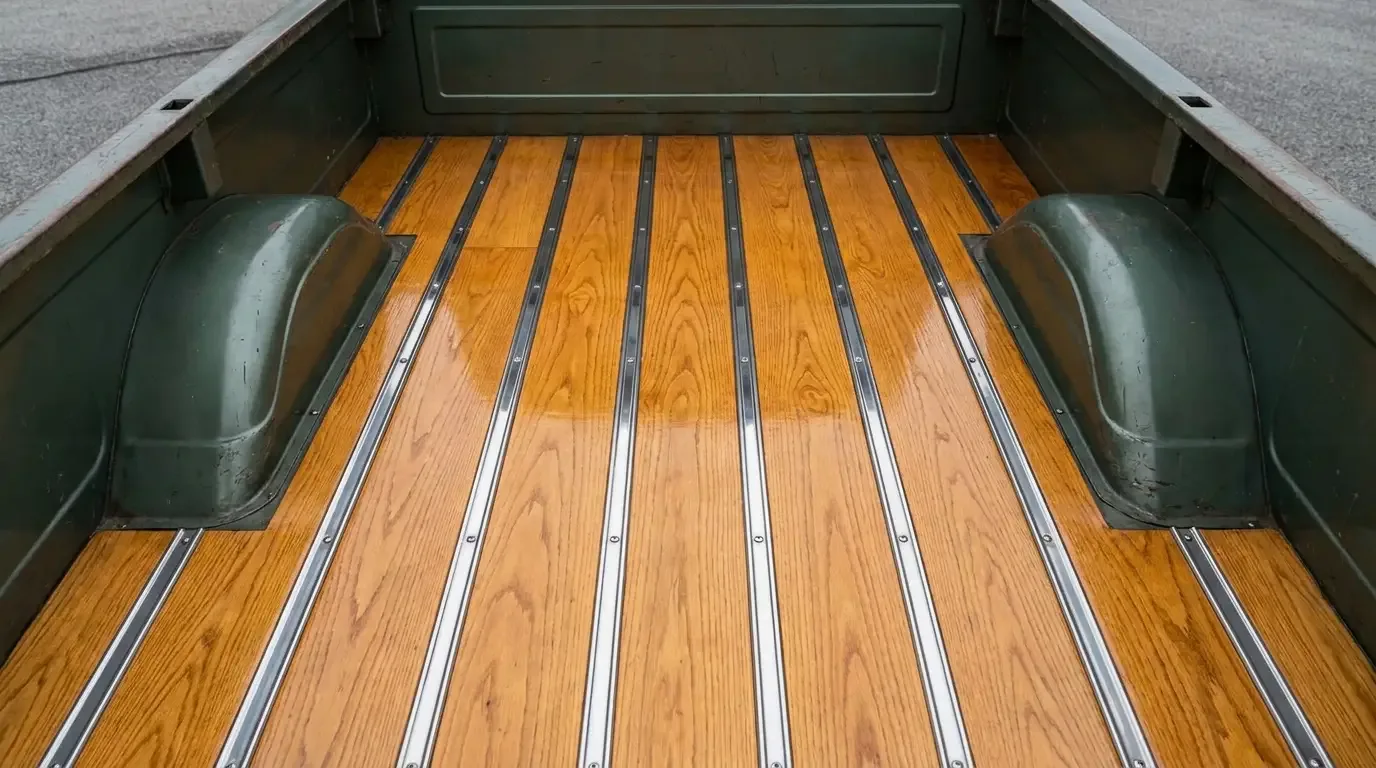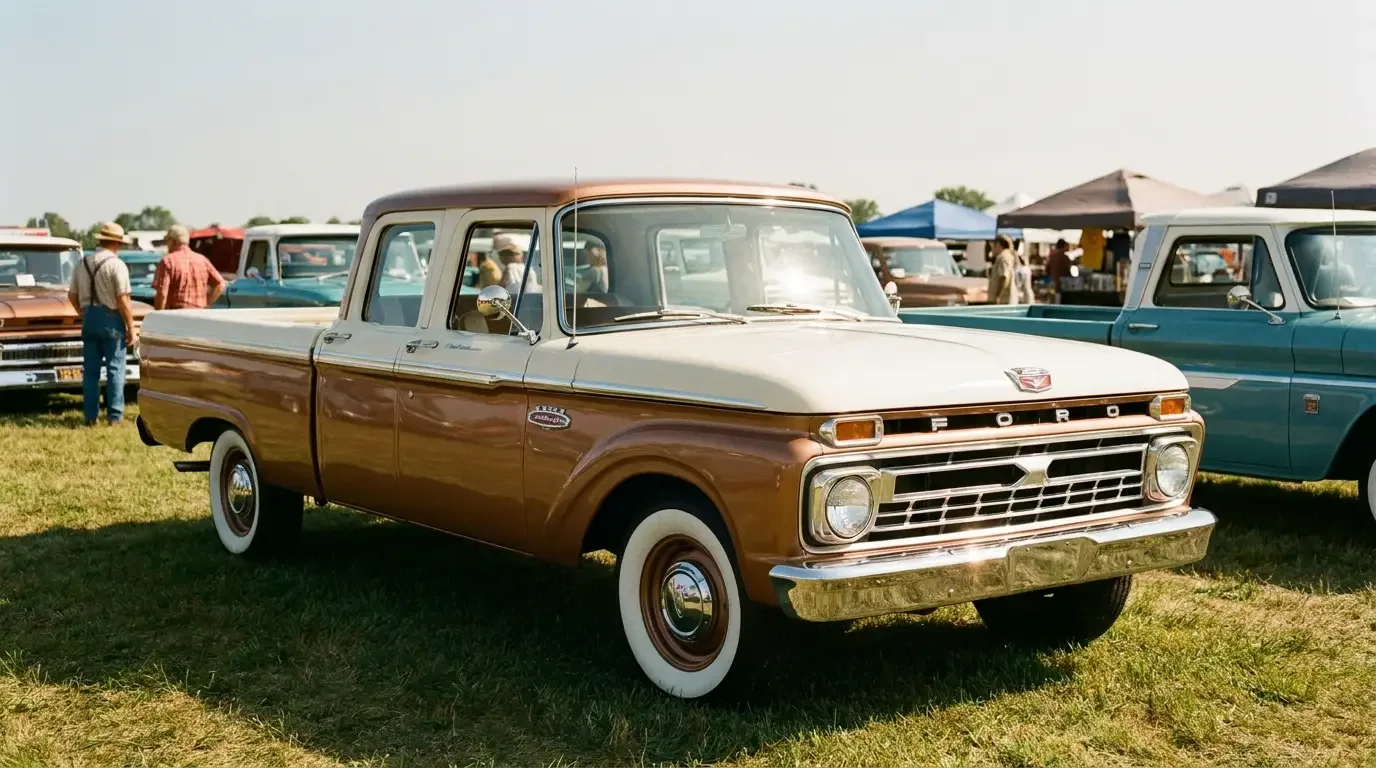
Walk any old truck lot and you will hear the shorthand. Half-ton. Three-quarter. One-ton. People say it like it means something exact, and buyers assume the number on the tailgate tells them how much the truck can haul. It does not, and it has not for a very long time. Understanding what those ratings actually meant, and what they mean now, saves you from buying the wrong truck for the wrong job. This one is about the ratings themselves. If you want the shapes and cabs that came bolted to these chassis, start with classic truck body styles explained and come back here for the part that lives underneath.
What half-ton, three-quarter, and one-ton originally meant
Back when these terms were coined, the idea was simple. A half-ton truck was built to carry roughly a half ton, 1,000 pounds, in its bed. A three-quarter-ton carried around 1,500 pounds. A one-ton handled about 2,000 pounds. That was the marketing promise, and for a while it was close to honest.
Here is the part most people miss. Those figures described a payload class, not a literal limit. They were nominal ratings, a bracket the factory used to sort trucks by how much beef went into the frame, the springs, the axles, and the brakes. A half-ton truck did not fall apart at 1,001 pounds. And by the time the ratings were a few decades old, a modern half-ton could carry well past its old nominal number without breaking a sweat. The label stuck around for tradition and for buyer familiarity, not because it still described the truck's real capacity.
So when you read half-ton truck meaning as some fixed hauling number stamped by the engineers, drop that. Read it as a family. Light-duty, medium-duty, heavier-duty. That is what the rating is telling you, and that is why it still matters when you are crawling around a fifty-year-old pickup with a light in your hand.
The class ladder at a glance
The three main rungs are half-ton, three-quarter-ton, and one-ton, and above the one-ton the ladder keeps going into the bigger commercial classes that most collectors never touch. The values below are the historical nominal ideas, not certified capacities. Treat every number as approximate.
| Rating class | Historical payload idea | Typical use |
|---|---|---|
| Half-ton | Around 1,000 lb | Personal use, light chores, daily driver, light farm errands |
| Three-quarter-ton | Around 1,500 lb | Steady work truck, towing, heavier loads, contractor duty |
| One-ton | Around 2,000 lb | Heavy hauling, dual-rear-wheel setups, stake beds, serious tow rigs |
Notice the overlap in real life. A well-kept half-ton from a good year often carried loads that embarrassed its nominal rating, and manufacturers knew it. The class was a starting point for the buyer, a promise about how the truck was built rather than a hard ceiling on what it would survive.
How the ratings map to model names across brands
Every major American truck maker built the same ladder, they just wrote it differently on the fender. The pattern is generic and worth memorizing because it lets you read any brand's badge without a chart.
The most common convention uses a three-digit number that climbs with capacity. A number ending in the low hundreds usually marks the half-ton. A middle number marks the three-quarter-ton. A higher number marks the one-ton. So a badge like "150" or "1500" points at half-ton territory, "250" or "2500" at three-quarter, and "350" or "3500" at one-ton. The exact digits differ by manufacturer and era, but the ranking holds. Bigger trailing number, heavier truck. That is the whole trick.
Older trucks used other names entirely. Some brands used series names, letter-plus-number codes, or model lines that meant half-ton in one decade and something else the next. This is where buyers get burned. A name that read as a light-duty truck in one generation can sit on a heavier chassis in another, or the same badge got reused across a redesign. Do not trust the badge alone on a pre-war or early post-war truck. Verify the class against the actual running gear.
- Trailing digit going up, roughly 100 to 200 to 300, tracks half to three-quarter to one-ton across most modern American lines.
- Older series and letter codes do not follow that pattern and must be checked against build records or casting numbers.
- A badge tells you the intended class. The parts under the truck tell you what you are actually buying, and the two do not always agree after decades of swaps.
"Folks buy the badge and forget to buy the truck. That number on the door is a suggestion from 1965. Get under it with a light, count the leaves in the spring pack, look at the axle, and tell me what class it really is. Not a flashlight at arm's length. Under it."
— Robert Halloran
Why the class matters to a buyer: springs, axles, brakes, ride
This is the part that actually costs you money, so slow down here. The rating class is not about bragging rights. It is a bundle of hardware decisions the factory made, and every one of them changes how the truck drives, what it can do, and what it costs to fix.
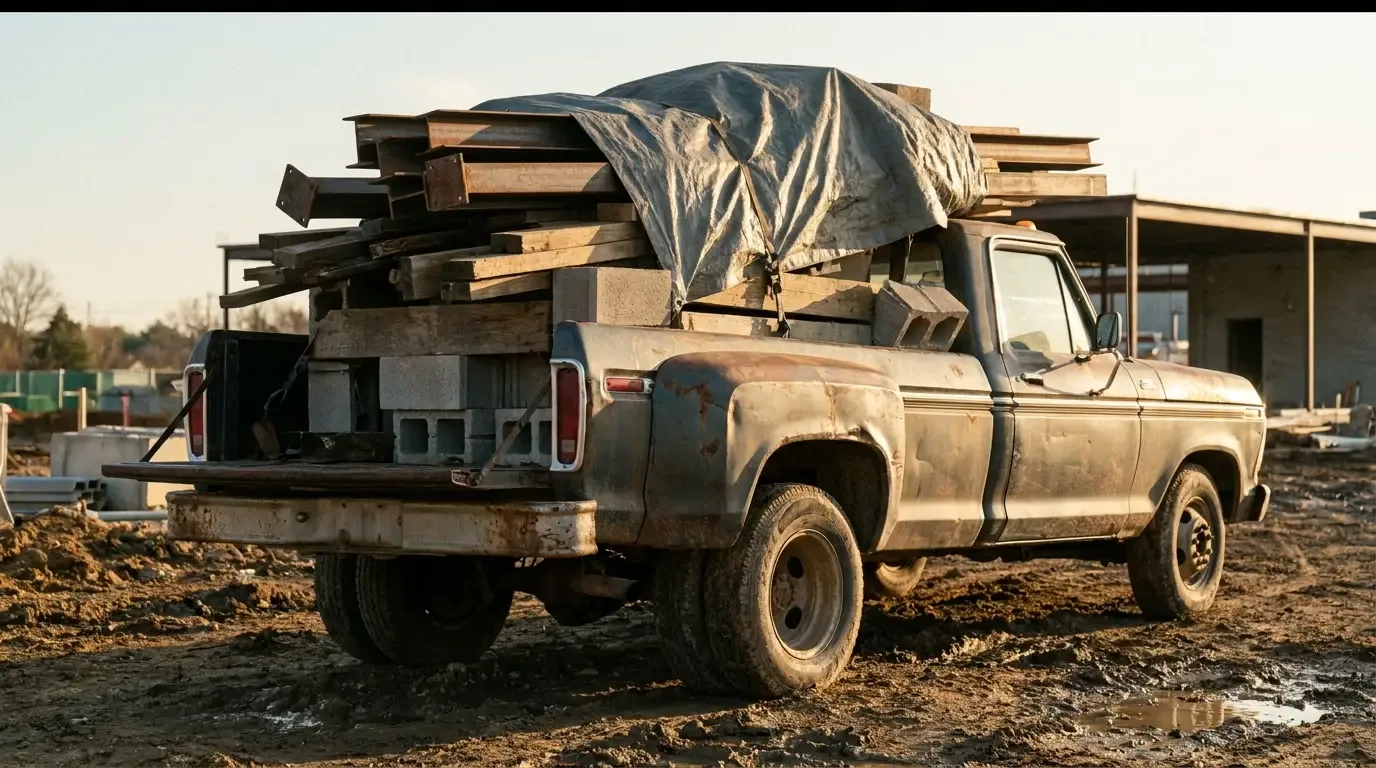
Springs. A heavier class gets a fatter spring pack, more leaves in the rear, stiffer rates all around. That is how it carries the load. It also means an unloaded one-ton rides like a buckboard. Empty, it bounces and jolts because those springs need weight to settle. A half-ton with softer springs rides far nicer empty but squats and struggles under a heavy load. Match the class to how you will actually use the truck, not to the biggest number you can find.
Axles. Heavier classes get stronger rear axles, bigger ring gears, and often a full-floating axle on the one-ton where the half-ton uses a semi-floating design. A full-floater carries the load on the housing instead of the axle shaft, which is why it survives heavy work. It is also more expensive to service. Gear ratios differ too, and a numerically higher ratio pulls harder but drops your cruising comfort and fuel economy.
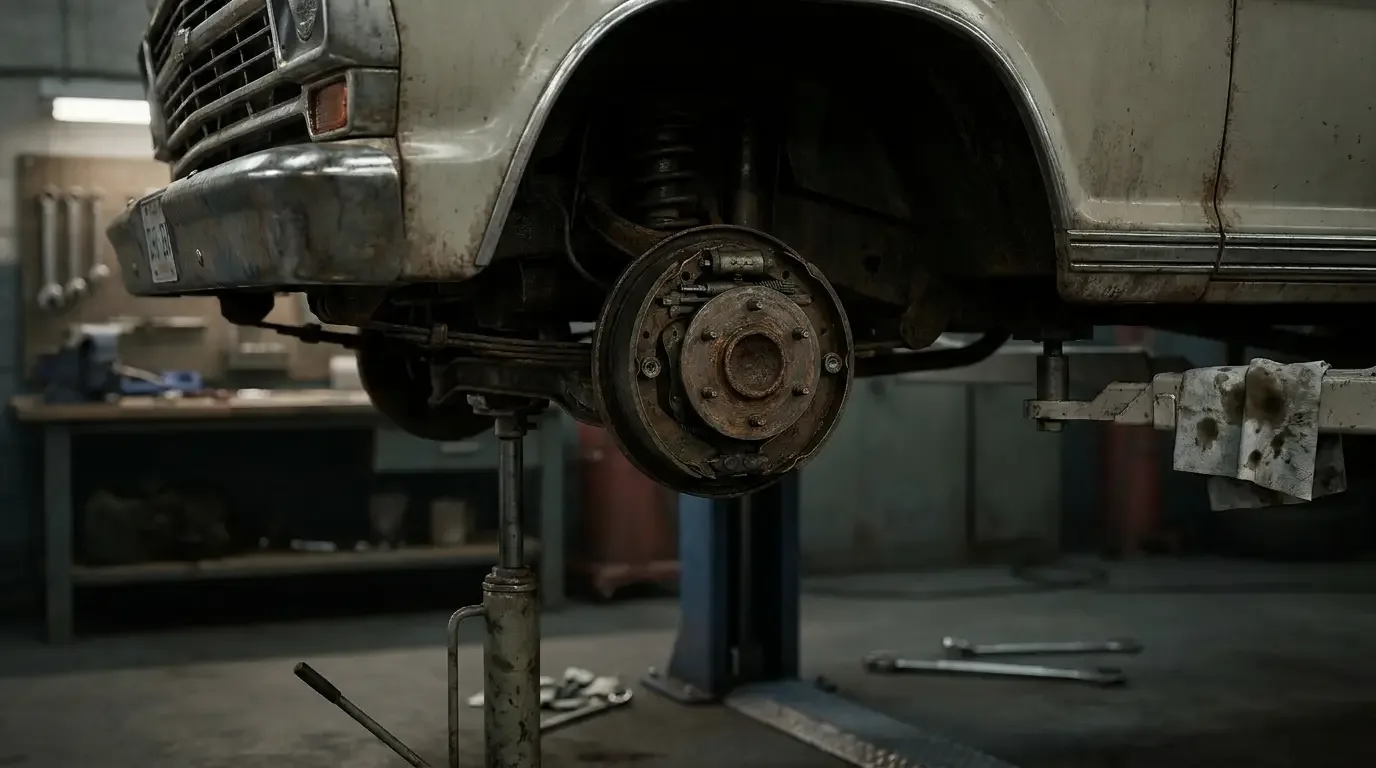
Brakes. More capacity means more stopping power. Heavier classes get larger drums or, in later trucks, larger discs, because you cannot safely stop two tons of cargo with light-duty brakes. If someone has dropped a big load rating onto a half-ton chassis without upgrading the brakes, walk away or budget for the fix. That is a safety issue, not a preference.
Ride and steering. All of the above stacks up into feel. The one-ton is a tool. It steers heavier, rides rougher, and rewards you only when it is loaded. The half-ton is the friendly one, easier to live with daily but the first to complain under weight. The three-quarter sits in between, which is exactly why it was the classic all-rounder work truck.
🔧 Inspection Priorities
- Rear spring pack. Count the leaves and check for added or cracked leaves. Mismatched packs mean the truck was re-rated or overloaded for years. A cracked main leaf is a real repair, figure a few hundred dollars per side depending on the truck.
- Rear axle type. Confirm whether it is a full-floating or semi-floating axle and whether that matches the claimed class. A swapped axle changes both capacity and parts cost.
- Brakes for the class. Verify the drums or discs are the correct size for the rating. Undersized brakes on an up-rated chassis is a walk-away unless the price accounts for a full brake job.
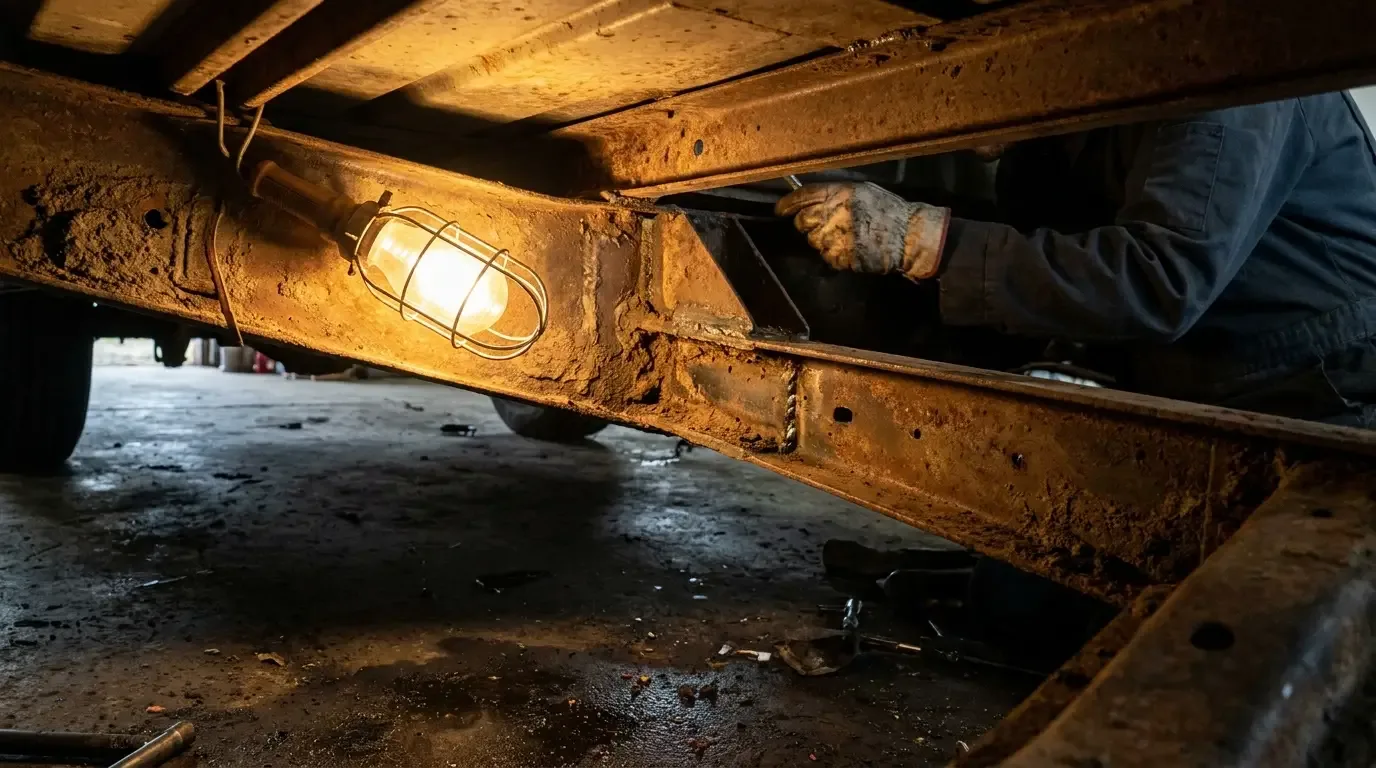
- Frame under the load points. Look for bends, kinks, or amateur reinforcement near the rear. A frame that carried more than its class for decades tells on itself here.
Buying the right class for the job
Decide what the truck is for before you fall for one. If it is a weekend cruiser and an occasional dump run, a half-ton is honest and pleasant to drive, and it will be the cheapest to keep on the road. If you tow a trailer or actually work the truck, the three-quarter-ton earns its keep and rides better loaded than a half-ton ever will. If you are hauling serious weight or want a dual-rear-wheel stance for a stake bed or a heavy tow rig, the one-ton is the only honest answer, and you accept the stiff empty ride as the cost of that capacity.
The mistake I see most often is a buyer chasing the biggest rating for image, then complaining that an empty one-ton beats them to death on the highway. And the opposite mistake, loading a half-ton like a one-ton, kills springs, axles, and brakes fast and turns a cheap truck into a money pit. The rating is a match, not a trophy. Buy the class that fits the work, verify the hardware actually matches that class, and you will have picked a truck that does its job for another few decades.
Sources and notes
- Factory service manuals and shop manuals for light- and medium-duty truck lines, for axle types, spring specifications, and brake sizing by class.
- Period sales literature and brochures, for the nominal payload ratings and class naming conventions as marketed.
- Marque and model histories, for how series names and badge conventions changed across generations.
- Casting-number and axle-identification guides, for confirming full-floating versus semi-floating rear axles and correct-class components.
- Period road tests and owner reports, for real-world ride and load behavior by class. All payload figures here are historical nominal ideas and are marked for verification against original documentation.