
The bed is the reason a truck is a truck. Everything ahead of the cab could belong to a car, but the box out back is where the work happened, and it's the part buyers understand least when they go to look at an old pickup. People fixate on the grille and the paint and walk right past the one section that tells you the most about what the truck did for a living and what it's worth today. If you want to know a classic pickup, start at the back and work forward. For the wider picture of how cabs, roofs, and body panels changed over the years, see our guide to classic truck body styles explained. This piece stays on the bed.
Short bed versus long bed, and why it matters
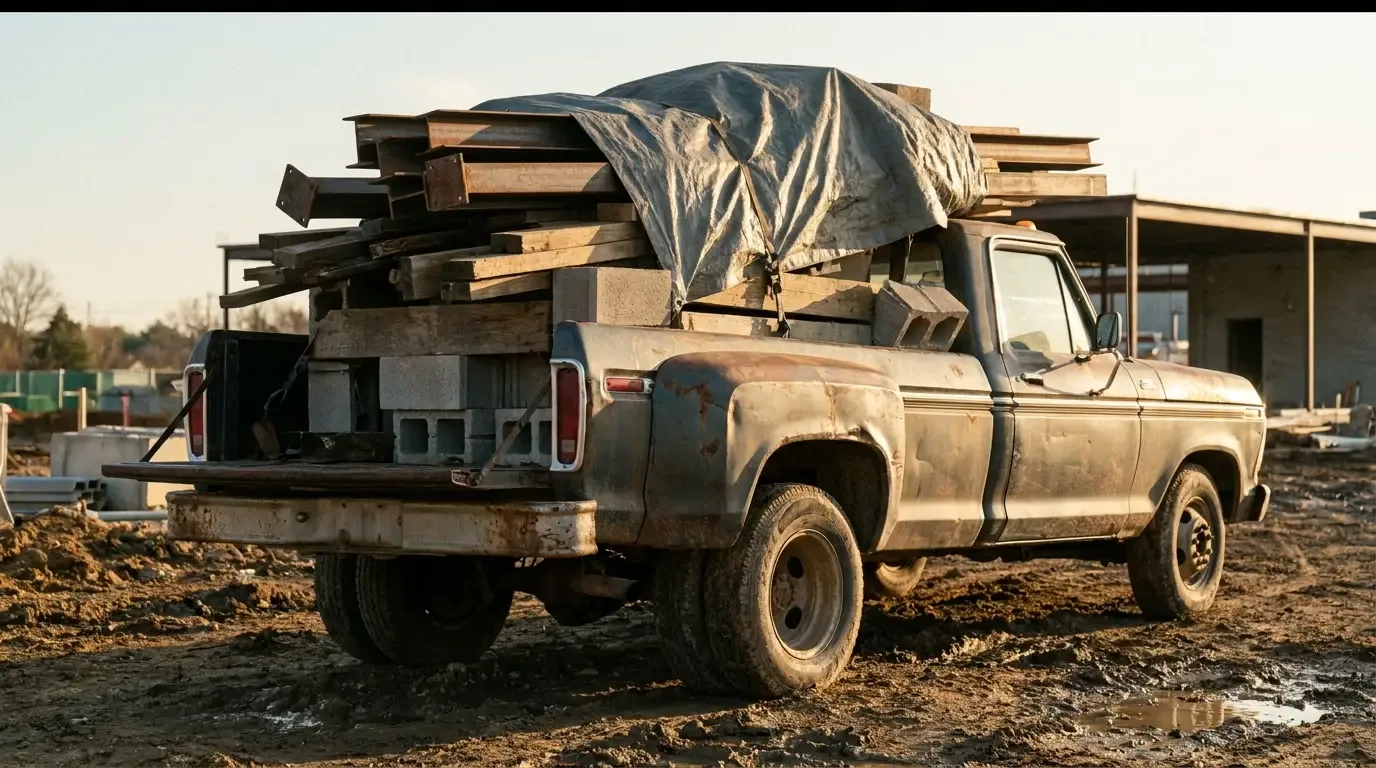
Most classic half-ton pickups came from the factory in two rough lengths. The short bed ran somewhere around six and a half feet of floor, and the long bed ran around eight feet, though exact figures vary by maker and year. Three-quarter and one-ton trucks leaned toward the long bed because they were built to haul, and nobody buying a work truck cared about how it parked.
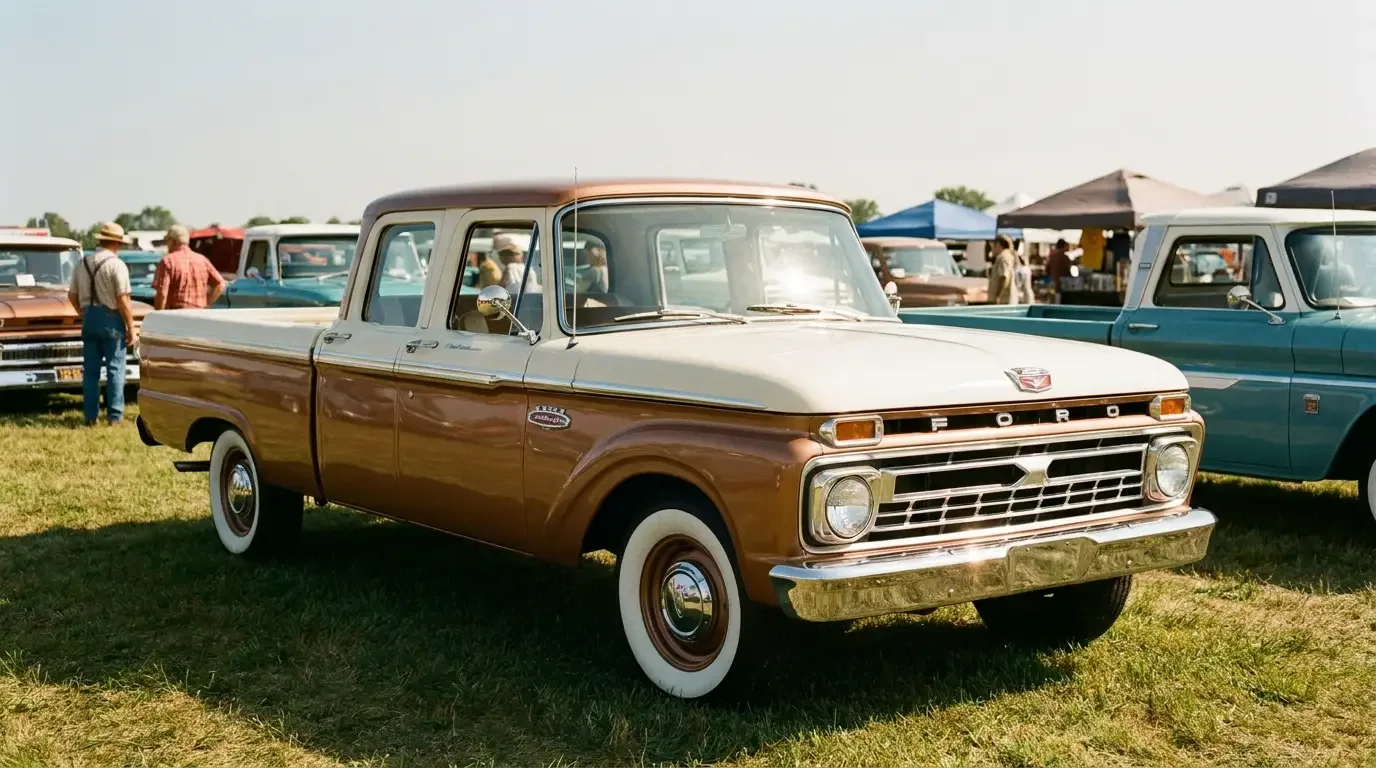
The difference is not just a couple of feet of sheet metal. It changes how the truck sits, how it drives, and today it changes what people will pay. A short bed on a standard wheelbase gives you a stubbier, more balanced look that collectors chase. A long bed stretches the whole truck out and, on the longer wheelbase versions, softens the ride a little because the axle sits farther back. For hauling lumber or a motorcycle, the long bed earns its keep. For cruising to a show, the short bed wins on looks nearly every time.
Here's the part that catches people out. Two trucks that look identical from the front can be worth very different money based on bed length alone. Short-bed versions of popular fleetside pickups tend to bring a premium, sometimes a big one, because more people want them and fewer survived in clean shape. A long bed on the same truck is often the honest buy: the same running gear, the same cab, for less cash, if you can live with the extra length.
Bed styles: stepside, fleetside, and the rest
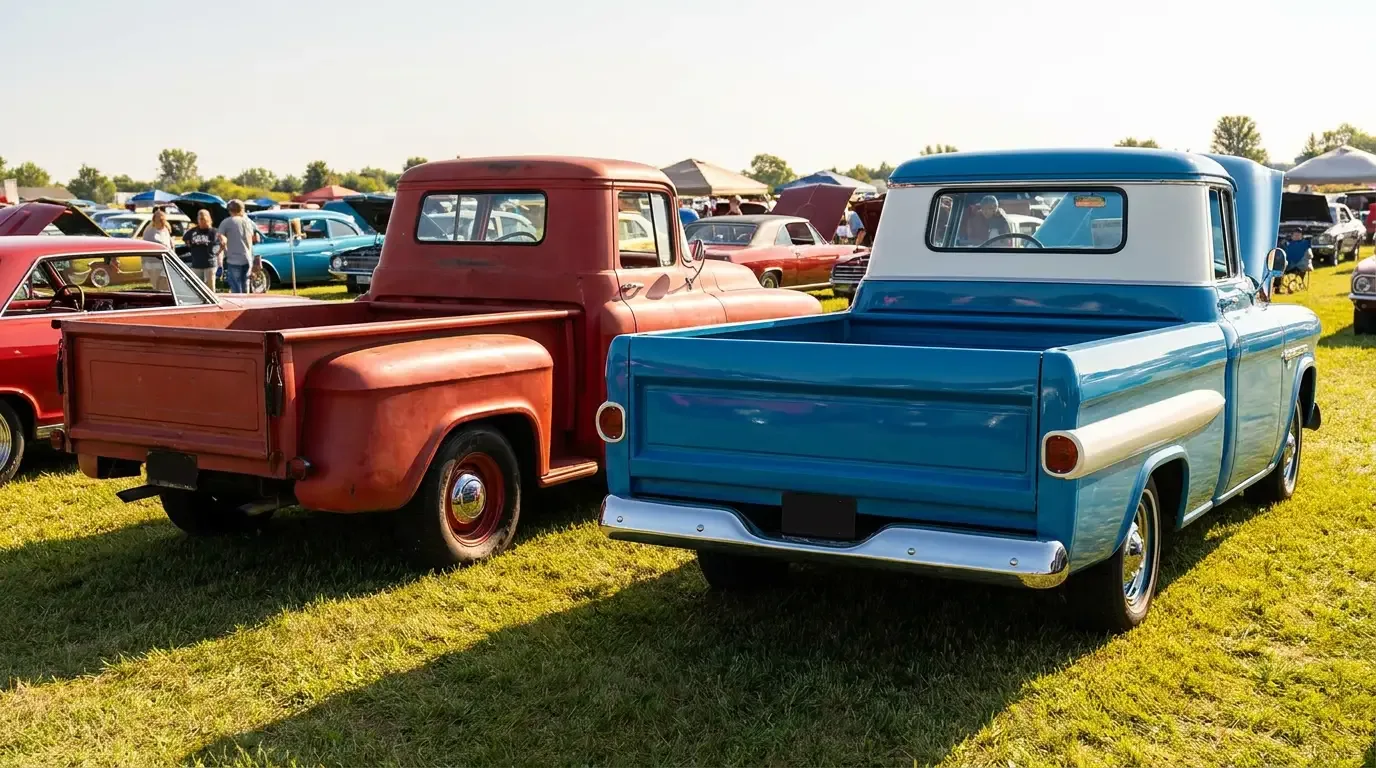
Length is only half the story. Bed style is the other half, and the terms change depending on which maker built the truck. The two big families are the narrow-box style with separate rear fenders, and the wide smooth-sided style where the bed walls run flush from cab to tailgate.
- Stepside, Flareside, Sweptside, Utiline. The older style, with running boards or steps between the cab and the standalone rear fenders. The bed itself is narrower because the wheel wells sit outside the box. You get more usable flat floor width between the wheels but a narrower overall bed.
- Fleetside, Styleside, Wideside, Sweptline. The smooth-sided style that took over through the late 1950s and 1960s. The bed walls are flush with the cab, the wheel wells intrude into the box, and you get more total volume and a cleaner line down the side.
Each maker had its own name for the same basic idea, which is why the vocabulary gets confusing fast. Chevrolet and GMC used one set of words, Ford another, Dodge another. What matters for a buyer is knowing which family you're looking at, because it drives both the parts you'll hunt for and the price. Clean original stepside beds on desirable trucks have climbed in value as the style came back into fashion, but they were often the cheaper, plainer option when new.
Wood floors versus steel floors
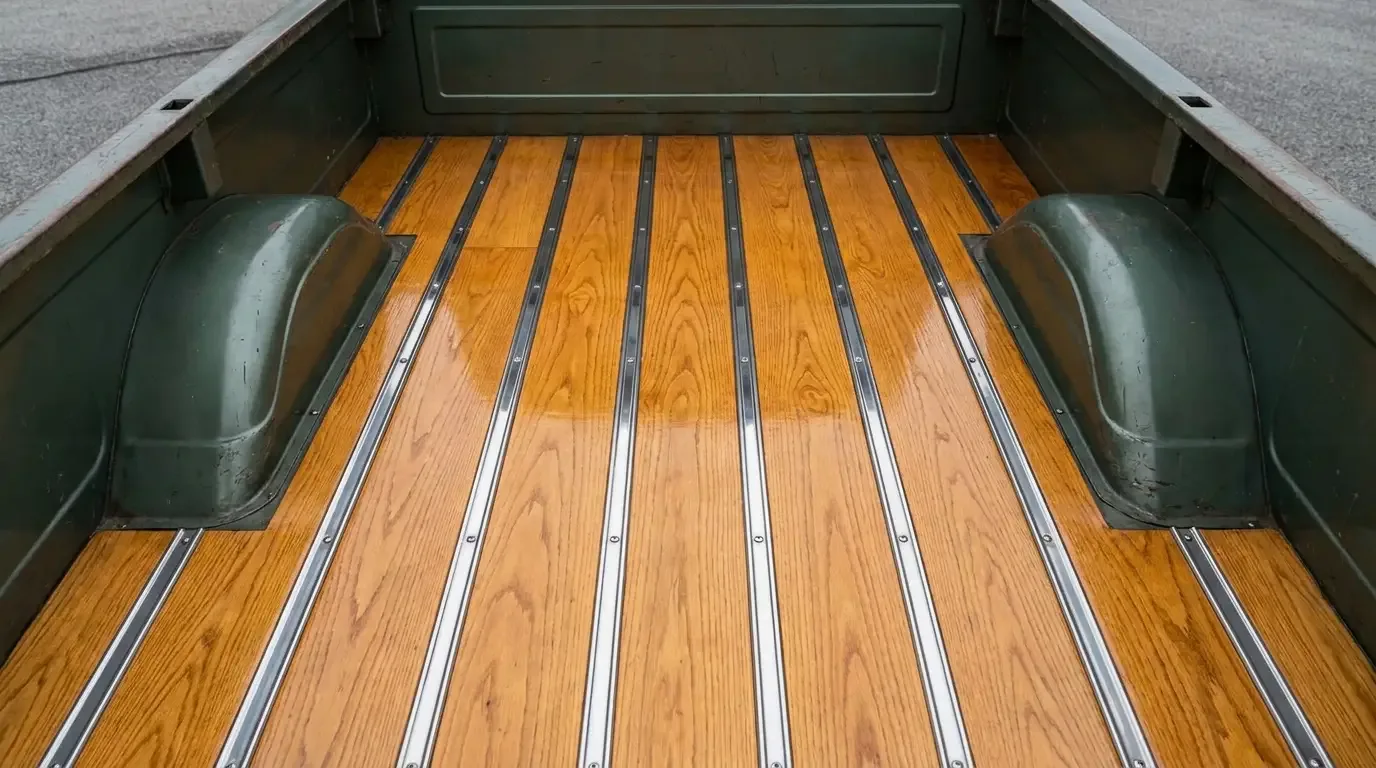
Open the tailgate on an older pickup and look at the floor. A lot of classic beds were built with a wood plank floor held down by steel skid strips running front to back. Later and cheaper trucks moved to a stamped steel floor with ribs pressed into it for strength. Both were doing the same job, giving you a surface that could take a beating, but they age in completely different ways.
A wood floor rots. Water gets under the bed rail, sits in the seams, and the boards go soft from the bottom up where you can't see it. The upside is that a wood floor is straightforward to replace. Reproduction bed wood kits are widely available for popular trucks, and a competent owner can pull the old boards, clean and treat the cross sills, and lay new wood in a weekend. Done right, a fresh oak or pine floor with polished stainless strips is one of the best-looking parts of a restored truck.
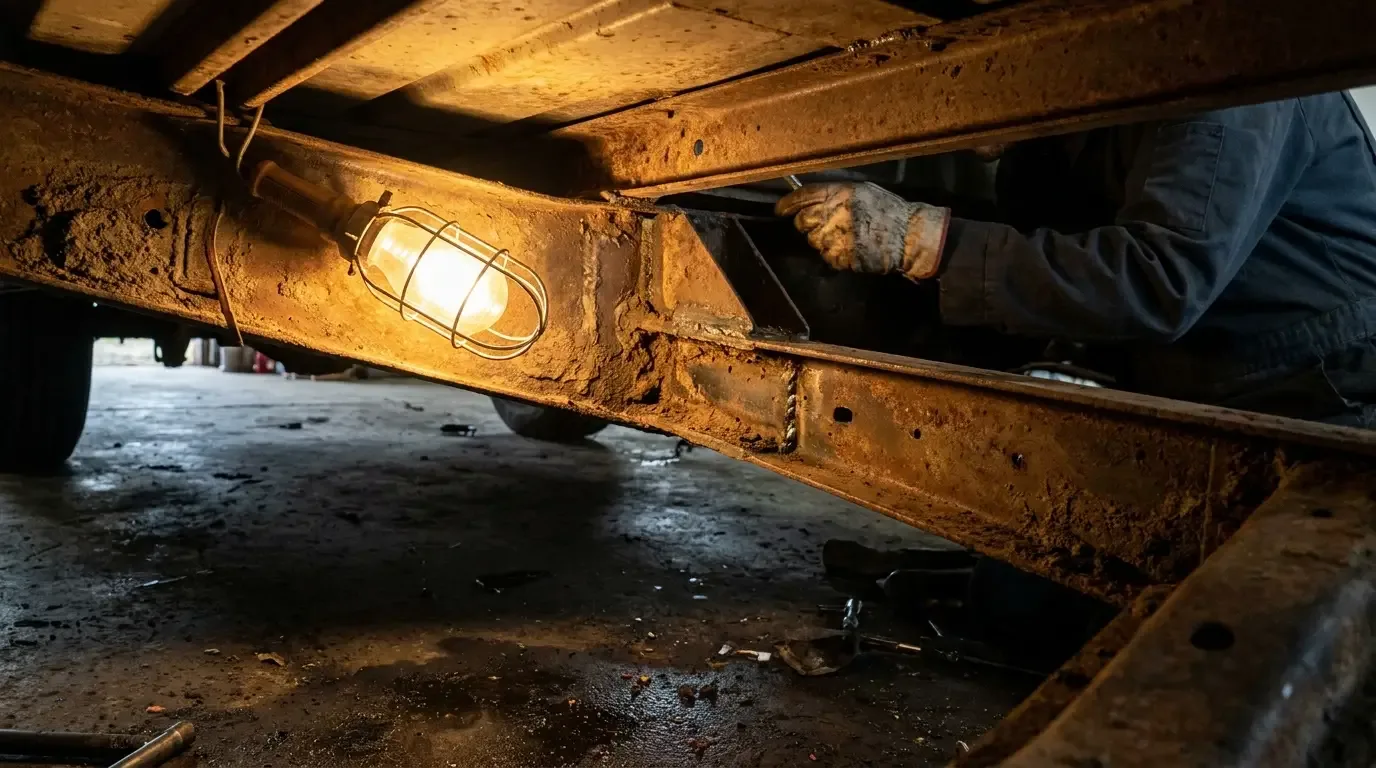
A steel floor rusts. The trouble is that rust starts in the same hidden seams and low spots, but you can't just unbolt a plank and drop in a new one. You're looking at cutting out rot and welding in patch panels or a full replacement floor, which is more work and more skill. When you inspect a steel-floor bed, get under it. Rust that looks like light surface scale from above can be lace on the underside.
"Get under it with a light. Not a flashlight held at arm's length, actually get down there and put your hand on the cross sills. A bed floor that looks fine from standing height has fooled a lot of buyers who paid for wood and drove home with rot."
— Robert Halloran
How bed length changes value, use, and looks
Put the pieces together and you can read a truck before you ever talk price. Three things move together, and they don't always pull the same direction.
On value, short beds generally win with collectors, stepside beds have swung up in desirability, and an original solid floor of either material beats a rusty one every time. A short-bed fleetside in one of the popular year ranges is usually the money truck. A long-bed work truck with a straight bed and honest patina is the value buy, and there's nothing wrong with owning one.
On use, it flips. If you actually plan to haul, the long bed and the wider fleetside box give you room that the pretty short stepside never will. A dirt bike, a full sheet of plywood, a load of firewood, these fit a long fleetside and fight a short stepside. Decide honestly what the truck is for before you let looks make the call.
On looks, it comes down to taste and proportion. Short beds sit balanced and purposeful. Stepside fenders give a truck an old, honest character that a lot of people love. Long fleetsides look businesslike and clean. None of these is wrong. What's wrong is paying a short-bed premium for a truck someone converted from a long bed and didn't do well.
Reading and measuring a bed at the truck
You don't need special tools to identify a bed, just a tape measure and a light. Length is the inside floor measurement with the tailgate closed. Style is obvious once you know the two families: separate rear fenders and a step means the old stepside family, flush smooth sides mean the fleetside family. Floor material is a glance and a knuckle: planks with metal strips are wood, a ribbed one-piece pan is steel.
The table below is model-agnostic on purpose. Names and exact dimensions differ by maker and year, so treat the lengths as ballpark and confirm against the specific truck's factory figures.
| Bed type / length | Typical use | Collector note |
|---|---|---|
| Short bed, roughly 6.5 ft | Light hauling, daily driving, show truck | Most sought after; commands a premium on popular models |
| Long bed, roughly 8 ft | Real hauling, lumber, work loads | The honest value buy; same running gear for less money |
| Stepside style (narrow box, outboard fenders) | Wider flat floor between wheels; traditional work truck | Swung back into fashion; clean originals bring strong money |
| Fleetside style (flush smooth sides) | More total volume; cleaner load surface | Broad appeal; short-bed fleetsides are the classic money truck |
| Wood floor with steel skid strips | Original spec on many classic beds | Easy to replace; a fresh floor is a strong selling point |
| Stamped steel floor | Later and economy beds | Rust repair is welding work; inspect the underside hard |
Spend ten minutes at the back of the truck and you'll know more than most buyers learn in an afternoon. Get the length, name the style, decide wood or steel, and put a light on the underside. A truck's bed is where it lived its life, and it will tell you the truth about the whole vehicle if you take the time to look.
Sources and notes
- Factory service manuals and body dimension charts for period light trucks
- Manufacturer sales literature and option lists for bed styles and lengths
- Reproduction bed wood and floor panel supplier catalogs
- Period road tests and owner's manuals for wheelbase and bed specifications
- Collector marque and truck restoration guides on bed identification
- Auction result summaries for short-bed versus long-bed value trends