A classic truck four-wheel-drive system is a simpler animal than what sits under a new pickup, and that simplicity is exactly why people pay up for the old ones. There is no computer deciding when the front axle gets power. You decide. You reach down, pull a lever, and either the front wheels are driving or they are not. Understanding how these systems work, and knowing what wears out on them, is the difference between buying a solid truck and buying somebody else's headache.
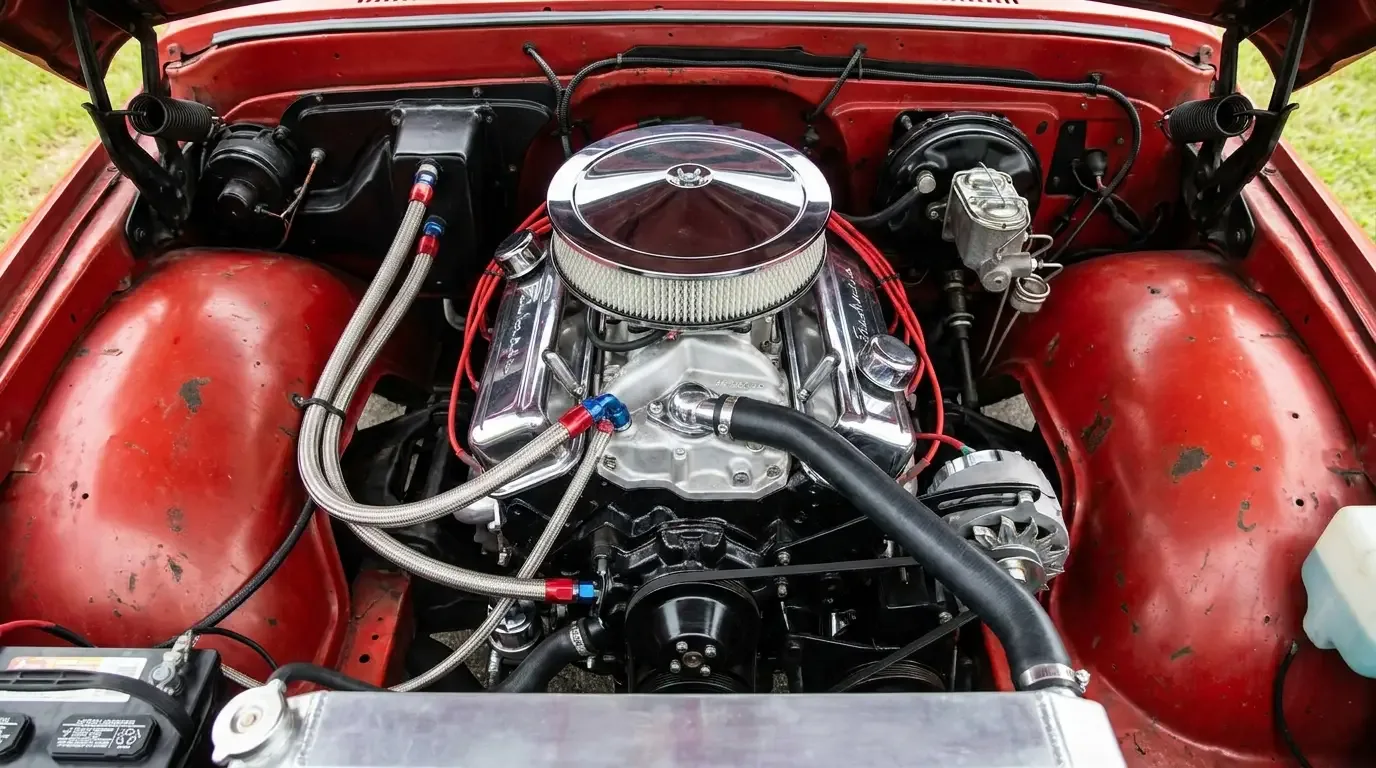
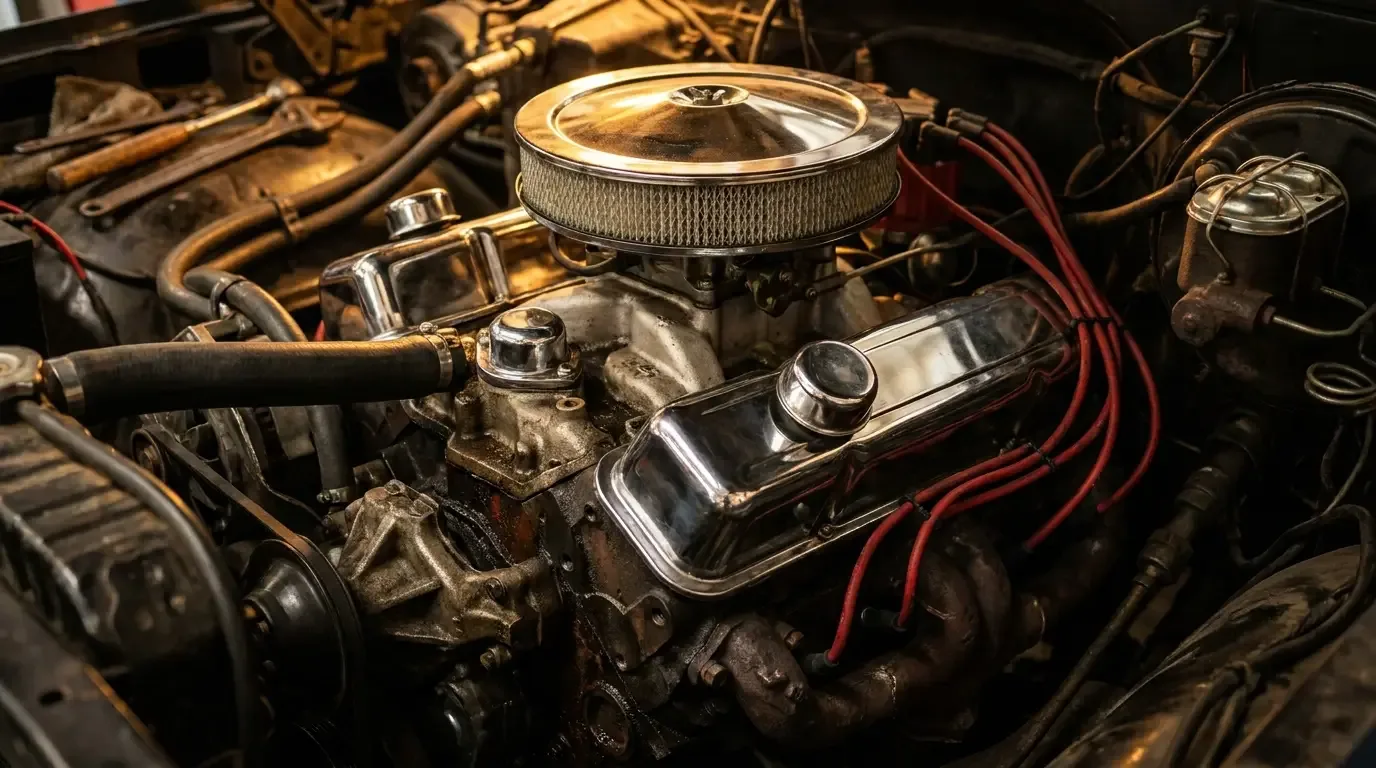
Before you get into the running gear, it helps to understand the motor that turns it. Our guide to classic truck engines covers that side. Here we stay under the middle and the front of the truck, where the drive gets split.
Part-time versus full-time four-wheel drive
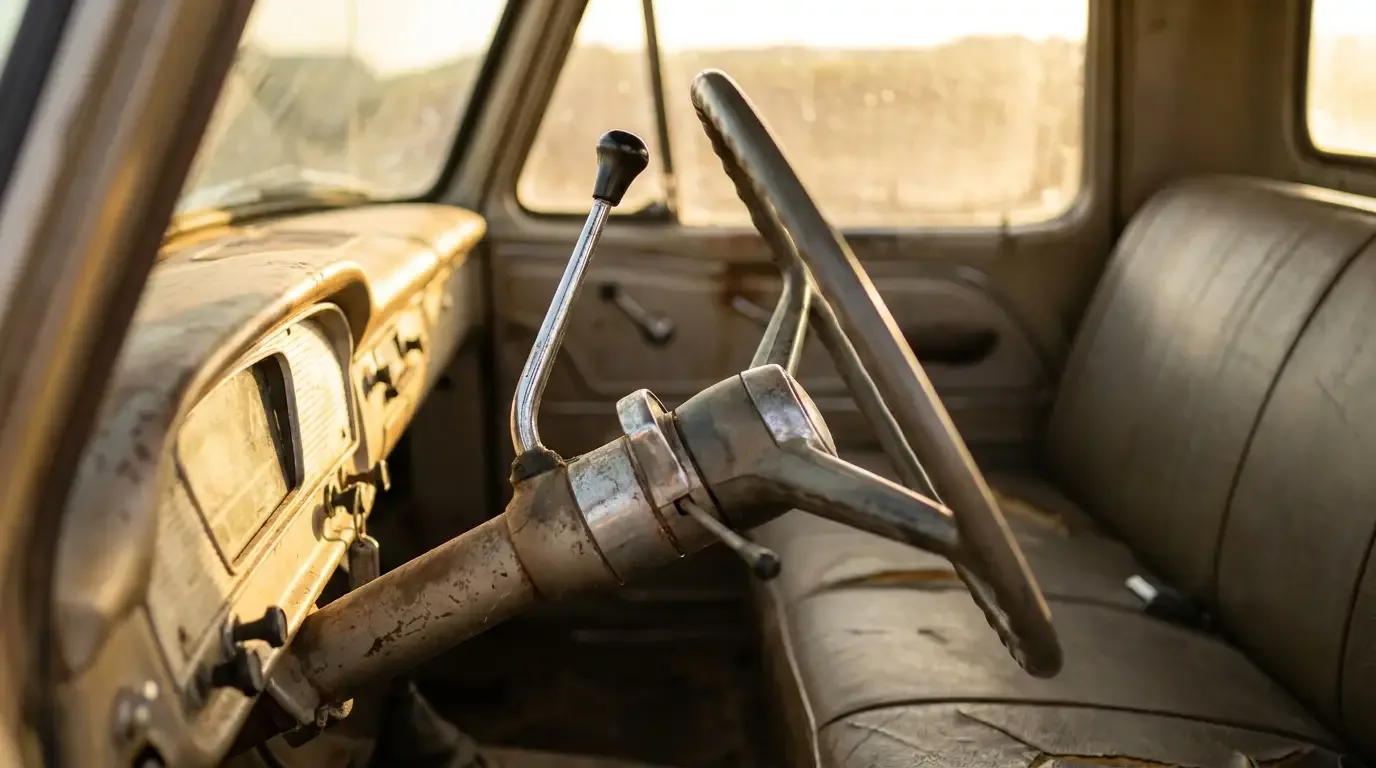
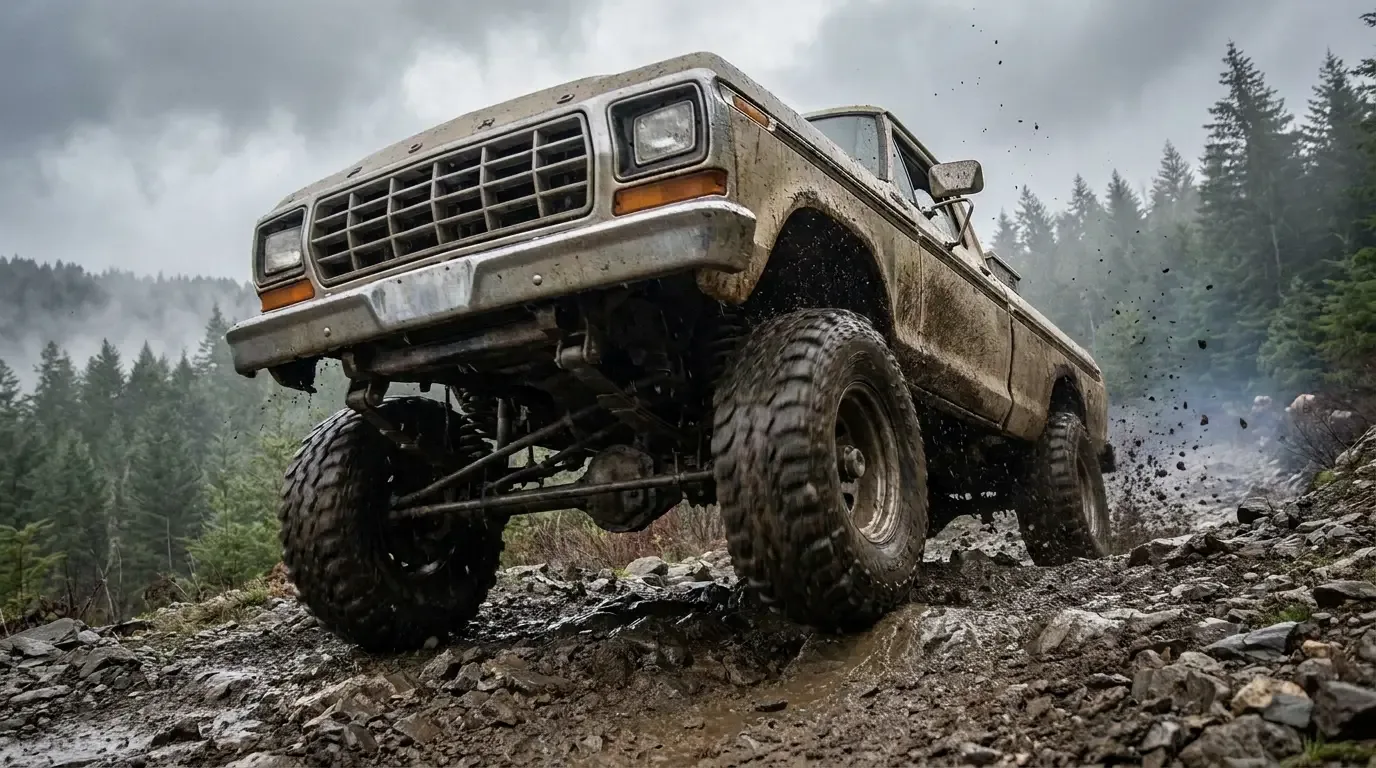
Most classic 4x4 trucks use part-time four-wheel drive. That means the truck is a rear-wheel-drive vehicle until you engage the front axle. When engaged, the front and rear driveshafts are locked to turn at the same speed. That is great for a muddy field or a snowy grade. It is bad for dry pavement, because when you turn a corner the front and rear axles want to travel different distances, and with no center differential to absorb that, something has to give. On dry asphalt it binds, chirps the tires, and stresses the drivetrain. So the rule with a part-time system is plain: leave it in two-wheel drive on dry roads.
Full-time four-wheel drive, which showed up on some models by the 1970s, adds a center differential inside the transfer case so all four wheels can turn at their own speed. That lets you leave it engaged on any surface. It also adds parts that wear and cost more to fix. Neither approach is better in the abstract. A part-time system is tougher and cheaper to keep alive; a full-time system is more convenient and more complicated.
What the transfer case actually does
The transfer case is the box bolted behind the transmission. It takes the single output from the transmission and splits it two ways, to the front and rear driveshafts. It also gives you the high and low ranges. In a classic truck this is almost always a gear-driven, cast-iron unit that you shift with a floor lever, and that mechanical directness is a big part of the appeal.
You will see two families of these units on old trucks. Earlier and heavier trucks often ran a gear-drive case built for abuse. Later trucks moved toward chain-drive cases, which are quieter and a little lighter but not built quite as stout. A generically named unit like the NP205 is the classic gear-drive example people chase for its toughness; a chain-drive unit is the smoother, more common alternative on lighter half-tons. Do not assume one is in the truck just because of the year. People swap these. Look at the tag and the shape of the case, not the brochure.
Inside, the case runs its own gear oil, separate from the transmission. That oil gets neglected more than any other fluid on a 4x4 because nobody thinks about it. A transfer case that has never had its oil changed in decades is common, and a case run low or dry will chew itself up quietly until the day it howls.
"People obsess over the engine and never think about the transfer case until it starts making noise on the highway. By then you are into it for real money. Pull the fill plug, stick your finger in, and smell the oil. That tells you more than the seller will."
— Robert Halloran
Locking hubs and the front axle
On a part-time truck, engaging the transfer case is only half the job. The front axle also has to connect the wheels to the driveshaft, and that is what the hubs on the front wheels do. Two kinds show up on classic trucks.
- Manual locking hubs. You get out, turn a dial on each front hub by hand to "lock," and now the front wheels are tied to the axle shafts. Turn them back to "free" and the front wheels spin without dragging the axle shafts, differential, and driveshaft along. Manual hubs are simple, strong, and let the front running gear rest when you do not need it.
- Automatic locking hubs. These engage on their own when the transfer case sends torque forward, so you never leave the seat. Convenient, but they have more small parts inside, they fail more often, and when they fail they can leave you with no front drive at the worst time. Many owners of older trucks swap automatics back to manuals for exactly that reason.
Some trucks skip hubs entirely with a solid connection or a later center-axle-disconnect setup, but on the classic era the manual-versus-automatic hub question is the one you will actually face. Whichever the truck has, both hubs need to work. A truck with one good hub and one seized hub does not really have four-wheel drive; it has a very expensive limp.
Axles, driveshafts, and the rest of the chain
Power leaves the transfer case through two driveshafts and lands in two axles. The front axle on a classic 4x4 is a live axle, meaning a solid tube with a differential in the middle, the same idea as the rear but with the added complication of joints at the wheels so the front tires can steer while they drive. Those steering joints, the u-joints or CV-type joints inside the front axle, wear out and click when they go. A Dana-type front axle, named generically, is the common heavy front unit under many classic trucks, and parts for the well-known ones are still easy to find, which matters when you are restoring.
The driveshafts themselves ride on universal joints at each end. U-joints are cheap and normal wear items, but a dry, rusted, or clunking u-joint that gets ignored can let a driveshaft drop at speed, which is as bad as it sounds. They are one of the easiest things to check and one of the most commonly neglected.
🔧 Inspection Priorities
- Transfer case oil and noise. Pull the fill plug, check the oil is present and not milky or full of metal. Drive it and listen in both ranges. A howl or grind means a rebuild, often several hundred to over a thousand dollars in parts and labor.
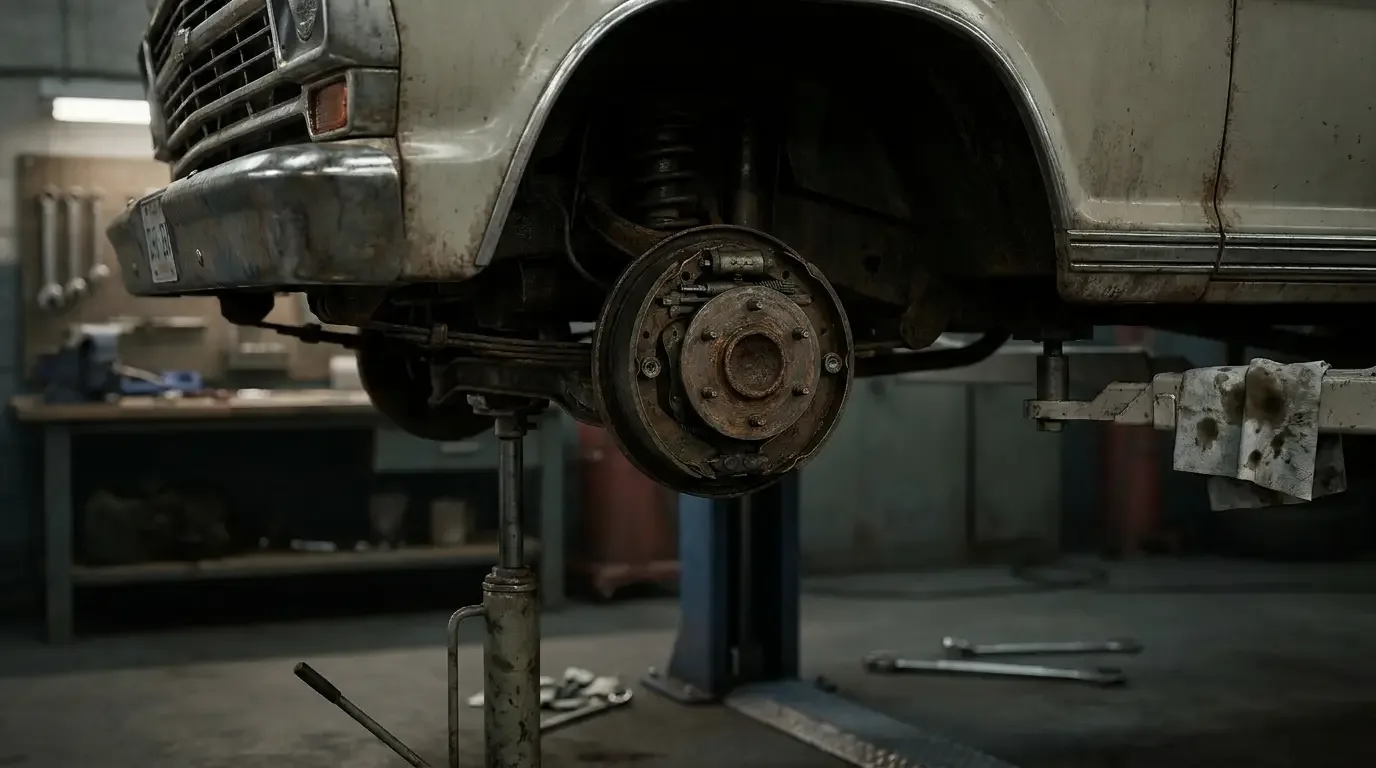
- Front hubs, both sides. Lock each hub and confirm the front driveshaft turns the wheels. A seized or non-engaging hub is cheap if it is just the hub, expensive if the axle shaft or splines are chewed.
- U-joints, front and rear shafts. Grab each shaft and try to twist it. Any play, rust-brown grease weeping out, or clunk on take-up means worn joints. Cheap parts, but a warning sign of long neglect.
- Front axle joints and seals. Look for clicking on tight turns and grease slung around the front wheel ends. Steering-axle joints cost more than u-joints and take labor to do right.
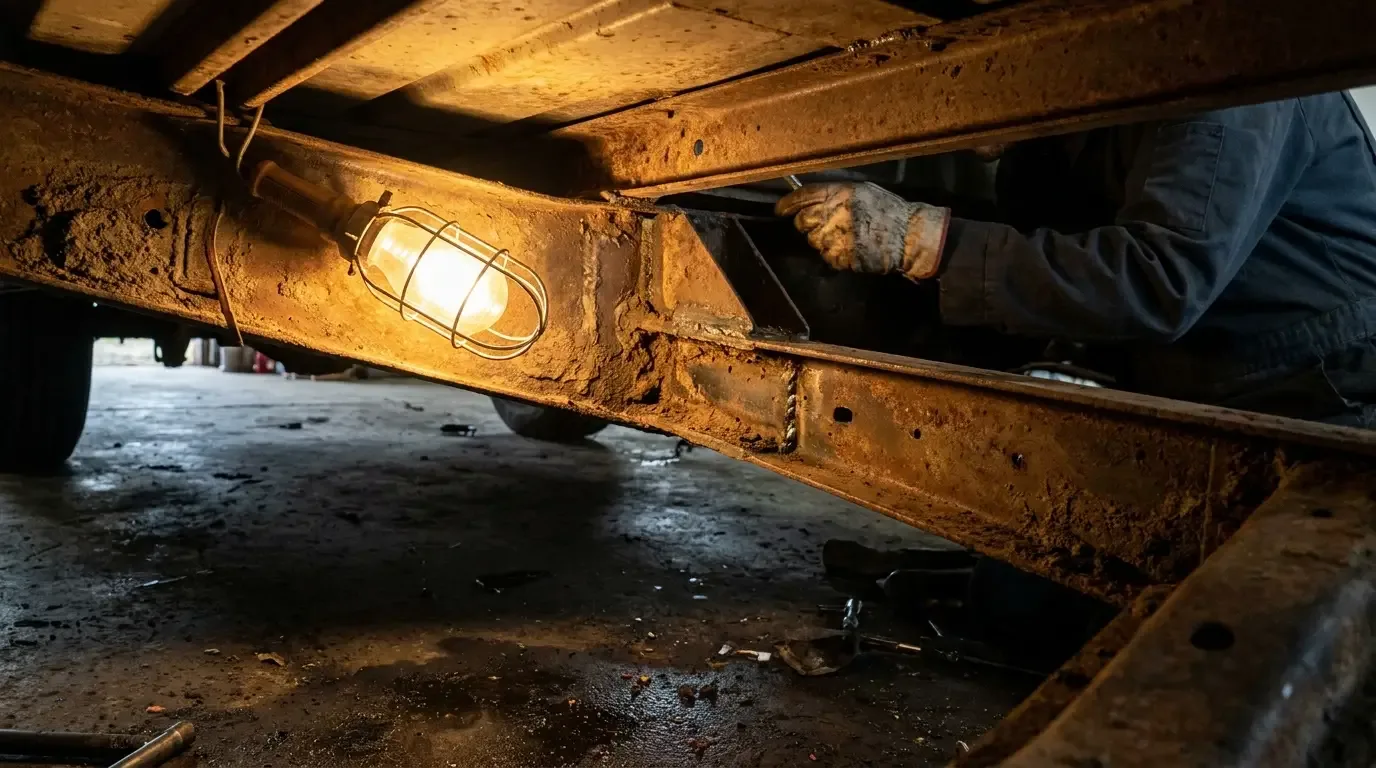
- Frame and mounts under it all. Get under it with a good light, not a phone at arm's length. Rust at the transfer-case crossmember and spring hangers turns a mechanical fix into a body-and-frame job.
Why classic 4x4 trucks command a premium
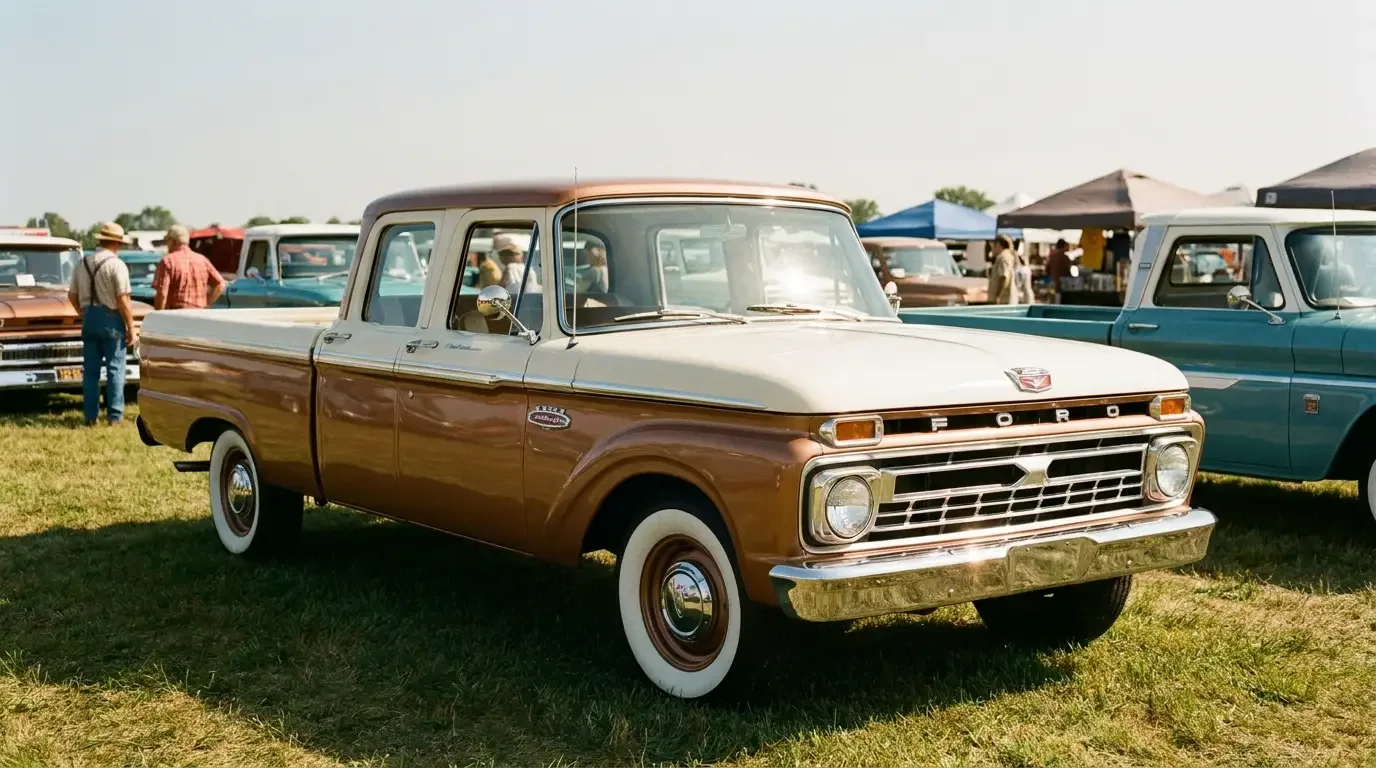
Four-wheel-drive versions of classic trucks almost always sell for more than their two-wheel-drive twins, and the gap has widened as the trucks moved from work tools to collectibles. Part of it is supply. Many 4x4 trucks were bought to work, so they were worked hard, wrecked, rusted out, or parted for their running gear. A clean, unmolested 4x4 is genuinely scarcer than a clean two-wheel-drive.
Part of it is the running gear itself. The systems in this article, a stout gear-drive transfer case, solid live axles, manual hubs, are things buyers want and things that are getting harder to find intact. And part of it is simply that a factory 4x4 looks and stands the way people picture a classic truck: taller, tougher, ready to go somewhere. That combination of scarcity, capability, and image is why a straight one holds its money. If you are shopping, it is worth looking at the range of classic 4x4 trucks for sale to see how much four-wheel drive adds over a comparable two-wheel-drive truck.
None of that helps you if the four-wheel-drive system is worn out. A premium price for a 4x4 that will not lock the front hubs is just a premium price. Buy the one where all of it works, or buy knowing what the fix costs. Those are the only two smart ways to do it.
Sources and notes
- Factory service manuals and shop manuals for classic light trucks (transfer case ranges, hub operation, axle service procedures).
- Transfer case identification and casting-tag guides for gear-drive and chain-drive units.
- Front and rear axle identification references (Dana-type and comparable units).
- Period road tests and owner manuals for part-time versus full-time four-wheel-drive operation.
- Auction results and collector price guides for four-wheel-drive versus two-wheel-drive value comparisons.