

TL;DR
- The 1968-1970 second generation is the one most buyers want, with the coke-bottle body and the R/T.
- Big-block R/T cars (440 Magnum, 426 Hemi) carry the money; 318 and slant-six cars are cheaper drivers.
- The 1969 Daytona winged car and the 1969 Charger 500 are the blue-chip aero cars.
- Rust in the trunk, rear frame rails, and lower quarters is the real cost, not the paint.
Buying a classic Dodge Charger
The Charger is one of the few muscle cars that looks fast standing still, and the market knows it. Prices run from honest 318 drivers up to seven-figure Hemi cars, so the first job is matching the body, the engine, and the paperwork to what you actually want to pay. Before you commit, it is worth checking what comparable cars are bringing on our classic car valuation page and across other classic muscle cars for sale.
Which Charger to buy
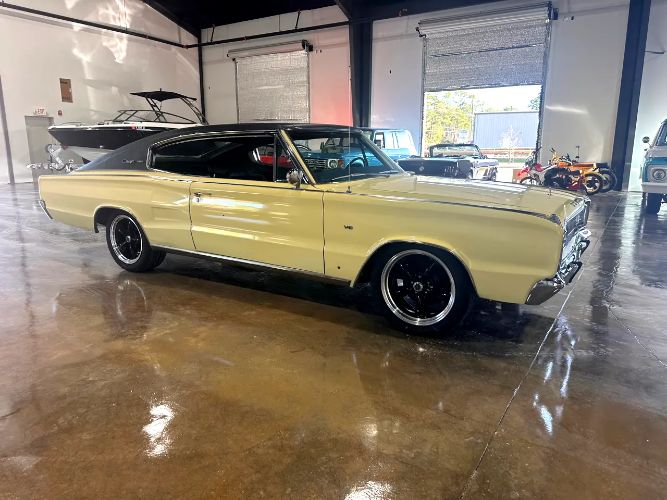
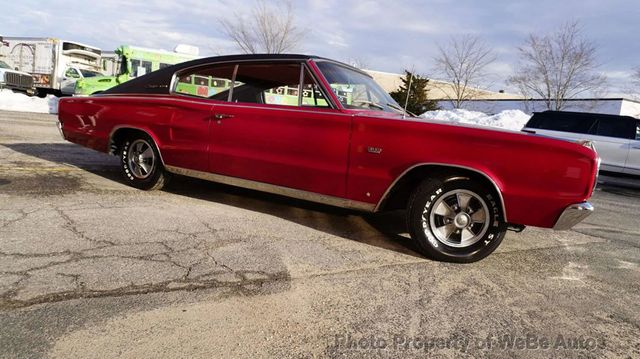
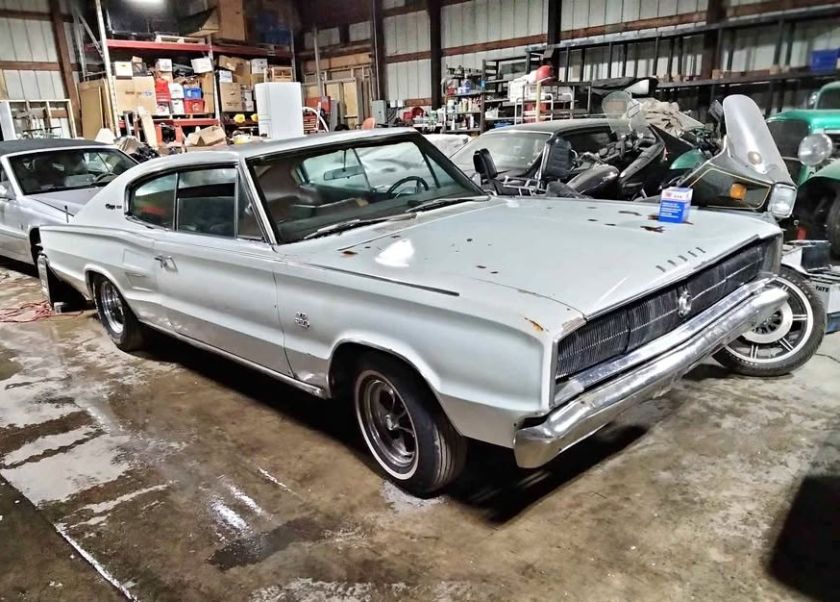
The first-generation 1966-1967 fastback is the rarest shape, with the hidden-headlight grille and a full-width interior. The 1968-1970 second generation is the icon, the car from Bullitt and the Dukes of Hazzard, and it is where the R/T and the aero specials live. The 1971-1974 fuselage cars are the last true muscle Chargers and the value play, with the 1971 cars the last to offer the 440 Six Pack and the 426 Hemi.
| Generation | Years | Top engines | Picks |
|---|---|---|---|
| First | 1966-1967 | 383, 426 Hemi | Hemi cars, clean fastbacks |
| Second | 1968-1970 | 440 Magnum, 440 Six Pack, 426 Hemi | R/T, Daytona, Charger 500 |
| Third | 1971-1974 | 440 Magnum, 440 Six Pack (1971) | 1971 R/T, Rallye, Super Bee |
What to inspect
Chargers rust in predictable places, and a numbers-matching big-block car can hide a re-shelled body or a swapped engine. Verify the VIN, the fender tag, and the engine casting numbers before you talk price.
🔧 Inspection Priorities
- Trunk floor and rear frame rails. Water collects under the rear glass and rots the trunk pan and the rails below it. A full rear frame repair runs into real money.
- Numbers-matching drivetrain. R/T, Hemi, and Six Pack cars are heavily cloned. Match the engine casting and the fender tag, and demand documentation on any high-dollar car.
- Lower quarters, rockers, and floor pans. These are common rot spots and the patch quality tells you how the rest of the car was done.
- Torsion-bar front suspension and bushings. Tired front ends are normal on these cars; budget for a rebuild on a driver.
"Buy the body, not the engine. A rust-free 318 car is a better start than a rotten Hemi clone, because steel costs more than horsepower."
— Mike