


TL;DR
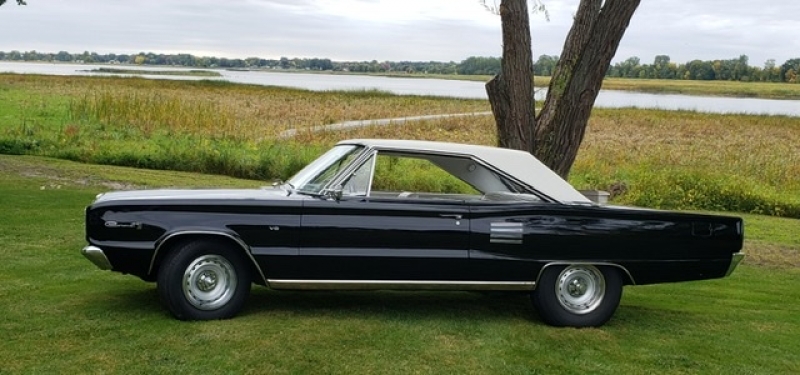
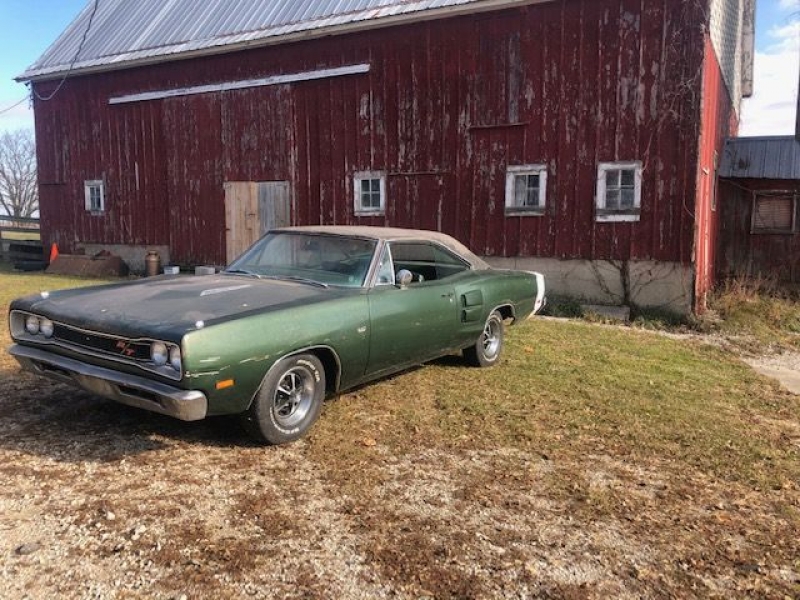
- The 1968-1970 Super Bee and Coronet R/T are the muscle cars to chase here.
- The 1969 Super Bee A12 with the 440 Six Pack and a lift-off hood is the budget-brawler legend.
- 426 Hemi cars are blue-chip; the 1966 Hemi Coronet 500 was a tiny build.
- Like every Mopar B-body, paperwork and rust in the trunk and rails decide the price.
Buying a classic Dodge Coronet
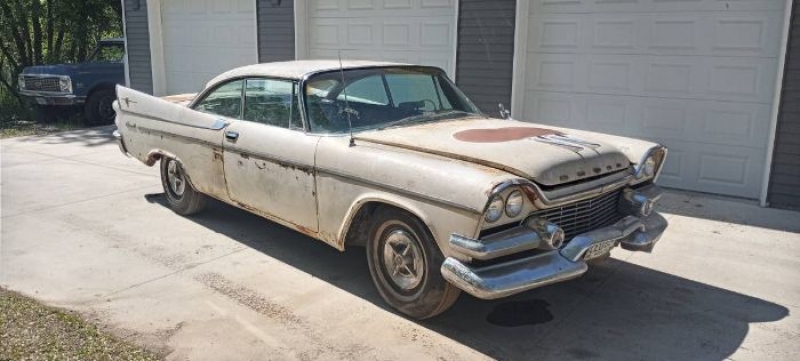
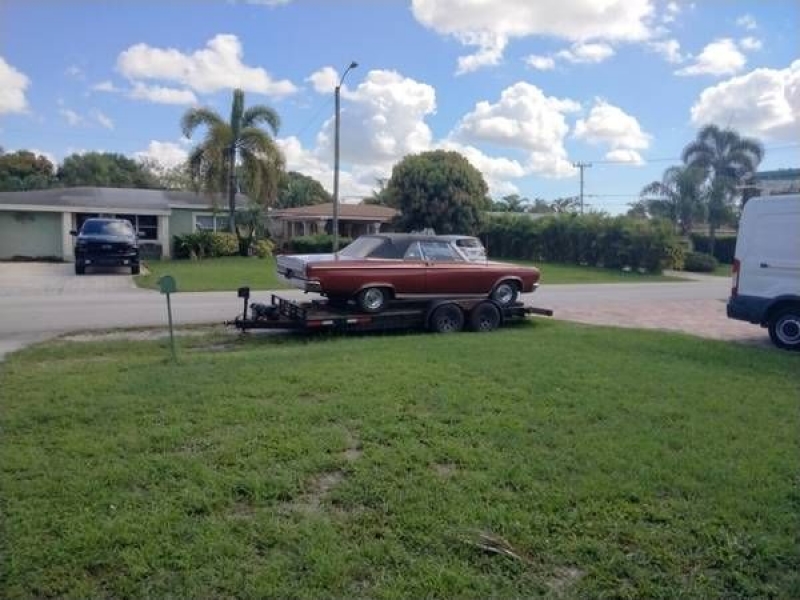
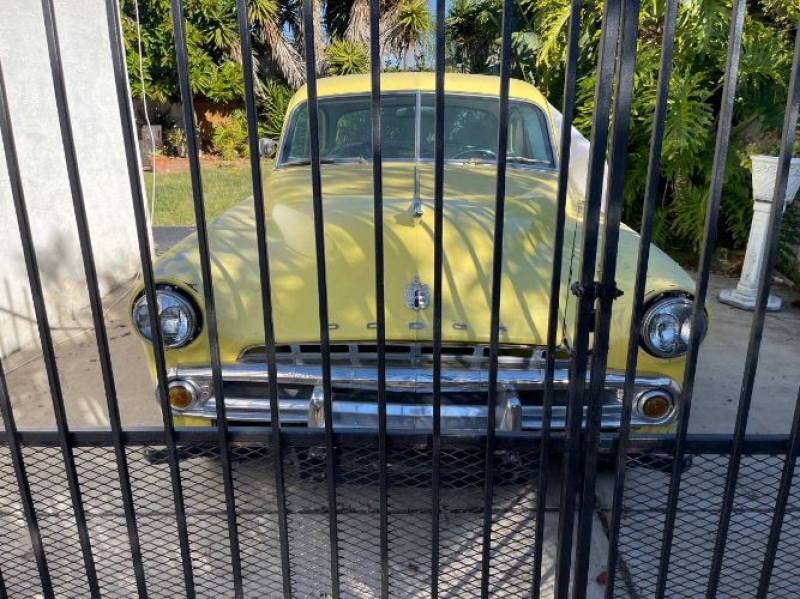
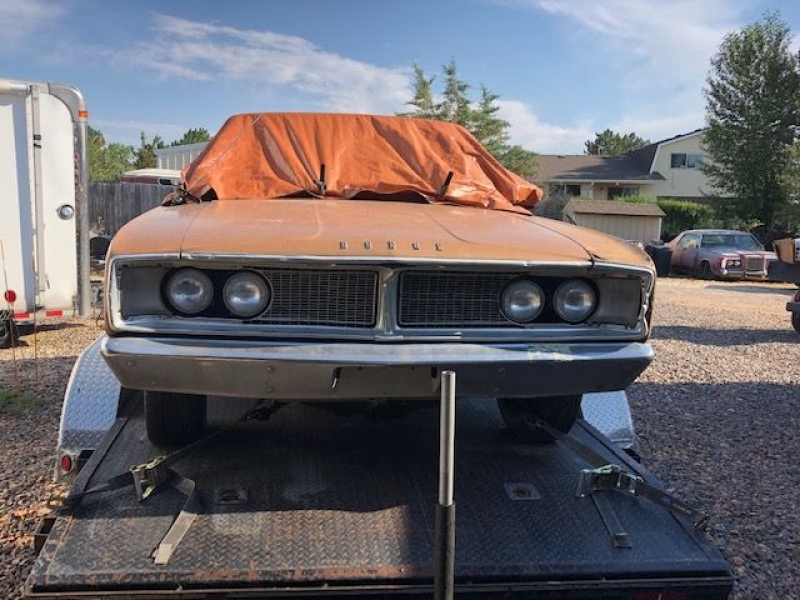
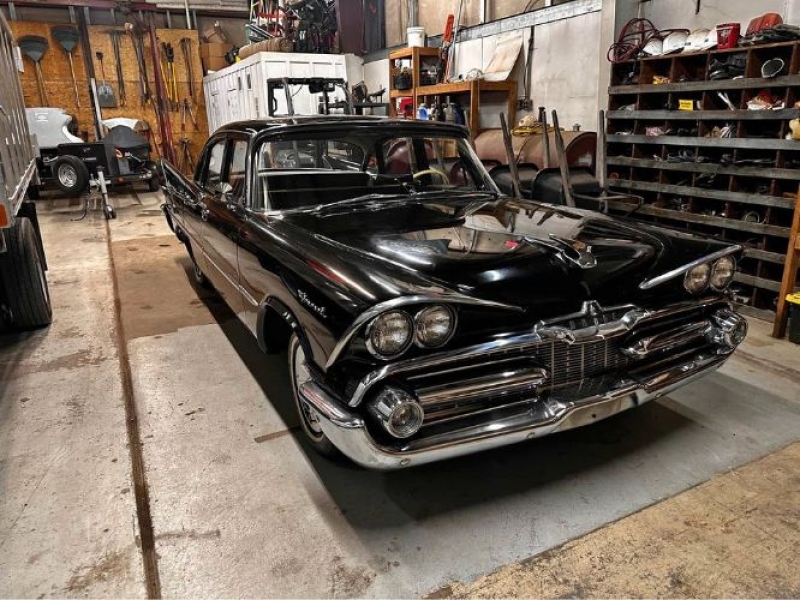
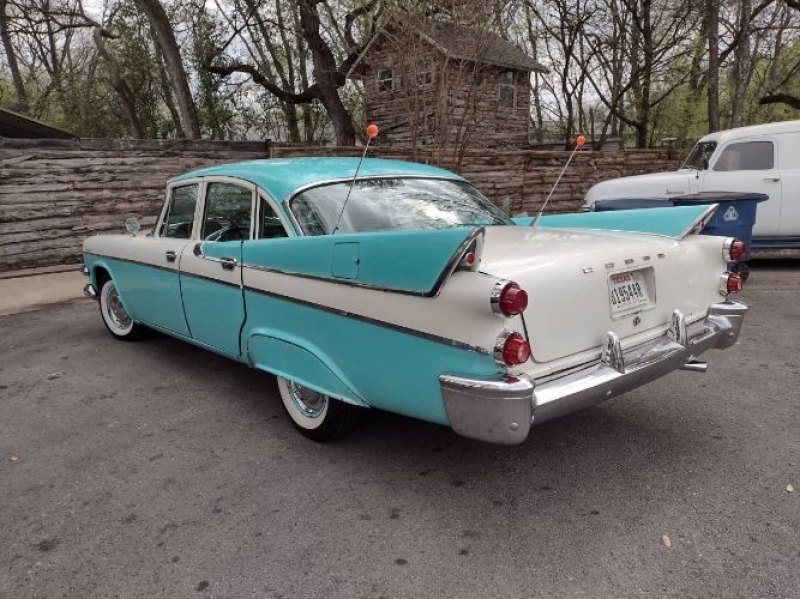
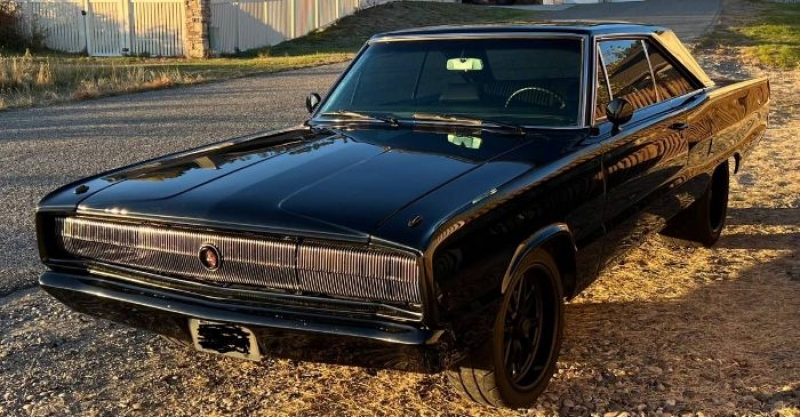
The Coronet was Dodge's mid-size B-body, and it shared its bones with the Charger, so the same engines and the same muscle hardware are on the menu for less money. The high-value cars are the R/T and Super Bee. Check current values on our classic car valuation page and cross-shop the closely related Dodge Charger before you commit.
Which Coronet to buy
The 1965-1967 cars introduced the big-engine Coronet, including a handful of 426 Hemi cars and the first 1967 R/T. The 1968-1970 redesign is the muscle peak, with the budget Super Bee joining the upscale R/T. After 1970 the Coronet shifted toward family cars and the muscle moved to the Charger name.
| Engine | Displacement | Power | Notes |
|---|---|---|---|
| V8 (383 Magnum) | 383 cu in | 330-335 hp | Base Super Bee engine |
| V8 (440 Magnum) | 440 cu in | 375 hp | R/T standard |
| V8 (440 Six Pack) | 440 cu in | 390 hp | 1969-70, A12 cars |
| V8 (426 Hemi) | 426 cu in | 425 hp | Rare, blue-chip |
What to inspect
R/T, Super Bee, and Hemi cars are heavily cloned, so the documentation is the deal. The B-body also rusts in predictable, expensive places.
🔧 Inspection Priorities
- Fender tag and engine casting. Match the original engine, axle, and trim. A base car wearing R/T or Super Bee badges is common.
- Trunk floor and rear frame rails. Water rots the trunk and the rails below the rear glass.
- Lower quarters, rockers, and floor pans. Standard Mopar rot spots; check the patch quality.
- Torsion-bar front end. Tired bushings and worn parts are normal; budget for a refresh.
"The Coronet is the smart-money way into a real Mopar B-body. Same drivetrain as a Charger, often thousands less, because it does not have the famous shape."
— Mike