

TL;DR
- The Deluxe was Ford's upscale prewar and early-postwar line, all powered by the flathead V8.
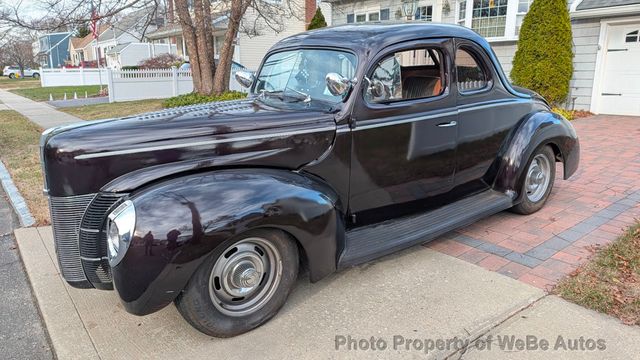
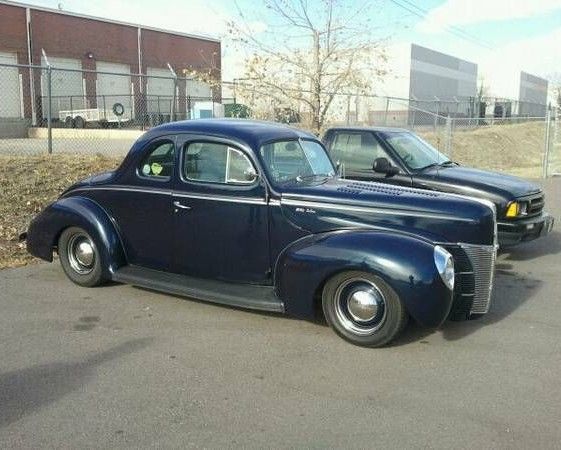
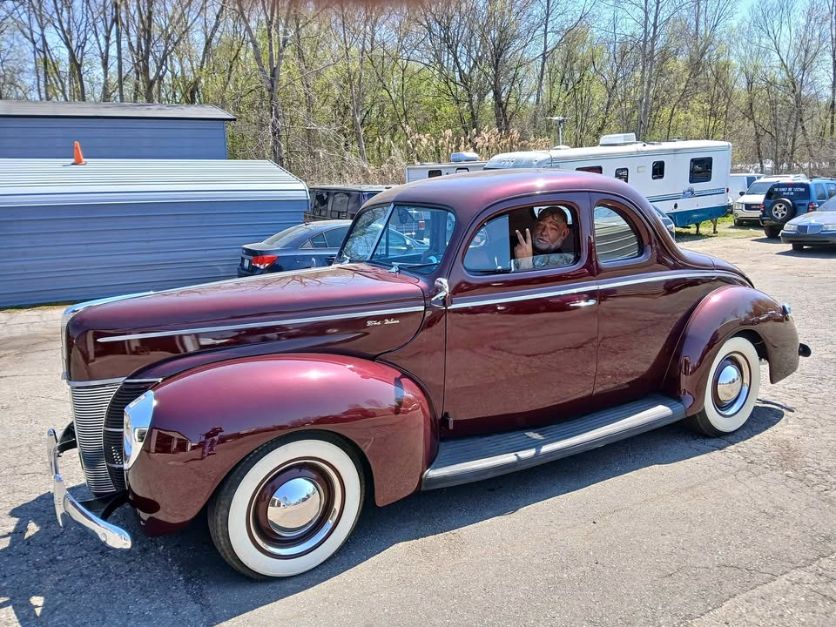
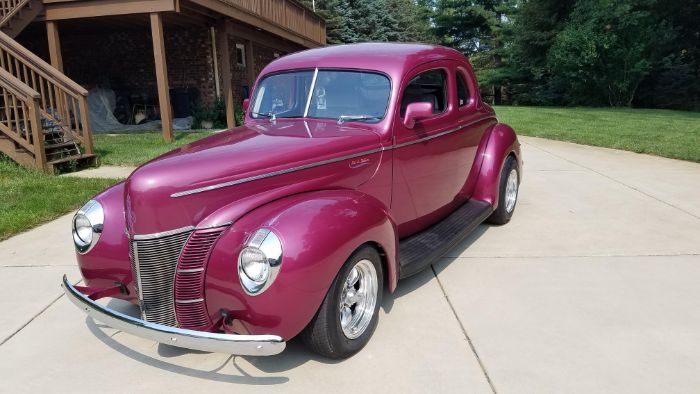
- The 1940 Deluxe coupe and the 1946-1948 Super Deluxe convertible are the icons.
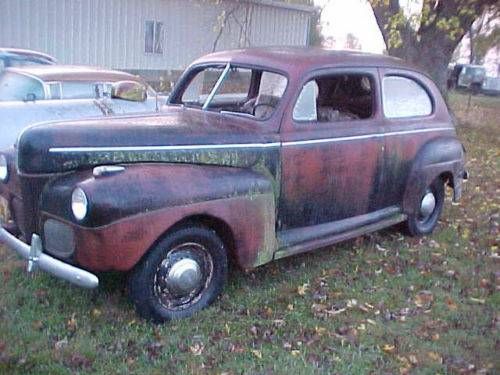
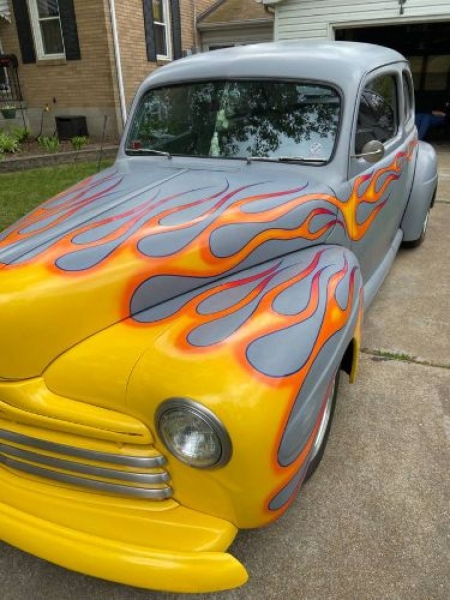
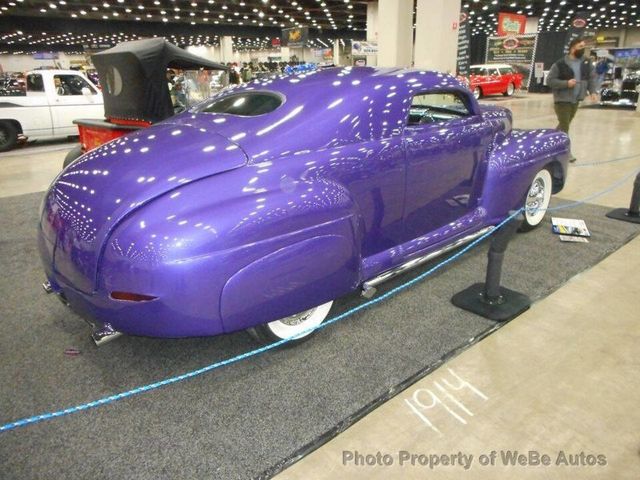
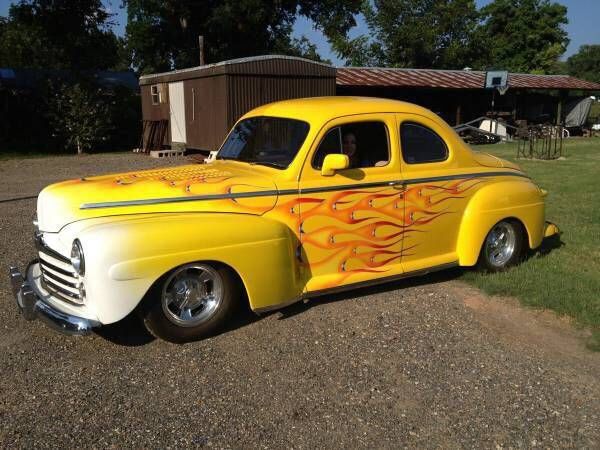
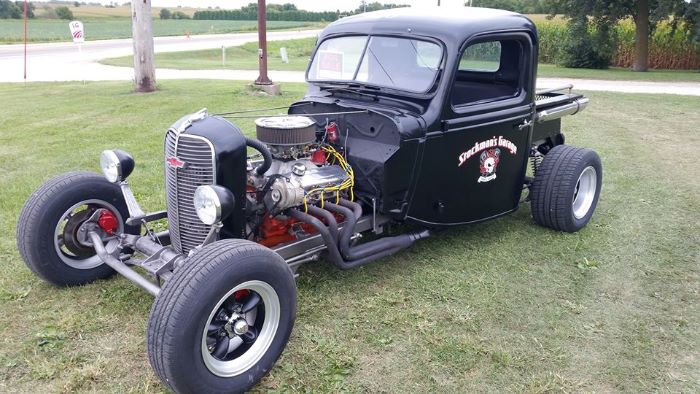
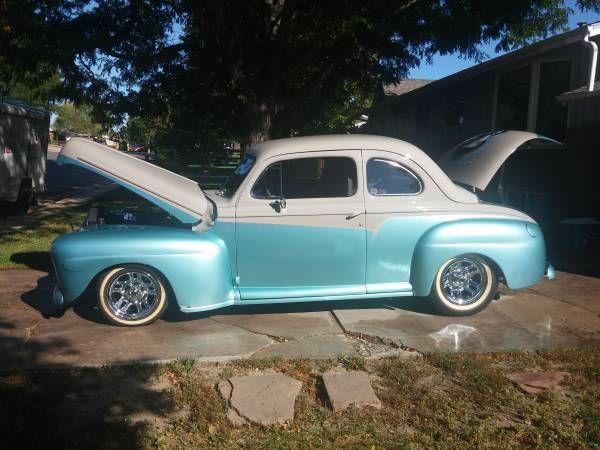
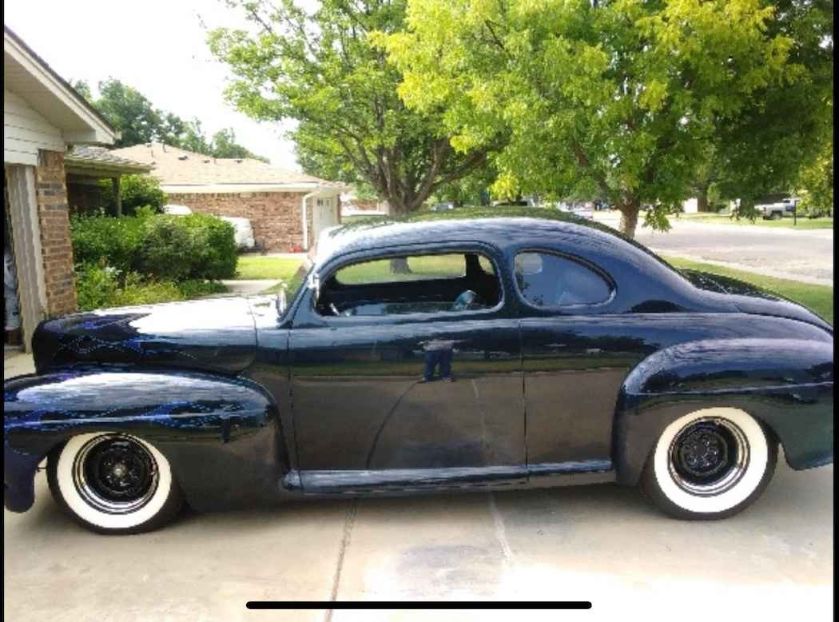
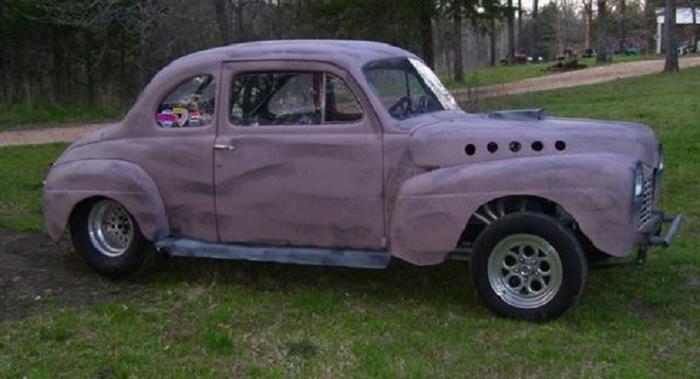
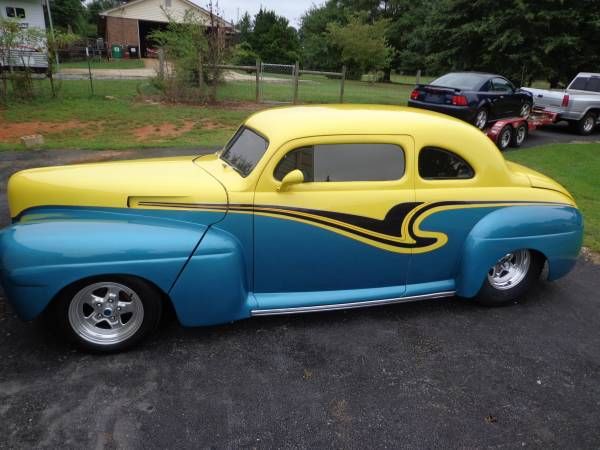
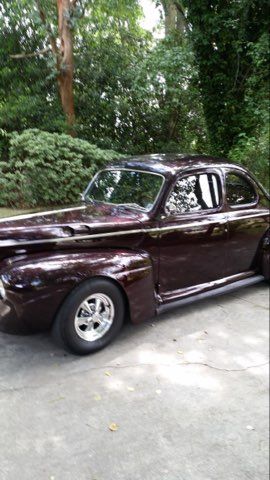
- These are the foundation of hot-rodding, so expect a market split between stock cars and street rods.
- Decide stock or rod before you shop, because the two are valued in completely different ways.
Buying a classic Ford Deluxe
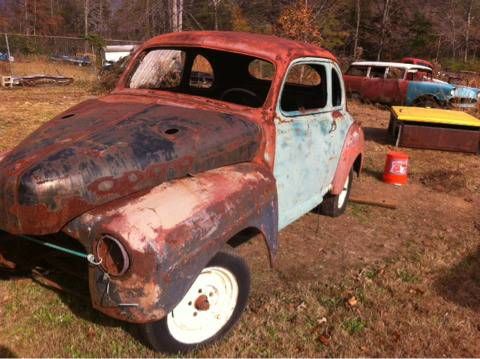
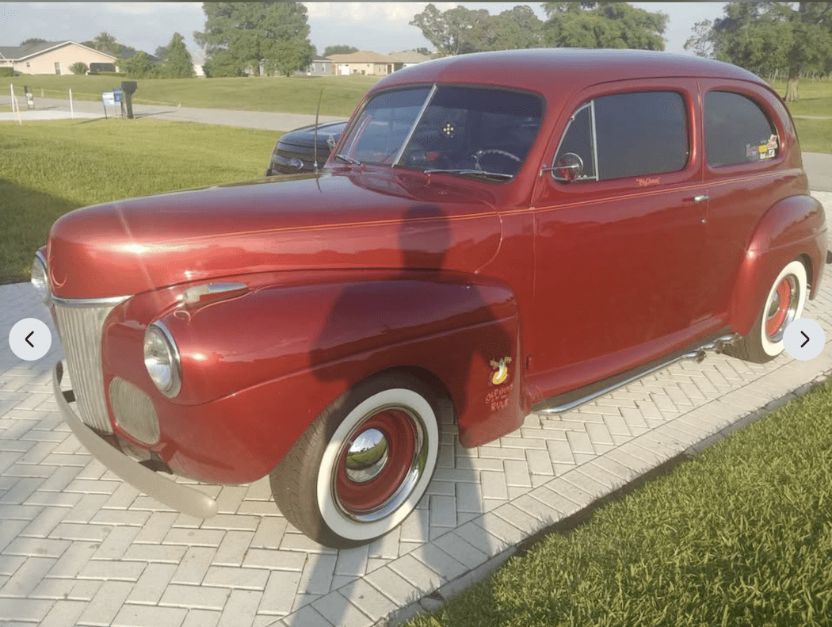
The Ford Deluxe and Super Deluxe were the nicer-trimmed Fords of the late thirties and forties, and they ran the flathead V8 that made Ford performance famous. They are loved two ways, as restored originals and as the steel that built the hot-rod hobby, so the same model can wear two very different price tags. Check current values on our classic car valuation page before you commit.
Which Deluxe to buy
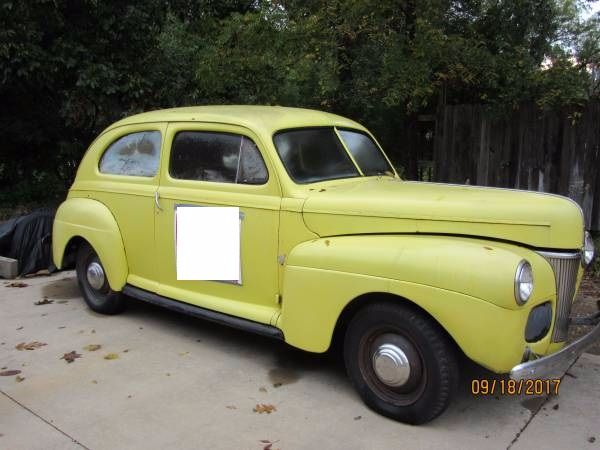
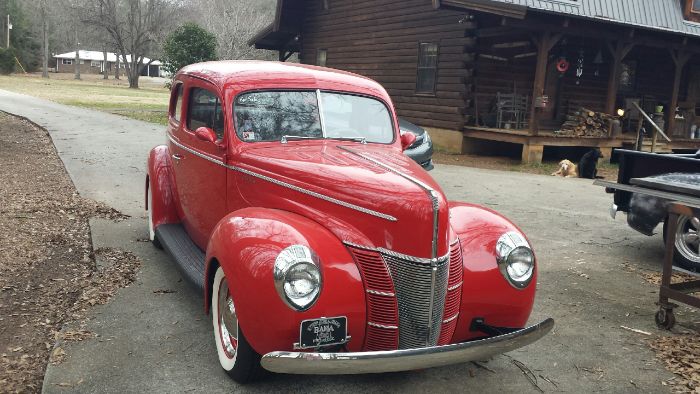
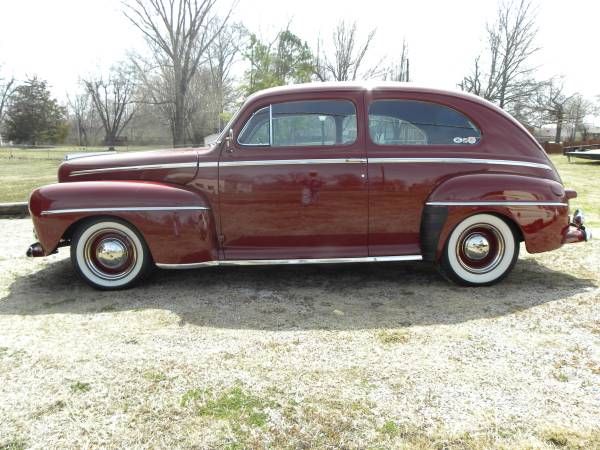
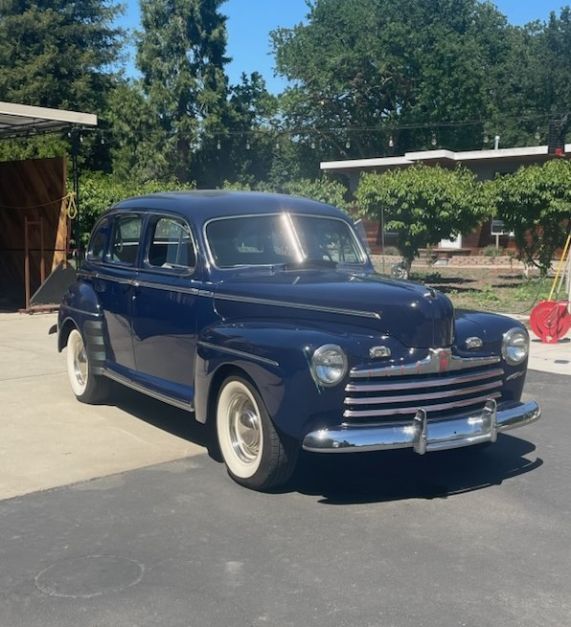
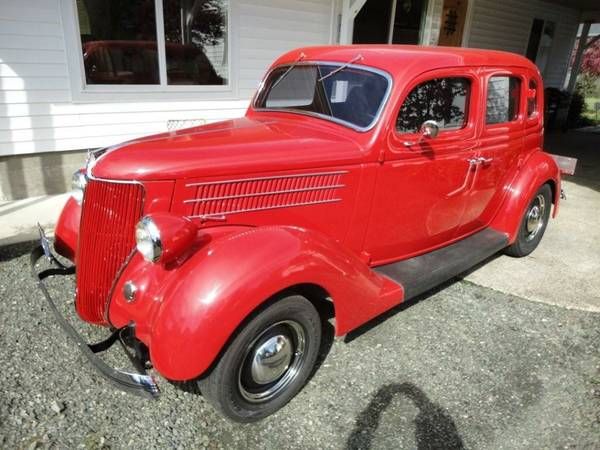
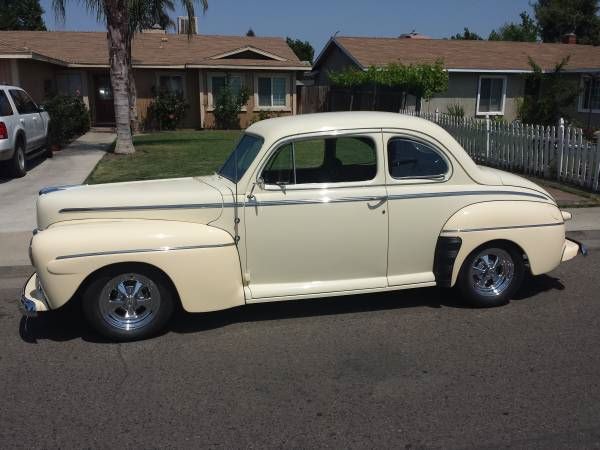
The 1937-1940 prewar cars have the classic art-deco grilles, and the 1940 Deluxe coupe is one of the most coveted shapes in the hobby. Production stopped for the war, then resumed with the 1946-1948 cars, often badged Super Deluxe, including the convertible and the wood-bodied wagon. The flathead grew from 221 to 239 cubic inches across the run.
| Era | Years | Engine | Picks |
|---|---|---|---|
| Prewar | 1937-1940 | 221 flathead V8 | 1940 coupe, convertible |
| Early postwar | 1946-1948 | 239 flathead V8 | Super Deluxe convertible, woodie |
What to inspect
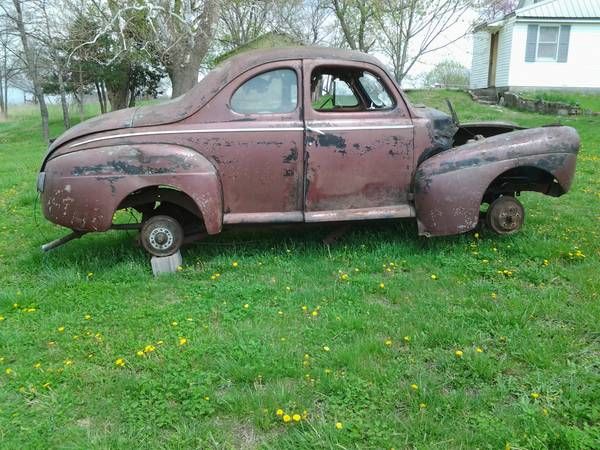
These cars are old enough that originality and structure matter more than a fresh coat of paint. Know whether you are buying a numbers-stock car or a rod, and inspect accordingly.
🔧 Inspection Priorities
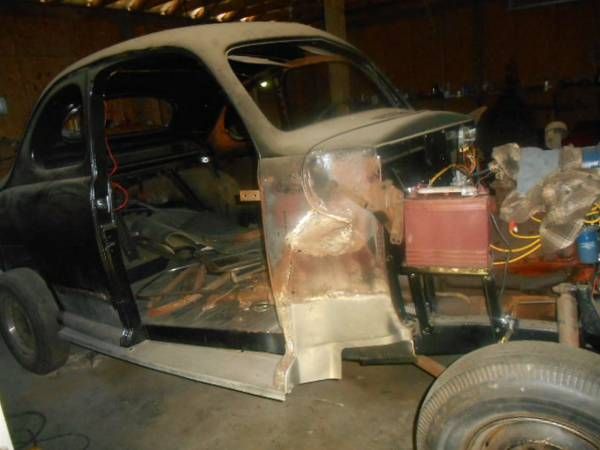
- Floor pans, lower body, and wood structure. Wagons hide rotten wood; sedans and coupes rot in the floors and lower panels.
- Flathead V8 health. These engines run hot and can crack; check for overheating history and listen for knocks.
- Stock versus rodded. Confirm what is original and what has been modified; a chassis swap changes the value entirely.
- Trim and brightwork. Prewar Deluxe trim is scarce and expensive to replace.
"With a Deluxe you are really choosing between two hobbies. A restored original and a finished street rod are both great cars, but they sell to different buyers at different prices."
— David