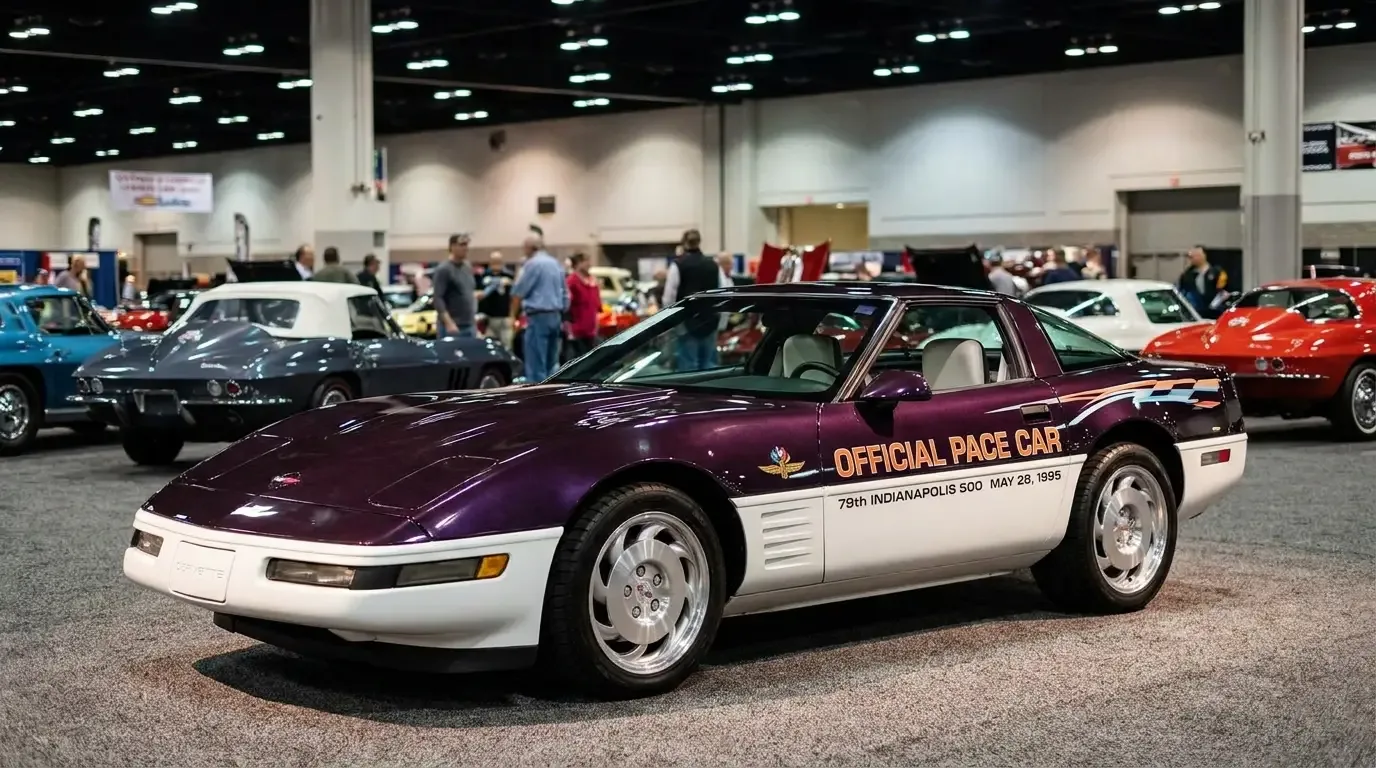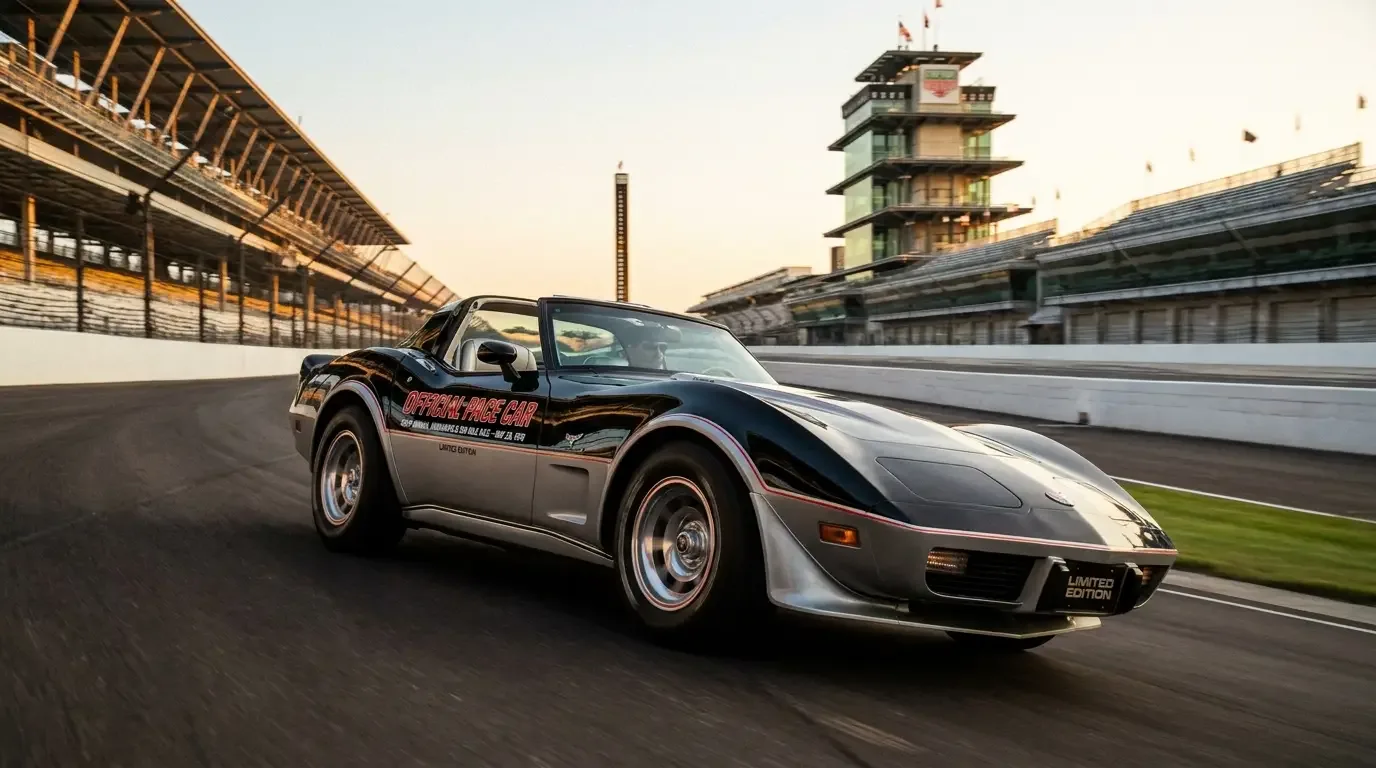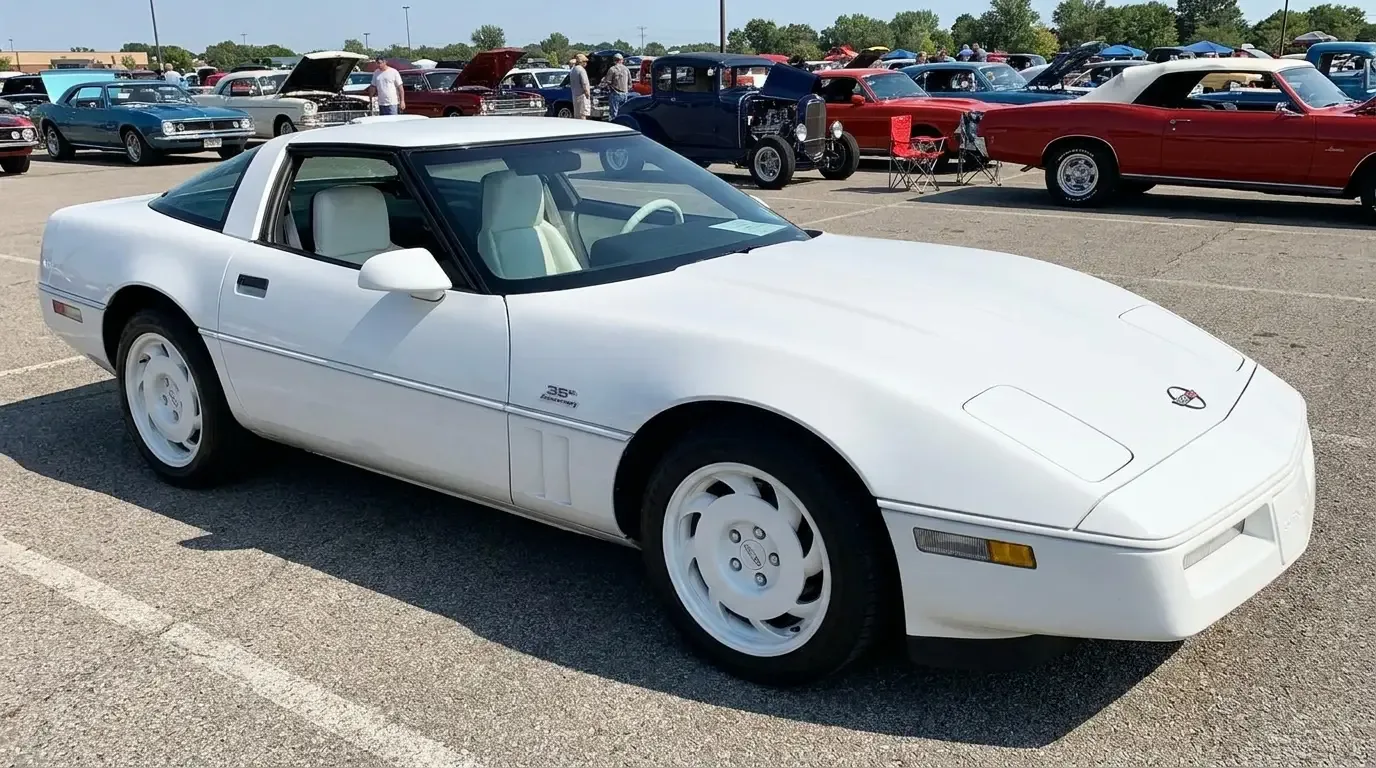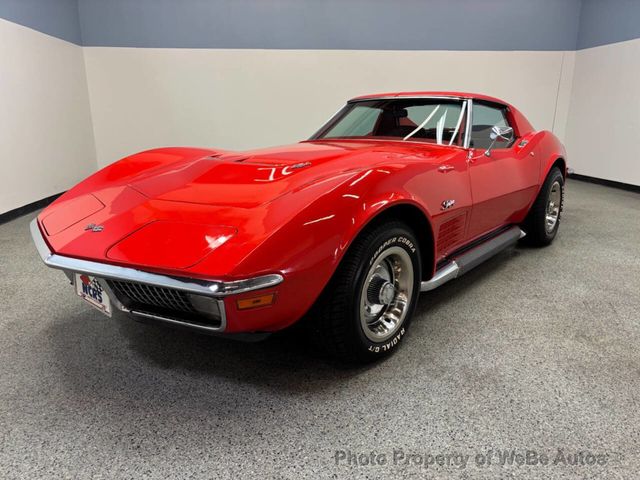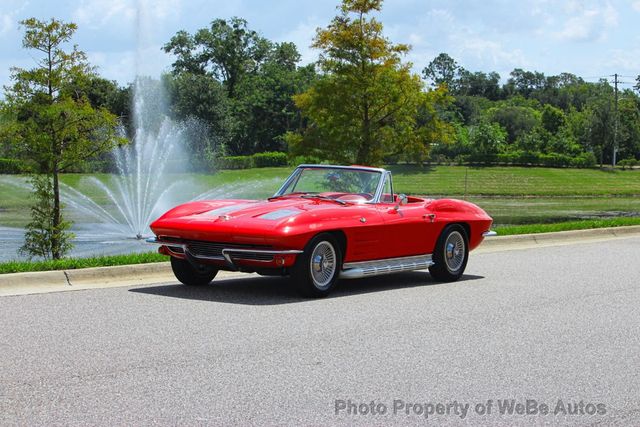
The 1982 Corvette did not arrive with any fanfare. Chevrolet had been stretching the C3 generation since 1968, and by the early 1980s the criticism was loud: underpowered, dated, too heavy for what the engine could do. The last of the C3s sold in 1982 with the lowest horsepower ratings the Corvette nameplate had ever carried. And yet, somewhere inside that final-year production run, Chevrolet slipped in a car worth knowing about. You can read about the Corvette's origins to understand how far the car had traveled by 1982, and the distance is significant.
The Collector Edition was the first Corvette ever sold with a factory price above $22,000, with an MSRP of $22,537.59. It was, in effect, Chevrolet's farewell gift to a generation of Corvette that had outlasted its welcome and still sold well enough that someone at GM thought it deserved a send-off. Whether it got one worth the money is a legitimate debate. Here is what the car actually was.
What made the Collector Edition different
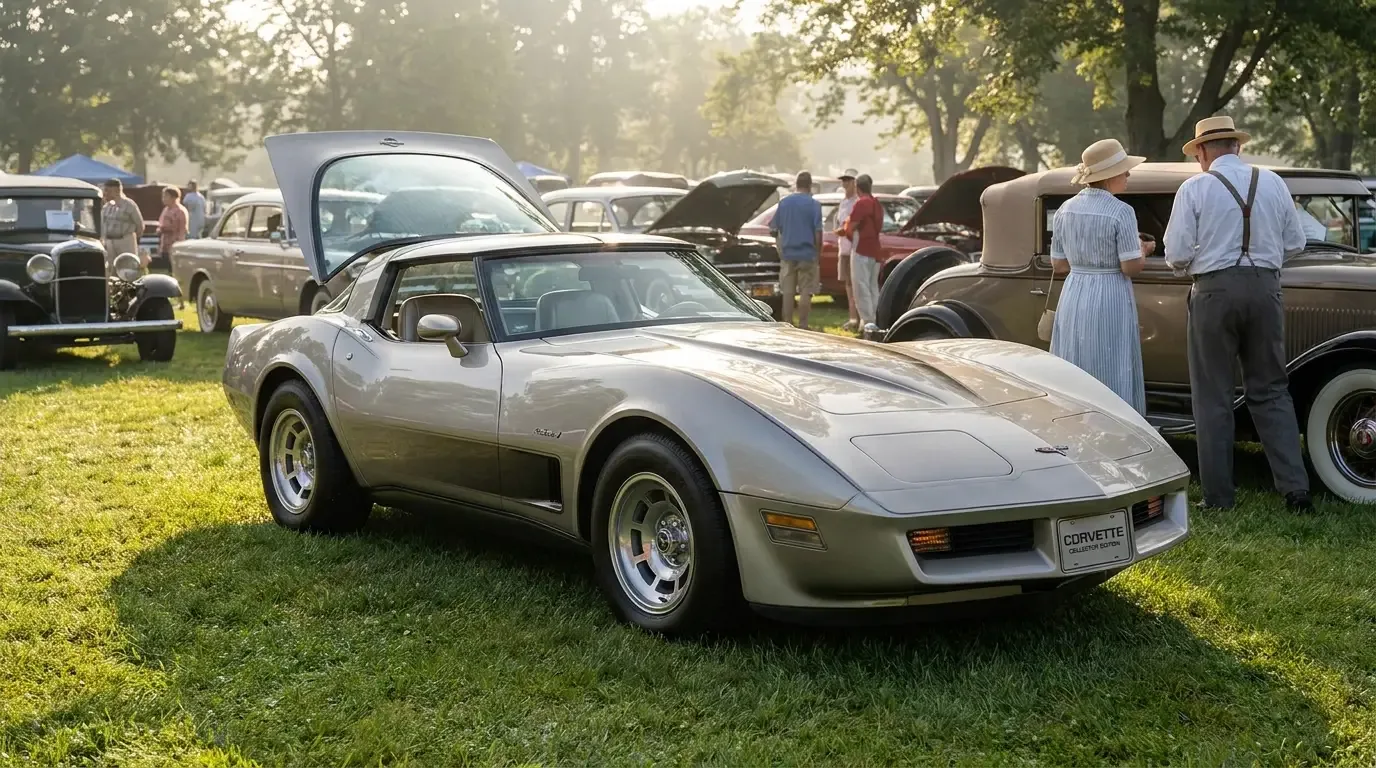
Chevrolet offered the Collector Edition as a separate model package on the 1982 Corvette, not a dealer add-on or a parts-counter accessory group. The distinguishing exterior feature was a hatchback rear glass that opened independently from the lift-off roof panels, giving rear access to the luggage area. No standard 1982 Corvette had this. The glass was hinged and gas-assisted, and it changed the rear profile enough that a Collector Edition is identifiable from a parking lot distance.
The exterior finish was an exclusive Silver Beige Metallic (paint code 59) with graduated shadow-like contrast striping applied to the hood, fenders, and doors. This was not a two-tone finish in the conventional sense; the base color was a single silver-beige hue with the decorative striping providing depth and definition. The wheels were finned turbine-style aluminum with a specific finish, and the car carried "Collector Edition" badging including special cloisonne crossed-flag hood emblems. The seat fabric was silver-beige leather throughout rather than the standard vinyl, and the carpeting ran to a quality level above the base car.
The engine situation, honestly stated
The 1982 Corvette used a 5.7-liter (350 cubic inch) V8 with Cross-Fire Injection, a throttle-body fuel injection system Chevrolet introduced that year. Rated output was 200 horsepower at 4,200 rpm, with 285 lb-ft of torque at 2,800 rpm. That was an improvement over the carbureted engines it replaced but still well below what Corvette buyers had come to expect from earlier generations. The Cross-Fire system paired two throttle bodies on a specific intake manifold and was controlled by early electronic management. It was not TPI, which came later.
The transmission was a four-speed automatic. The manual gearbox had been dropped after 1981, which meant 1982 Corvette buyers had no three-pedal option. This was among the more common criticisms of the final C3 year, and the Collector Edition was no exception. Every one of them left the factory with the automatic.
| Specification | 1982 Collector Edition |
|---|---|
| Engine | 5.7L (350 cu in) V8, Cross-Fire Injection (L83) |
| Rated output | 200 hp @ 4,200 rpm / 285 lb-ft @ 2,800 rpm (SAE net) |
| Transmission | 4-speed automatic (only option) |
| Exterior | Silver Beige Metallic (paint code 59) with graduated contrast striping |
| Rear glass | Opening hatch (unique to Collector Edition) |
| Production total | 6,759 |
| Original base price | $22,537.59 |
| Model/RPO designation | 1YY07 (Collector Edition Hatchback) |
Production numbers and what they mean for buyers
6,759 Collector Editions were built, out of a total 1982 Corvette run of 25,407 cars. That puts the Collector Edition at a meaningful fraction of the year's production, not a low-volume specialty car by any standard. It is not rare in the same way a 1963 split-window coupe is rare. Anyone who tells you otherwise at a car show is telling you something they want to be true.
What the production figure means practically: finding one is not difficult. Finding one that hasn't been driven hard, stored badly, or subjected to decades of deferred maintenance is the actual challenge. The cars are now over forty years old. Most of the ones that survived in good condition did so because someone was paying attention to them.
There are also standard 1982 Corvettes that have been converted to Collector Edition appearance with badges and trim. The opening rear hatch is the reliable tell. If the rear glass does not open independently, it is not a Collector Edition regardless of what the badging says. The VIN will confirm it as well: genuine Collector Editions carry a zero in the sixth digit (model designation 1YY07) as a factory anti-counterfeit measure, and that character cannot be legitimately altered on an original title document.
"The opening rear hatch is the one thing you cannot fake cheaply. Look at the hinge points, the gas strut mounts, and the weatherstripping channel. A converted standard car will show you where the work happened. The factory ones are consistent. The conversions rarely are."
— Tom Ramirez
Where these cars stand in the current market
The 1982 Collector Edition trades as a special-interest car, not a high-dollar investment piece. Driver-quality examples with solid mechanicals and honest cosmetics have sold in the $12,000 to $18,000 range depending on condition and region. Well-preserved original cars with documented low mileage and all-correct details push higher, sometimes into the low-to-mid $20,000 range, but those are the exceptions. Concours-level examples at NCRS events can exceed that figure, but the market for C3 Corvettes at concours condition is specific and not where most buyers are shopping.
The Cross-Fire Injection system is a known pain point. Fuel delivery components from that era are over forty years old, the electronics are early-generation, and finding technicians who work on the system competently takes some effort. Budget for a full service on any example you buy. If the Cross-Fire has been replaced with a carbureted setup, the car's value drops for collectors even if it runs better for a driver.
If you want to see the range of what's currently available, 1982 Corvettes for sale will give you a current picture of asking prices and condition across active listings. Prices on the lower end almost always have a story attached.
The Collector Edition in context: last of the C3
The C3 Corvette ran from 1968 through 1982, a fourteen-year production span that no subsequent Corvette generation has matched. By its final years, the car was carrying emissions equipment, federally mandated bumpers, and catalytic converters on an architecture designed before any of those requirements existed. The result was a car that looked much as it had at the start of the decade but performed considerably differently than the early 1970s versions that collectors prize most.
The Collector Edition was Chevrolet's acknowledgment that the C3 era was closing. For more on corvette special editions, the 1982 is often listed as the car that started the practice of end-of-generation farewell editions, a tradition that continued into subsequent Corvette generations. Whether it deserved the honor at the time was debated. The low horsepower numbers, the absence of a manual transmission, and the high asking price made some buyers skeptical in 1982, and some collectors remain skeptical now.
What it does represent clearly is a time-capsule car. A well-preserved Collector Edition with original Cross-Fire Injection intact and documented history from new is a genuine piece of what Chevrolet was doing at the end of a specific era. That has a collector constituency that is real even if it is not enormous. And the opening rear hatch would go on to define the C4 that replaced it, which gives the 1982 Collector Edition at least one legitimate claim to significance. For what came after, the next chapter in Corvette special editions shows how Chevrolet refined the concept once the C4 platform was established.
Sources and notes
- Corvette Action Center -- 1982 Corvette Production Numbers: confirmed 6,759 Collector Editions, 25,407 total production, and $22,537.59 MSRP
- CorvSport -- 1982 Corvette Options and RPO Codes: confirmed model designation 1YY07 for the Collector Edition Hatchback and 200 hp engine rating
- CorvSport -- 1982 Chevrolet Corvette Collector Edition: confirmed Silver Beige Metallic single-color paint with graduated contrast striping, bronze-tinted T-tops, and frameless lifting rear hatch
- Corvette Action Center -- 1982 Engine Specifications: confirmed L83 Cross-Fire Injection rated at 200 hp at 4,200 rpm and 285 lb-ft torque at 2,800 rpm
- Corvette C3 Decoder -- 1982 VIN Decoder and Colors: confirmed paint code 59 (Silver Beige Metallic) exclusive to Collector Edition, interior code 592, and zero in sixth VIN digit as authentication feature
- Corvette Report -- 1982-1984 Cross-Fire Injection: background on the L83 throttle-body injection system introduced for 1982