Every Corvette that rolled off the St. Louis line carried a build sheet. That document, often tucked behind a seat cushion or taped under the spare tire, listed every Regular Production Option the car was built with. The codes look like noise to an outsider: L88, ZL1, ZR1, C2J, A85. To anyone who has spent time with factory records, they are a complete vocabulary for understanding exactly what a car was and was not when it left the factory. That vocabulary is what makes Corvette special editions so trackable, and so collectible, decades later.
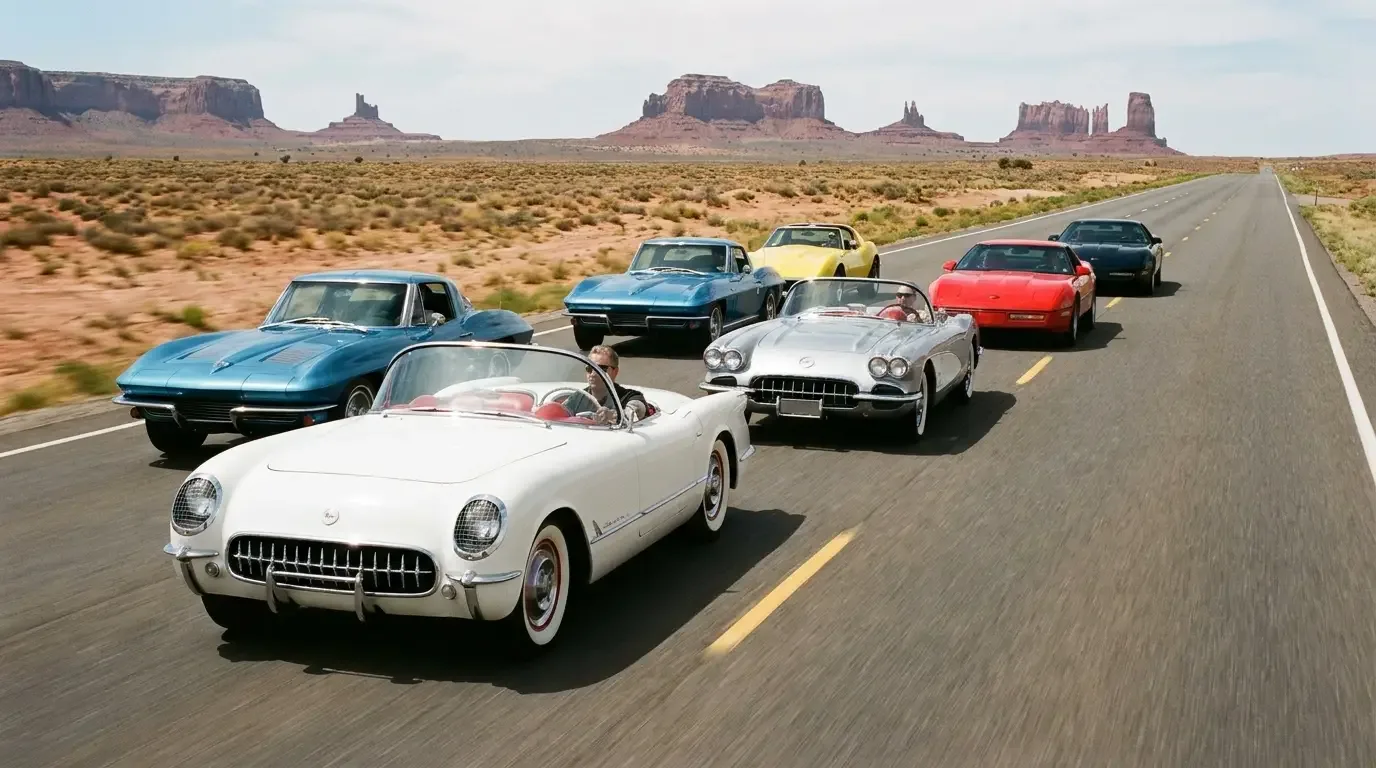
To understand the Corvette's evolution is to understand that from the beginning, Chevrolet gave buyers an unusually granular set of choices. Not just color and transmission. Engines, suspension packages, racing equipment. The RPO (Regular Production Option) system let Chevrolet build essentially purpose-specific cars within the normal production framework. The result is that some of the most significant Corvettes ever built look, from the outside, like any other one on the lot.
What RPO codes are and why they matter
RPO stands for Regular Production Option. It is Chevrolet's internal ordering system, and it predates the Corvette itself. Each RPO code represents a specific option, package, or component that a dealer could order from the factory. Some codes were simple: a radio, a color, a luggage rack. Others were transformative: an engine swap that changed everything about how the car behaved.
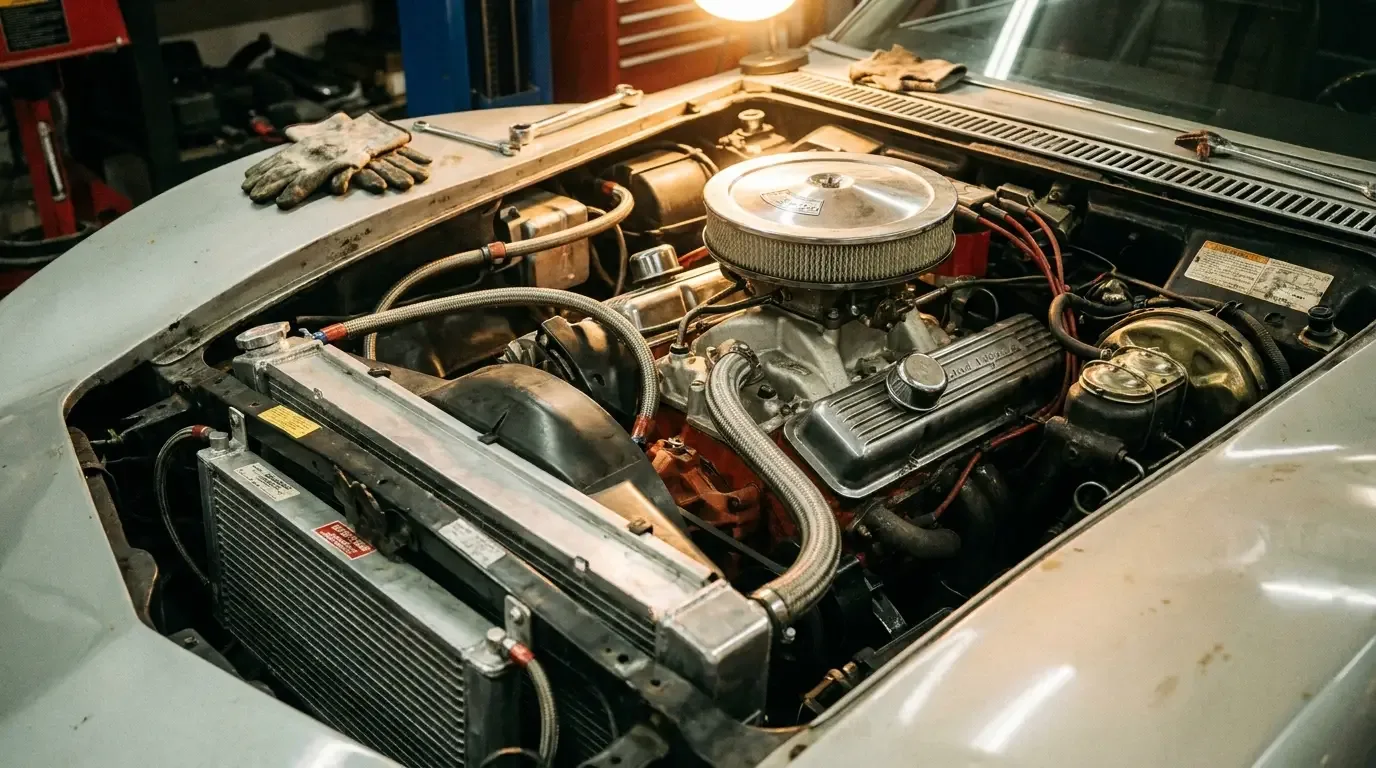
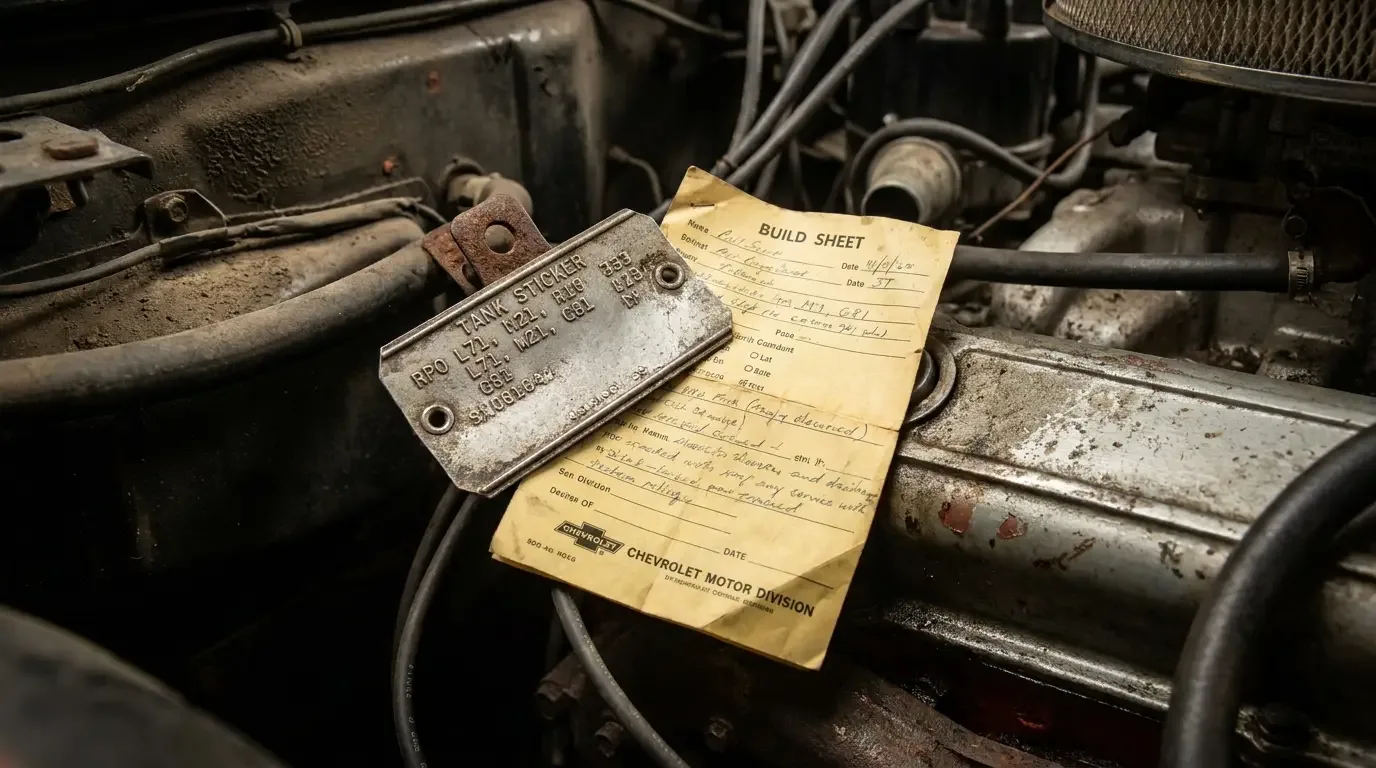
The code survives on several documents. The build sheet, also called the Protect-O-Plate or tank sticker depending on the era, is the primary factory record. The tank sticker, affixed inside the engine compartment (often to the radiator support or inner fender), lists the car's options in code form. The Protect-O-Plate, used in the 1960s and into the 1970s, was a metal card that doubled as a warranty record. Both documents have been studied, cross-referenced, and catalogued by organizations like the National Corvette Restorers Society (NCRS) for decades.
A Corvette with its original tank sticker and matching-numbers drivetrain is a verifiable object. A Corvette without either is a conversation. That gap in verifiability is exactly why documentation drives premiums, and why knowing the codes matters before writing any check.
| RPO Code | Description | Year(s) Available | Approx. Units Built |
|---|---|---|---|
| L88 | 427 cu in racing V8 (~430 hp rated, actual output significantly higher) | 1967-1969 | ~216 total across all three years |
| ZL1 | 427 cu in all-aluminum racing V8 (~430 hp rated) | 1969 only | 2 known examples |
| ZR1 (C3) | LT1 350 + M22 close-ratio + J56 heavy-duty brakes + special suspension | 1970-1972 | ~53 total across three years |
| ZR-1 (C4) | LT5 5.7L DOHC V8, 375 hp (1990-1992), later 405 hp | 1990-1995 | ~6,939 total |
| RPO Z78 | 1978 Pace Car Replica package | 1978 | ~6,502 |
| Collector Edition | 1982 Collector Edition package | 1982 | ~6,759 |
| RPO Z16 | 1996 Grand Sport package | 1996 | ~1,000 |
The L88 and ZL1: when Chevrolet built race cars with VINs
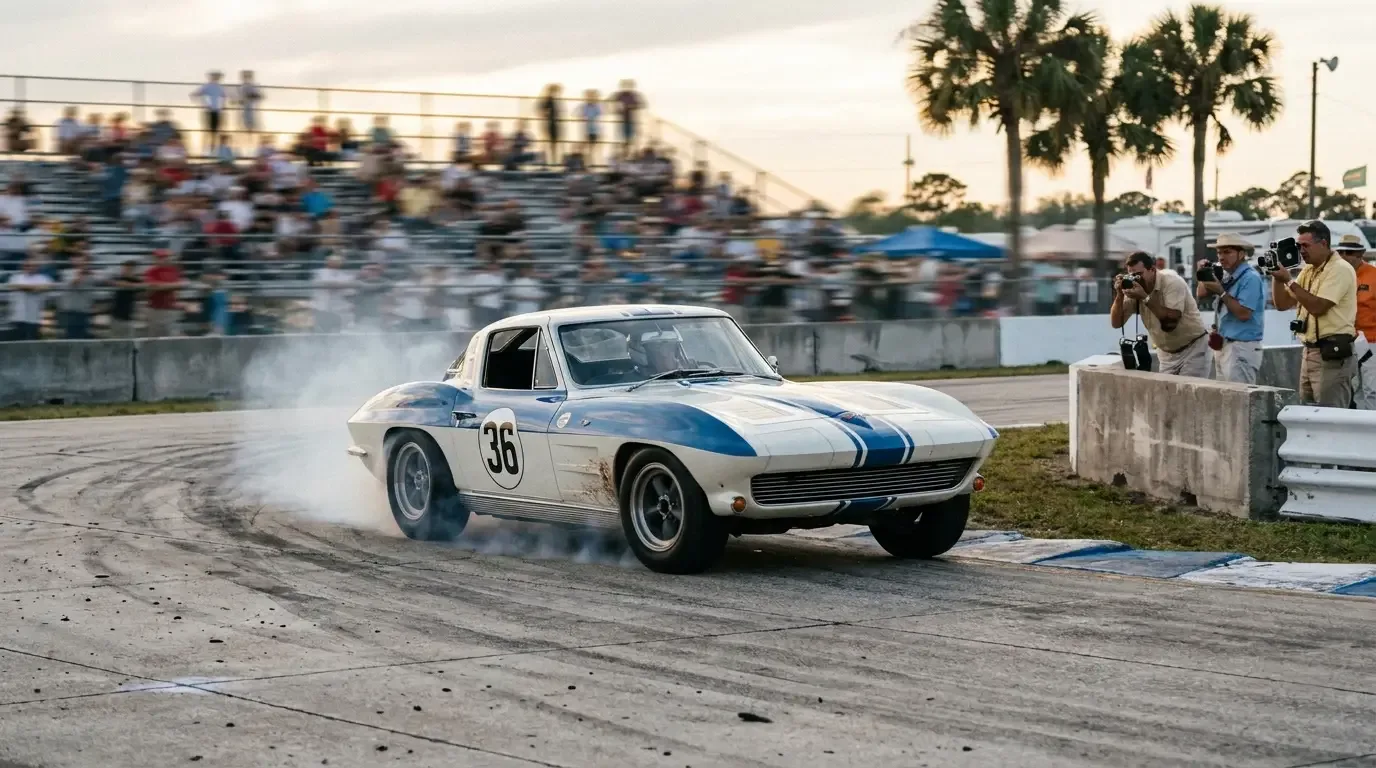
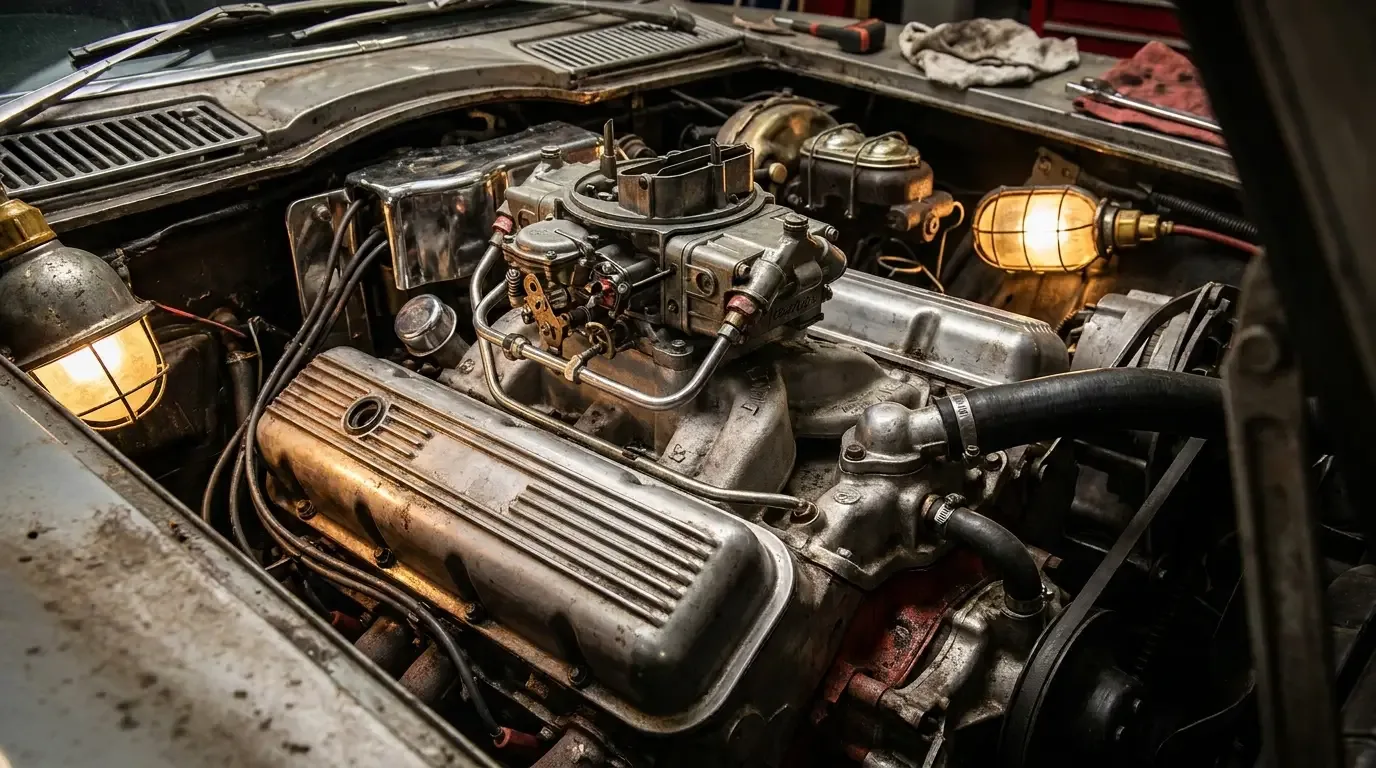
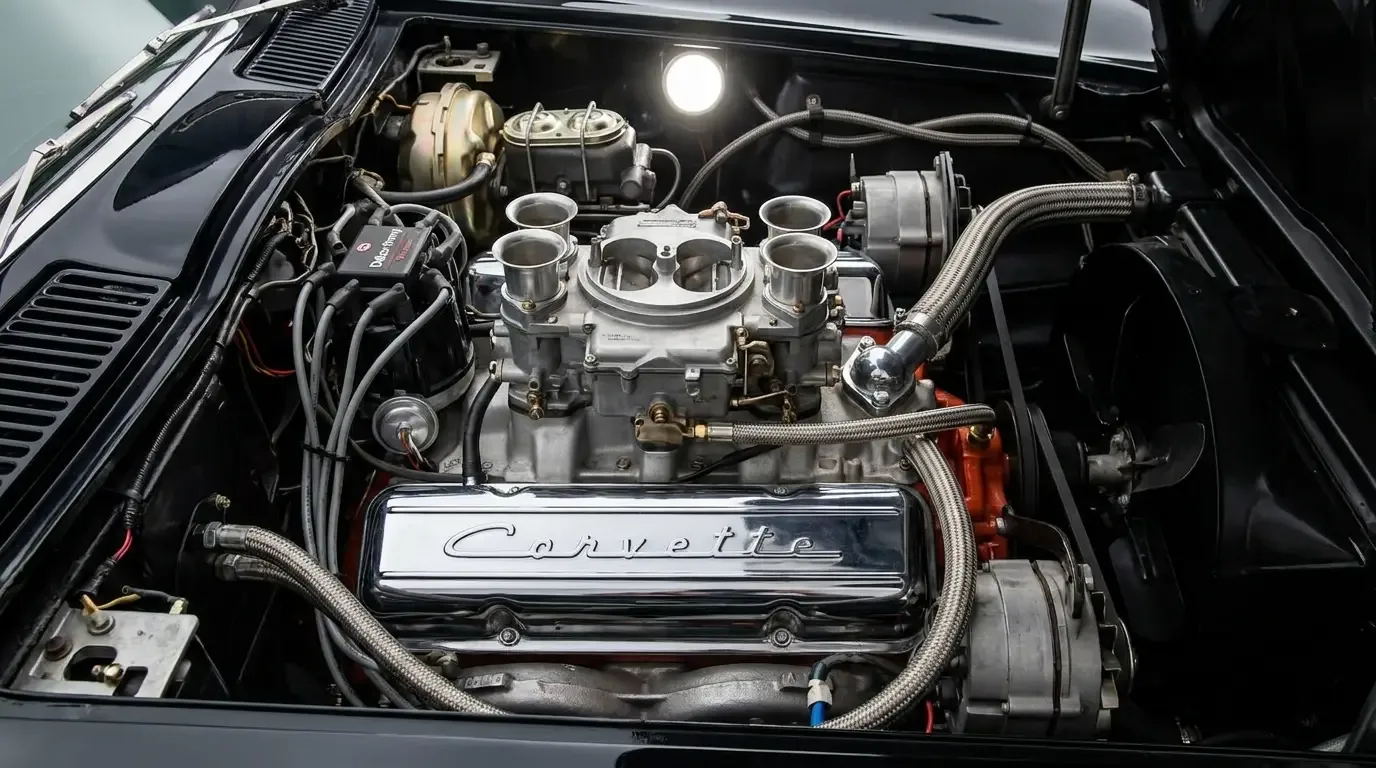
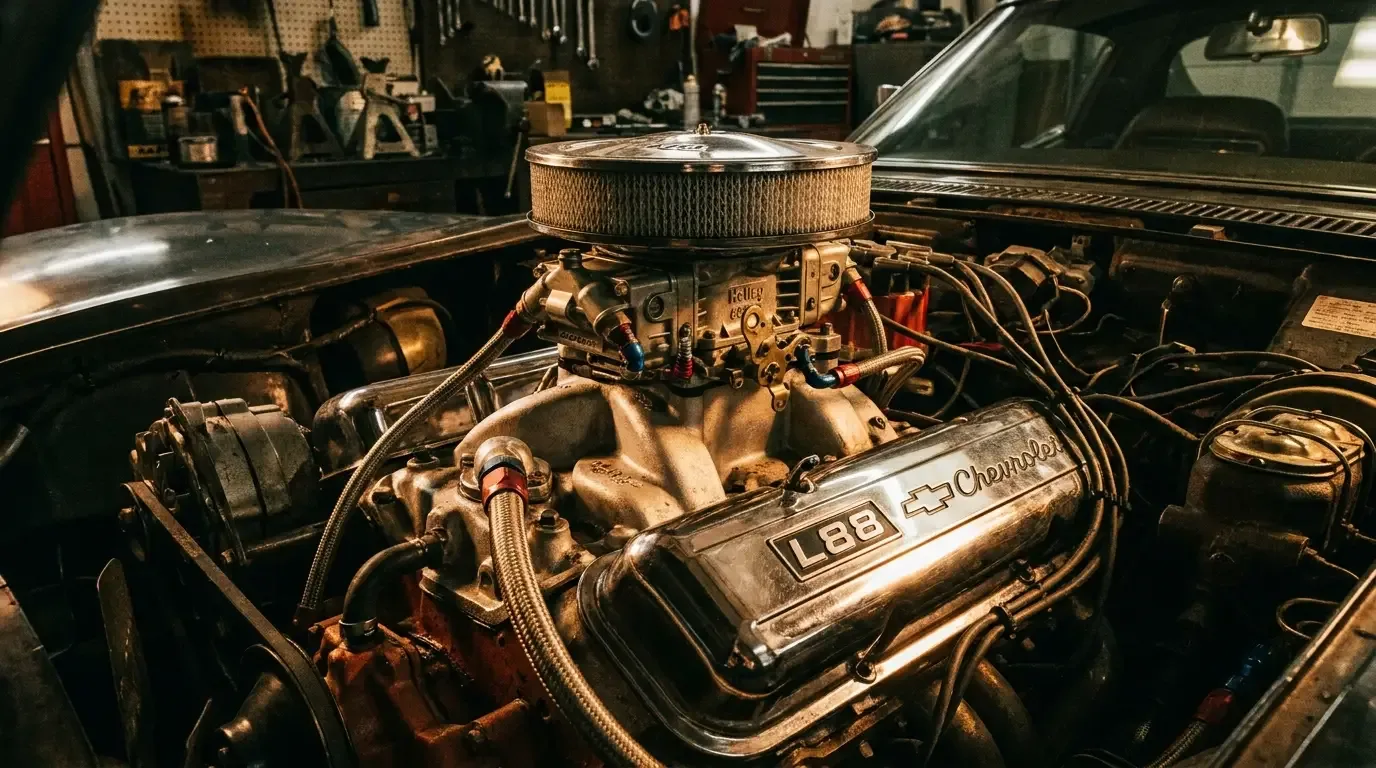
The L88 arrived in 1967 as the most honest performance option Chevrolet had ever catalogued. It was a 427 cubic inch engine rated at 430 horsepower, a number that everyone involved understood was fictional. The actual output was substantially higher -- dyno testing has consistently shown factory-spec L88 engines producing well over 500 horsepower -- but federal reporting rules and insurance markets made low official ratings convenient. Chevrolet also required L88 buyers to delete the heater, radio, and comfort equipment. The car was not designed for the road. It was designed for Le Mans and Daytona, which is precisely where L88 Corvettes went.
Only around 20 L88 Corvettes were built for 1967, with 80 in 1968 and 116 in 1969. Across all three years, total production was 216 cars, though the exact count is debated in the registry community because documentation gaps exist on a handful of examples. What is not debated is what they are worth now: documented L88 examples have sold at major auctions for well into the seven-figure range, and the market for them is essentially frozen because nobody who has one is selling.
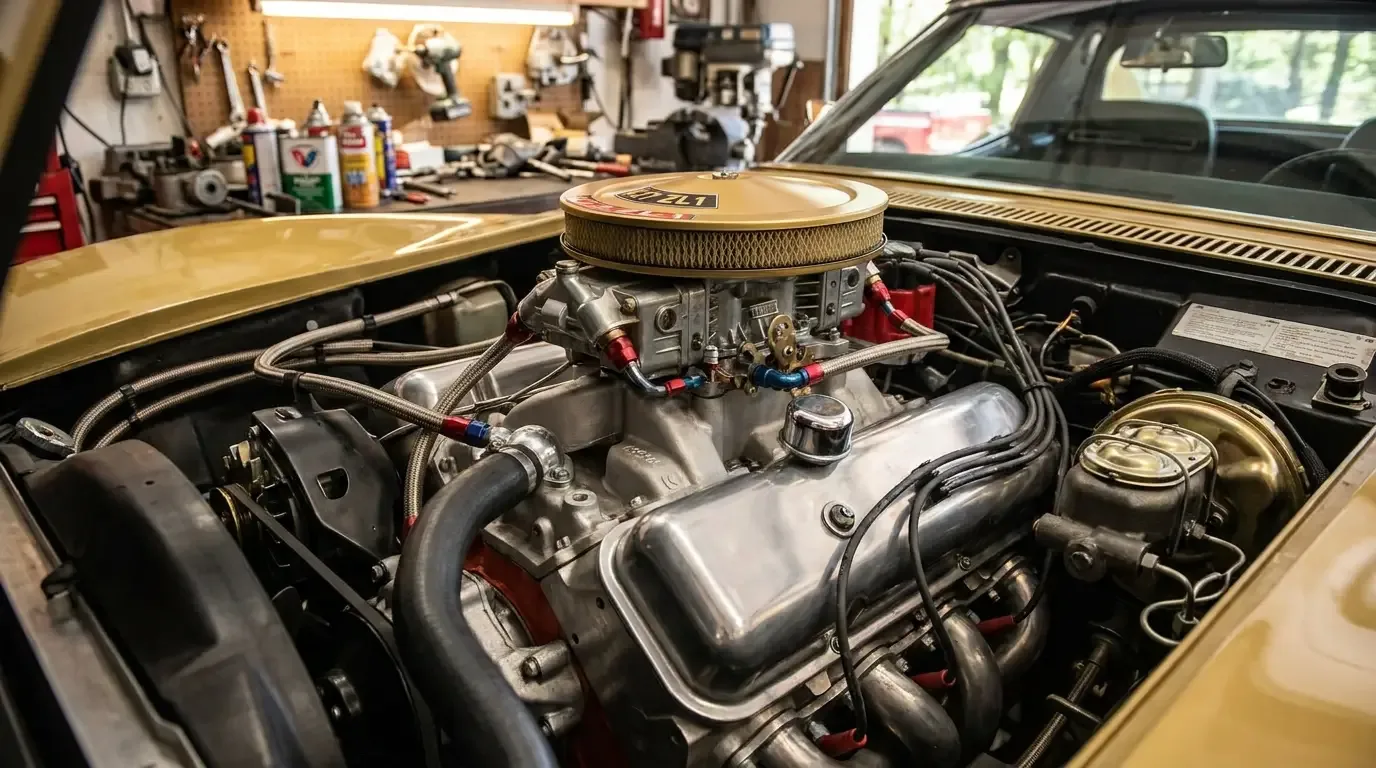
The ZL1 is rarer still. Where the L88 used a cast-iron block, the ZL1 used an all-aluminum 427 that had been developed for Can-Am racing. Only two ZL1 Corvettes are known to exist. The story of how they were ordered and who paid for them is complicated, involving a dealer back-channel that has been documented in the registry literature. The price of a ZL1 Corvette is academic for most collectors because the supply is essentially zero.
The C3 ZR1 (1970-1972): the quiet package
The 1970 ZR1 is a different animal from the later car that borrowed its name. This ZR1 was an RPO package, not a separate model. Ordering it meant getting the LT1 solid-lifter 350 cubic inch engine paired with a close-ratio four-speed transmission (the M22 Rock Crusher), heavy-duty power brakes (J56), and a specific suspension setup. Air conditioning was not available. The automatic transmission was not available. The package was designed around track use.
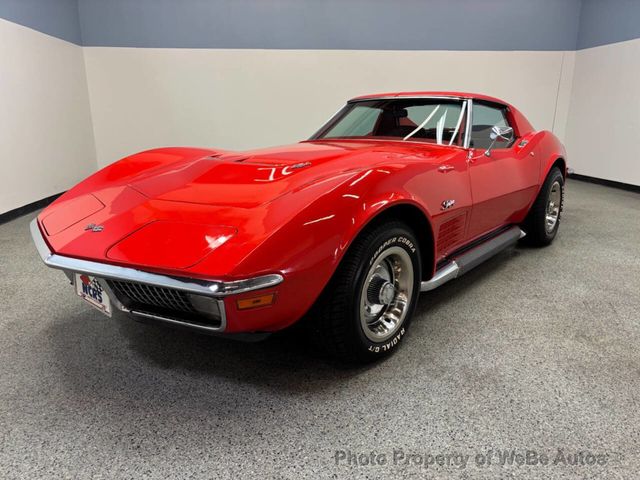
Production for 1970 was 25 cars. The 1971 run dropped to just 8 examples; 1972 saw 20 built. The total across all three years is 53. That makes the C3 ZR1 one of the rarest production Corvettes built, but it is a car that requires explanation because it looks identical to any other 1970-1972 Corvette from the outside. The codes on the tank sticker are the only factory record of what it is.
"The tank sticker matters more on a C3 ZR1 than almost any other Corvette. There is no external difference, no badge, nothing. The car is what the paperwork says it is. I have seen restored cars that were represented as ZR1s where the sticker told a different story. Buy the documentation first."
— Tom Ramirez
Pace car editions and anniversary packages
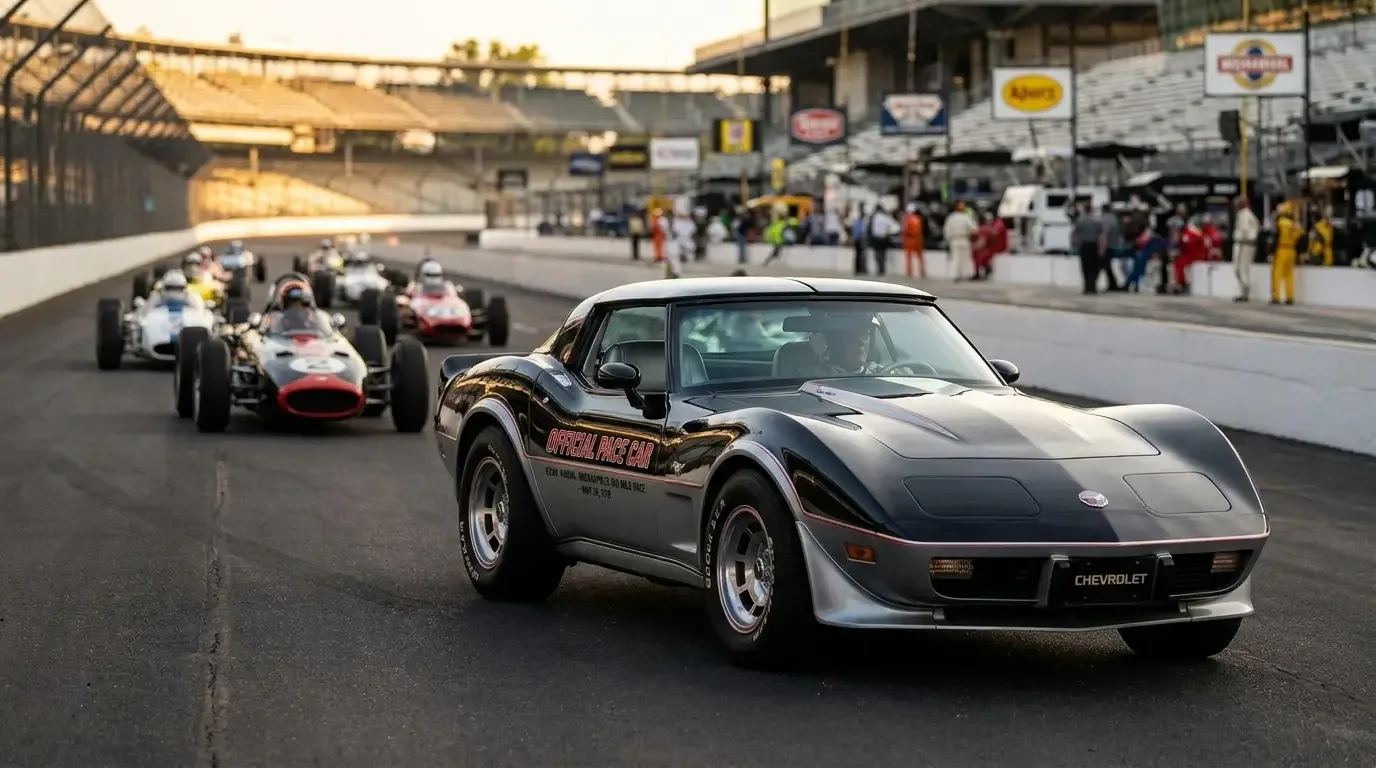
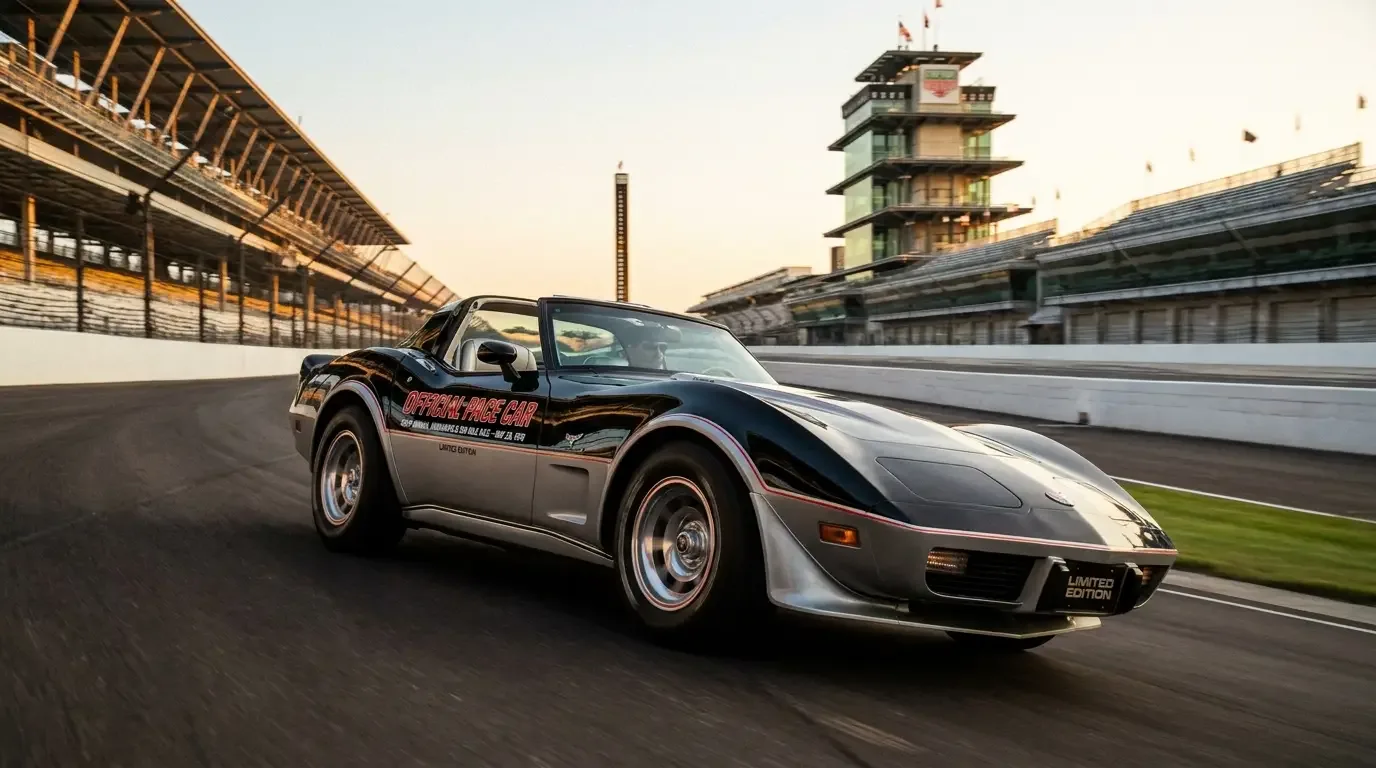
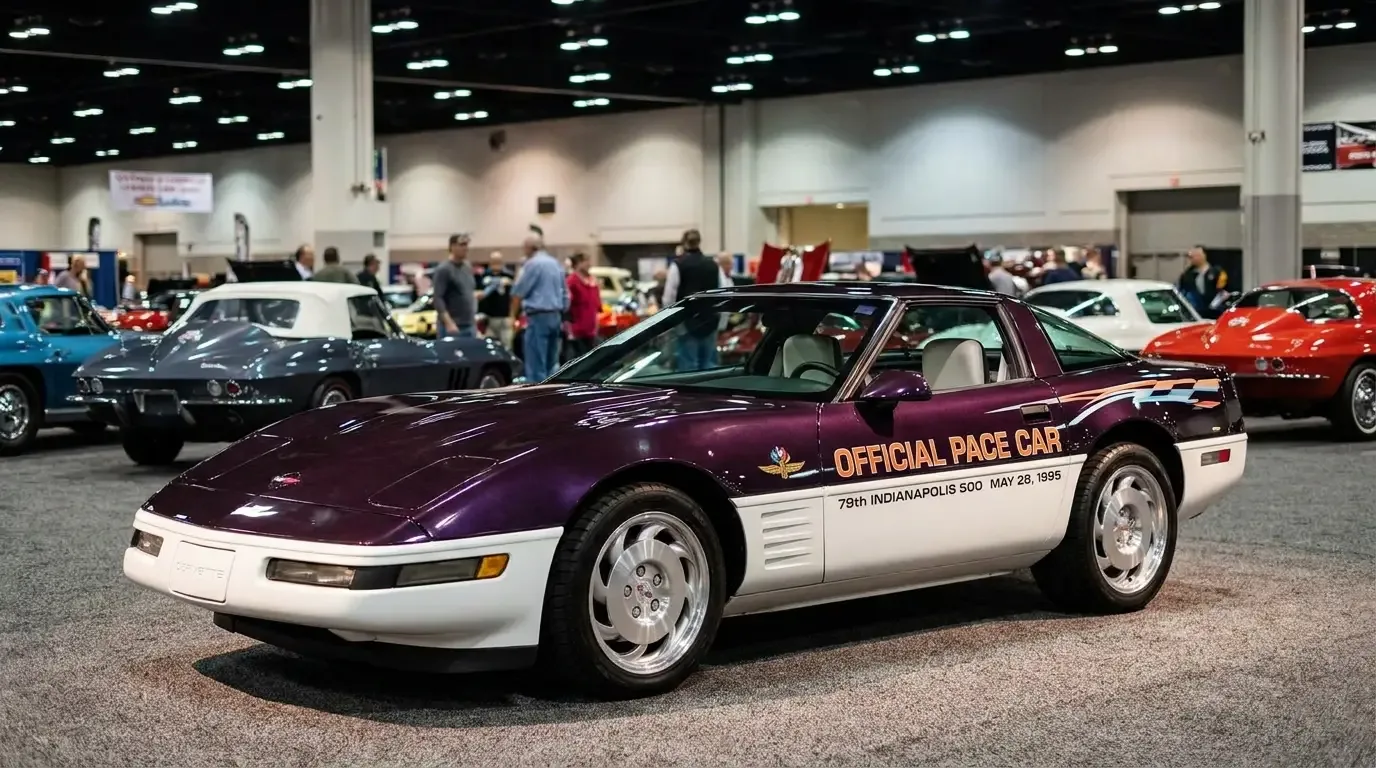
The 1978 Indianapolis 500 Pace Car Replica is the edition that introduced a new kind of Corvette special: not a race homologation car, but a commemorative one. Chevrolet built around 6,502 of them under RPO Z78, which was far more than any pace car replica program before it. The intent was to make the car broadly available. The result, initially, was dealers marking them up well above sticker, sometimes dramatically. That markup frenzy settled, and today a 1978 Pace Car in documented condition trades in a reasonable range for its era, without the hysteria of the original sale.
The same year produced the Silver Anniversary Edition, a separate package available on the standard coupe. The 25th anniversary cars came in a two-tone silver-over-charcoal gray paint scheme with cast aluminum wheels. Neither the Pace Car nor the Anniversary Edition carried performance upgrades. They were trim packages. The collector appeal is historical, not mechanical.
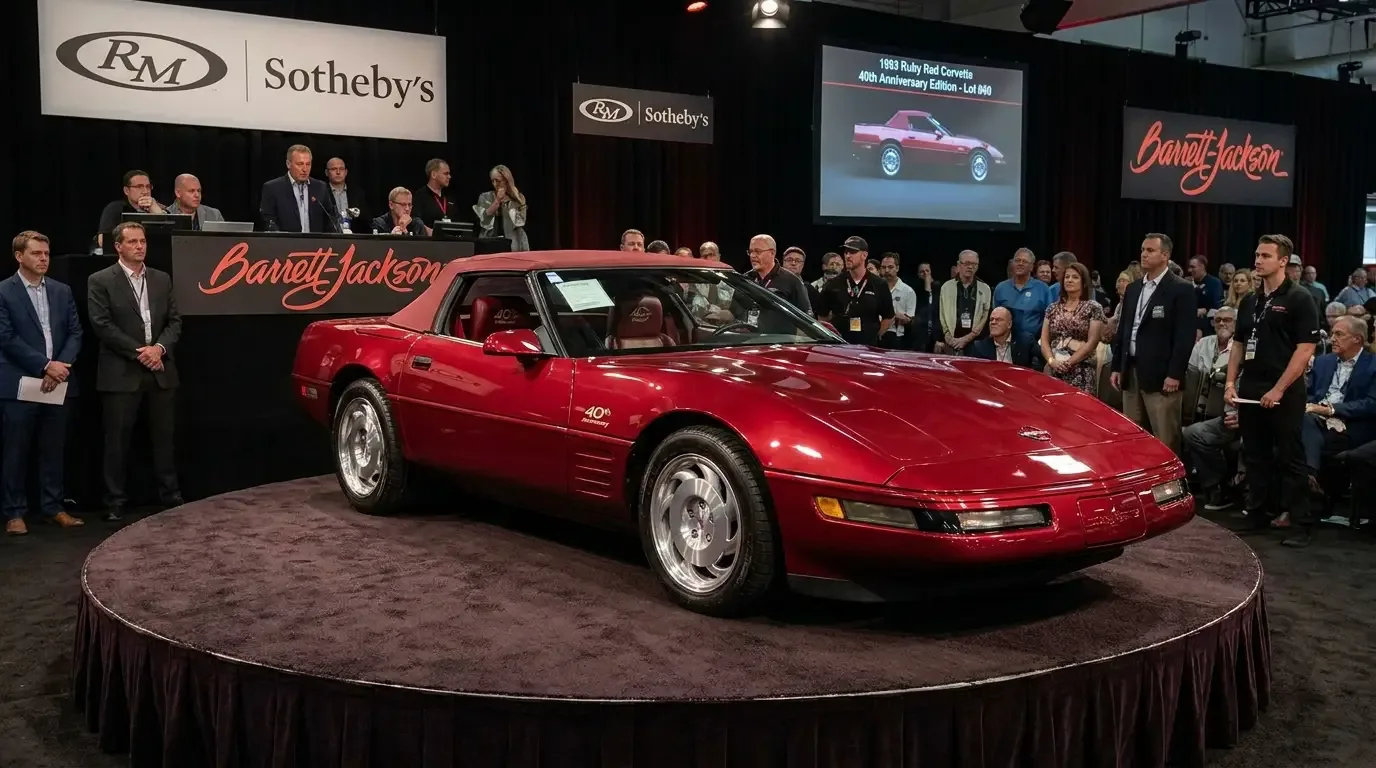
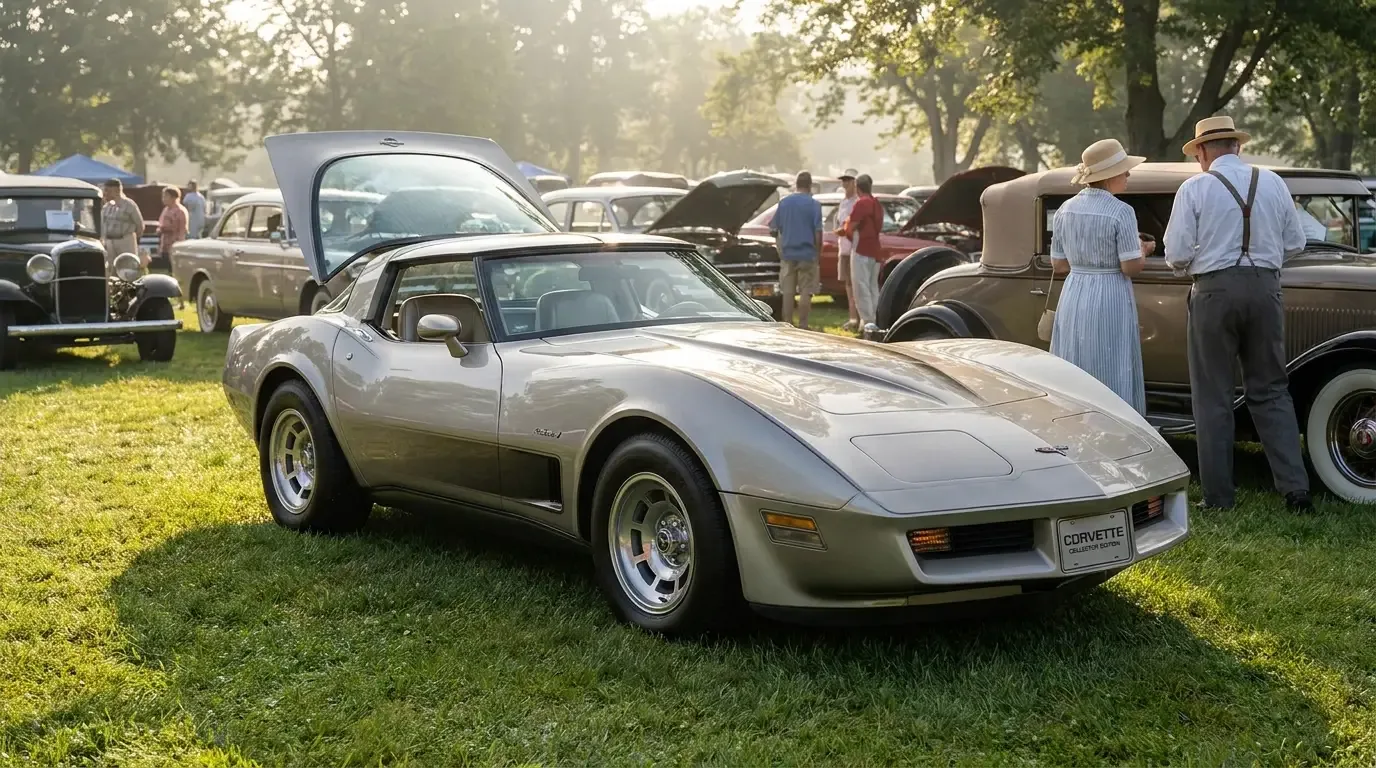
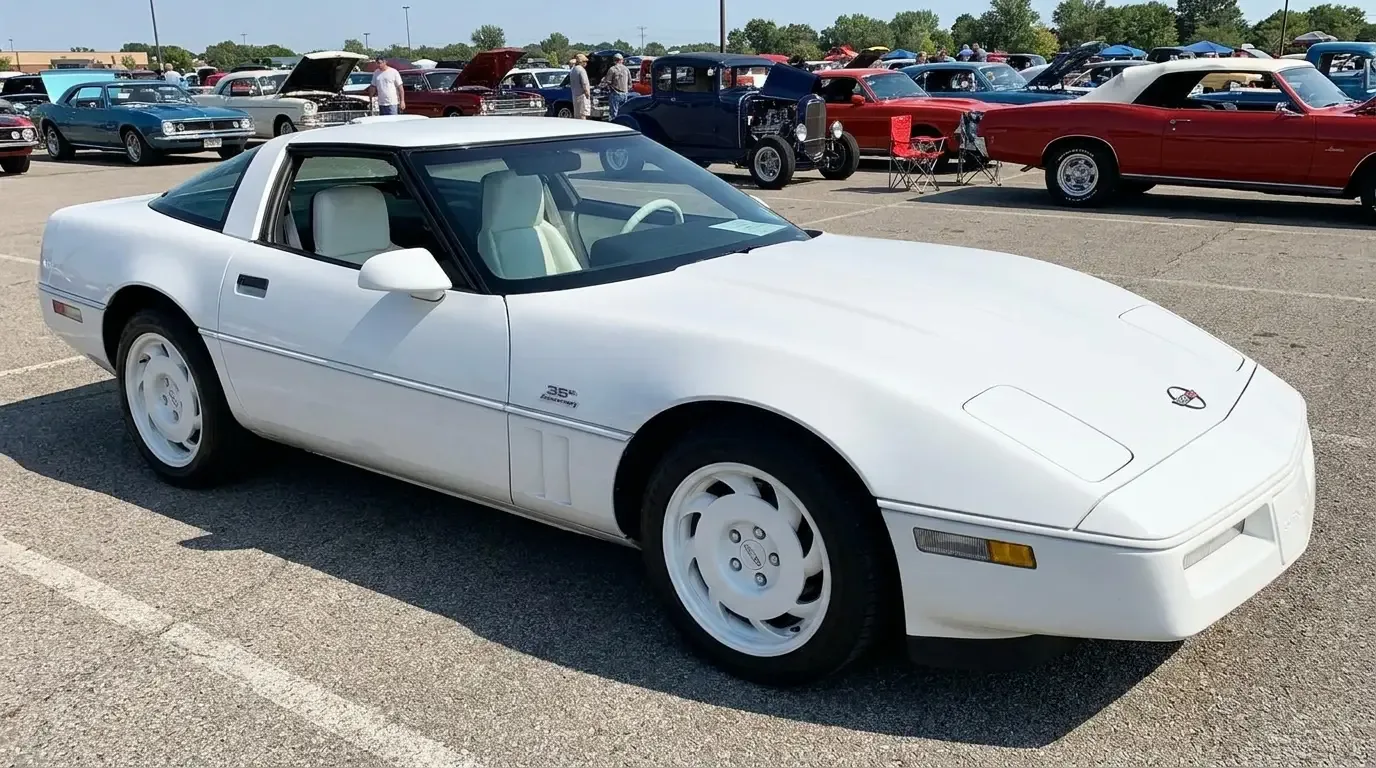
The 1982 Collector Edition was more meaningful. It was the last C3, a generation that had run from 1968 to 1982, and Chevrolet marked the occasion with a distinctive silver-beige graduated paint, cloisonne emblems, and for the first time, a glass hatch roof that opened like a hatchback rather than using lift-off panels. Around 6,759 were built. It was also the first Corvette to carry a price over $20,000 from the factory, listing at $22,537.59, which generated headlines at the time. The 1988 35th Anniversary Edition followed a similar logic: a commemorative triple-white package available on the coupe, with 2,050 examples built.
The C4 ZR-1 and the LT5 engine
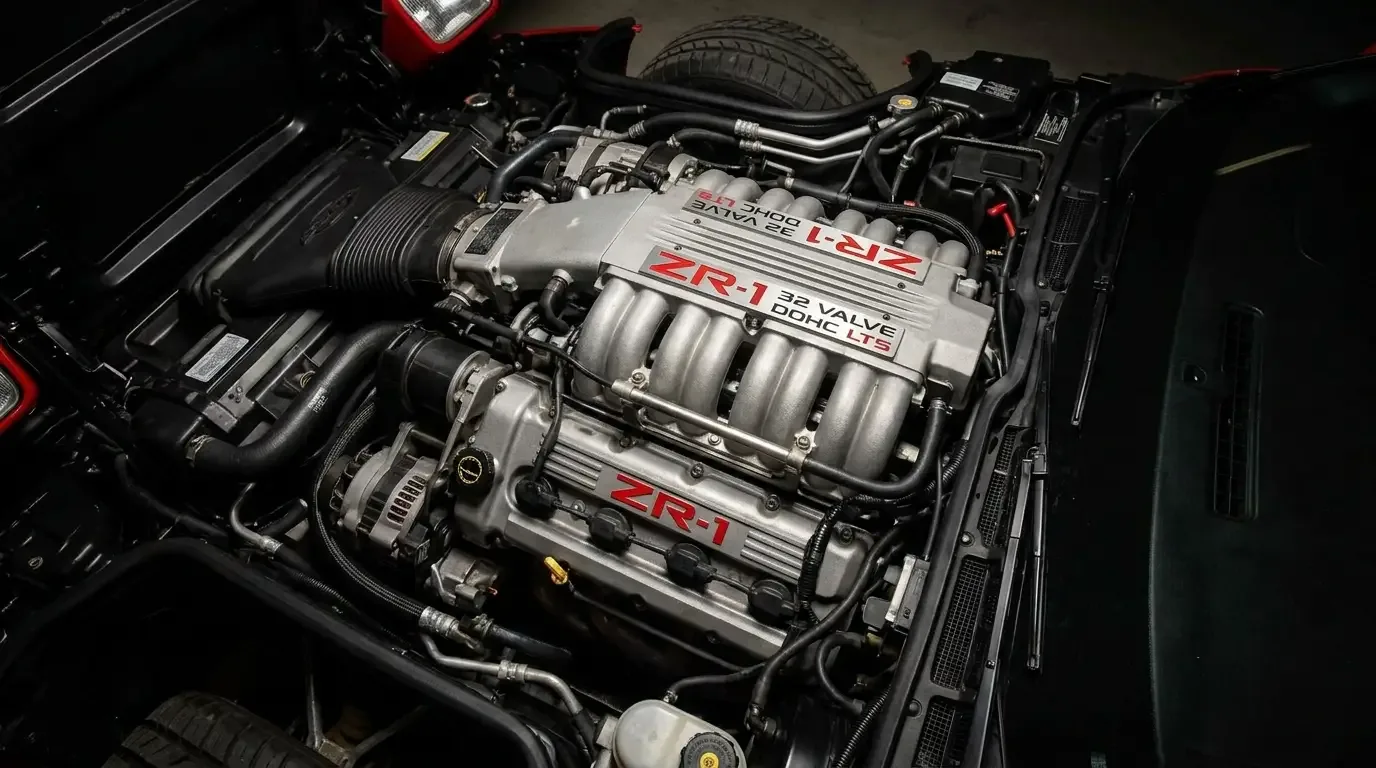
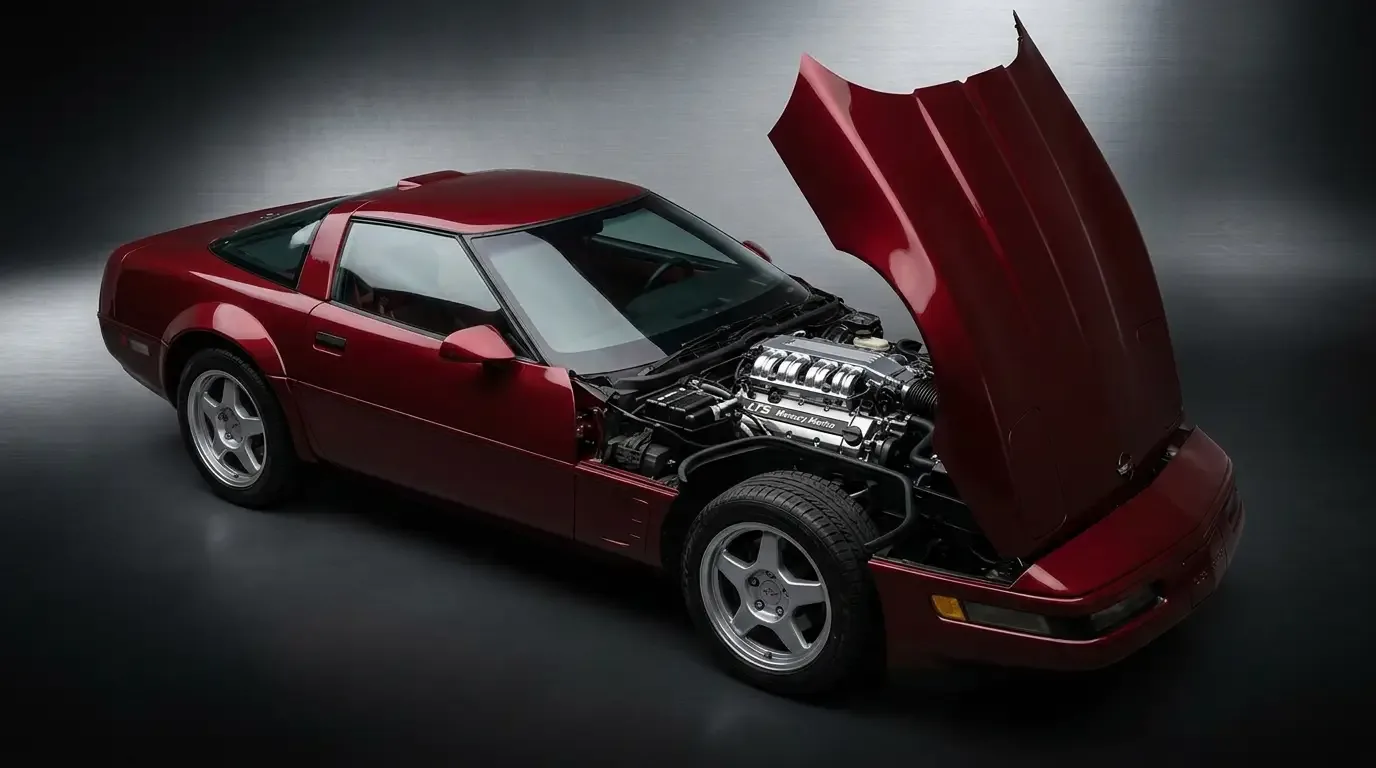
The 1990 ZR-1 deserves separate treatment because it was a fundamentally different engineering exercise from any special edition before it. Chevrolet partnered with Lotus Engineering (then a GM subsidiary) and Mercury Marine to develop the LT5, a 5.7-liter dual-overhead-cam V8 that had nothing in common with the small-block Chevrolet family. Lotus designed the engine architecture; Mercury Marine assembled each unit at its Stillwater, Oklahoma facility, where the tight tolerances and low production volume required hand-assembly expertise. The 1990-1992 version produced 375 horsepower. Later versions, from 1993 onward, were rated at 405 horsepower after a refinement program expanded the engine's breathing.
The ZR-1 was visually distinguishable from standard C4 coupes by its wider rear bodywork, which accommodated wider rear wheels and tires. The convex rear fascia is the tell. Inside, everything was otherwise similar to the standard coupe, which disappointed some buyers who expected more differentiation for the substantial price premium. The ZR-1 carried a sticker price roughly double the base Corvette, which was around $32,000 at the time, making the ZR-1 the most expensive American production car of its era.
Approximately 6,939 ZR-1s were built across the 1990-1995 production run. The car ended not because the market rejected it but because the development costs had been amortized and the engine program was not being carried forward into the C5. Today, ZR-1 values sit in a range that reflects their history: collectible, but not yet stratospheric, and dependent heavily on mileage and condition. Low-mileage examples from the first two years command premiums. High-mileage examples are priced more like the used sports cars they are.
The 1996 Grand Sport and Callaway twin-turbo
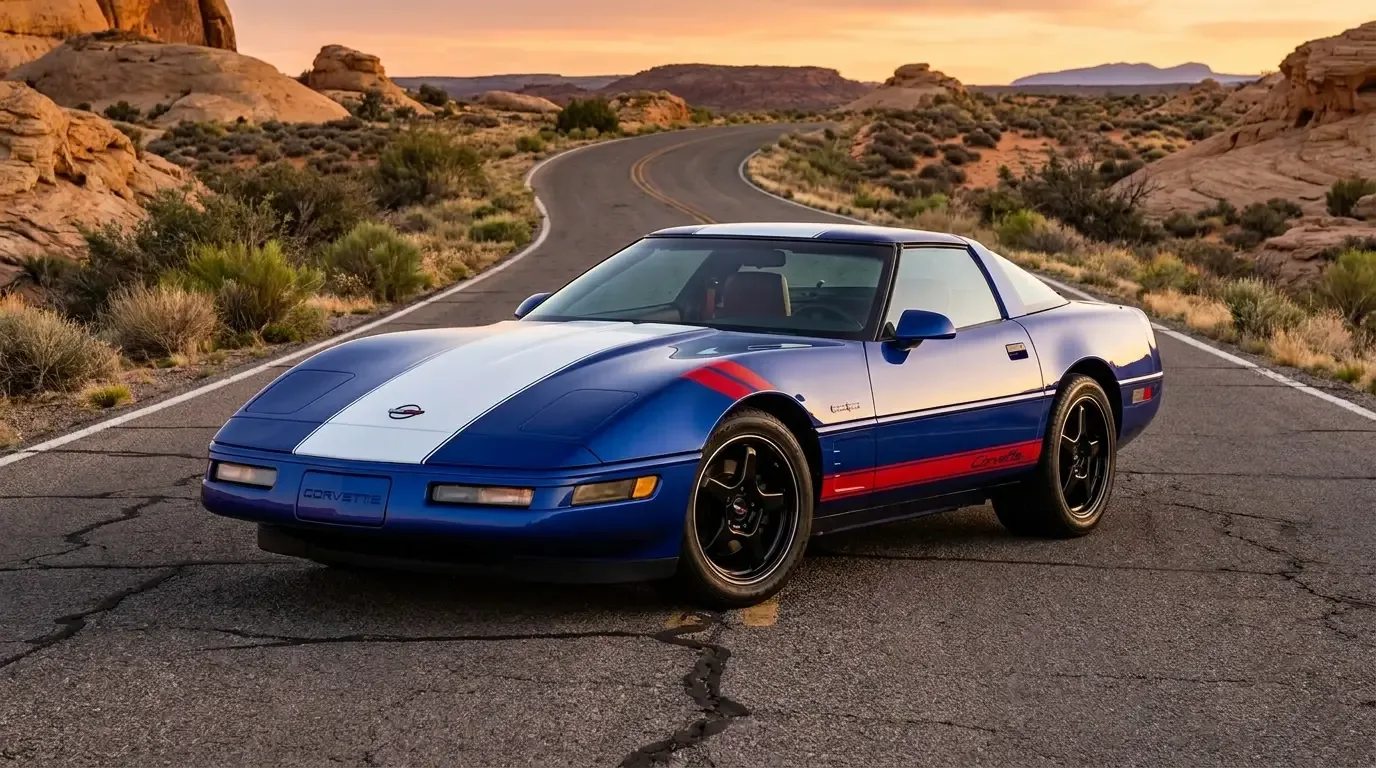
The 1996 Grand Sport was the last special edition of the C4 generation, and it was produced in limited numbers deliberately to create scarcity: 1,000 units in coupe (810) and convertible (190) configurations under RPO Z16. The package used the LT4 engine (330 hp), a specific Admiral Blue exterior with white racing stripe and red hash marks on the left front fender, and specific wheel and brake upgrades. The design referenced the 1963 Grand Sport racing Corvettes, five special racers built by Zora Arkus-Duntov's team under difficult circumstances, and that connection to a legitimate racing lineage has kept the 1996 edition from feeling like a simple appearance package.
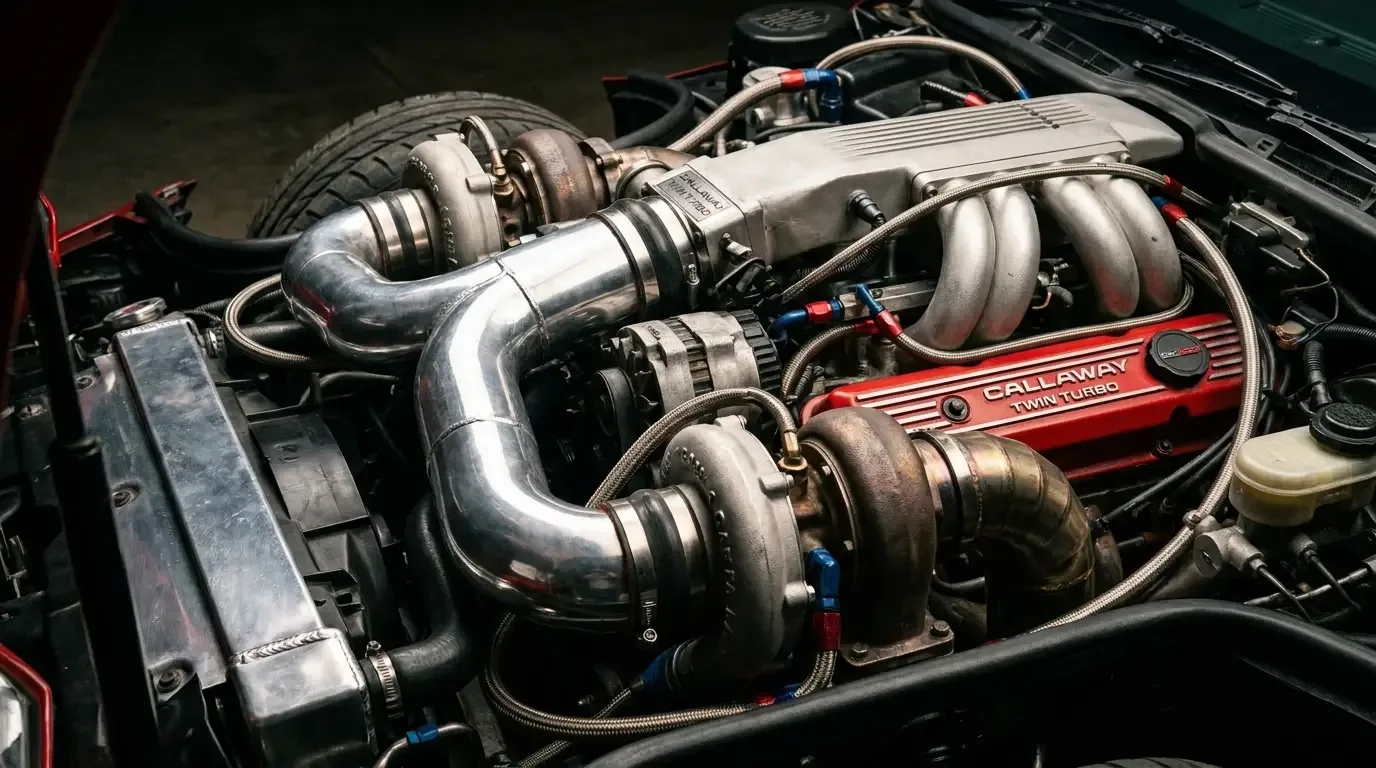
The Callaway twin-turbo is a different category entirely. Beginning in 1987, Reeves Callaway's Connecticut shop built twin-turbocharged Corvettes that were ordered through Chevrolet dealers as RPO B2K. The arrangement meant a buyer could order the Callaway package through a dealer, take delivery of a standard Corvette, and the car would be shipped to Callaway's facility for conversion. The finished car carried full warranty coverage. Output on the 1987 twin-turbo cars was 345 horsepower, rising in later versions. Callaway later built the Sledgehammer, a modified B2K car that recorded 254.76 mph in 1988, a number that generated significant press coverage and remains attached to the car's reputation.
The B2K cars are documented through the RPO system, which means a build sheet confirms the factory knew the car was going to Callaway. That documentation trail is cleaner than most aftermarket modifications, and it has kept the Callaway cars in their own valuation category. If you are looking at the rarest Corvettes, the documented Callaway B2K examples sit alongside factory special editions in both rarity and collector interest.
Reading a build sheet: practical steps
The build sheet is a factory production record, not a marketing document. It is formatted for assembly line workers, not buyers, which means the layout is not intuitive on first reading. On C2 and early C3 cars (roughly 1963-1972), the sheet lists options in a grid format. Later cars use a different layout. Learning to decode the sheet is not complicated, but it requires a reference guide specific to the model year, because option codes changed.
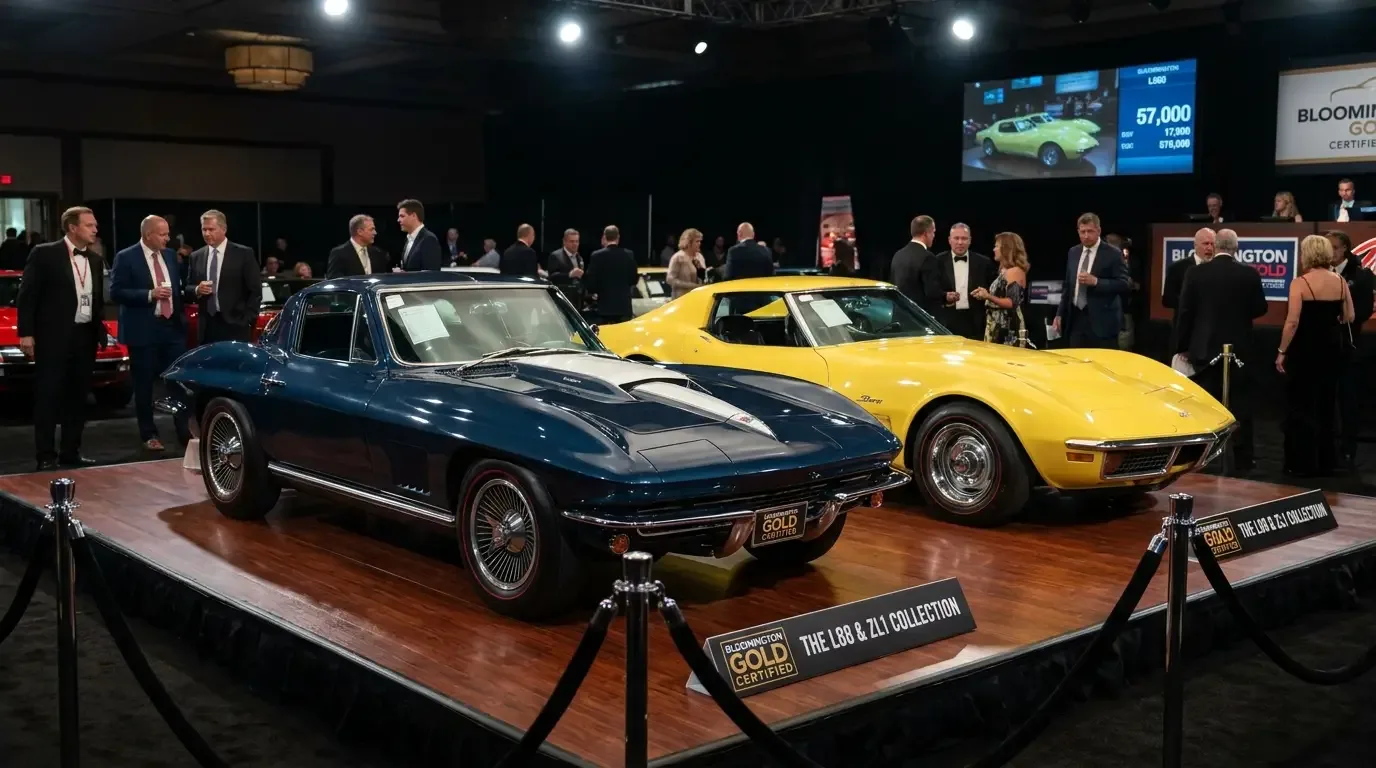
Several sources have published decode guides for each generation. The NCRS produces detailed documentation for its judging process. Bloomington Gold certification has its own requirements. Both organizations have judges who evaluate cars at shows, and both maintain networks of people who can review a car's documentation before purchase. For anyone buying a car priced above $30,000, the cost of having a registry judge evaluate the documentation before the sale is trivial relative to the downside of discovering problems afterward.
The build sheet matters most when numbers are at stake. A correctly documented L88 is worth multiples of an undocumented car claimed to be an L88. A 1996 Grand Sport with its window sticker, build sheet, and Protect-O-Plate in the glovebox tells a complete story. Without those documents, the seller is asking you to trust their research rather than the factory's records. That is a different transaction.
If you are ready to look at examples with verified documentation, browsing classic Corvette for sale is the starting point. The special editions come up with some regularity, and build-sheet-documented examples are worth identifying early in any search.
Sources and notes
- TheL88Corvette.com: L88 production numbers by year (20/80/116) and racing history
- Hagerty Media: 1969 ZL1 Corvette -- two known examples, valuation and history
- Vette-Vues: C3 ZR1 history -- production breakdown 25/8/20 by year, 53 total
- Corvette Action Center: C4 ZR-1 production numbers 1990-1995 (6,939 total) and LT5 specs
- Corvette Action Center: 1996 Grand Sport specifications -- RPO Z16, 810 coupes, 190 convertibles, LT4 330 hp
- IMSA: Callaway Sledgehammer 254.76 mph run, B2K history and documentation