The Corvette's optional package list reads like a factory menu of ambition. From the earliest years, Chevrolet understood that not every buyer wanted the same car, and so they built a system where a single base model could be ordered in ways that made it virtually unrecognizable from the one parked next to it on the showroom floor. Packages and RPO codes defined the machine, documented the history, and today determine the value.
Understanding which packages mattered, which were genuinely transformative, and which were mostly marketing takes some work with the factory records. For background on how the Corvette became the car that could carry all these options, the story of America's sports car is worth reading first.
What made a Corvette package iconic
The word "package" gets used loosely. In Corvette history, some RPO codes bundled mechanical hardware that changed what the car could do. Others were appearance groupings with limited functional impact. A few were so rare or so capable that they became defining chapters in the model's story. The ones covered here fall into that last category: they changed what the Corvette was, not just how it looked.
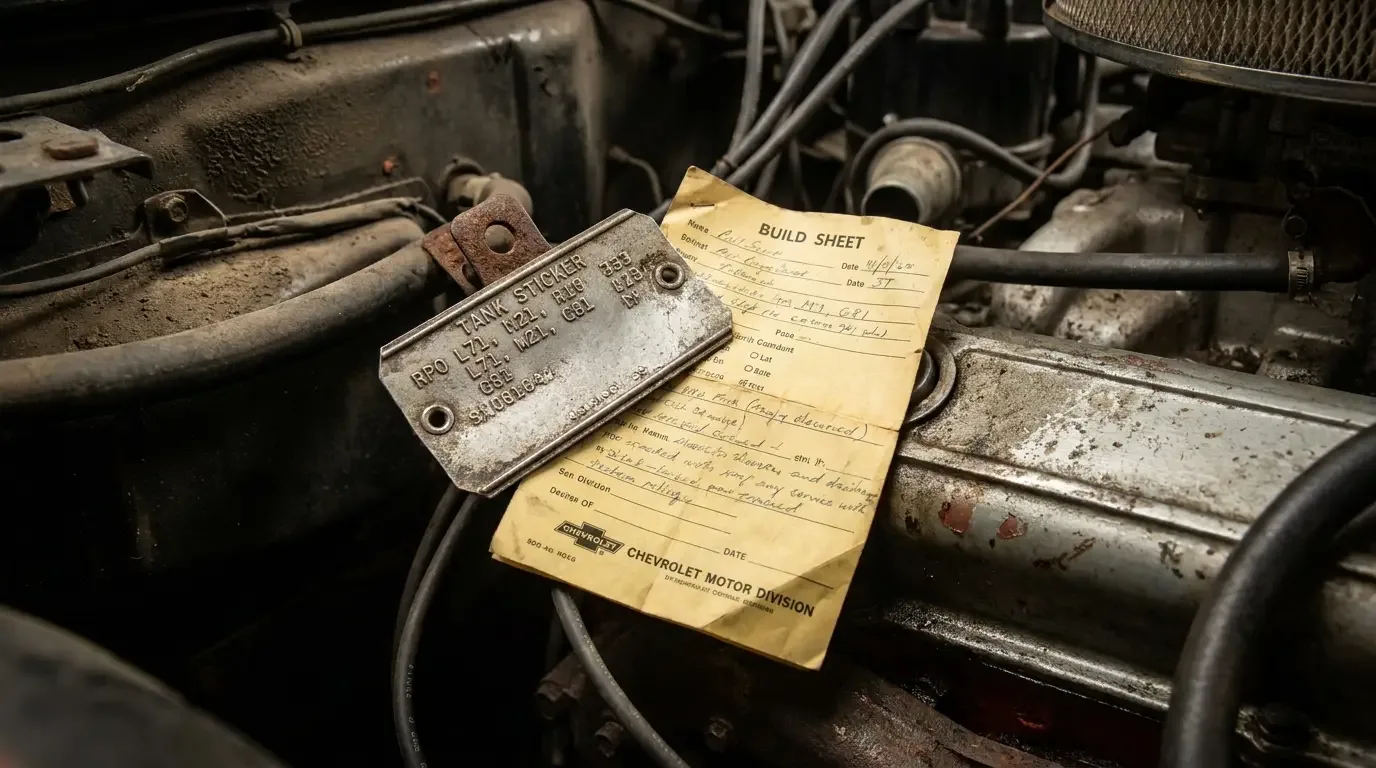
Production documentation is the starting point for any serious evaluation. A tank sticker, a build sheet, or NCRS-authenticated documentation tells you what actually left the factory. Without that, you're working from assumptions. The codes that follow all appear in factory records and are verifiable, though production numbers for the rarest examples are sometimes disputed in the literature and should be confirmed against primary sources before you rely on them in a purchase conversation.
The fuel-injected era: Rochester Ramjet and RPO 579
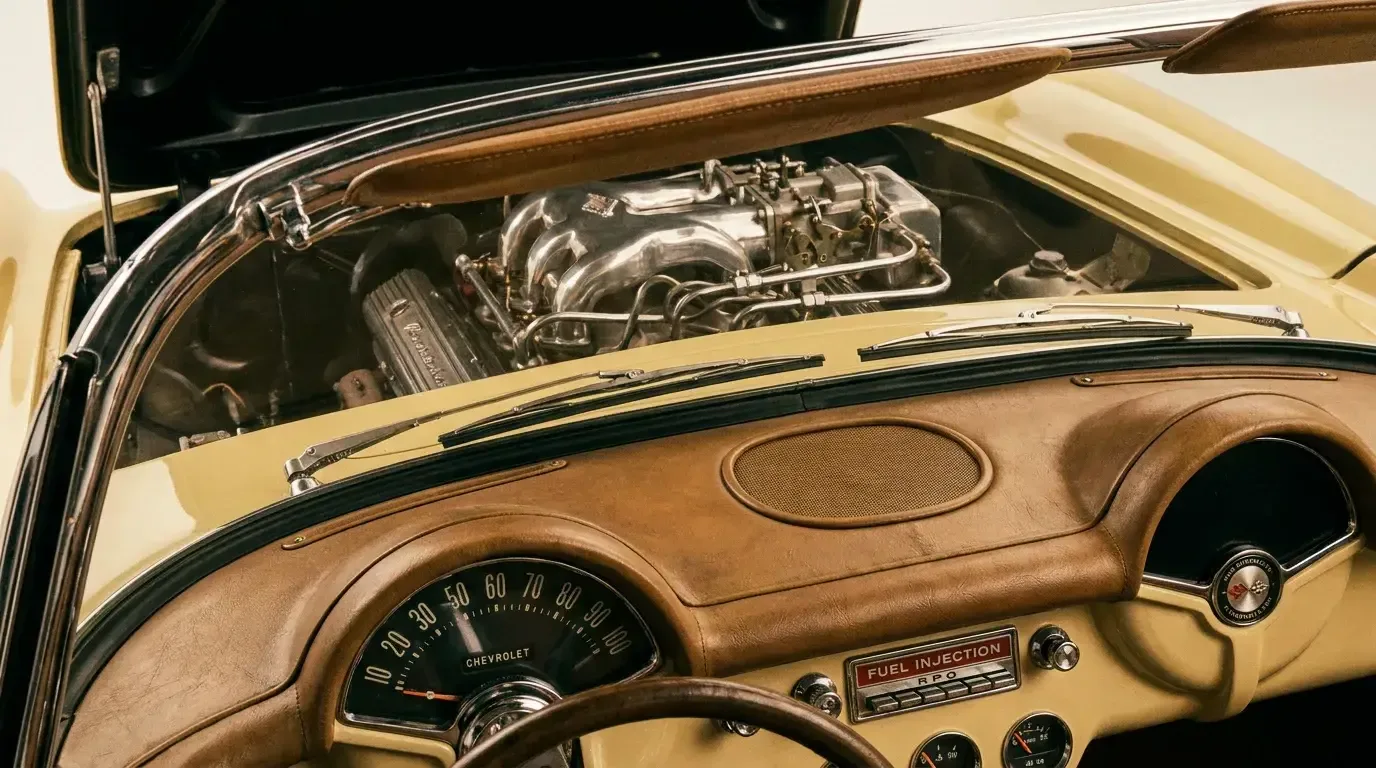
When Chevrolet introduced fuel injection to the Corvette in 1957 as RPO 579, it was genuinely ahead of its time. The Rochester mechanical fuel injection system was primarily designed by engineer John Dolza, with Zora Arkus-Duntov championing the project and contributing the performance camshaft tuning. It replaced the carburetor with a system that metered fuel more precisely and made the engine responsive in ways that the carbureted version couldn't quite match at high rpm.
The 283-cubic-inch small-block with fuel injection was rated at 283 hp in its top specification (RPO 579B and 579E), which meant one horsepower per cubic inch at a time when that benchmark was considered remarkable. Output varied by cam specification: the milder 579A and 579C variants produced 250 hp, while the solid-lifter 579E "Cold Air" competition version reached the full 283 hp figure. As displacement grew to 327 cubic inches in later years, the fuel-injected version climbed further; the 1965 L84 327 produced 375 hp. The system stayed in production through 1965, by which point the carbureted big-block option was making the fuel-injected small-block look relatively modest in the brochures.
The fuel-injected cars today carry a premium that reflects both their rarity and their historical position. Total Corvette production in some of those early fuel-injection years was measured in thousands, and the percentage that left the factory with the injection option was a fraction of that. If you're looking at one, cross-reference the engine code, the trim tag, and the casting numbers before any money changes hands. For a broader look at how special editions fit into the larger story, the corvette special editions story covers the arc from those early years forward.
L88: the track package that wasn't supposed to be sold
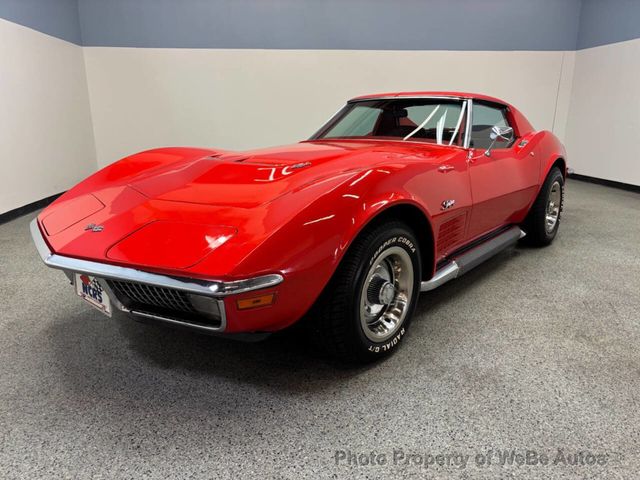
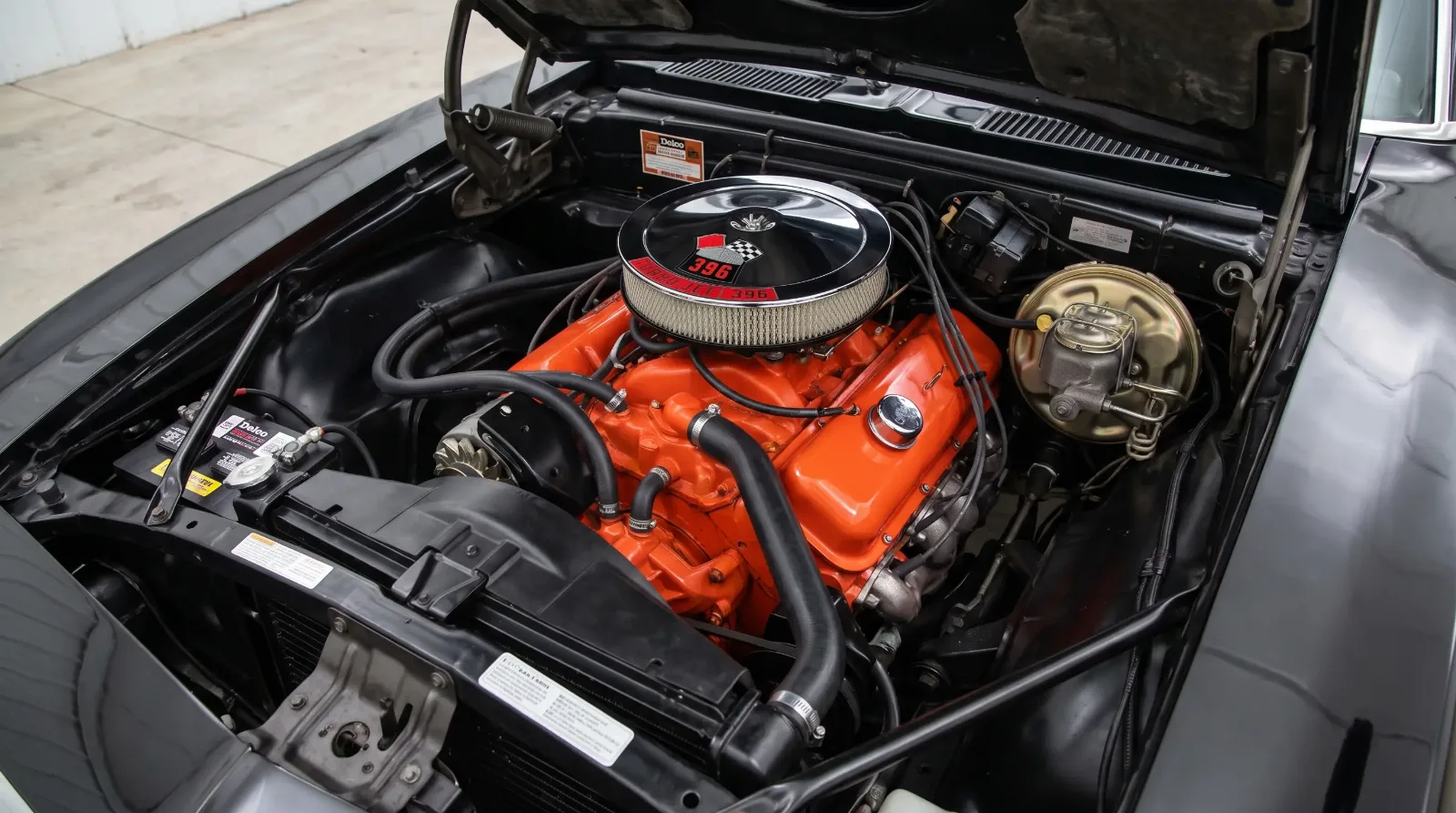
The L88 option, available on the C3 Corvette from 1967 through 1969, is the package that most factory historians return to when the conversation turns to what Chevrolet was willing to do in that period. The L88 was a 427-cubic-inch big-block built for racing. The factory rated it at 430 hp, a number that everyone involved understood to be conservative to the point of fiction. Independent testing and rebuilt-engine dyno runs have placed actual output in the range of 500 to 560 hp or more in near-stock form.
The package required a long list of deleted options. Air conditioning was not available. The radio was not available. The L88 came with a high-compression engine that demanded 103-octane (research octane) rated fuel, a specification that made it essentially unusable on the street in any practical sense. Chevrolet's intent was that these cars go racing, and the pricing and option restrictions made that point clearly.
| Package / RPO | Era | Engine | Rated output | Key restriction |
|---|---|---|---|---|
| Fuel Injection (RPO 579) | 1957-1965 | 283-327 cu in small-block | Up to 375 hp (1965 L84 327) | High-rpm tuning; cold-start issues |
| L88 | 1967-1969 | 427 cu in big-block | 430 hp (factory-stated; actual output estimated 500-560 hp) | No A/C, no radio; 103-octane (RON) fuel required |
| ZR-1 (C4) | 1990-1995 | LT5 5.7L V8 (DOHC) | 375 hp (1990-1992); 405 hp (1993-1995) | Lotus-engineered engine; all-aluminum 32-valve DOHC architecture |
| Z06 (C5) | 2001-2004 | LS6 5.7L V8 | 385 hp (2001); 405 hp (2002-2004) | Fixed roof coupe only; weight reduction focus |
| ZR1 (C6) | 2009-2013 | LS9 6.2L supercharged V8 | 638 hp | Wide-body panels; carbon fiber hood |
Total L88 production across the three model years was small. NCRS records document 20 units in 1967, 80 in 1968, and 116 in 1969, for a total of 216 L88 Corvettes built. These are rare cars, and the market treats them accordingly. If you're researching the ZR-1 and ZR1 nameplate's history across generations, read the related story for context on how Chevrolet reused and evolved the designation.
"The L88 was never meant to be a road car. Chevrolet priced it high, deleted the comfort options, and specified fuel that you couldn't buy at an ordinary gas station. The production numbers are small because the intent was small. These were homologation tools, and the factory records make that clear."
— Tom Ramirez
The C4 ZR-1 and the Lotus connection
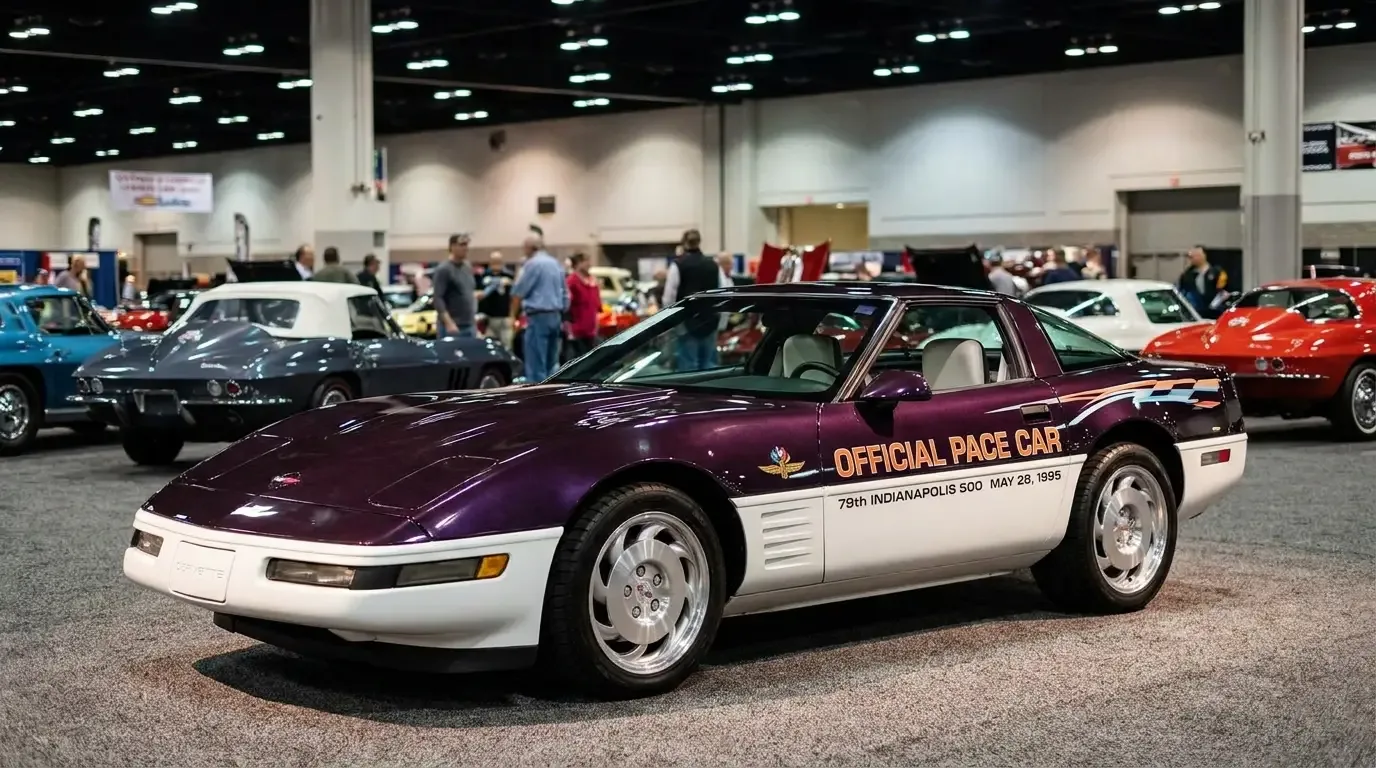
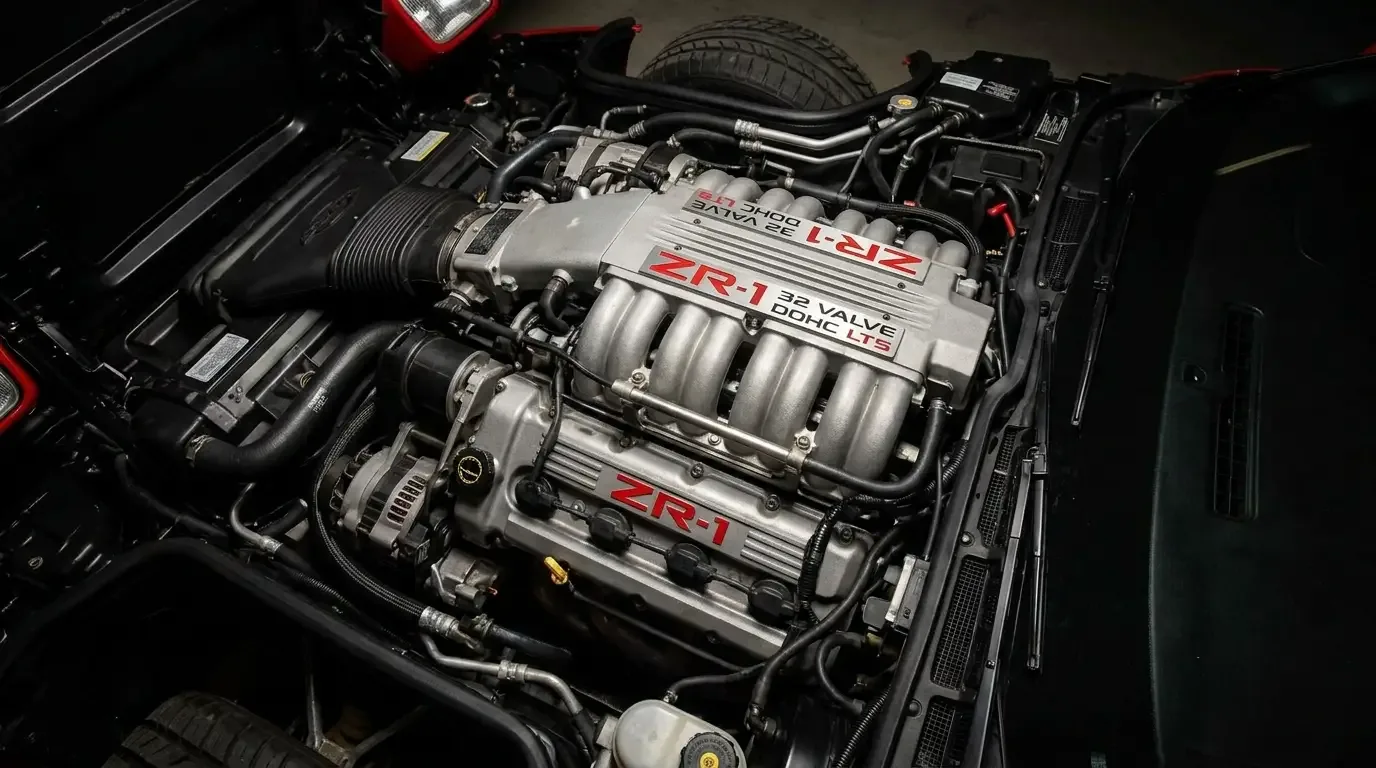
When the C4 Corvette arrived with the ZR-1 option in 1990, it introduced an engine that Chevrolet had not designed alone. The LT5 was a collaboration with Group Lotus, then under GM ownership, and it brought a double-overhead-cam architecture to a car that had always run pushrod engines. The result was a Corvette that looked almost identical to the standard model from most angles but performed in a category by itself.
Output grew over the ZR-1's production run, from 375 hp at introduction through 1992, then rising to 405 hp for the 1993 through 1995 model years. The wide rear bodywork, necessary to accommodate the wider rear tires, gave the ZR-1 its distinctive silhouette when viewed from behind. That body difference is one of the things buyers use to authenticate cars, since the ZR-1 panels are not interchangeable with the standard Corvette. Production ran through 1995, with total numbers of approximately 6,939 units across the six model years, split heavily toward the early years when demand was highest.
The ZR-1 designation had appeared earlier in Corvette history and would appear again, which makes the C4 version's position in the timeline worth understanding precisely. The naming history matters for documentation purposes because a VIN alone does not tell the full story without cross-referencing the RPO codes.
Z06: the lightweight approach
The Z06 designation has appeared on multiple Corvette generations, but its origins as a handling and weight-reduction package give it a distinct character from the power-first approach of the L88 or the ZR-1. The C5 Z06, produced from 2001 through 2004, is the version that established the modern template: a fixed-roof coupe with weight stripped out, suspension tuned harder, and an engine pushed to the top of what the platform could carry without a supercharger.
The LS6 engine in the C5 Z06 produced 385 hp in 2001, then was revised to 405 hp starting with the 2002 model year, a result of a larger air intake, stiffer valve springs, lighter sodium-filled valves, a more aggressive camshaft, and a less restricted exhaust. The fixed-roof coupe body was lighter than the convertible and the standard coupe with its removable targa panel, and that weight difference was the starting point for what became a car that handling-focused drivers preferred to the more powerful but heavier alternatives.
The C6 ZR1 and supercharged displacement
The C6 ZR1, produced from 2009 through 2013, took a different approach. Where the C4 ZR-1 had pursued the technical sophistication of the twin-cam LT5, the C6 ZR1 went back to a pushrod engine and added a supercharger. The LS9 displaced 6.2 liters and produced 638 hp, which made it the most powerful production Corvette to that point and one of the most capable American production cars of its era by any conventional measure.
The carbon fiber hood with its transparent panel over the supercharger was functional as much as visual, providing the clearance the blower required. Wide-body panels returned, again necessary for the wider rear rubber. The ZR1 was a different kind of statement than the C4's technical exercise: it was a car built around extracting maximum performance from a familiar architecture rather than replacing that architecture with something exotic.
Collectors interested in the highest-performance variants from any generation will find current market examples through the listings available when browsing classic Corvette for sale.
The most iconic Corvette packages share a common thread: they existed because Chevrolet was willing to build something that pushed past what the standard car could do, even when that meant restricting who could reasonably buy it or use it. The L88's fuel requirement, the ZR-1's engine collaboration, the Z06's weight obsession and the ZR1's supercharger all represent specific answers to specific questions about what a Corvette could be. The factory records document each answer precisely, which is why the documentation matters as much as the car itself.
Sources and notes
- National Corvette Museum: 1957 Corvette Specs -- confirmed RPO 579 fuel injection specifications and 283 hp rating
- Corvette Action Center: 1967-1969 L88 Production Numbers -- confirmed 20 (1967), 80 (1968), 116 (1969), total 216 units
- Vette Vues: L88 Corvette specs and history -- confirmed 430 hp factory rating, 103 RON fuel requirement, and estimated actual output range
- Corvette Action Center: C4 ZR-1 LT5 Engine Specifications -- confirmed 375 hp (1990-1992) and 405 hp (1993-1995) output by year
- Wikipedia: Chevrolet Corvette C5 -- confirmed LS6 output at 385 hp (2001) and 405 hp (2002-2004)
- National Corvette Museum: LT5 Engine -- confirmed all-aluminum DOHC 32-valve architecture and Lotus/GM collaboration details