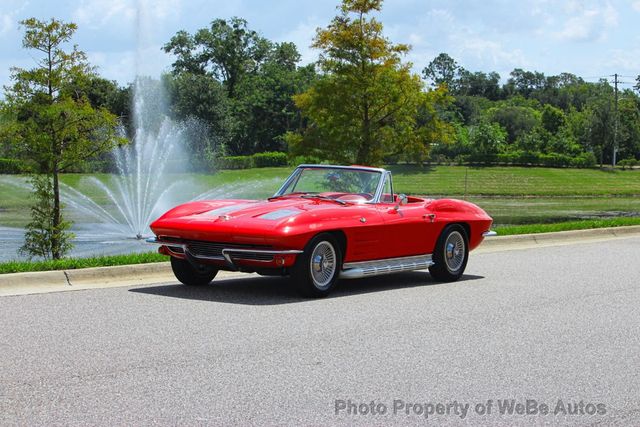
Two letters and a number. That's all it is on paper. But when those three characters appear on a Corvette, they carry weight that no other RPO code in the General Motors catalog has matched. ZR1 started as an internal option code in 1970 and became something the factory never fully planned for: a name that defines what a Corvette can be when Chevrolet decides to stop holding back.
Understanding what ZR1 means requires going back to the factory records, because the popular mythology around it gets several details wrong. The designation did not begin with the C4. It did not begin as a marketing invention. And it was not, at first, intended for broad sale. For the deeper story of how Chevrolet has used special designations throughout Corvette history, the factory documentation tells a different story than the brochures.
Where the designation came from: 1970
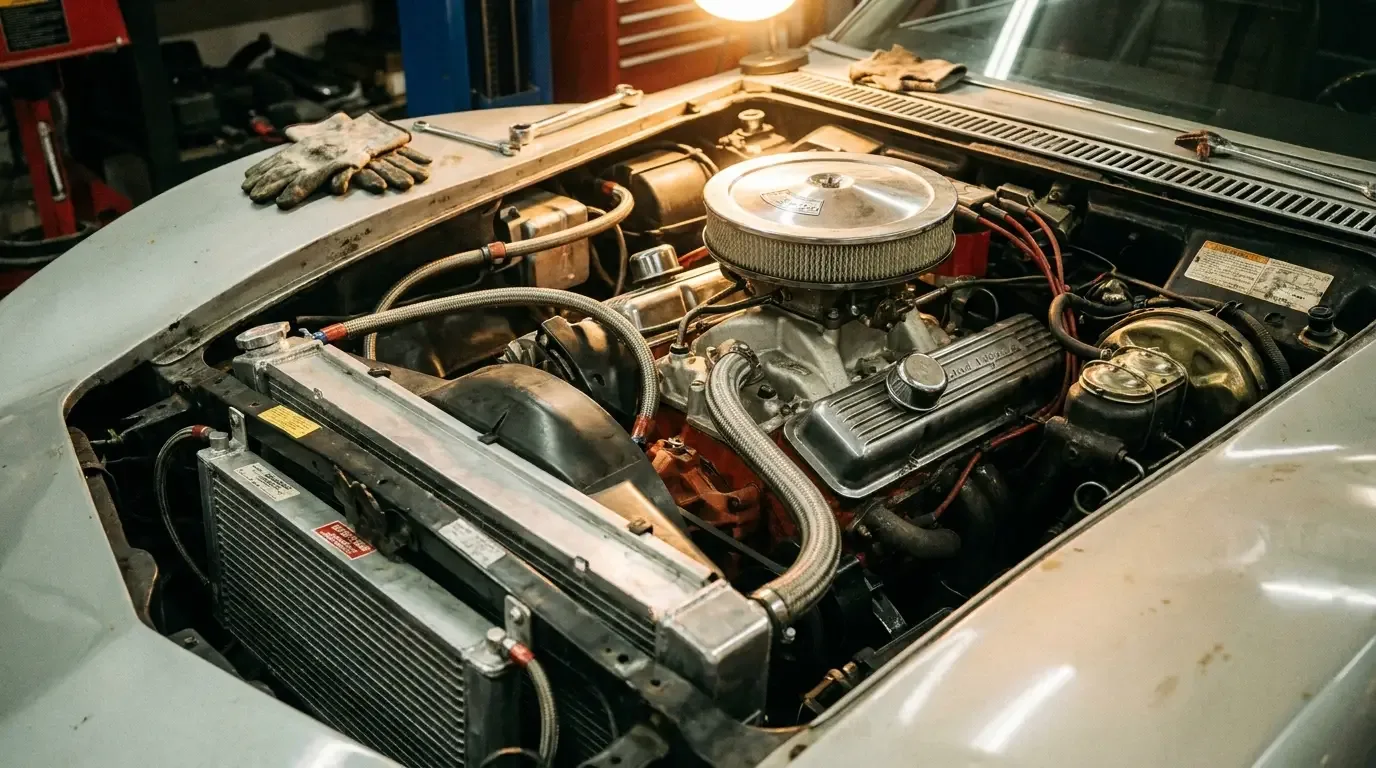
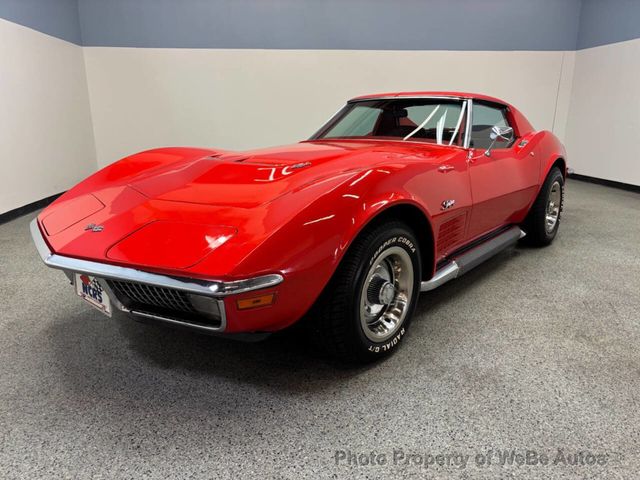
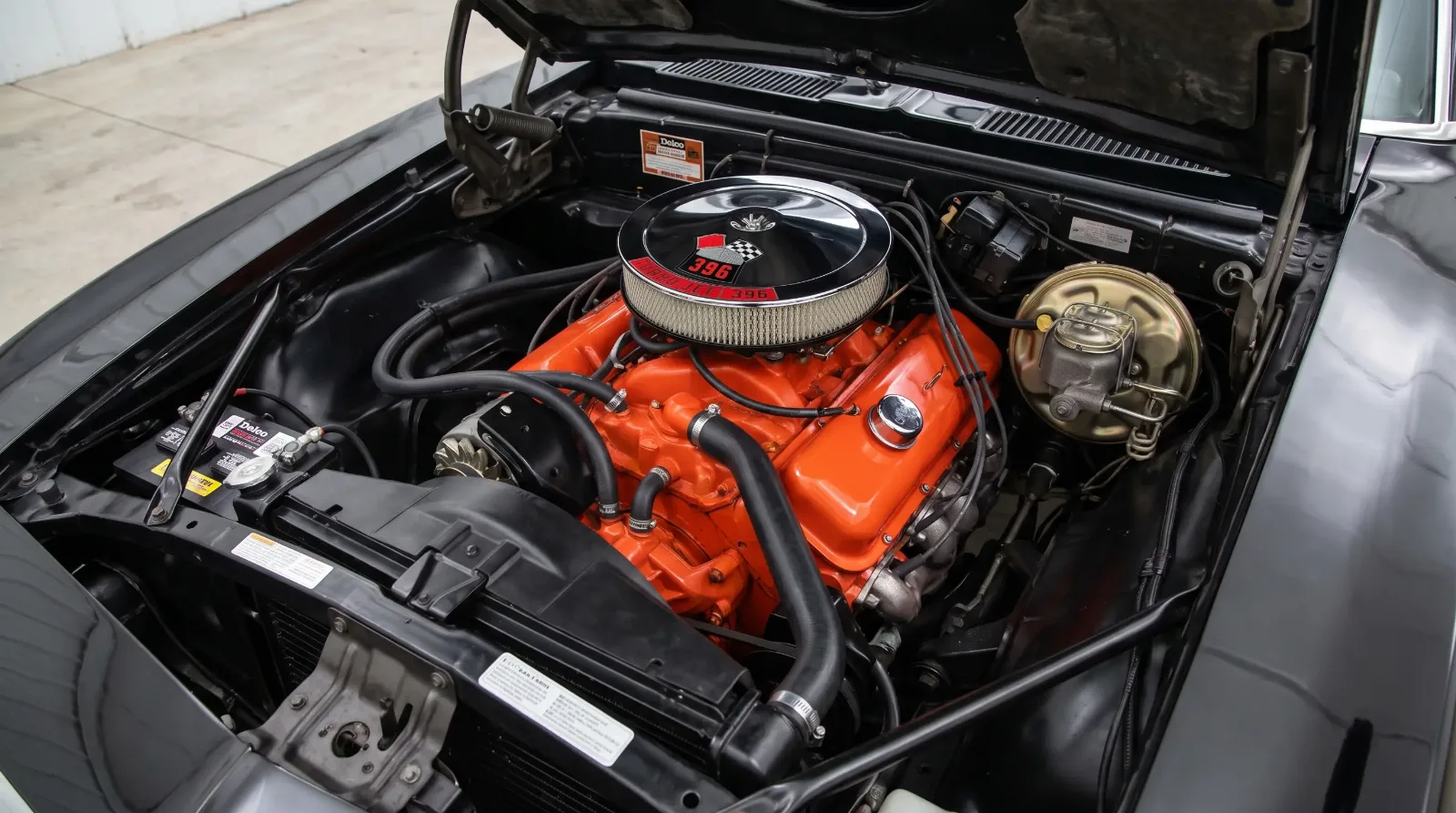
RPO ZR1 first appeared in the 1970 Corvette order system as a special-purpose racing package built around the solid-lifter 350 cubic-inch small-block engine designated LT1. The powertrain was hand-assembled, not line-built in the conventional sense, and the package included a heavy-duty four-speed close-ratio transmission, transistor ignition, and specific chassis modifications intended for SCCA competition use. (The 1969 model year offered a separate all-aluminum 427 big-block under the distinct RPO ZL1 code, which is sometimes confused with the ZR1 lineage but is a different designation entirely.)
Production numbers for the 1970 ZR1 were tiny. Only 25 cars were built in the first year, and most went to serious racing customers rather than street buyers. Chevrolet was not selling a performance image. It was building a racing tool and cataloging it under an option code the way it cataloged everything else. The name ZR1 at that point meant nothing to the general public. It was internal shorthand.
The package carried into 1971 and 1972 in modified form before emissions regulations ended it entirely, with 8 cars built in 1971 and 20 in 1972, for a three-year total of just 53 examples. The next chapter in ZR1's early history involves the LT1 small-block package and how the designation evolved as Chevrolet's racing strategy shifted.
The long gap: 1973 through 1989
After 1972, ZR1 disappeared from the Corvette order system. The emissions regulations that began tightening in 1971 effectively ended the era of factory-built racing packages, and Chevrolet pulled back across the board on high-output engines. The Corvette continued, but the extreme performance configurations that ZR1 had represented were no longer viable through normal production channels.
For nearly two decades, ZR1 existed only in the memories of the people who had ordered those early cars and in NCRS documentation. It was not a marketing property. Chevrolet never ran advertising around it. The NCRS judging standards for 1970-72 ZR1 cars developed over the years precisely because these were rare, documented packages with specific factory configurations that could be authenticated through tank stickers and build records.
This gap matters for understanding what happened next. When ZR1 reappeared in 1990, it was not a simple revival. The name carried no public brand equity to speak of. Chevrolet chose to use it again because it fit the internal logic of the designation system, not because it was trying to trade on nostalgia. The engineers who brought it back were working from the original premise: a Corvette built to a different specification than the standard production car.
The C4 ZR1: engineering the name into a legend
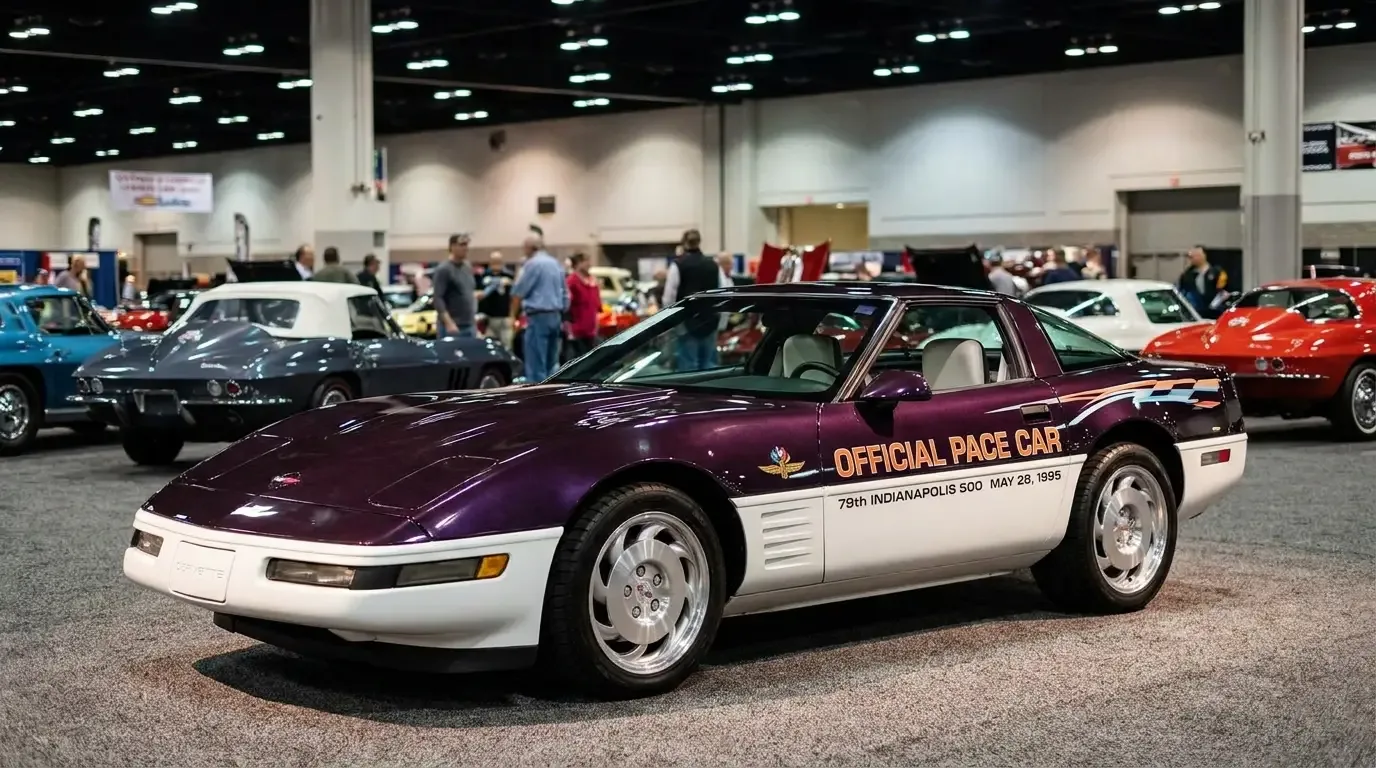
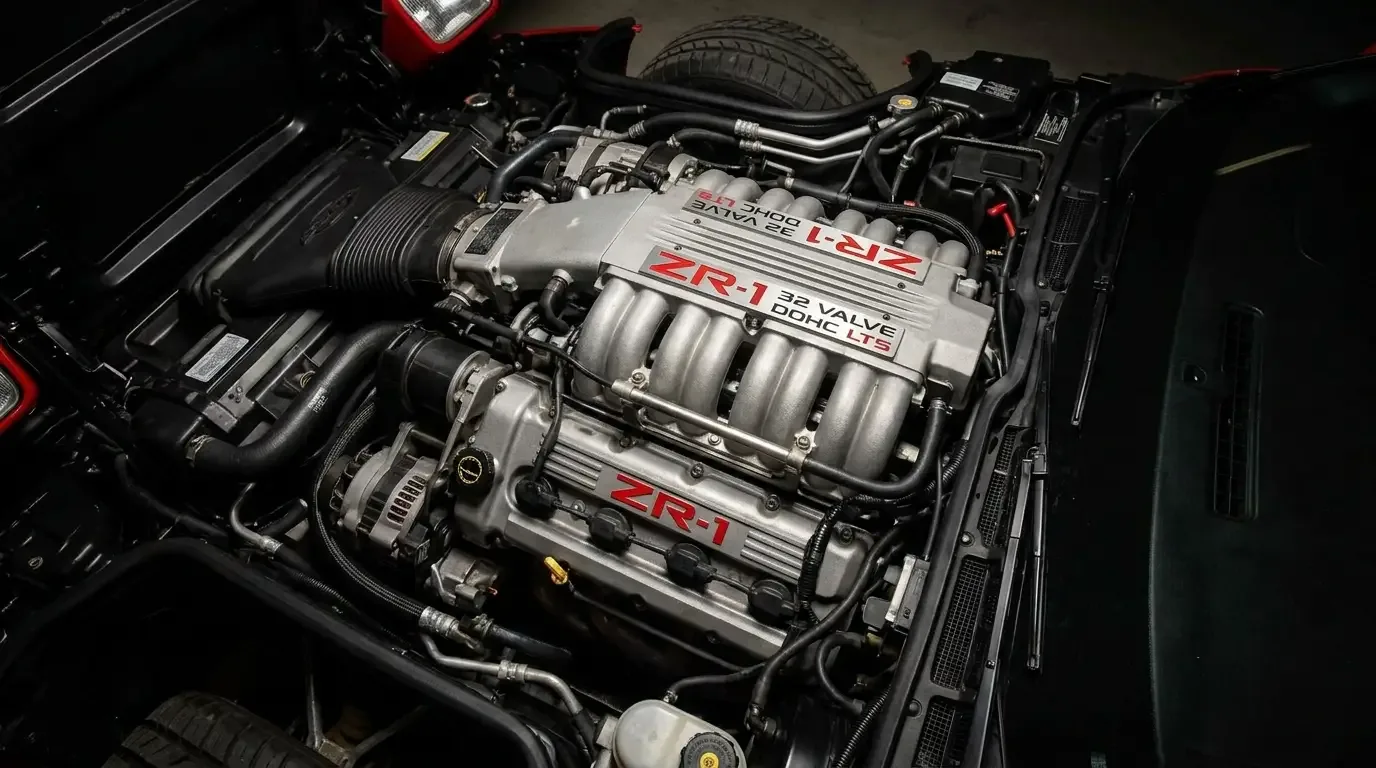
The 1990 C4 ZR-1 is where the designation became known to a wider audience. Chevrolet worked with Lotus Engineering, then a GM subsidiary, on a new all-aluminum 5.7-liter V8 designated LT5. The engine used dual overhead cams and 32 valves, which no previous production Corvette had used. Output in the first year was rated at 375 horsepower, rising to 405 horsepower beginning with the 1993 model year when GM introduced revised heads, new pistons, and cam timing changes.
| Era | Engine | Rated output | Production years |
|---|---|---|---|
| C3 ZR1 (original) | LT1 350 cu in small-block V8 | 370 hp | 1970-1972 |
| C4 ZR-1 | LT5 DOHC 5.7L V8 | 375 hp (1990-92) / 405 hp (1993-95) | 1990-1995 |
| C6 ZR1 | LS9 supercharged 6.2L V8 | 638 hp | 2009-2013 |
| C7 ZR1 | LT5 supercharged 6.2L V8 | 755 hp | 2019 (one year) |
| C8 ZR1 | LT7 twin-turbo flat-plane 5.5L V8 | 1,064 hp | 2025-present |
The C4 ZR-1 was wider at the rear than a standard C4 because the LT5 required more cooling infrastructure. The wider rear bodywork became a visual identifier, along with the convex rear fascia with six round taillights compared to the standard car's four. These were not styling exercises; they were engineering consequences.
Production of the C4 ZR-1 ran from 1990 through 1995, and total numbers reached approximately 6,939 across all six years. The price premium over a standard Corvette was significant, which limited volume. Buyers who ordered them were typically people who understood what the LT5 represented technically, not people chasing a badge. If you are looking at C4 Corvettes for sale today, the ZR-1 examples trade at a meaningful premium over base C4s in comparable condition, though the gap varies considerably by mileage and documentation.
"The ZR1 designation has never been about marketing consistency. Each time it comes back, it comes back because the engineering justifies it. That's the thread connecting 1970 to now."
— Tom Ramirez
C5 absence and the C6 return
The C5 generation, running from 1997 through 2004, did not receive a ZR1. The performance hierarchy during those years was handled through the Z06, which used a different approach: a fixed-roof coupe body, the LS6 engine, and a dedicated suspension tune. The Z06 was the performance flagship for C5, and Chevrolet did not need two extreme packages competing for the same customers.
ZR1 returned with the C6 in 2009, and the approach was different from the C4 car. Rather than a purpose-built engine from an outside supplier, the LS9 was developed entirely within GM Powertrain. The 6.2-liter supercharged V8 produced 638 horsepower, which at the time made the C6 ZR1 the most powerful production Corvette built to that point. The carbon-fiber hood with a polycarbonate window over the supercharger became the signature visual element. A total of 4,684 C6 ZR1s were produced across the 2009-2013 model years.
The C7 ZR1 arrived for the 2019 model year only, carrying the LT5 designation (recycled, not related to the C4's LT5) on a supercharged 6.2-liter V8 rated at 755 horsepower. The one-year production run before the C8 mid-engine transition resulted in 2,953 units built, split between 2,441 coupes and 512 convertibles.
What ZR1 actually means across generations
The consistent thread in ZR1's history is not a specific power number or a particular engine technology. It is the premise that the car represents a configuration beyond what standard production can deliver, and that the configuration is engineering-led rather than marketing-led. Every generation of ZR1 has involved either a purpose-built engine, a significantly different powertrain architecture, or both. None of them were created because the marketing department needed a halo product. They were created because engineers had the authorization to build something outside the normal constraints.
That is also why the gaps make sense. When the engineering case did not exist, ZR1 did not appear. Chevrolet did not force the name into service during the C5 generation because the Z06 already occupied that engineering space. The designation returns when there is something genuine underneath it.
For collectors working from factory records, ZR1 history is well-documented through the NCRS for the early cars and through GM build data for the later generations. The mythology around the name is mostly accurate in outline, but the specific figures require verification against primary sources. What the tank sticker says is what matters. What a listing claims is where the questions start.
Sources and notes
- CorvSport: 1970-1972 Corvette ZR1 -- confirmed LT1 350 engine, 370 hp, production figures (25/8/20 = 53 total)
- Corvette Action Center: C4 ZR-1 production numbers 1990-1995 (6,939 total)
- LSX Magazine: C4 ZR-1 LT5 engine -- confirmed 375 hp (1990-92) and 405 hp (1993-95) specifications
- CorvSport: 2009-2013 C6 Corvette ZR1 guide -- confirmed LS9 638 hp, 4,684 total units produced
- CorvetteBlogger: C7 ZR1 total production breakdown -- 2,953 units (2,441 coupes, 512 convertibles), 2019 MY only
- CorvSport: 2025 C8 Corvette ZR1 guide -- confirmed LT7 engine designation, 1,064 hp twin-turbo flat-plane V8