The ZL1 Corvette is not a car that was built for everyone. It was built for a very specific purpose, by a group of engineers who understood the difference between a race engine and a performance street engine, and chose the former. The aluminum 427 cubic inch V8 at its center is one of the most unusual powerplants Chevrolet ever offered in a production vehicle, and the circumstances that put it in a Corvette in 1969 are worth understanding in full.
Most collectors know the name. Fewer know the specifics. The ZL1 option code gets repeated often enough in auction catalogues and forum threads that it has accumulated a mythology that doesn't always match the factory record. What the records show is a cleaner story, and a stranger one, than the mythology suggests.
What the ZL1 option code actually was
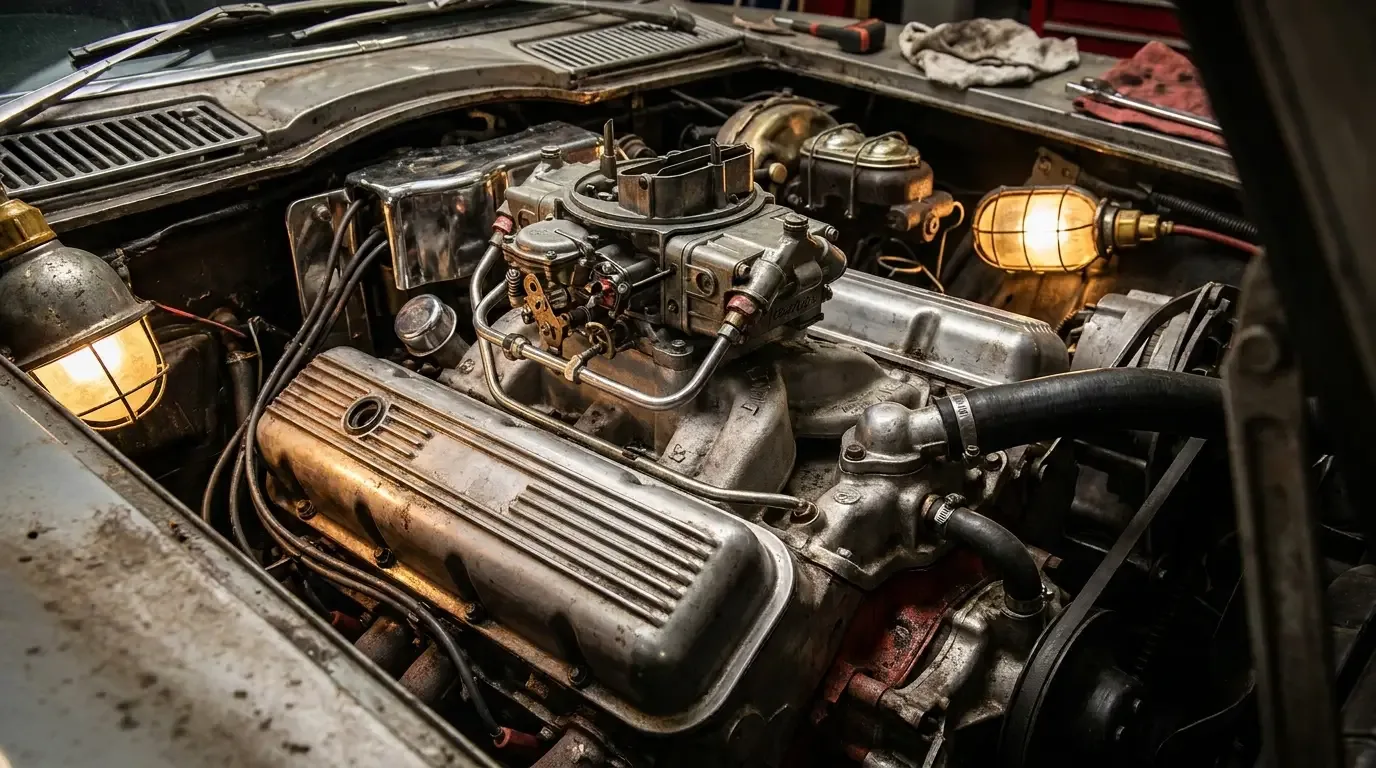
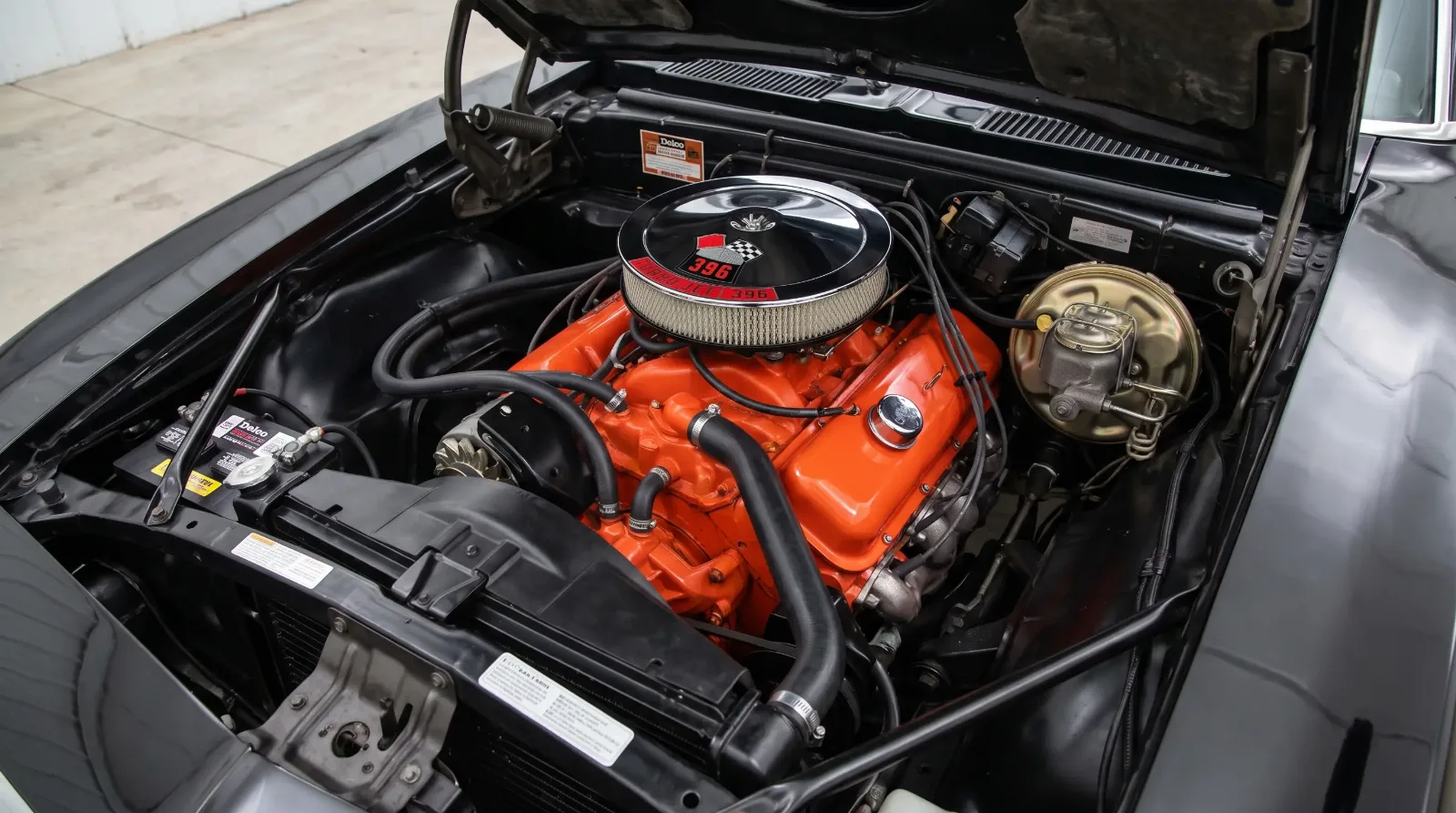
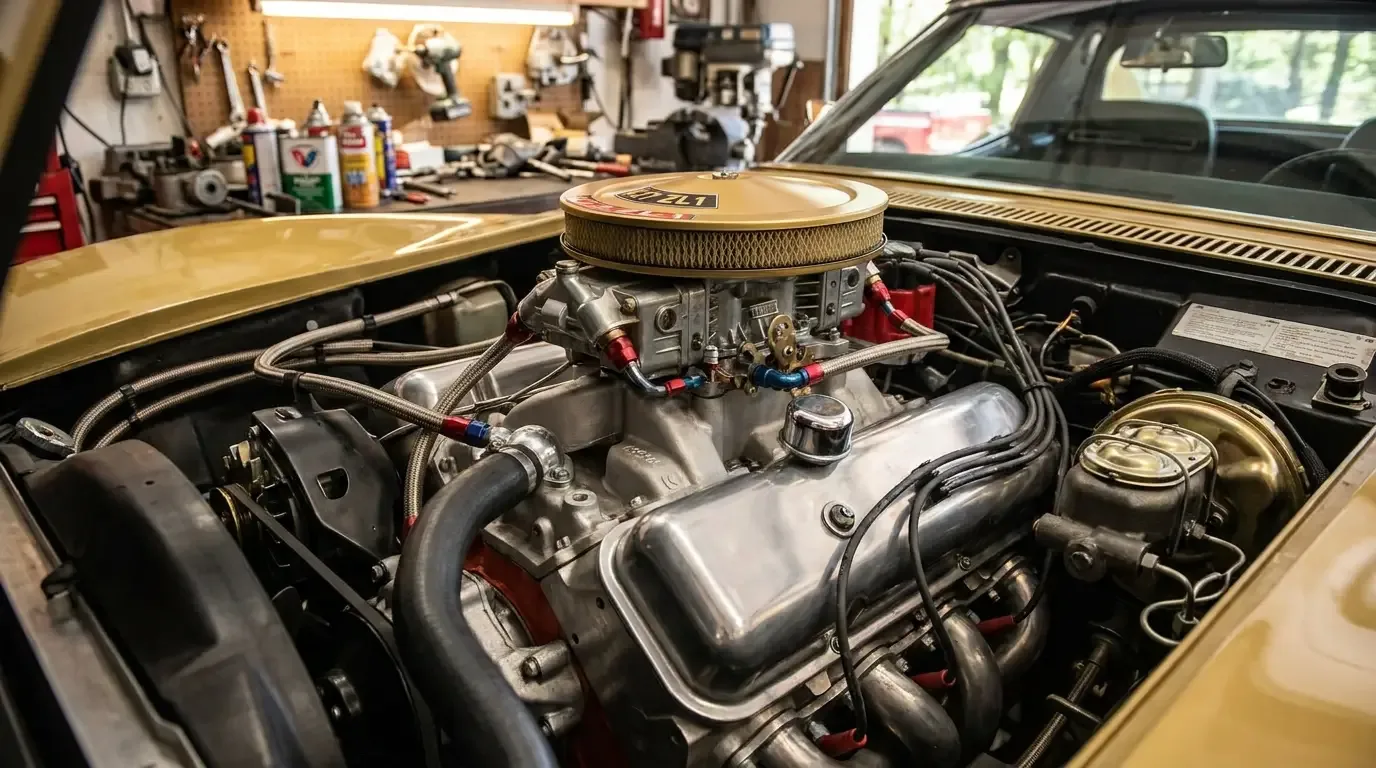
RPO ZL1 designated an all-aluminum 427 cubic inch V8 developed by Chevrolet Engineering for Can-Am racing. The block, heads, and most internal components were cast in aluminum rather than iron, which cut engine weight by roughly 100 pounds compared to the iron-block L88 427. That weight reduction was the entire point. The engine was not developed for the street. It was developed for sports car racing, where total vehicle weight determines lap times.
When the option appeared in the 1969 Corvette order book, it carried a price that reflected its origins. The ZL1 engine alone was listed at $4,718, which at the time was just $63 less than the base price of a new Corvette coupe. No one at the factory expected retail customers to order it in volume. In practice, the option required dealer special ordering and factory authorization. The idea that a customer could simply walk into a showroom and check a box for the ZL1 is not accurate to how these cars were sold.
The aluminum block and what it meant in practice
Aluminum engine blocks were not new technology in 1969. Buick had used an aluminum V8 earlier in the decade. But a high-displacement, high-compression race engine in aluminum was a different engineering problem. The ZL1 block required different assembly practices, different torque specifications, and different cooling considerations than the iron-block equivalents. Running it on pump gas was not recommended and, in most cases, not practical. The compression ratio was 12:1, high enough that premium racing fuel was the correct choice.
The heads were also aluminum, which contributed to the weight savings but added their own considerations. Aluminum heads conduct heat differently than iron, and aluminum threads strip more easily than iron threads. The service procedures for a ZL1 are not the same as for an L88, even though the two engines look similar at a distance and share some components. Anyone buying a documented ZL1 today should have the engine evaluated by someone who knows specifically what they are looking at, not just someone familiar with big-block Corvettes in general.
The factory did not publish detailed service data for the ZL1 through the standard dealer network, because the standard dealer network was not expected to see these engines. Service records and documentation associated with the original ZL1 cars are therefore scarcer than with more common Corvette powerplants, and their survival matters for authentication.
| Specification | ZL1 427 | L88 427 (for comparison) |
|---|---|---|
| Block material | Aluminum | Cast iron |
| Head material | Aluminum | Aluminum |
| Displacement | 427 cu in (7.0L) | 427 cu in (7.0L) |
| Rated output | 430 hp (factory, understated) | 430 hp (factory, understated) |
| Model year offered in Corvette | 1969 | 1967-1969 |
| Units in Corvette (approx.) | 2 | ~216 total across years |
Production numbers and the Camaro connection
The number of ZL1 Corvettes produced in 1969 is documented in factory records as two units sold to the public. This stands in sharp contrast to the ZL1 Camaro, where a dealer in Illinois ordered a substantial run of ZL1-equipped cars for drag racing customers using the COPO 9560 code, resulting in approximately 69 units. The Camaro ZL1 run is the reason the option code appears in broader factory documentation than a two-car Corvette run would otherwise justify.
The Camaro and Corvette ZL1 cars shared the engine but represent entirely different ordering stories. The Camaro cars were dealer-driven, bulk-ordered for a specific market. The Corvette units were essentially experimental factory builds. Understanding that distinction matters when evaluating provenance claims, because someone familiar with ZL1 Camaros may not have a complete picture of how the Corvette units came to exist. If you are researching ZL1 Corvettes for sale, documentation tracing directly to factory build records is the starting point, not the endpoint, of authentication.
"Two cars. That's what the factory record shows for 1969 Corvette ZL1 production. Not twenty, not a hundred. Two. That number should be the first thing in your mind when anyone presents you with a claimed ZL1 Corvette."
— Tom Ramirez
Where the ZL1 fits in Corvette special edition history
The ZL1 sits at the outer edge of what Chevrolet offered in the Corvette during the late 1960s, a period when the factory was willing to build cars that had no reasonable street use case. The L88 cars that preceded and overlapped with the ZL1 were already marginal street vehicles. The ZL1 was a step further out, with an engine that cost more than the car it went into and required fuel that was not available at most filling stations.
That willingness to build purpose-specific, low-volume performance hardware is part of a longer pattern in Corvette history. For full context on how these options fit into the broader arc of factory performance cars, the corvette special editions era covers the production and ordering history across multiple decades. The ZL1 represents one of the more extreme expressions of that approach.
The NCRS has documented these cars in detail, and Bloomington Gold has specific criteria for ZL1 authentication. For a car with only two known factory examples, any claim requires documentation that goes beyond tank stickers and trim tags, though both of those matter. Build sheets, dealer correspondence, and early ownership records are all relevant. The rarity of the car makes the documentation more important, not less, because there is no comparison pool of examples to cross-reference against.
What the ZL1 Corvette represents today
Authenticated ZL1 Corvettes do not come to market often. When they do, they attract serious collector attention and prices that reflect both the rarity of the engine and the documented production numbers. The market for these cars is narrow and expert-driven, which means buyers who do not already know the specifics are at a disadvantage. The first step is understanding what the car actually is, which is a purpose-built racing engine in a production chassis, ordered by a tiny number of customers in 1969 for reasons that had nothing to do with street driving.
The aluminum 427 is the reason anyone cares about these cars. The weight savings it offered were real and measurable on a track. On a public road, those same properties translate to a car that is demanding to maintain, specific about fuel, and not particularly comfortable to drive. That combination is exactly what makes it a significant collector object. The ZL1 Corvette was never meant to be practical, and it never was.
Sources and notes
- CorvSport: 1969 Corvette ZL-1 — confirmed $4,718 option price, 2 units sold to public, 560-585 bhp actual output, ~100 lb weight savings vs L88
- Hagerty Media: One-of-two 1969 ZL1 is holy grail of Corvettes — confirmed 2-unit Corvette production, market valuation context
- Corvette Action Center: L88 Production Numbers 1967-1969 — confirmed 216 total L88 units (20 in 1967, 80 in 1968, 116 in 1969)
- Supercars.net: 1969 Chevrolet Camaro ZL1 COPO 9560 — confirmed COPO 9560 order code and approximately 69 units produced
- Wikipedia: Chevrolet big-block engine — ZL1 compression ratio (12:1), factory 430 hp rating, aluminum construction details
- Chevy Hardcore: Comparing L88, ZL1, ZZ427 Engines — engine weight, compression, and specification comparison