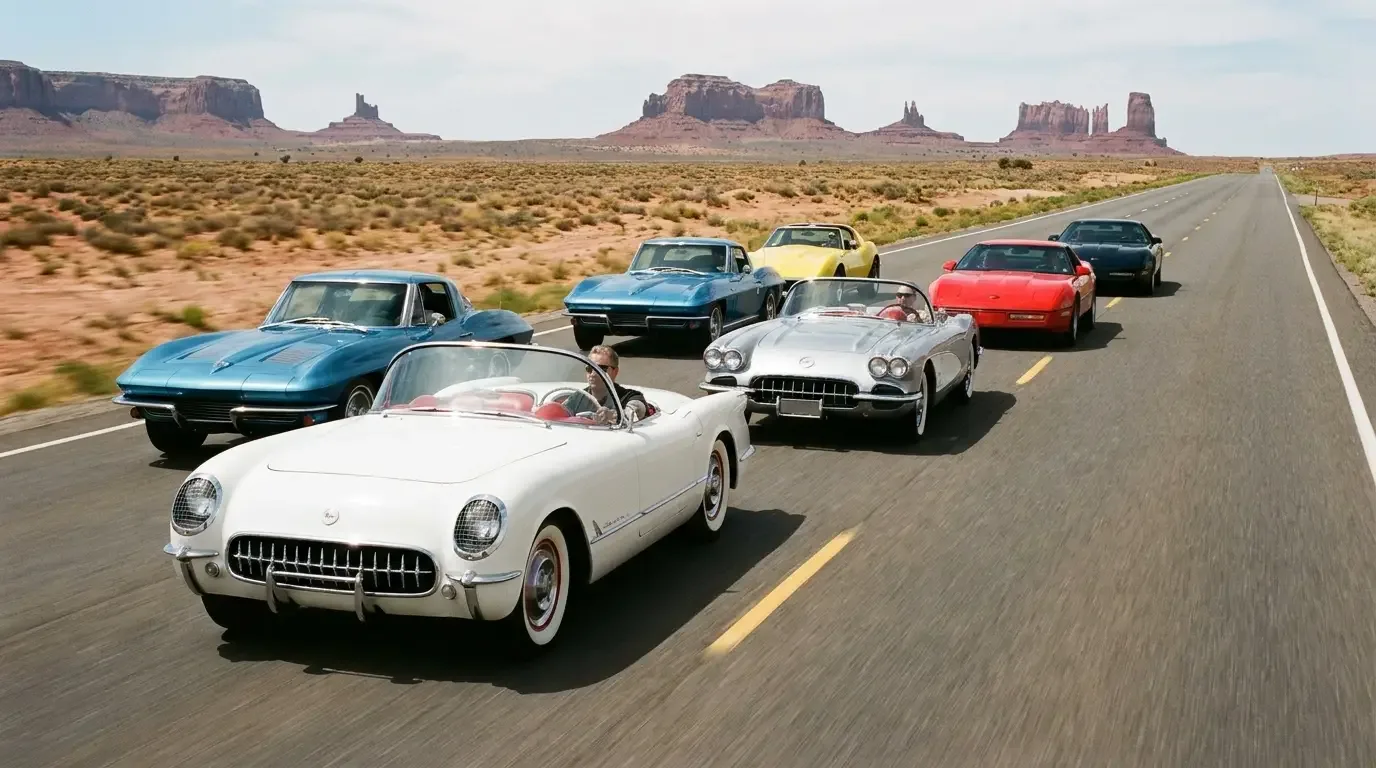
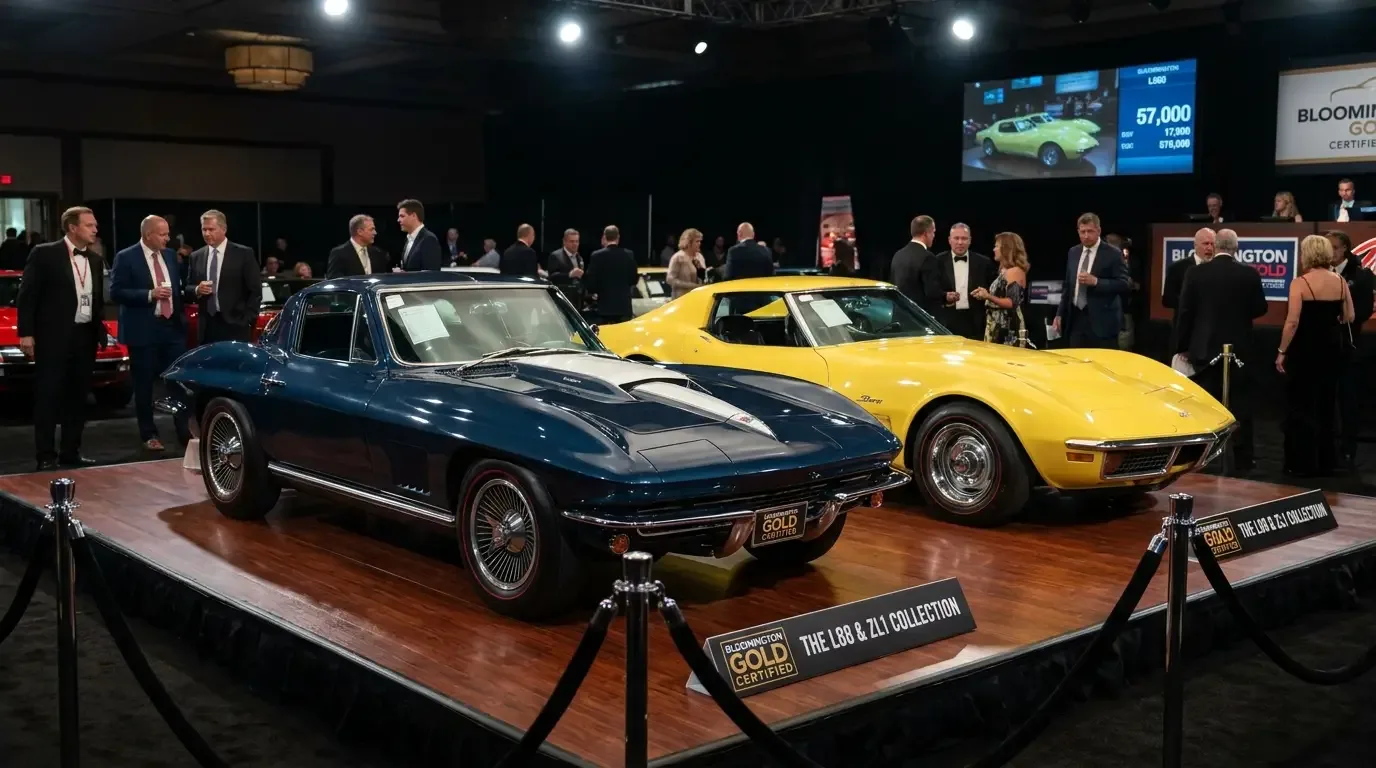
Not every Corvette is created equal. The production line at St. Louis built hundreds of thousands of them across the C1 through C3 generations, and most were pleasant boulevard cars with base engines and automatic transmissions. Then there were the others: the L88s ordered by racing teams, the ZL1s that barely left the factory before GM pulled the plug on performance, the five Grand Sports built against factory orders before the whole program was shut down. Those cars made up a fraction of a percent of total production. Today they account for a disproportionate share of the market's highest-price transactions, and the gap between them and ordinary examples continues to widen.
Understanding what separates a $40,000 driver from a $1,000,000 auction result is not complicated, but the details matter. For anyone thinking seriously about classic Corvette collecting, the starting point is learning what the market actually values and why.
The rarest production Corvettes: L88, ZL1, and Grand Sport
The L88 option ran from 1967 through 1969. Chevrolet officially rated it at 430 horsepower, a number so obviously understated that the factory was almost apologizing for telling the truth. Independent dyno testing on surviving examples suggests the real output was closer to 520 to 560 horsepower, but Chevrolet kept the published figure low for insurance reasons. The option was priced high and came with a mandatory deletion of the radio and heater, a not-so-subtle message that this was a racing engine, not a street engine. Total production across all three years was 216 units (20 in 1967, 80 in 1968, and 116 in 1969), which makes an authenticated L88 one of the rarest factory performance options from the muscle car era.
The ZL1 took the concept further. Where the L88 used a cast-iron block, the ZL1 was built on an all-aluminum 427 that shaved roughly 100 pounds from the front end compared to the iron version. Only two ZL1 Corvettes were ever produced and sold to the public in 1969, ordered through the Central Office Production Order system via a dealer arrangement. Unlike the ZL1 Camaro program, which saw 69 units built, the Corvette ZL1 remained a two-car production run by any authenticated count. These cars existed in a different category from ordinary Corvettes, and the market prices them accordingly.
The Grand Sport story runs parallel to the production cars rather than through them. In 1963, Zora Arkus-Duntov's team built five lightweight racing Corvettes intended to challenge Ferrari and Jaguar at Le Mans. GM's corporate ban on factory racing participation killed the program before it could be completed. The five cars were dispersed to private racers and ran competitively through the 1960s. Today, all five are accounted for, all in private collections or museums, and none comes to market with any regularity. When one does, the transaction tends to be private and the price tends to be substantial.
Documentation and provenance: where value is built or destroyed
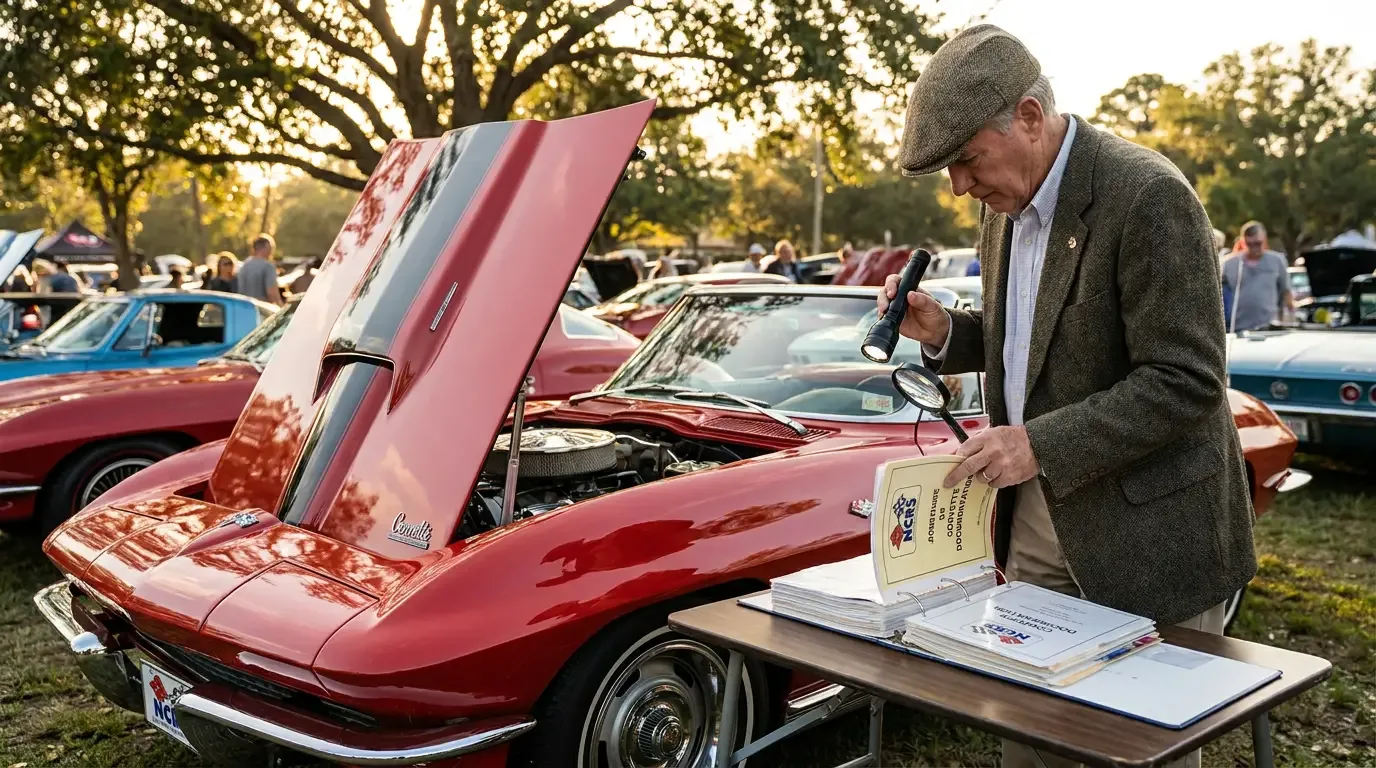
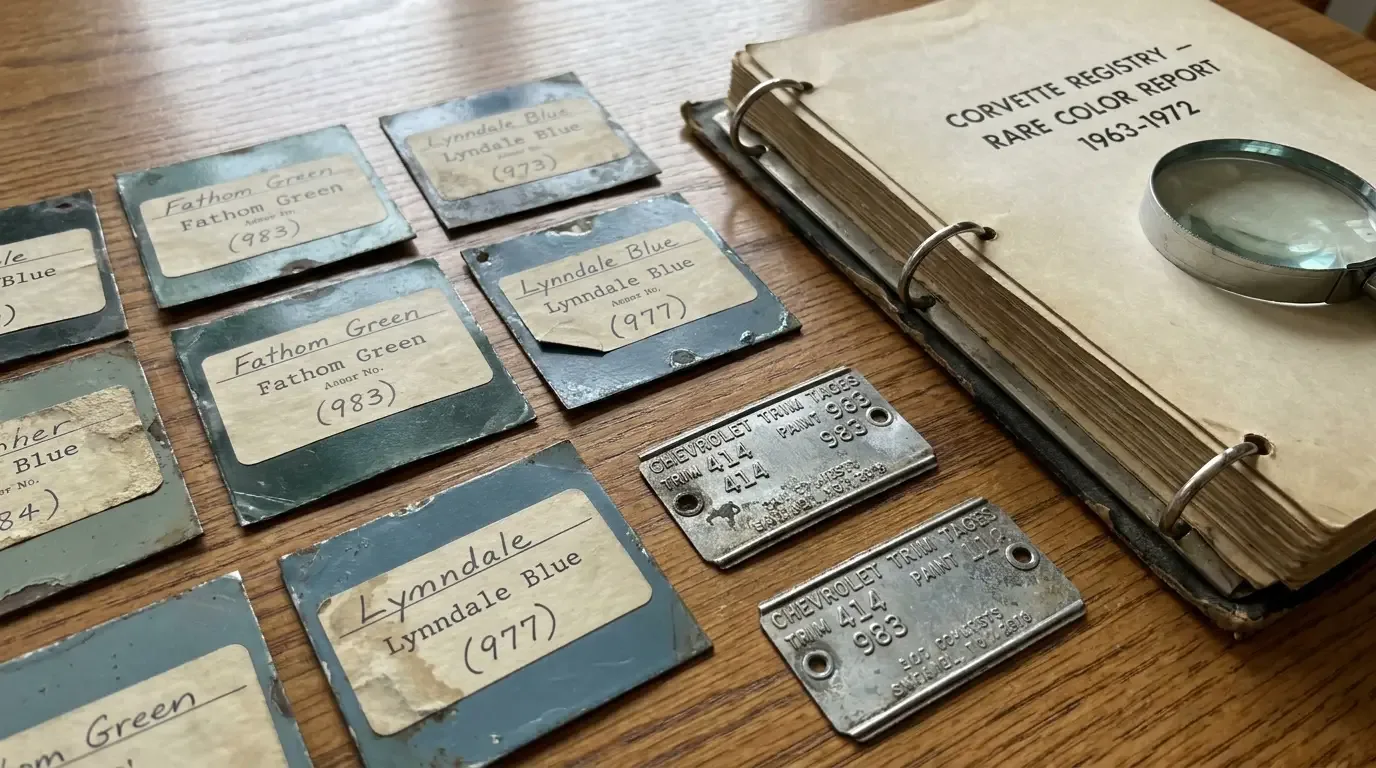
An L88 without its tank sticker is worth meaningfully less than an L88 with one. This is not sentiment; it is how the authenticated collector car market works. The tank sticker, which was attached to the inner fender or firewall at the factory, records the car's original build specifications in a way that cannot be easily replicated. Restamped VIN plates, replaced engine blocks, and swapped rear axle codes are discoverable. A missing tank sticker on a high-option car raises questions that a seller cannot always answer.
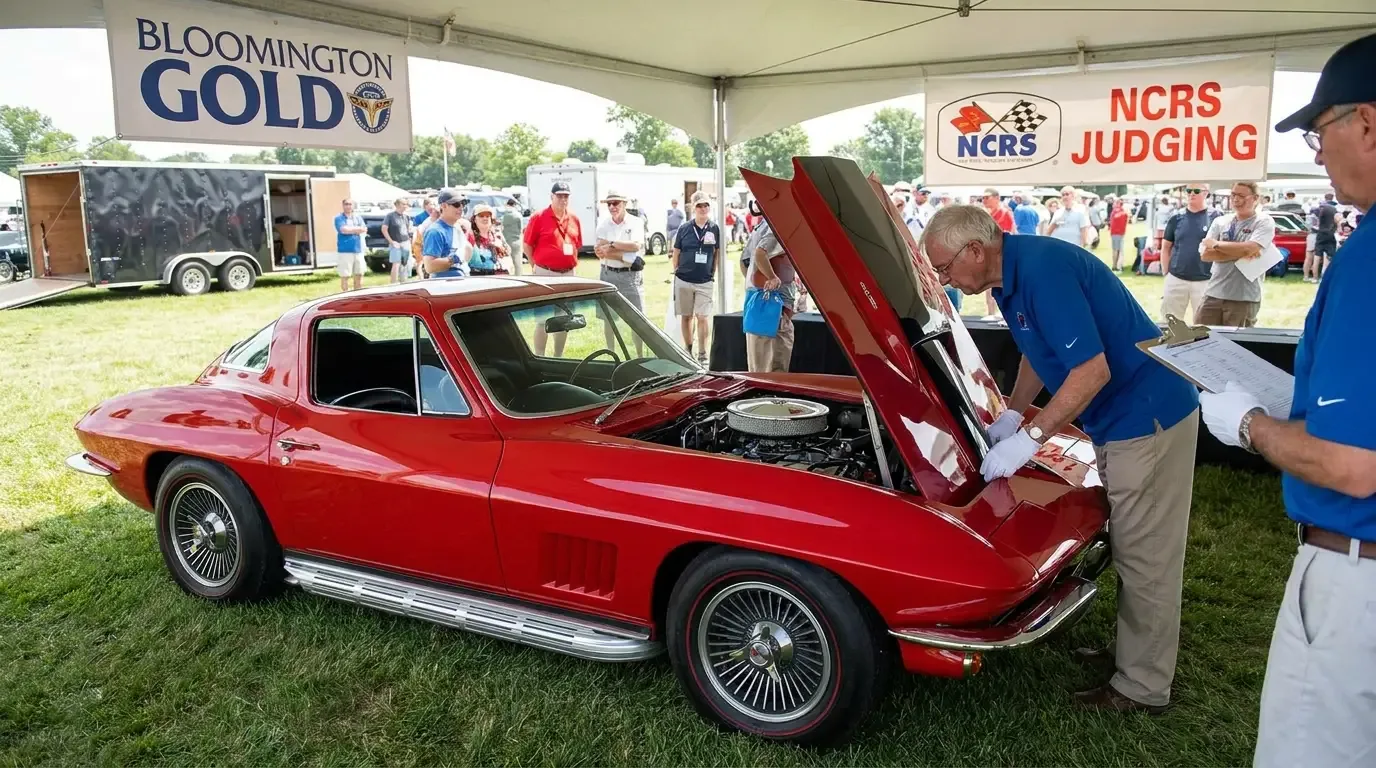
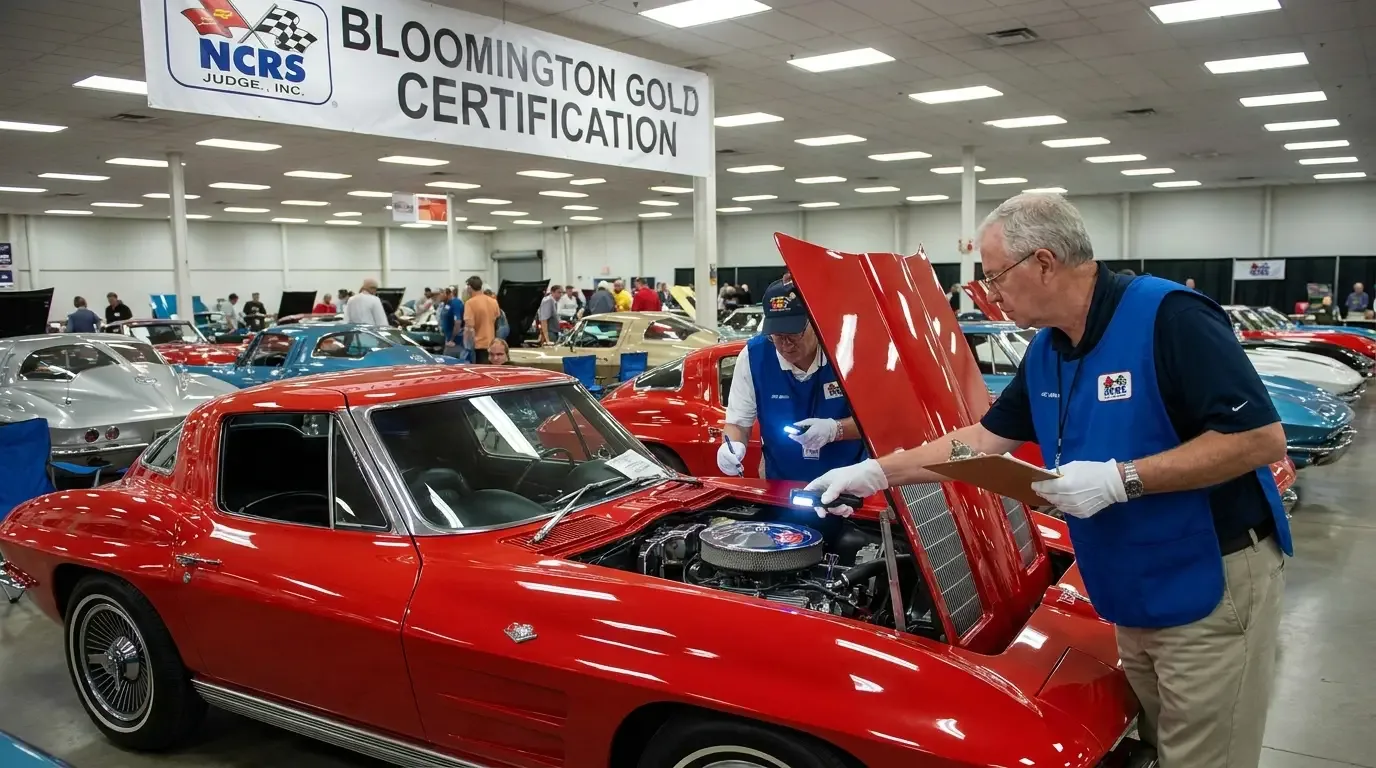
The National Corvette Restorers Society (NCRS) has built its judging program around exactly this kind of provenance work. An NCRS Top Flight award means a car has been evaluated against factory documentation standards and found to match what it claims to be. Bloomington Gold, the other major Corvette judging organization, runs a parallel certification process. Both matter to buyers, but they emphasize different things: NCRS focuses on factory-correct restoration, while Bloomington Gold's Survivor category recognizes unrestored original cars that retain factory paint, interior, and mechanicals.
For rare cars, a current NCRS Duntov Award or Bloomington Gold certification translates directly into auction performance. Cars with documentation that can be independently verified consistently outperform comparable examples where provenance is asserted but not substantiated. The spread can be significant: a documented L88 and an undocumented one in similar cosmetic condition might bring 40 to 60 percent different results at the same auction.
| Corvette variant | Production years | Approx. units built | Recent auction range (USD) |
|---|---|---|---|
| L88 (all years) | 1967-1969 | 216 total | $800,000 - $3,850,000+ |
| ZL1 | 1969 | 2 (factory confirmed) | $1,000,000+ |
| Grand Sport | 1963 | 5 | Private sales, not publicly disclosed |
| 427 Tri-Power L71 (C2) | 1967 | ~3,754 | $90,000 - $180,000 |
| 454 LS6 (C3) | 1971 | 188 | $80,000 - $160,000 |
Auction records and what they actually reflect
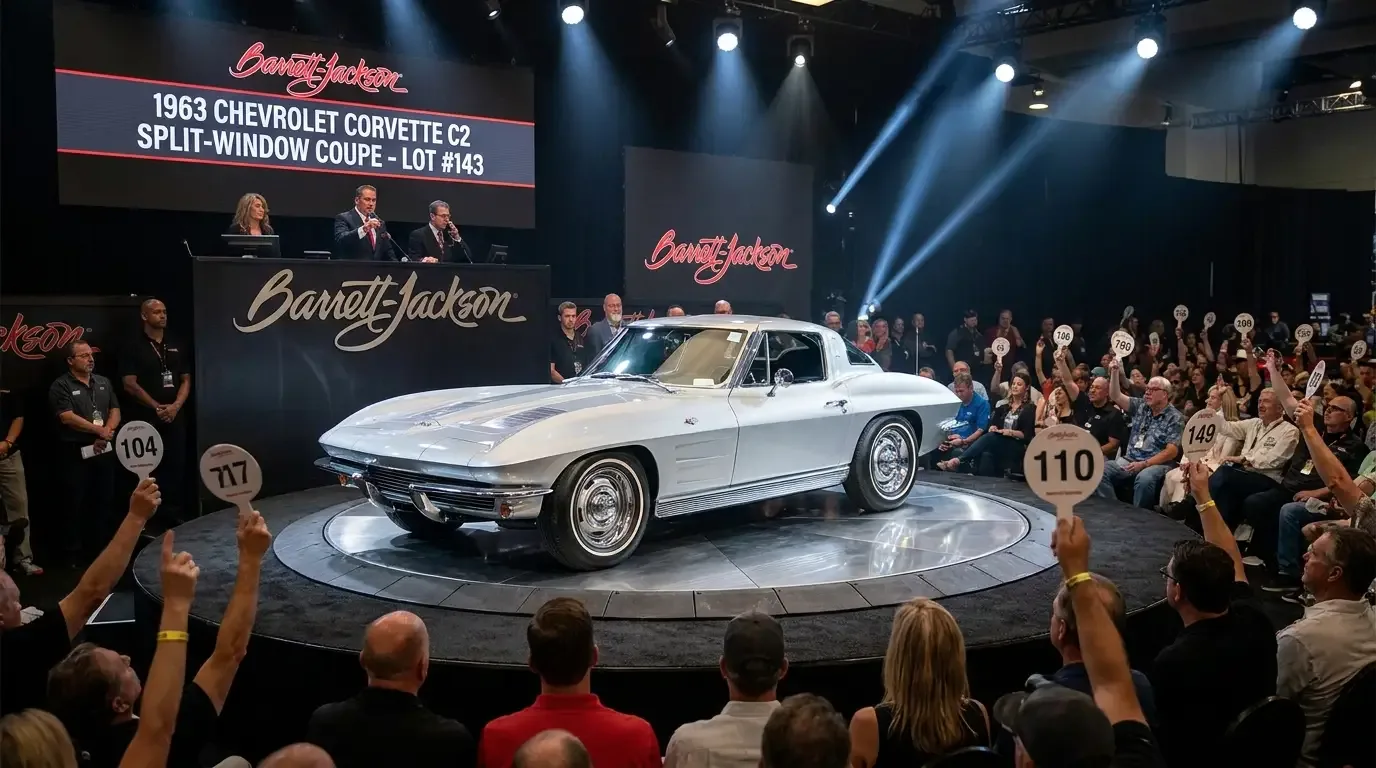
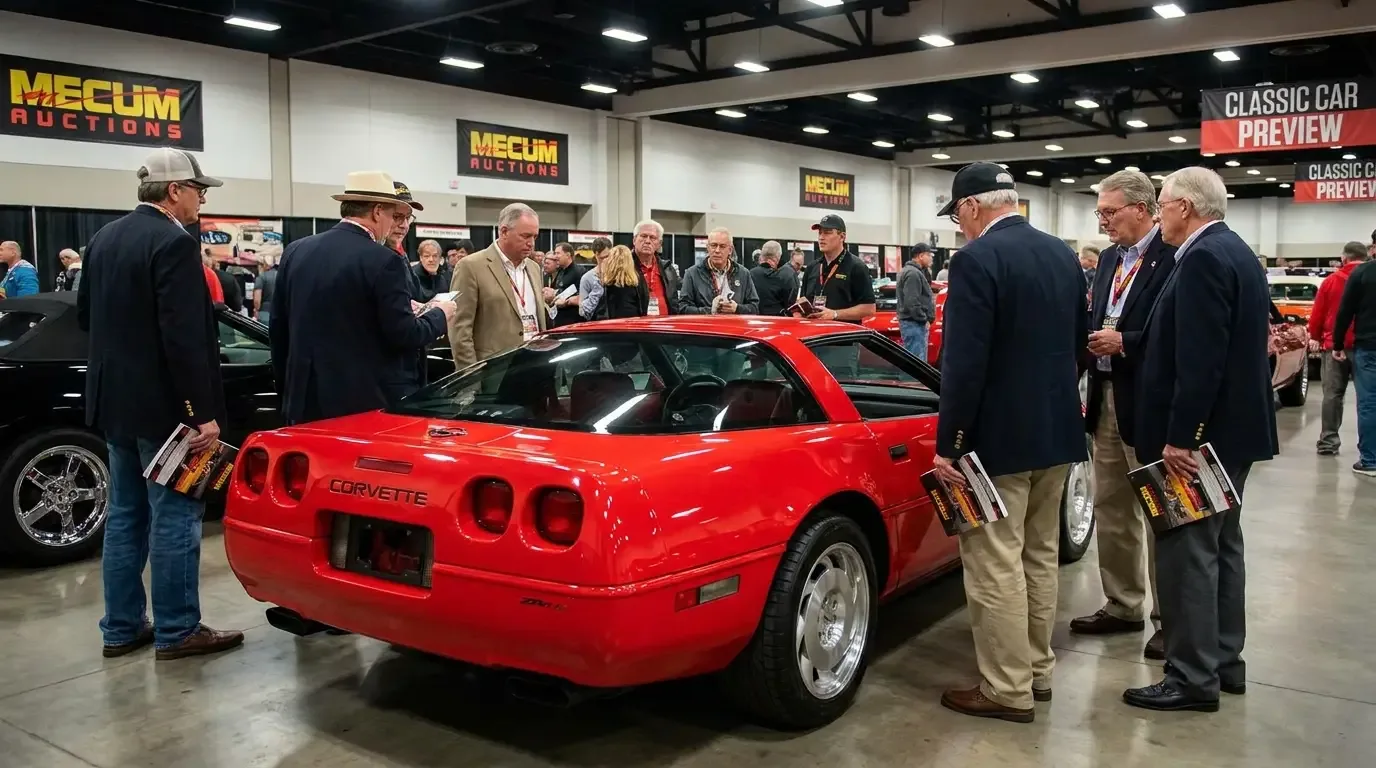
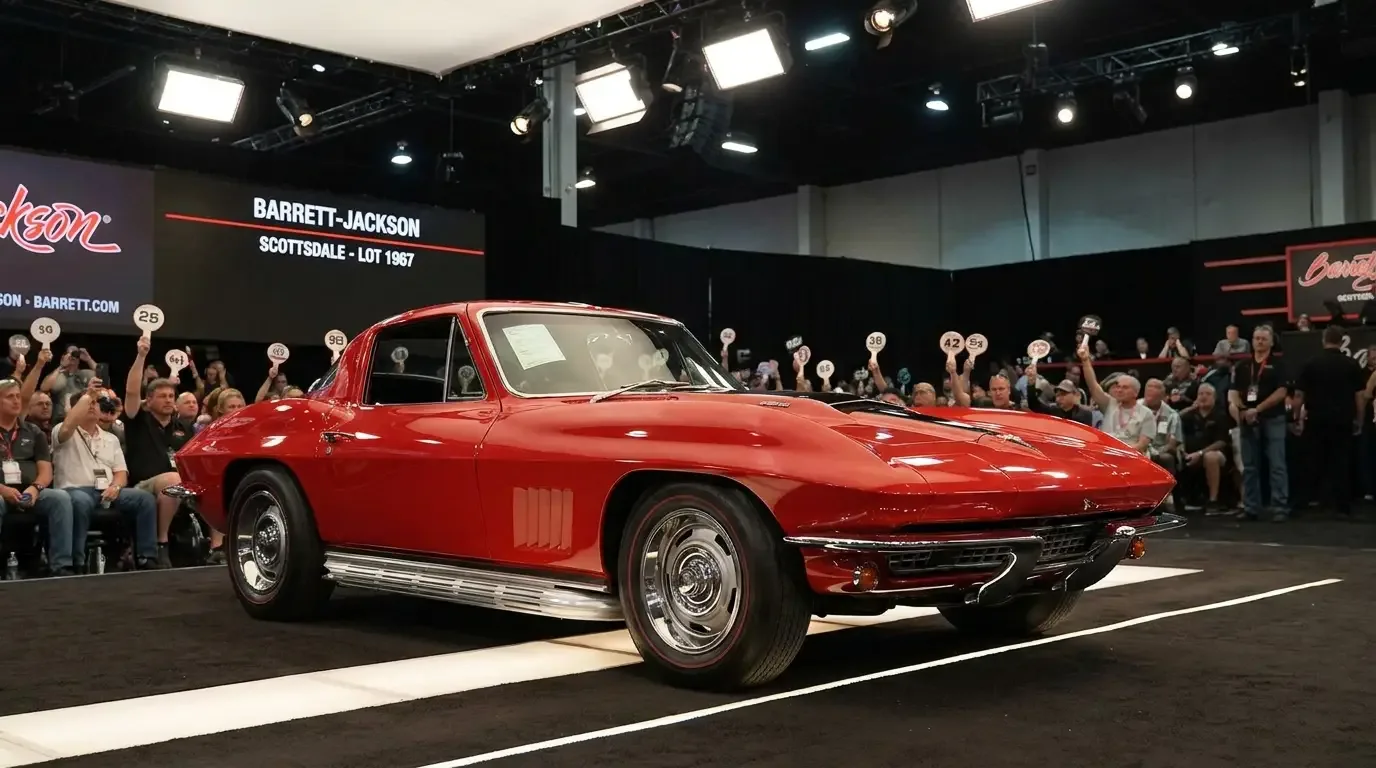
The record Corvette results at auction tend to cluster around a specific type of car: documented, high-option, low-production variants from the C2 era with a racing connection or verified competition history. Mecum, Barrett-Jackson, and RM Sotheby's have all moved L88 examples above the $2,000,000 mark in recent years, and the cars that achieve those prices share certain characteristics. They have paperwork: the Protect-O-Plate, the window sticker, service records going back to original delivery, and recent NCRS or Bloomington documentation.
The cars that fall short of expectations at auction typically have the opposite profile: strong cosmetics, weak paper trail, a compelling story told by the seller rather than supported by documents. The auction floor does not particularly care about a good story. It cares about what can be verified.
C3 Corvettes with high-output engines, particularly 1970 and 1971 LT1 cars and the rare 454 LS6 examples, have performed well in recent cycles. The LS6 option in 1971 is notable partly because it was the last year for high-compression engines before emissions regulations and fuel quality concerns forced the industry toward lower compression. Genuine LS6 cars are scarce, and the market treats them accordingly.
"The auction record is not what the car is worth to you. It is what one buyer was willing to pay on one specific day, with one other bidder in the room who had the same number in mind. Buy the documentation, not the story. Stories are cheap. Tank stickers are not."
— David Mercer
NCRS and Bloomington Gold: why the judging world matters to values
Many buyers who have never attended an NCRS meet or a Bloomington Gold show still benefit from these organizations, because their judging standards define what "correct" means in the collector Corvette market. When a car is advertised as "NCRS Top Flight," that means it was inspected against a published standard and achieved a point score above the threshold. The number has meaning because the methodology is consistent and the records are maintained.
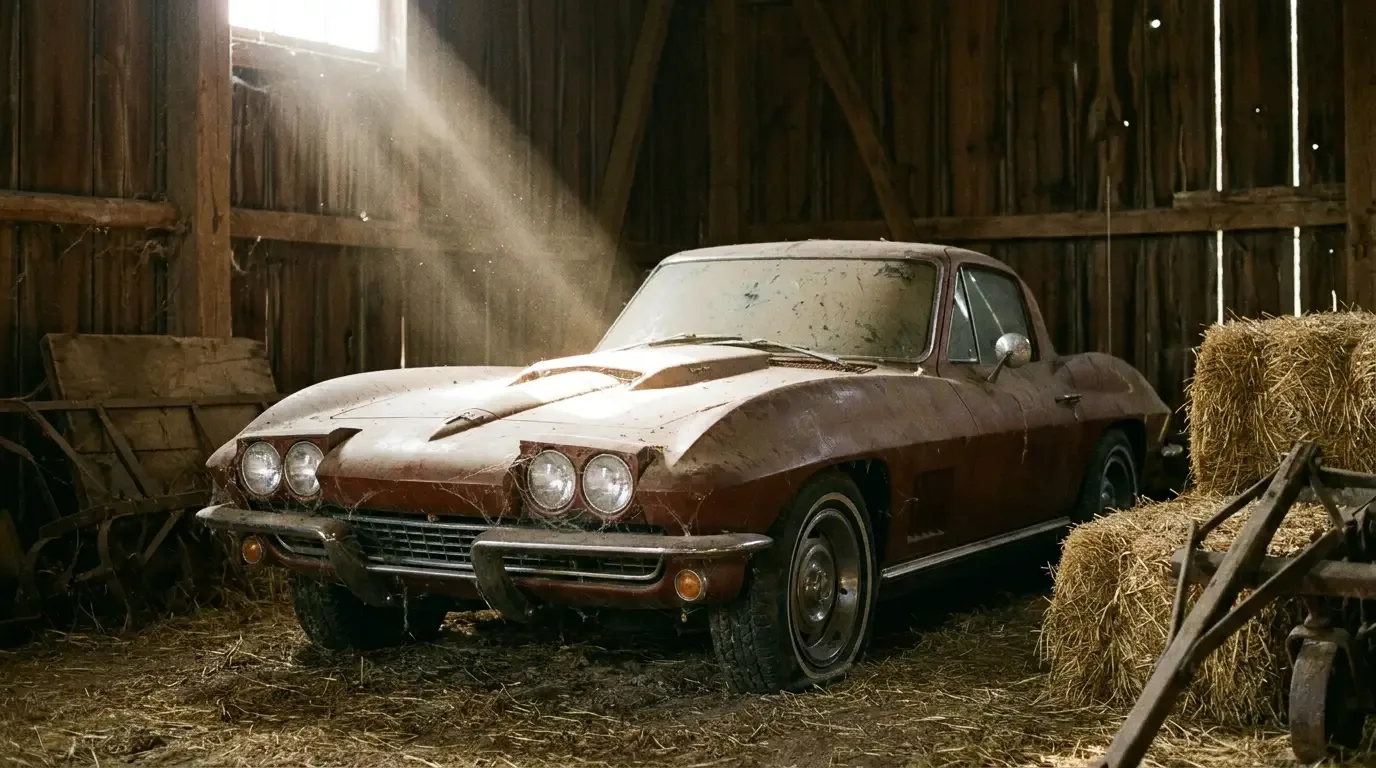
Bloomington Gold's Survivor category has become particularly relevant to the current market. Unrestored, high-mileage examples with original paint and interior have found a buyer segment that prefers authenticity over cosmetic perfection. A Survivor-certified car is not cheap to buy, and it is not cheap to preserve, because any modification or repair that disrupts originality can affect certification. But the cars that qualify tend to hold or appreciate, because the supply of genuinely original examples only goes down over time.
For buyers evaluating a car with either certification, the important question is how recent the judging was. Cars are re-evaluated on a schedule, and an NCRS award from fifteen years ago does not guarantee current compliance if the car has changed hands or been "detailed" in ways that affected originality. Ask for the current certificate. Ask when the last judging took place. If the documentation is old, plan for a re-evaluation before you price the car as if it will pass.
Value trends by generation: which Corvettes are moving
The C1 market, covering 1953 through 1962, has been relatively stable. The earliest cars, particularly the 1953 through 1955 models, remain blue-chip pieces for serious collectors, but the volume of transactions is low and the pool of qualified buyers is limited. The 1957 fuel-injected cars have historically commanded premiums and continue to do so. The broader C1 market has not seen the same appreciation rates as C2 in recent cycles.
C2 values, particularly for 1963 through 1967 cars with high-option configurations, have performed consistently well over the past decade. Big-block cars with factory side pipes and documented build sheets have shown steady appreciation. The 1967 model year, the last of the C2 generation, carries a collector premium partly because of the L88 and 427 Tri-Power L71 options available that year and partly because of the clean styling before the C3's heavier bodywork arrived.
C3 valuations are more segmented. The 1968 through 1972 high-performance cars have held up. The emissions-era C3s from 1973 through 1977 are driver-quality cars at driver-quality prices, which means they are accessible but not investment vehicles. The 1978 and 1979 cars, produced in large numbers for the anniversary years, face supply that will take years to absorb.
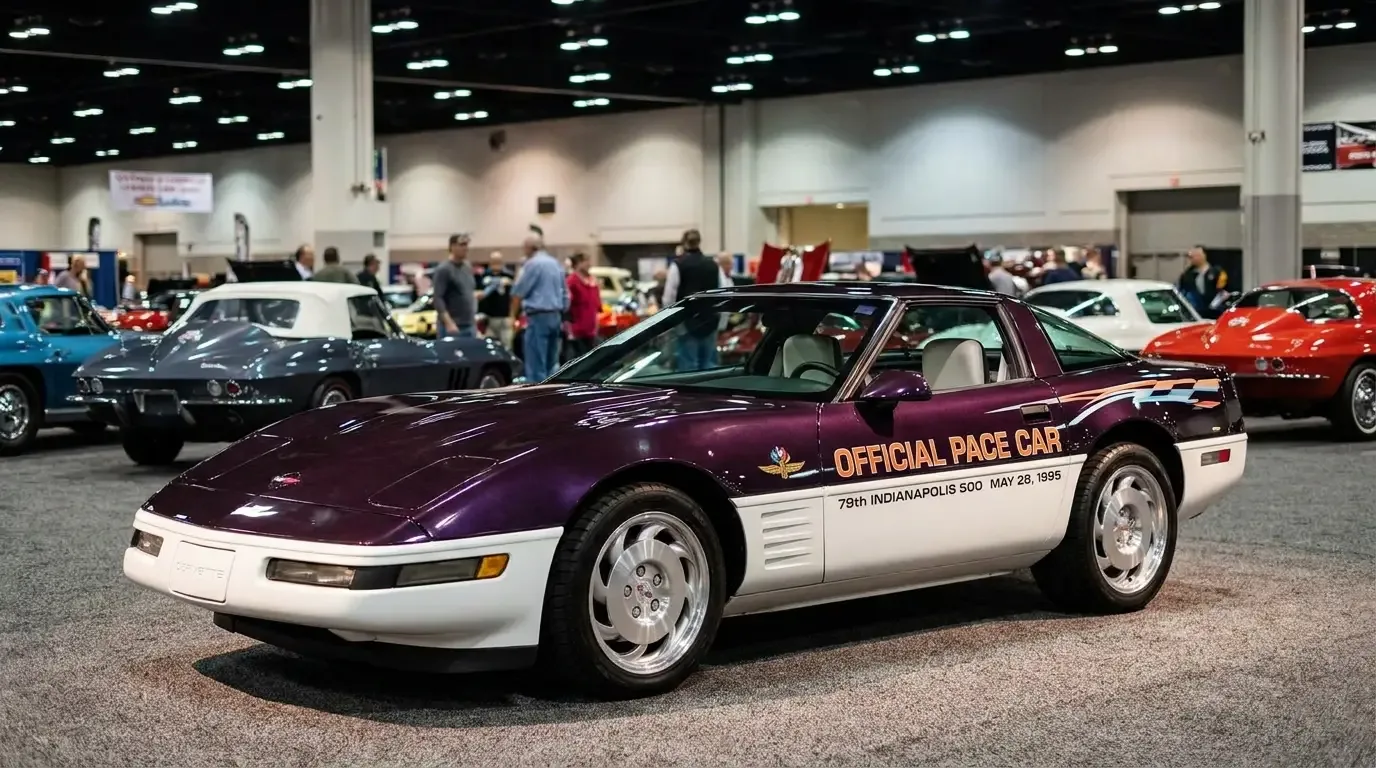
The C4 is where the smart money is looking now for entry-level collecting. Early C4s from 1984 through 1987 can still be found in good condition for under $15,000, and the LT1-powered 1992 through 1996 cars represent a generation that is only beginning to attract serious buyer interest. The 1990 through 1995 ZR-1, equipped with the Lotus-developed LT5 engine, sits in a different category: these cars were expensive when new and scarce in documented condition now, and the market has started to recognize that. Strong ZR-1 examples in the $30,000 to $55,000 range represent a value proposition that a C2 buyer in the early 2000s would have recognized.
Where value is heading: the C4 opportunity and the C2 ceiling
Two dynamics are worth watching. The first is C2 ceiling risk: the cars that were already expensive five years ago are now very expensive, and the buyer pool at those price points is genuinely limited. A $400,000 documented numbers-matching 1967 427 car is a fine asset, but it requires a buyer who has $400,000 available, is comfortable with the authentication, and believes the car will continue to appreciate. That buyer exists, but the market is not deep.
The second dynamic is generational turnover. Collectors who bought C2s in the 1990s and early 2000s are at the age where estates and lifestyle changes create selling pressure. When those cars hit the market, supply increases in the C2 segment while the buyer pool for high-price examples grows slowly. This is not a crash scenario for excellent, documented cars, but it argues for selectivity. The good cars will remain good. The borderline cars will find less support.
The C4, by contrast, is at the point in the appreciation cycle where C2s were thirty years ago. The cars are old enough to be interesting, young enough to still be undervalued, and plentiful enough that finding a clean example is still possible without paying a premium. Anyone looking for a classic Corvette for sale in the under-$25,000 range will find the C4 market offering more for the money than any other generation right now.
The collectibility of Corvettes, at every level, comes back to the same factors: rarity, documentation, and condition in that order. A common car in perfect condition is still a common car. A rare car with strong provenance is where the market consistently rewards patience. The L88 and ZL1 at the top end demonstrate this as clearly as any cars in the American collector market.
For the cultural side of the Corvette's appeal beyond the auction room, the story of how these cars entered the American imagination is equally interesting. Corvette in film and culture covers how the car moved from racing tool to cultural symbol across six decades.
Sources and notes
- Corvette Action Center: L88 production numbers by year (1967-1969) and official 430hp rating confirmed
- Hagerty Media: 1969 ZL1 Corvette -- only two factory-built units sold to the public confirmed
- Corvette Action Center: 1967 production numbers confirming 3,754 L71 427 Tri-Power units built
- Vette Vues: 1971 Corvette LS6 history confirming 188 units produced with the 454 LS6 engine
- TopSpeed: $3.85 million 1967 L88 auction record at Barrett-Jackson confirmed
- Corvsport: Mercury Marine production of the Lotus-developed LT5 engine for C4 ZR-1 confirmed