
Most collector cars follow a predictable arc: a generation buys them new, ignores them for twenty years, then rediscovers them at exactly the moment nostalgia peaks and supply tightens. Corvette has done something more interesting. It has appreciated across multiple generations, across every body style from C1 through C8, and across condition tiers that rarely all move at once. That pattern is worth understanding before you buy one, or before you decide what to do with one you already own.
For a broader view of which cars in this space carry genuine cultural weight, the deeper story on the rarest Corvettes explains what separates a desirable driver from something that museums fight over.
Why Corvette holds value differently than other American sports cars
The Corvette market does not behave like the Camaro market or the Mustang market, both of which are larger in raw volume and more sensitive to condition premiums at the top end. Corvette buyers tend to be more informed about production numbers, option codes, and documentation. That informed demand creates a floor under values that broad-market muscle cars rarely see.
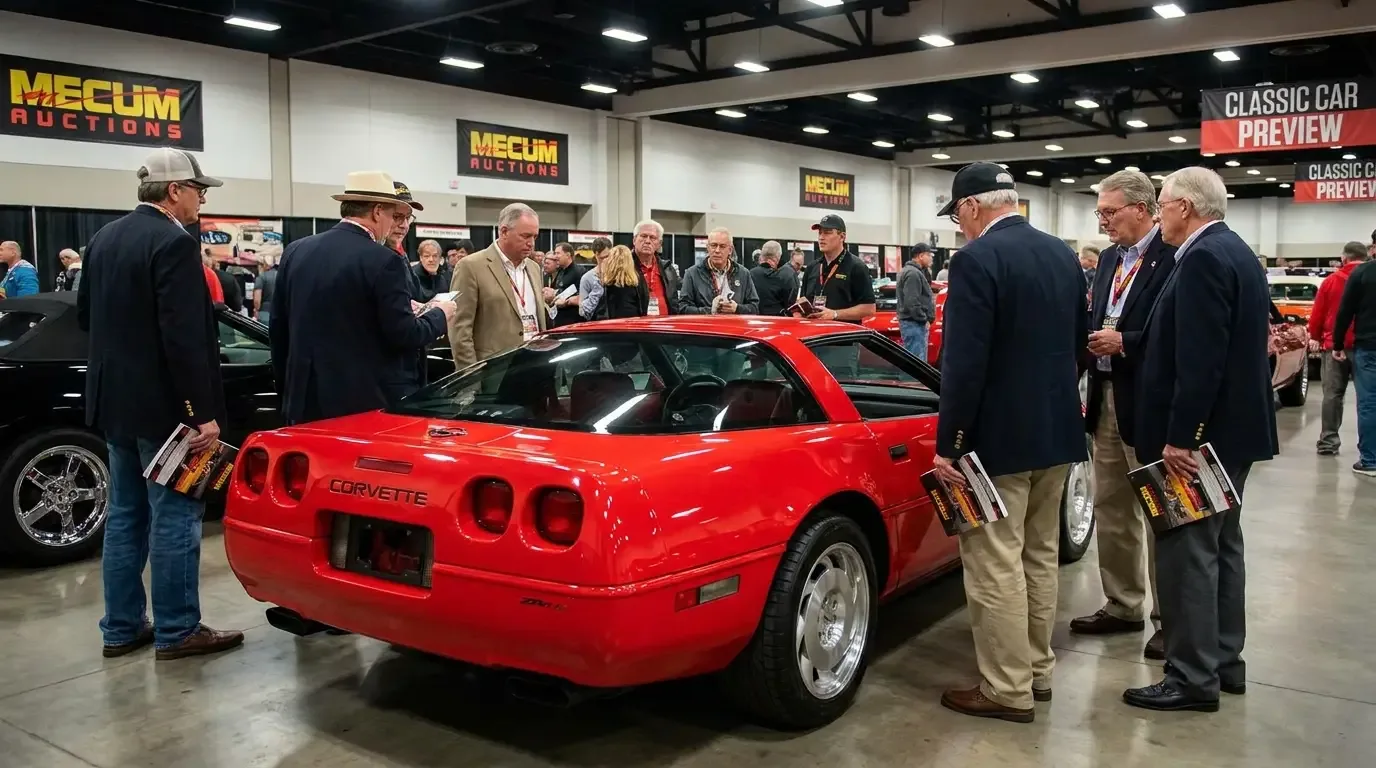
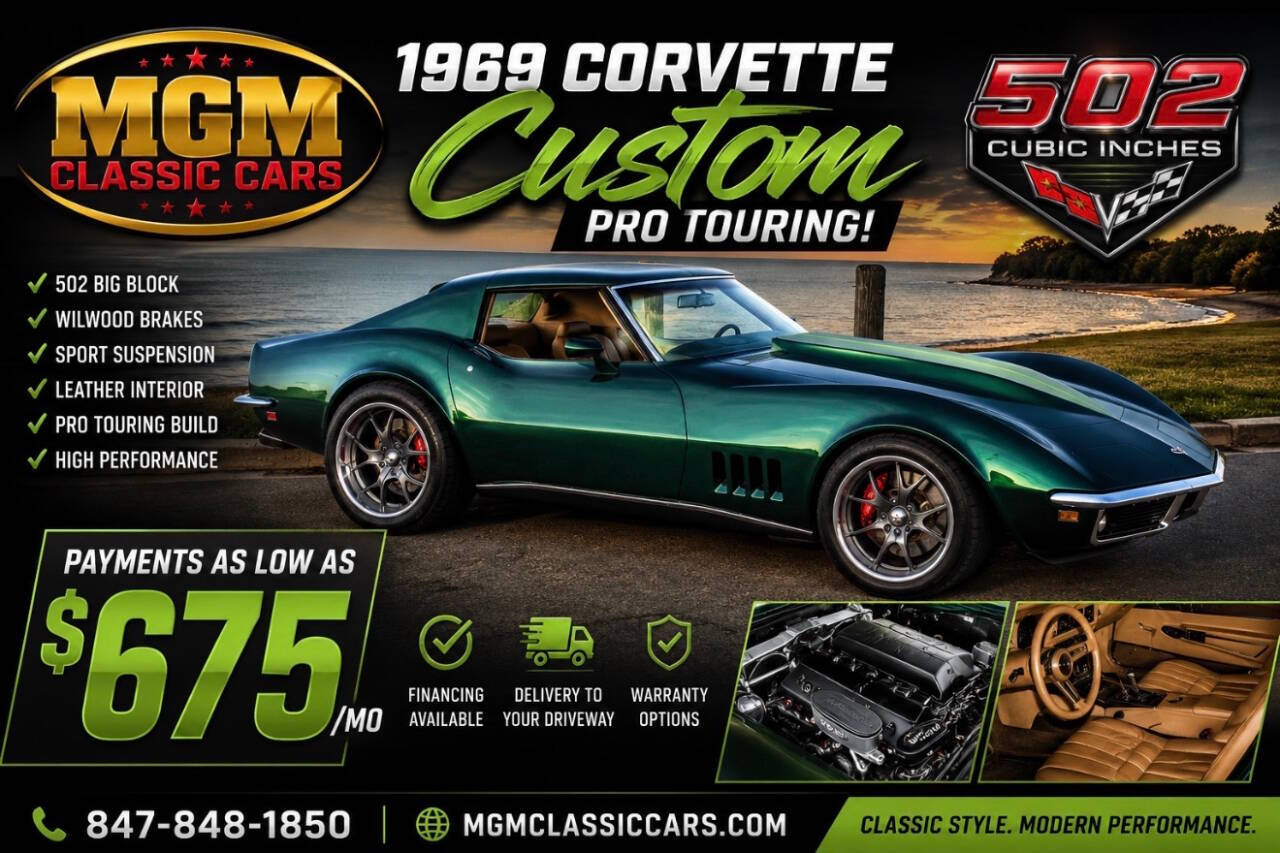
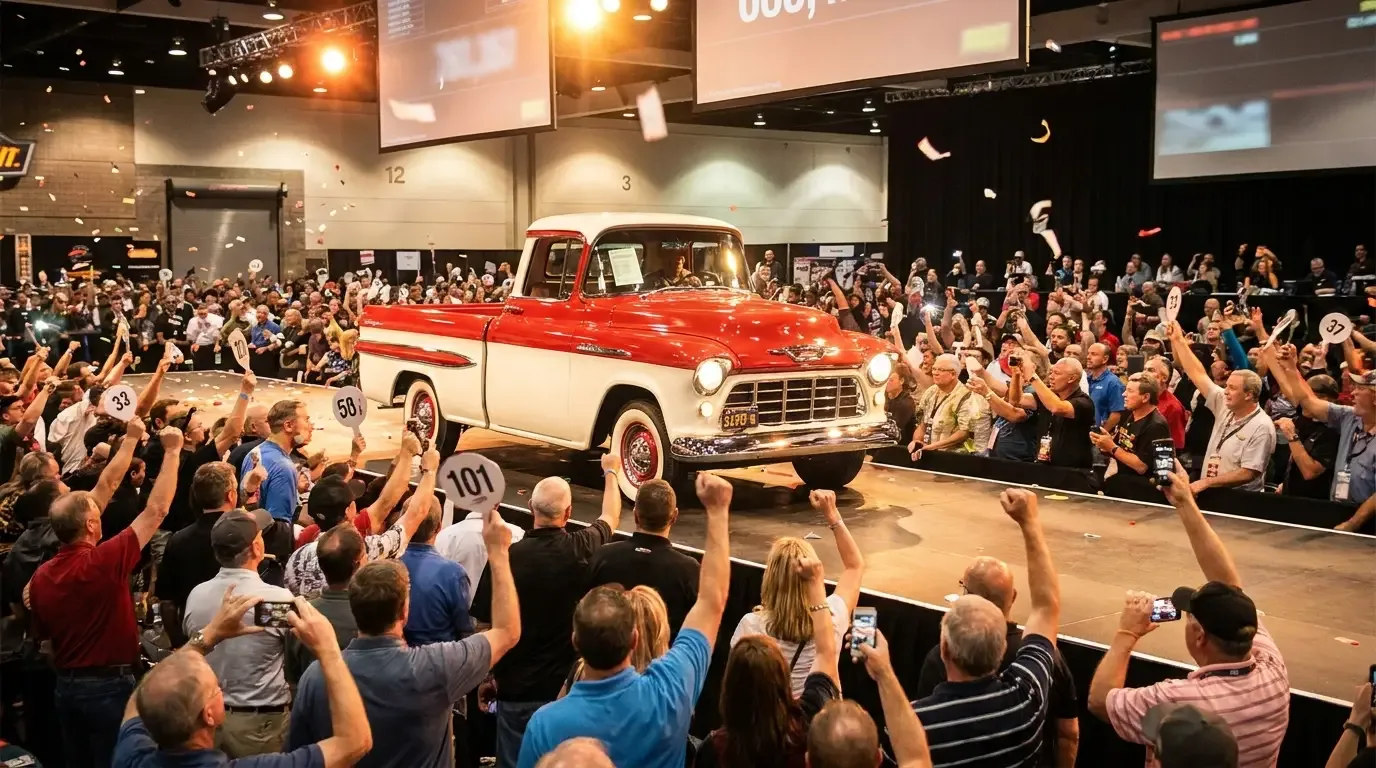
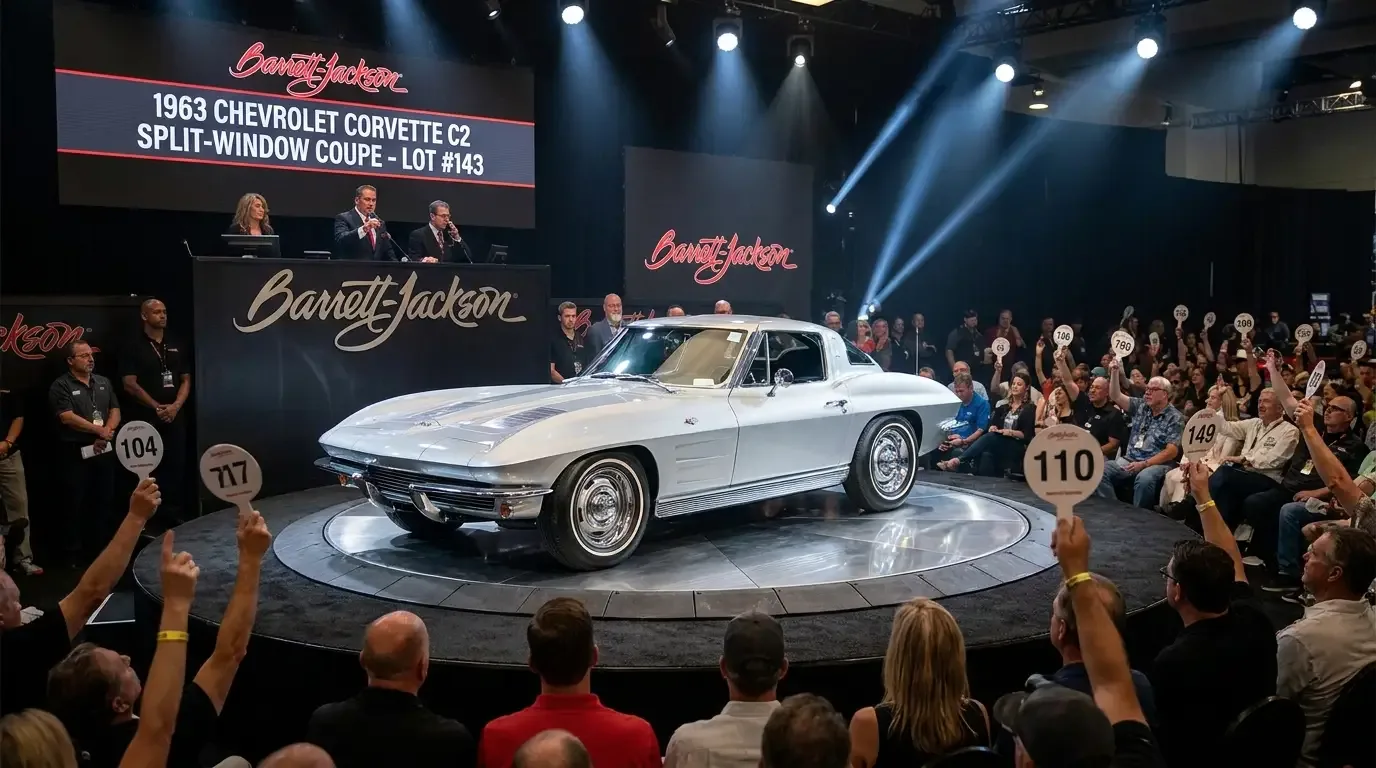
At Mecum Kissimmee and Barrett-Jackson Scottsdale over the past several years, base Corvettes with no special options have still sold consistently in the $25,000-$55,000 range depending on generation and condition. Add a numbers-matching drivetrain, correct date codes on major components, and original interior, and you are looking at a different conversation entirely. A solid C2 coupe in honest driver condition has not dropped meaningfully since 2018. That kind of stability is not accidental.
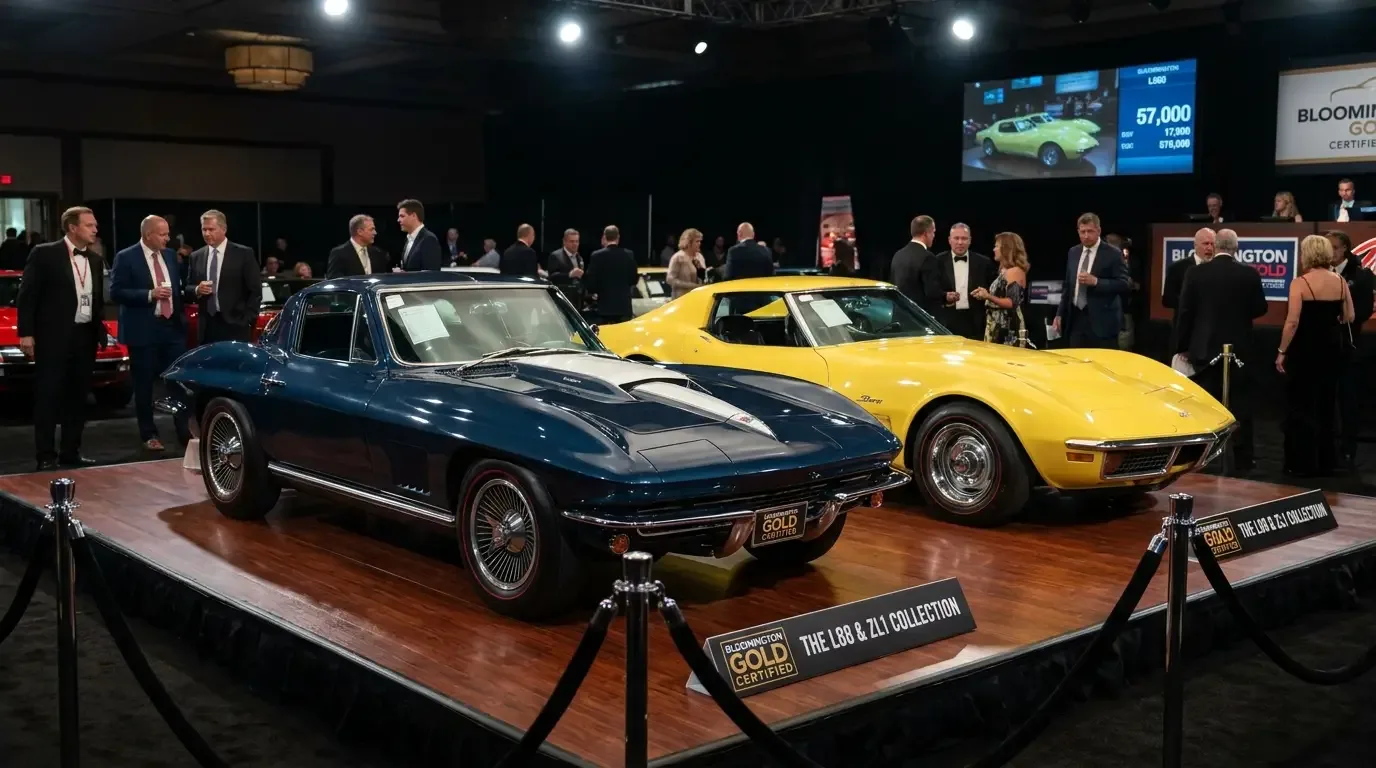
The other factor is the factory documentation culture. The National Corvette Restorers Society (NCRS) and Bloomington Gold have spent decades building a certification and judging infrastructure that makes high-score cars objectively verifiable. When a car has documented provenance, the market can price it without guessing. That reduces the uncertainty premium that depresses values on cars where buyers have to take the seller's word for things.
Generation-by-generation: where the appreciation has been sharpest
| Generation | Years | Driver range (approx.) | Top-tier range (approx.) | Market direction |
|---|---|---|---|---|
| C1 | 1953-1962 | $35,000-$65,000 | $90,000-$200,000+ | Stable to firm |
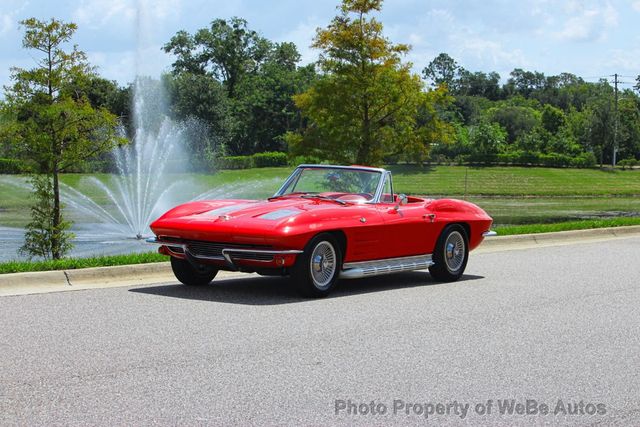
| C2 | 1963-1967 | $45,000-$90,000 | $150,000-$700,000+ | Strong, especially '63 split-window |
| C3 | 1968-1982 | $18,000-$45,000 | $60,000-$150,000+ | Early C3 rising; late C3 flat |
| C4 | 1984-1996 | $12,000-$28,000 | $35,000-$100,000+ | Gradual recovery; ZR-1 leading |
| C5 | 1997-2004 | $15,000-$30,000 | $40,000-$90,000 | Steady; Z06 outperforming |
The C2 story is the one that gets cited most often in collector circles, and for good reason. The 1963 split-window coupe has become a benchmark car. Early examples with big-block options and matching numbers have crossed $300,000 at auction on multiple occasions. But the broader C2 market, including base 327 cars without exotic options, has also held up because the design era and the engineering story both remain compelling to buyers who do not need a trophy car. They want a Corvette that looks like a Corvette from the era when the shape was still news.
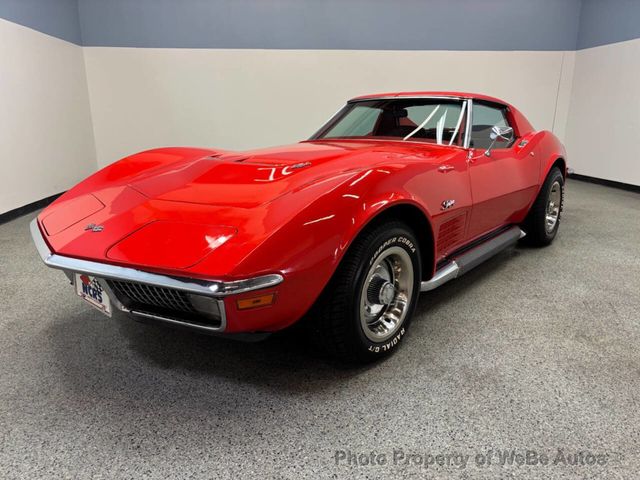
The C3 market is more divided. Early cars from 1968 through roughly 1972, before emissions and safety regulations began compressing horsepower numbers, have appreciated meaningfully. The LT1 small-block cars from 1970-1972 in particular have seen buyer attention that was not there a decade ago. Late C3s, the 1975-1982 cars with their smog-era engines and rubber bumper styling, remain mostly flat. Affordable entry points, but not the same trajectory.
To understand why some generations carry more weight than others, reading the story behind it gives the full manufacturing and design context that drives collector preference.
The C4 window and what it tells you about emerging appreciation
The C4 is the generation that most market observers watch right now, because it is in the early stages of the appreciation cycle that the C3 went through roughly ten to fifteen years ago. Buyers who were teenagers when the C4 was new are now in their forties and fifties, with the budget to act on nostalgia. The ZR-1, with its DOHC LT5 engine designed by Lotus and assembled by Mercury Marine, producing around 375 hp in early form, is the car leading that recovery. Clean ZR-1 examples have been moving from $35,000 into $55,000-$75,000 territory at auction, a range that would have seemed aggressive in 2019.
The companion piece on the companion story makes the case for why the C4's time as a collectible has arrived, and which configurations within the generation make the most sense as buys.
What the C4 cycle illustrates is a pattern that repeats across Corvette generations: the performance variants lead, the base cars follow at a distance, and condition and documentation separate the meaningful returns from the sideways money. A C4 with a bad automatic, worn interior, and no service history is still an affordable sports car. A C4 ZR-1 with documented low miles and correct components is something different.
"The Corvette market rewards documentation more than almost any American car I track. At Monterey last year, two C2 coupes with similar visual condition sold $80,000 apart. The difference was paperwork. One had a tank sticker, build sheet, and NCRS documentation. The other had a story. If you're buying as an investment, buy the one with the paperwork."
— David Mercer
What moves value up and what stops it
Three things drive Corvette appreciation more than anything else: documentation, drivetrain integrity, and rarity of configuration. A car with all three in place tends to appreciate. A car missing one of the three tends to plateau or move sideways.
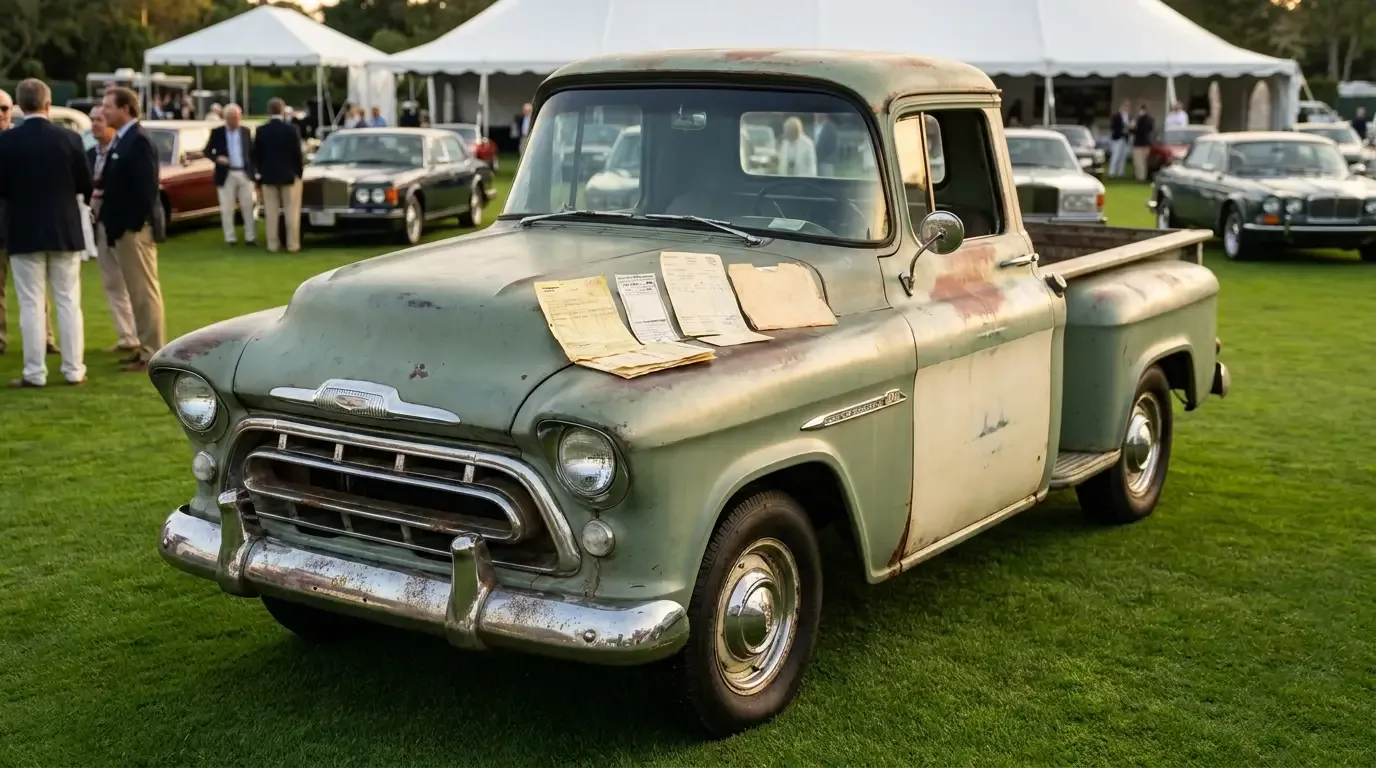
Documentation means the factory-issued records that traveled with the car: the Protect-O-Plate warranty card, the tank sticker (the build record affixed inside the trunk during assembly), the original window sticker if it survives, and any NCRS or Bloomington Gold judging records from subsequent years. These documents are not replaceable. When they are gone, they are gone, and the market knows it.
Drivetrain integrity means matching numbers: the engine block, cylinder heads, transmission, and rear axle carrying the correct date codes and casting numbers for the build date visible on the VIN. For high-performance configurations, this is where the premium concentrates most sharply. A numbers-matching L88 is worth multiples of a correct-appearing car with a replacement engine. The spread is not subtle.
Rarity of configuration is more predictable than people expect. The factory production records are available, and the collector community has decoded them thoroughly. An L71 427 Tri-Power car is not rare by muscle car standards, but it is rare enough in C2 form to carry a premium over the base 327. A genuine L88, with its racing-intent specifications and minimal production run, carries a premium that reflects documented scarcity rather than just reputation.
Buying into the Corvette value story today
The question buyers ask most often is where the remaining value is. Honestly, it depends on how much you want to spend and what time horizon you are working with. The C2 market is not cheap, and the best-documented cars are now priced by sellers who understand what they have. The entry point for a genuinely collectible C2 with correct drivetrain and documentation is probably $60,000 at a minimum for a driver-quality example, more realistically $75,000-$90,000 for something you would take to an NCRS regional.
The better opportunity right now is in the C4 ZR-1 and the C5 Z06, where the appreciation cycle is earlier and condition premiums are still not fully priced in. A clean C5 Z06 with under 40,000 miles and documented service history is still available in the $35,000-$50,000 range in most markets. In ten years, if the pattern holds, that range looks different.
If you are looking at current inventory, browsing classic Corvette for sale lets you compare what is actually on the market against the price ranges discussed here. The gap between asking prices and what auction results show is sometimes instructive on its own.
The Corvette value appreciation story is not a secret, and it is not finished. The cars keep finding buyers, documentation keeps mattering, and the performance variants keep leading the market upward. None of that is new. What changes is which generation is in the early part of the cycle versus which has already run. Right now, that reading points toward the C4 and early C5 as the live opportunity, and toward the C2 as the established benchmark that has already priced the story in.
Sources and notes
- National Corvette Museum: LT5 Engine — confirmed Lotus designed the LT5 and Mercury Marine assembled it in Stillwater, Oklahoma; confirmed 375 hp rating for 1990-1992 models
- Corvette Action Center: 1990-1995 ZR-1 LT5 Engine Specifications — confirmed 375 hp / 370 lb-ft torque for early-production ZR-1, rising to 405 hp from 1993
- Vette-Vues: 1963 Corvette Specifications and History — confirmed split-window produced one model year only; Zora Arkus-Duntov opposed the center bar for obstructing rear visibility
- Vette-Vues: 1963 Corvette Z06 Split-Window sold for $687,500 at Mecum Indy 2024 — supports C2 top-tier price range
- Classic.com: C4 ZR-1 Market Data — confirmed average sale price around $40,000-$41,000; highest recorded sale $297,500 for a 1990 example in February 2026
- Hagerty Media: Best Corvettes Per Dollar — market context for C1 through C7 generation value trends and condition-based pricing