
The C4 Corvette has spent most of its collector life being the one people skip. Too common. Too digital. Too much of the 1980s. That story is changing, and the price data from the past two auction cycles backs it up. If you have been waiting for the right moment to get into a C4, the window is open right now, but it will not stay open indefinitely.
The C4 ran from 1984 through 1996. Thirteen years, a complete engineering reinvention, and a sales volume that makes early examples genuinely attainable. For years that volume was the problem: too many cars kept prices soft. What shifted is that the worst examples, the flood cars, the high-mileage drivers that absorbed deferred maintenance for decades, the ones with failed digital dashboards nobody bothered to fix, have been slowly removed from the market or priced into scrap territory. What remains is cleaner than it was five years ago.
The segment David Mercer tracks at Scottsdale and Kissimmee is the middle tier: cars with 40,000 to 80,000 miles, documented service history, no frame damage, and factory options intact. These are moving. Not at the pace of a C2 roadster, but moving with real conviction, particularly the ZR-1 and the final-year Grand Sport.
Where the C4 market actually sits in 2026
Driver-quality base C4s from the mid-1980s, the L98-equipped coupes from 1985 onward with worn interiors and cosmetic issues, still trade in the $8,000 to $14,000 range depending on miles and condition. That floor has not moved dramatically, and it probably will not. There are still enough of them around that buyers have options. The data gets more interesting above that.
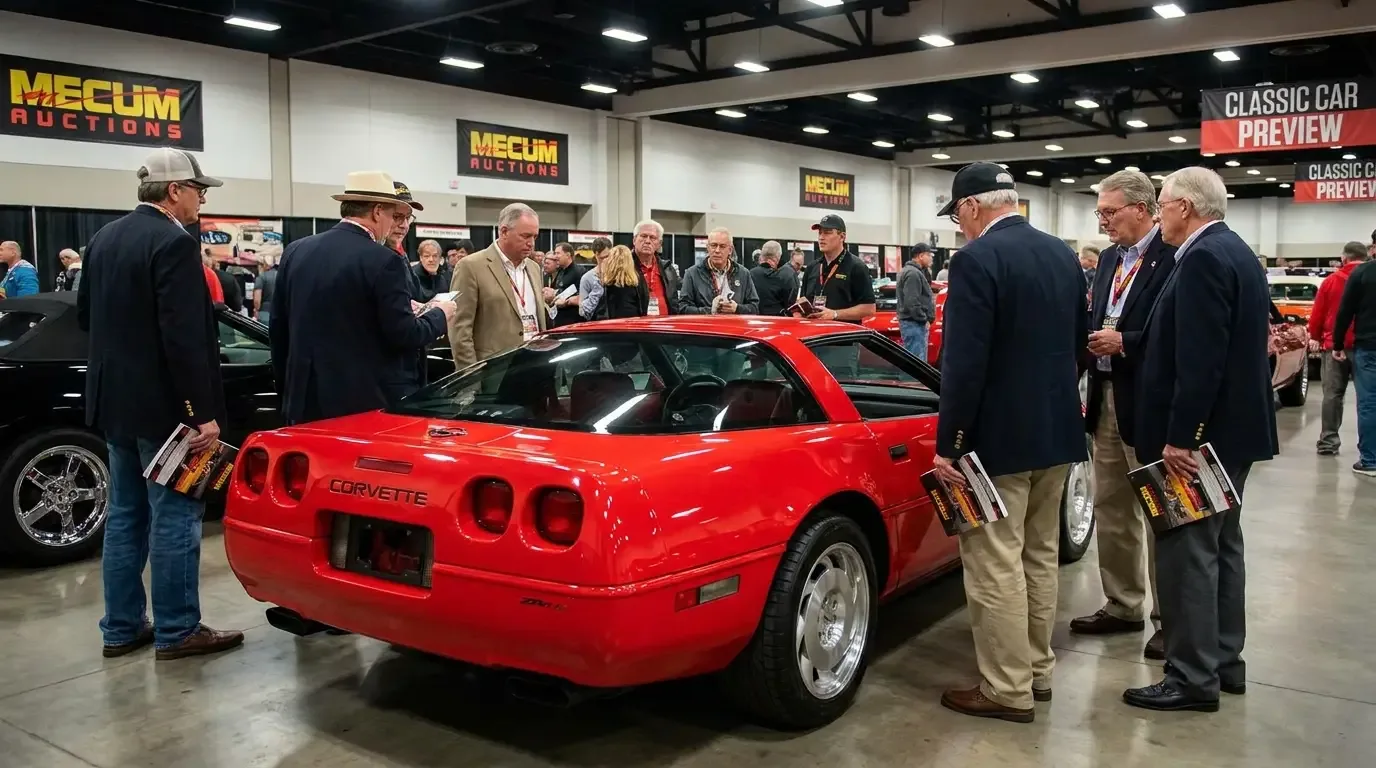
Solid, optioned base coupes from 1990-1995 with original paint and documented history have cleared $18,000 to $24,000 at regional auctions over the past 18 months. Convertibles from the same era carry a $3,000 to $5,000 premium over equivalent coupes, a spread that has widened slightly as convertible supply tightens. Clean 1996 Collectors Edition examples have crossed $30,000 at Mecum more than once. The market is differentiating by condition and documentation more sharply than it did three years ago, which is how collector car segments mature.
The ZR-1 is the segment everyone watches. Production ran from 1990 through 1995, with total output of 6,939 units across all years. The LT5 engine, built by Mercury Marine and rated at 375 hp for 1990-1992 and 405 hp for 1993-1995, was unlike anything else in the C4 lineup. ZR-1s have consistently cleared $35,000 to $55,000 for well-documented examples, with the best cars pushing higher. The gap between a tired ZR-1 and a clean one is significant, buyers who paid attention to provenance are being rewarded.
Which years and variants are worth buying
Not all C4s are equally positioned for appreciation. The 1984 model year is the riskiest: it was a first-year car with a four-speed automatic only (the manual had engineering problems and was shelved mid-year), and many of the early digital systems have chronic reliability issues at this point. Buy one because you want the car, not because you expect the market to reward you.
The 1992-1996 window produces the most investment-grade candidates. By 1992 the LT1 engine had arrived, emissions tuning had matured, and build quality had improved. The 1996 model year is particularly interesting: the final C4 year produced only around 21,500 total units, a meaningful drop from the mid-decade production peaks, and it included the Grand Sport package and Collectors Edition as distinct variants. Low-mile 1996 examples are being held, not driven. When clean ones do surface at auction, they sell.
| Variant | Engine | Approx. power | Market tier (2026) |
|---|---|---|---|
| Base coupe/convertible 1984-1991 | L83 (1984) / L98 V8 (1985-1991) | 205-250 hp | $8,000-$18,000 driver/solid |
| Base coupe/convertible 1992-1995 | LT1 V8 | ~300 hp | $14,000-$26,000 solid/show |
| ZR-1 1990-1995 | LT5 V8 | 375-405 hp | $35,000-$55,000+ |
| 1996 Grand Sport | LT4 V8 | ~330 hp | $40,000-$65,000 clean |
| 1996 Collectors Edition | LT4 V8 | ~330 hp | $28,000-$38,000 clean |
What is pushing the C4 into collector territory now
Three forces are converging. First, generational demand: the buyers who were teenagers when the C4 was new are now in their 40s and 50s with disposable income and nostalgia they are willing to act on. This pattern has repeated with every generation of collector cars, and it is running right on schedule for the C4. Second, C3 prices have priced out a portion of the market that used to absorb them. A clean 1969 Stingray now requires a serious budget, and buyers who cannot or will not spend that money are looking one generation forward. Third, the remaining clean C4s are genuinely scarce in a way they were not a decade ago. The attrition of neglected examples has done its work.
For context on where the Corvette hierarchy currently stands, the debate about the most valuable corvette era still centers on C1s and early C2s, the C4 sits below that ceiling with significant room to move. That distance is the opportunity.
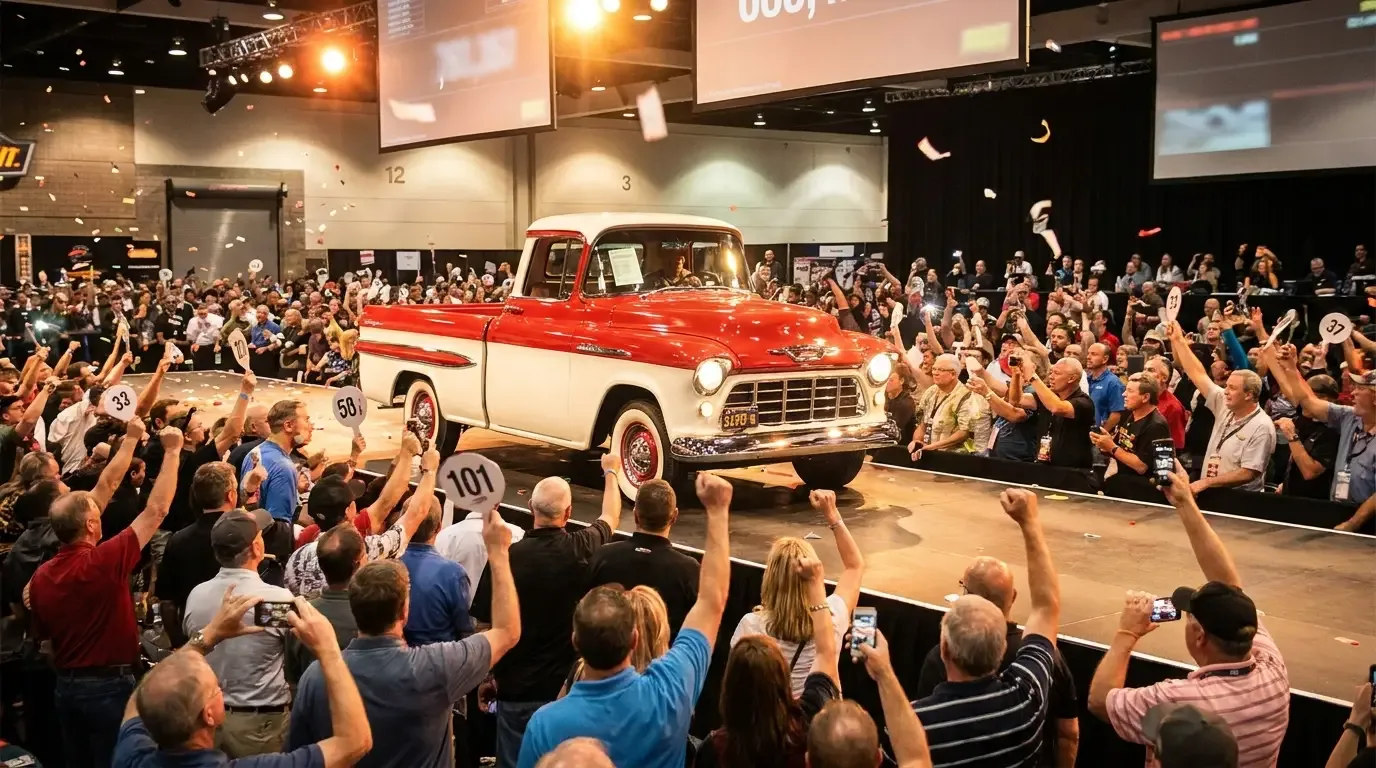
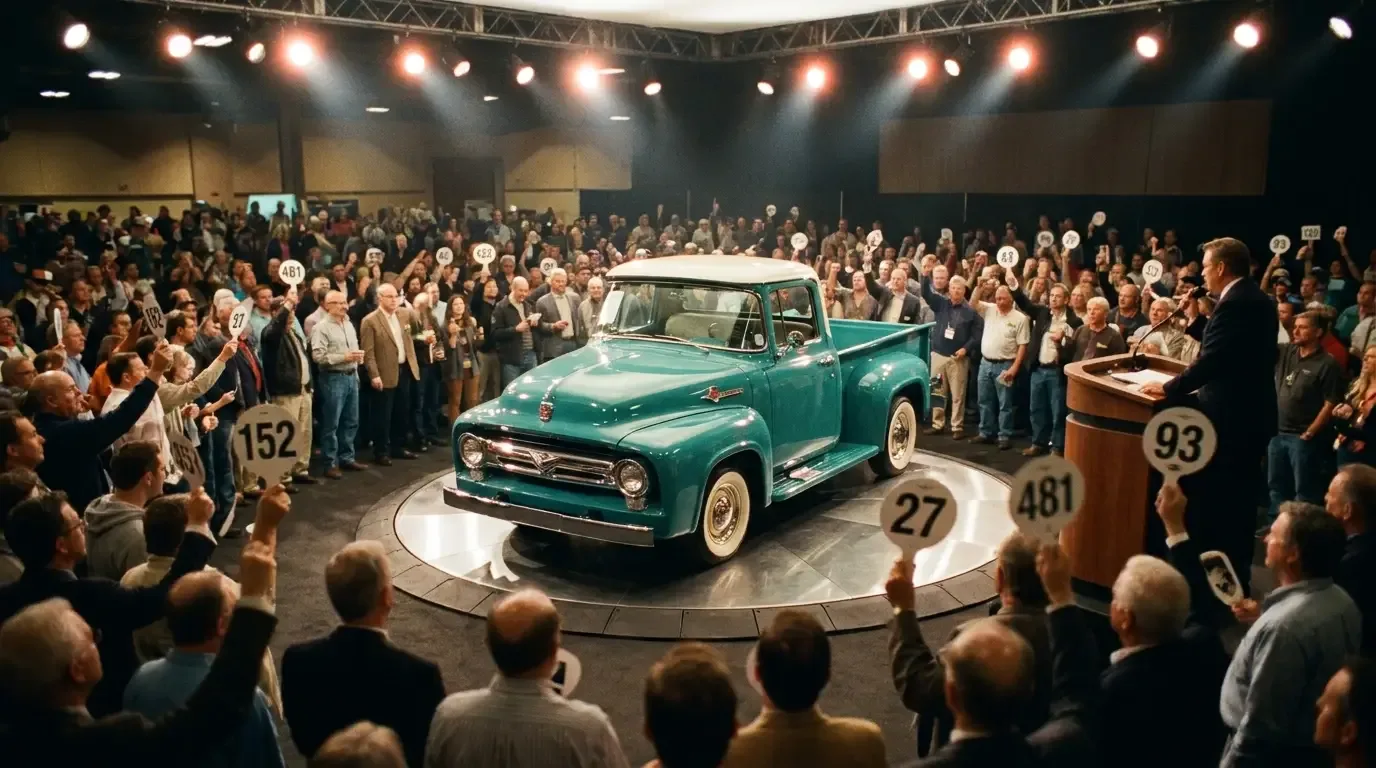
Auction results for significant Corvettes across all generations have been strong. If you want to see what record-setting examples command, read on for the auction results that set the benchmarks the rest of the market references.
"The C4 is doing what undervalued collector cars do when supply tightens and the right demographic shows up: it stops being cheap. The buyers I see at Kissimmee now are not flipping C4s. They are keeping them. That changes the supply math permanently."
— David Mercer
What to watch out for when buying
The C4's reputation for electrical problems is not entirely wrong, but it is partly obsolete. The early digital dashboards from 1984 to roughly 1989 used display technology that fails with age, cracks, dead segments, full blackouts. Replacement units exist from aftermarket suppliers, but budget for it and confirm the car's dash functions before buying. On late C4s this is largely a non-issue.
Frame corrosion is the structural concern. These cars do not have traditional body-on-frame construction, but the birdcage structure can corrode in wet-climate examples, and the repair is not cheap. Pull back the carpet at the sills. Look at the rockers. A car with clean California or Arizona ownership history is worth paying for.
Active handling and ABS components are another line item. The electronics that manage these systems have become harder to source, and when they fail the car throws codes and sometimes becomes difficult to drive. Factor that into your offer if the dash is showing warning lights the seller cannot explain.
Whether to buy now or wait
The data says buy now, with appropriate selectivity. Prices for clean, documented examples are rising but have not yet reached a level that removes the value case. The window where you could acquire a solid 1994-1996 LT1 car for under $20,000 is closing. It is not closed yet.
What the market will not reward is buying the wrong car hoping it appreciates into a correct one. A C4 with deferred electrical work, undocumented history, and cosmetic damage is not a value play at any price below a clean example. The spread between driver-quality and solid examples is widening, not narrowing, which means condition matters more than it did two years ago.
If you want to act on this, the current inventory gives you options. C4 Corvettes for sale on the listings page shows what is actually on the market right now, with prices you can compare against the auction benchmarks above. The market is moving, but it has not run away yet.
Sources and notes
- Corvette Action Center: 1990-1995 ZR-1 production numbers by year (total 6,939 units)
- Corvette Action Center: LT5 engine specs — 375 hp (1990-1992) and 405 hp (1993-1995)
- Corvette Action Center: 1996 Grand Sport production — 810 coupes and 190 convertibles
- Corvette Action Center: 1996 Corvette total production numbers (21,536 units)
- Wikipedia: Chevrolet Corvette (C4) — engine chronology, L83/L98/LT1/LT4/LT5 specifications by year
- CorvSport: Guide to every C4 Corvette engine — L83 (1984, 205 hp), L98 (1985-1991, 230-250 hp), LT1 (1992-1995, 300 hp)