Collector car auctions have a way of clarifying what the market actually thinks, as opposed to what sellers wish it thought. When a Corvette crosses the block at a major house and the bidding keeps climbing past seven figures, that number tells you something no asking price ever could. The most expensive production Corvette ever sold at auction holds that record for specific reasons, and understanding those reasons matters whether you're buying, selling, or simply tracking where the top of this market sits.
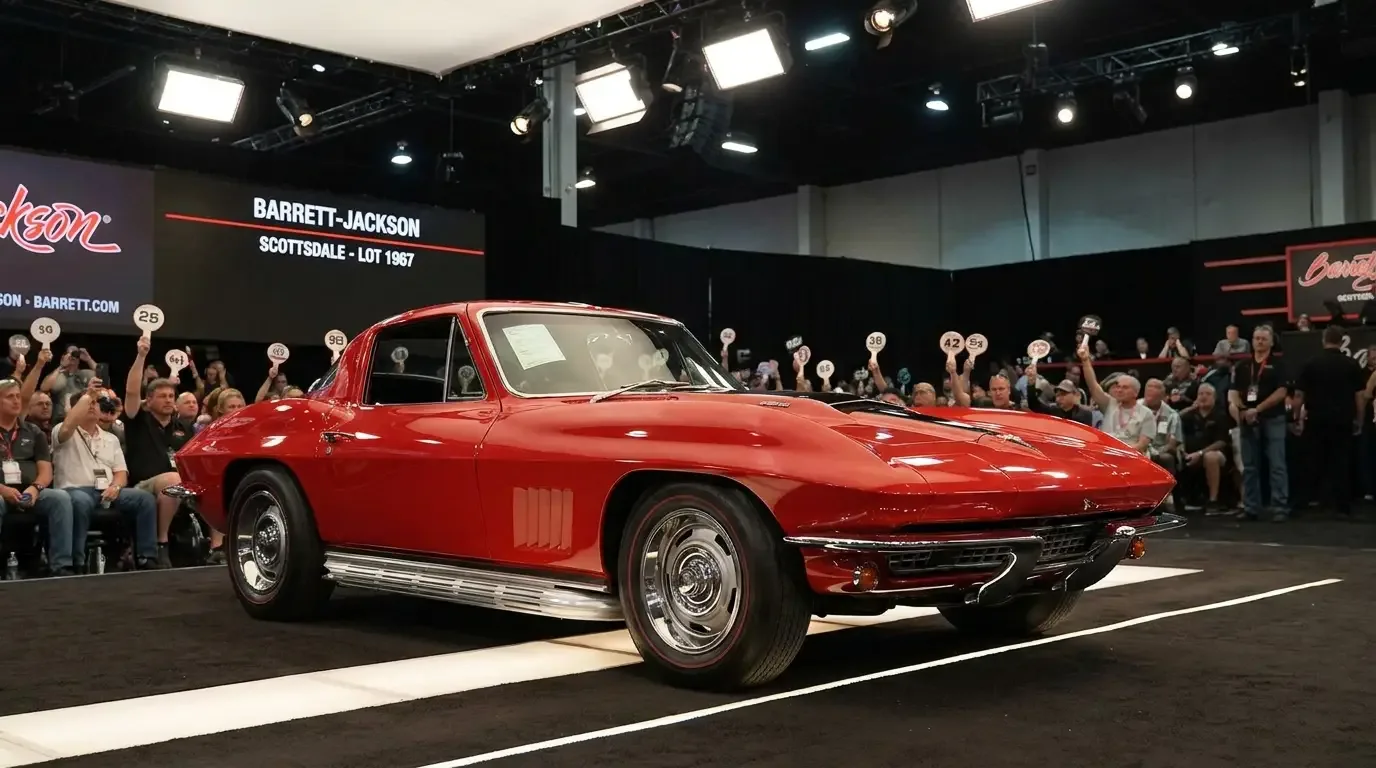
The record belongs to a 1967 L88 Corvette Coupe that sold for $3,850,000 at Barrett-Jackson's Scottsdale auction in 2014. That number has been cited in the collector car press and stands as the benchmark against which every significant production Corvette sale since has been measured. To understand why this particular car reached that figure, you have to understand what the L88 was, and what it wasn't.
What made the L88 the record car
The L88 option in 1967 was not a street package. Chevrolet built it for racing, priced it high deliberately to discourage casual buyers, and equipped it with a 427 cubic inch engine that the factory rated at 430 horsepower, a number that was widely understood at the time to be a significant understatement. The actual output was closer to 550 to 570 horsepower, though the factory's conservative rating served a purpose: it kept insurance underwriters from paying attention.
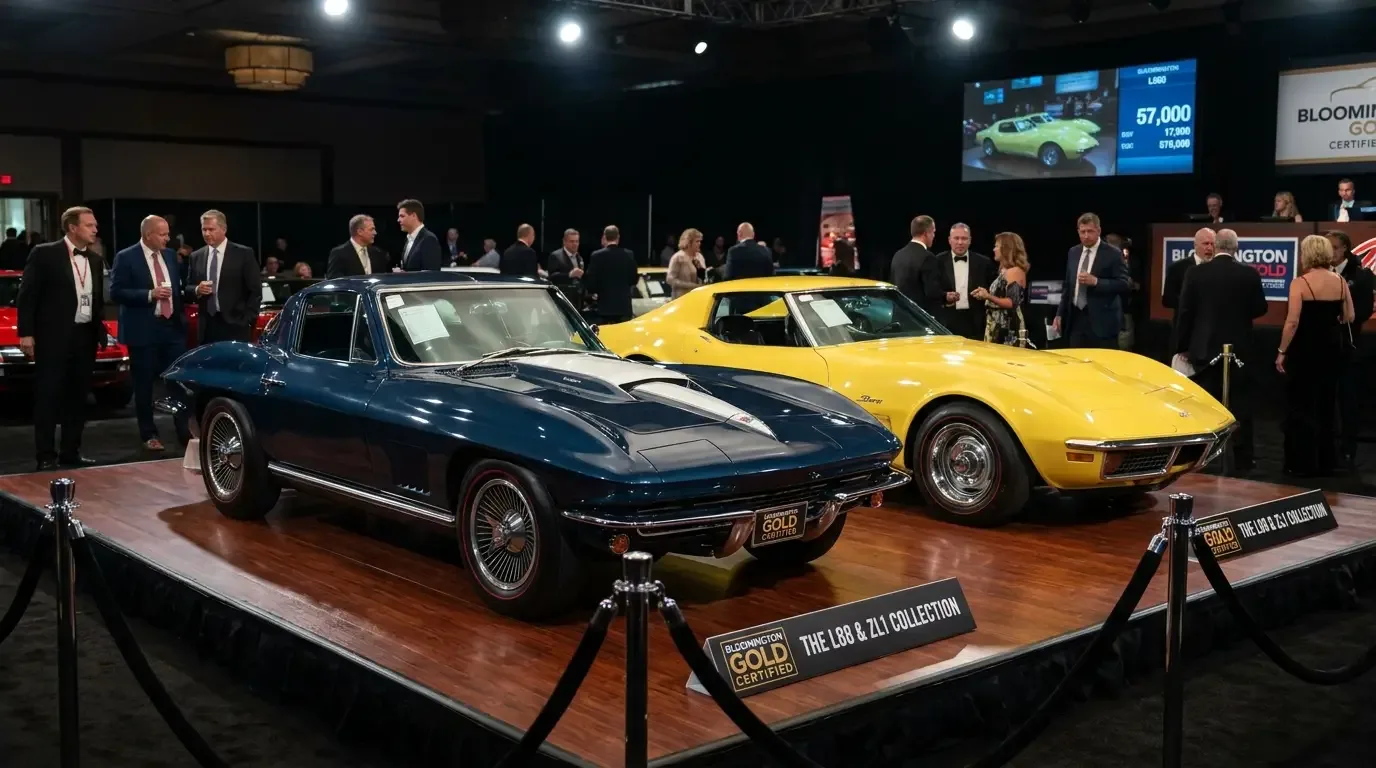
Production was extraordinarily limited. Exactly 20 L88 Corvettes were built for 1967, a number small enough that authenticated examples are known individually within the Corvette collector community. The NCRS and Bloomington Gold authentication processes have documented the surviving cars, and provenance matters enormously at this price level. A car with its tank sticker, original drivetrain, and a documented competition history occupies a different category entirely from an L88 that has been restored or modified.
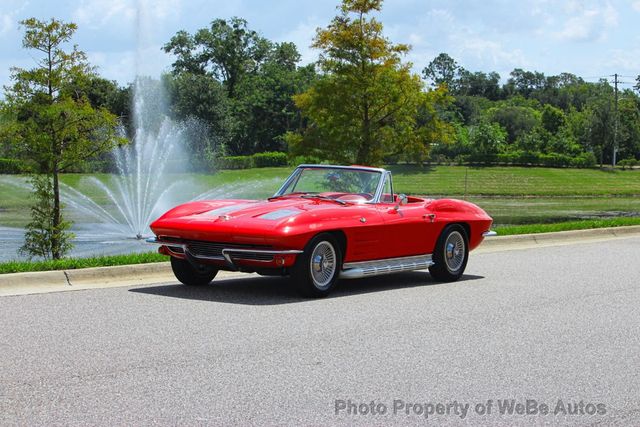
For context on the most valuable corvette era, the C2 generation from 1963 to 1967 consistently commands the highest prices across all Corvette segments. The closed-headlight split-window coupe from 1963 is the other iconic C2, but the L88 sits above it on pure rarity and racing pedigree.
How the record sale compared to the broader market
Putting $3.85 million into perspective requires looking at what the rest of the top-tier Corvette market was doing around the same period. Mecum, Barrett-Jackson, and RM Sotheby's regularly move significant C1 and C2 cars, but the gap between a high-quality driver-level L88 and a documented, numbers-matching example with racing history is measured in millions, not thousands.
| Car / sale | Auction house | Result (approx.) | Notes |
|---|---|---|---|
| 1967 L88 Corvette Coupe (record production sale) | Barrett-Jackson Scottsdale | $3,850,000 | Only red-on-red example, documented competition history, original drivetrain; sold 2014 |
| 1967 L88 Corvette (other top examples) | Various | $1,800,000–$3,000,000 | Condition and documentation drive spread; same red/red car returned to Mecum 2024 |
| 1963 Split-Window Coupe (Z06) | Various major houses | $687,000–$935,000 | Fuel-injected Z06 examples at top of range; exceptional provenance cars can exceed these figures |
| 1969 L88 Corvette | Barrett-Jackson / Mecum / Gooding | $500,000–$860,000 | Higher production than 1967, lower price ceiling; top documented examples approaching $900K |
| Standard C2 427/435 Coupe | Regional and national | $80,000–$180,000 | Condition and options determine range |
The spread between that last row and the record sale is what separates rarity from collectibility. Plenty of 427 Corvettes are available; documented 1967 L88s are not. When supply is effectively fixed at 20 cars total, a single motivated buyer changes the market.
"The L88 record tells you less about the Corvette market broadly and more about what happens when genuine scarcity meets a motivated room. That's not a repeatable formula. But it is a ceiling worth knowing."
-- David Mercer
What drives Corvette auction records
Three factors consistently separate record Corvette sales from merely strong ones: documentation, originality, and competition provenance. A car that can be traced through its tank sticker, window sticker, original title chain, and period racing records enters a different conversation than one with a clean restoration and circumstantial history. The authentication work done by the NCRS over decades has made this provenance question answerable, which in turn has made the top tier of the market more liquid. Buyers know what they're getting.
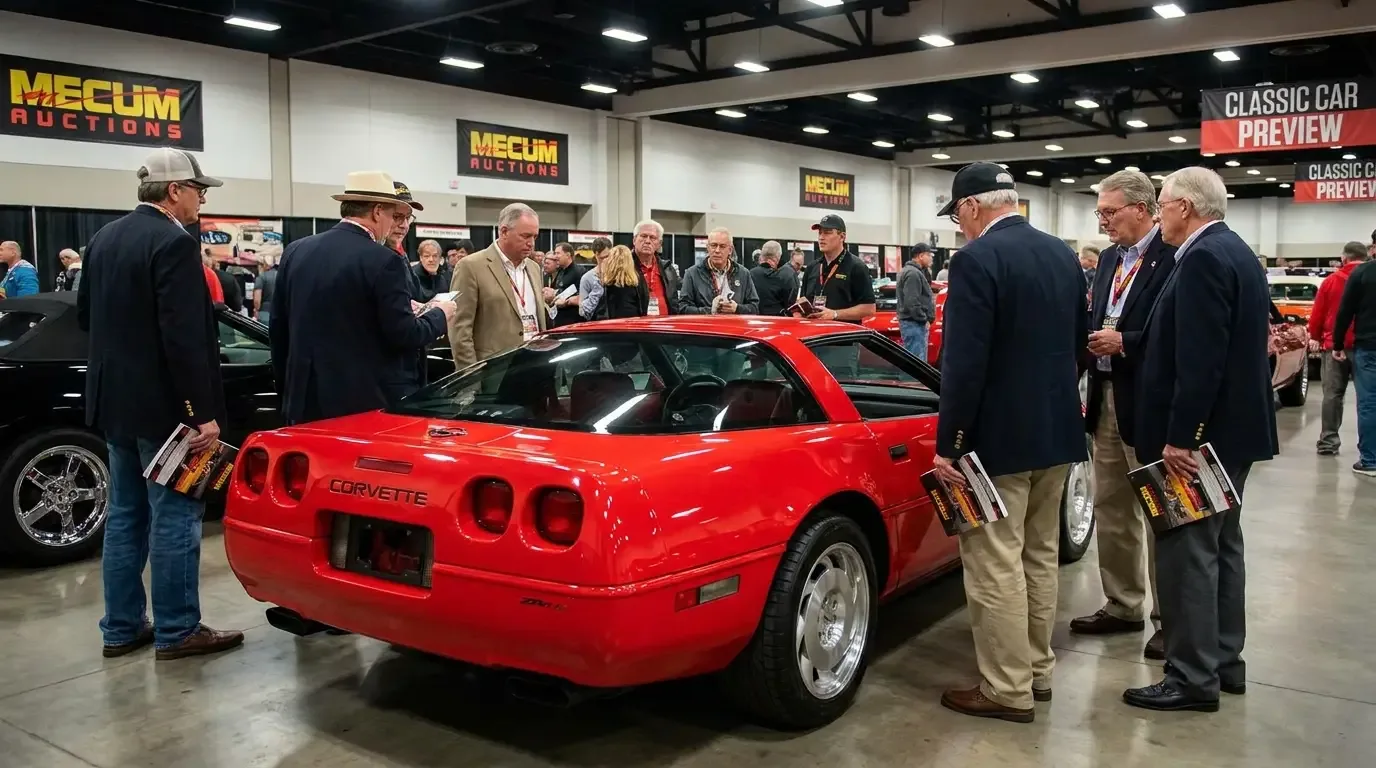
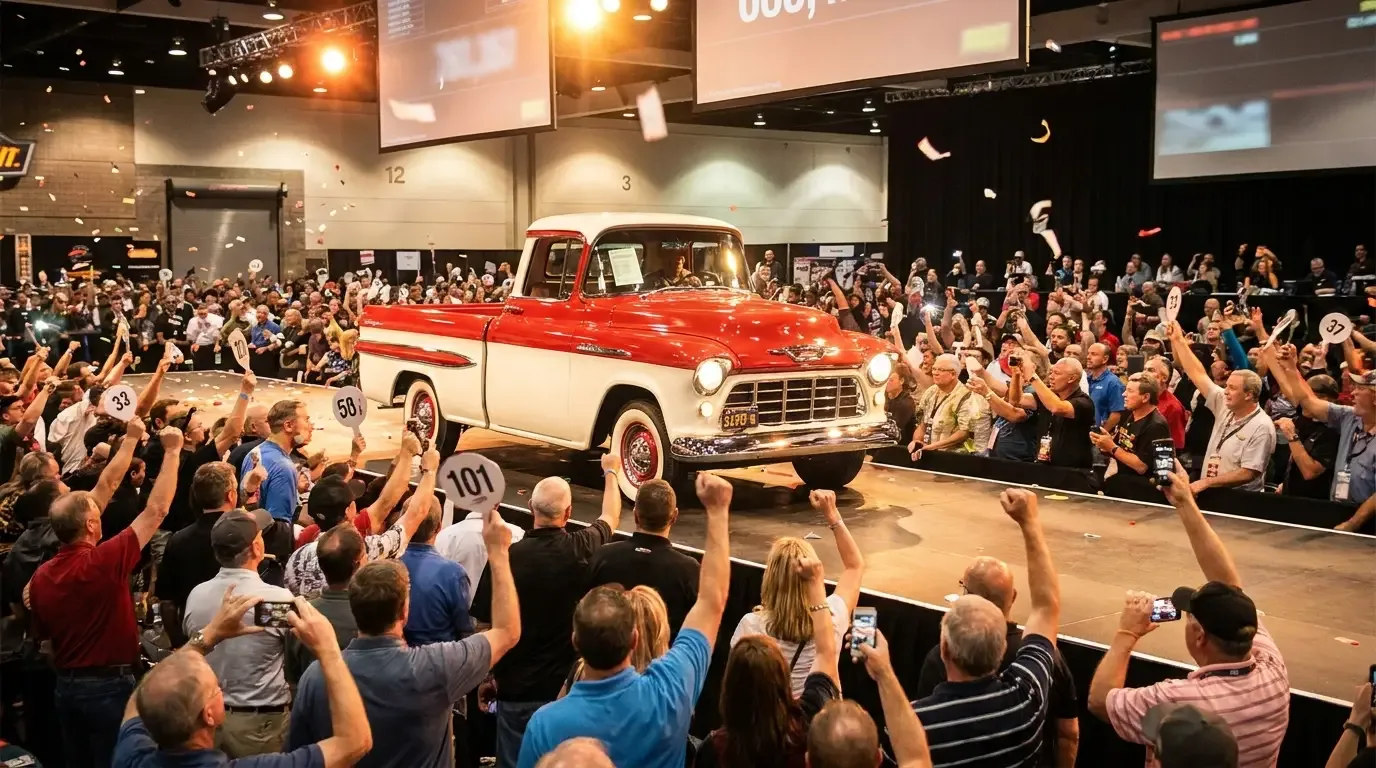
The auction house matters too. Barrett-Jackson Scottsdale in January draws serious money from buyers who have made the decision to spend before they arrive. Mecum Kissimmee operates similarly. These events concentrate buying power in a way that regional auctions cannot, and when two or more deep-pocketed bidders want the same rare car at the same moment, the hammer price reflects that competition directly.
If you want the full picture of how Corvette went from a compromised 1953 launch to one of the most contested collector cars on the planet, the Corvette timeline traces every significant development across all generations.
What the record means for buyers today
If you're not in the market for a documented L88, the record still matters to you. It anchors market psychology for the whole Corvette segment. When the top of the C2 production market is sitting above $3 million, it legitimizes strong prices for cars further down the food chain. A solid 427/390 coupe that might have seemed expensive at $120,000 a few years ago looks more reasonable when the market understands where the ceiling is.
The practical implication for buyers working in the $50,000 to $250,000 range: the record sale raises awareness of Corvette as a serious investment-grade car, which brings more competition into auctions and private sales alike. That means you need to know your price before you bid, because the room may be better informed than it was five years ago.
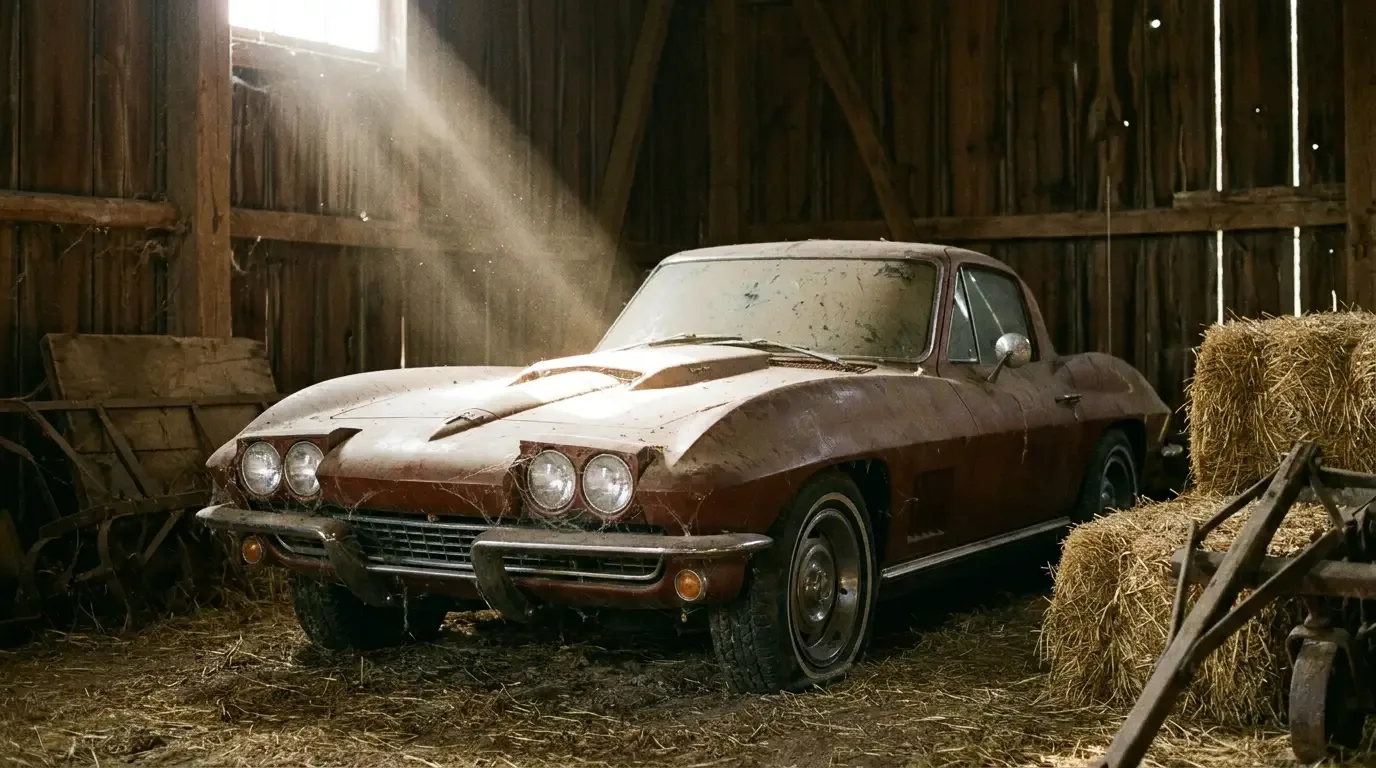
There's also the barn-find angle. The L88's scarcity means undiscovered examples still surface occasionally, usually from estates where the car has been stored for decades. These don't typically come to market at record prices because the documentation work isn't done yet. The related article covers what those situations actually look like when they come to light, including what buyers paid and what the cars needed.
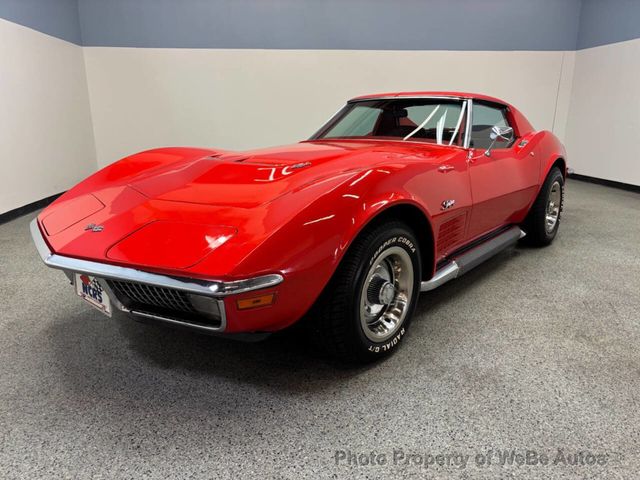
The record-setting sale confirms something the data has been showing for years: documented C2 Corvettes with genuine racing pedigree are no longer a niche within the collector market. They are the collector market at its highest levels. For buyers at any budget, understanding where that ceiling sits shapes what everything below it is worth. If you're ready to start looking, classic Corvette for sale listings give you a current read on what's available across all generations and conditions.
Sources and notes
- Top Speed: Iconic 1967 Chevy Corvette Sets Auction Record at $3.85M -- confirmed auction house (Barrett-Jackson), year (2014), and car details
- Corvette Action Center: 1967 L88 Production Numbers -- confirmed exactly 20 total L88 units produced in 1967
- Corvette Action Center: L88 Engine Specifications -- confirmed 430 hp factory rating and approximately 550-570 hp actual output
- CorvSport: 1957 Corvette SS Project XP-64 sells for $7.705M at RM Sotheby's (February 2025) -- overall Corvette auction record including concept/race cars
- Vette Vues: 1963 Corvette Z06 Split-Window Coupe at Mecum Indy 2024 ($687,500) -- used for market comparison data
- CorvSport: Record-Breaking $860,000 Sale of 1969 Corvette L88 -- used for 1969 L88 price ceiling data in comparison table