Two events define what a Corvette is worth at the top of the market: Bloomington Gold and the National Corvette Restorers Society judging. They share a subject, but they are not the same thing. Understanding the difference, and knowing which standard a given car has been judged to, matters considerably when you are deciding what to pay for a documented example. For the whole picture on how the Corvette evolved as a collector object, the model's history gives essential context. This article focuses on what happens once a car stands before the judges.
What Bloomington Gold actually is
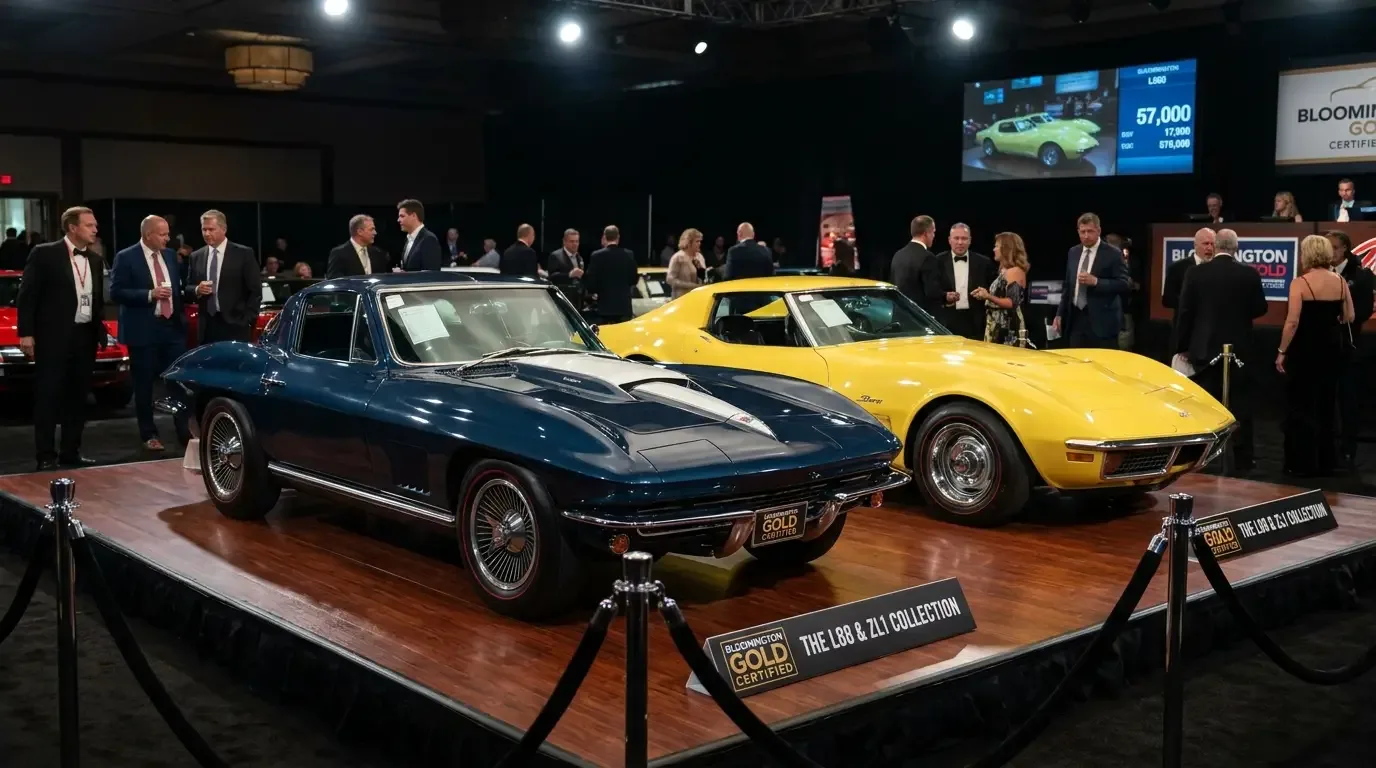
Bloomington Gold began in 1973 and has operated since as the largest Corvette-specific show in the United States. For most of its history it ran in Bloomington, Illinois, though the venue has moved over the decades. The name became synonymous with a particular certification: the Gold Spinner, awarded to cars meeting factory-correct standards across paint, trim, mechanical equipment, and documentation. Below that sits the Survivor Car designation, reserved for unrestored original examples. Both designations carry real market weight.
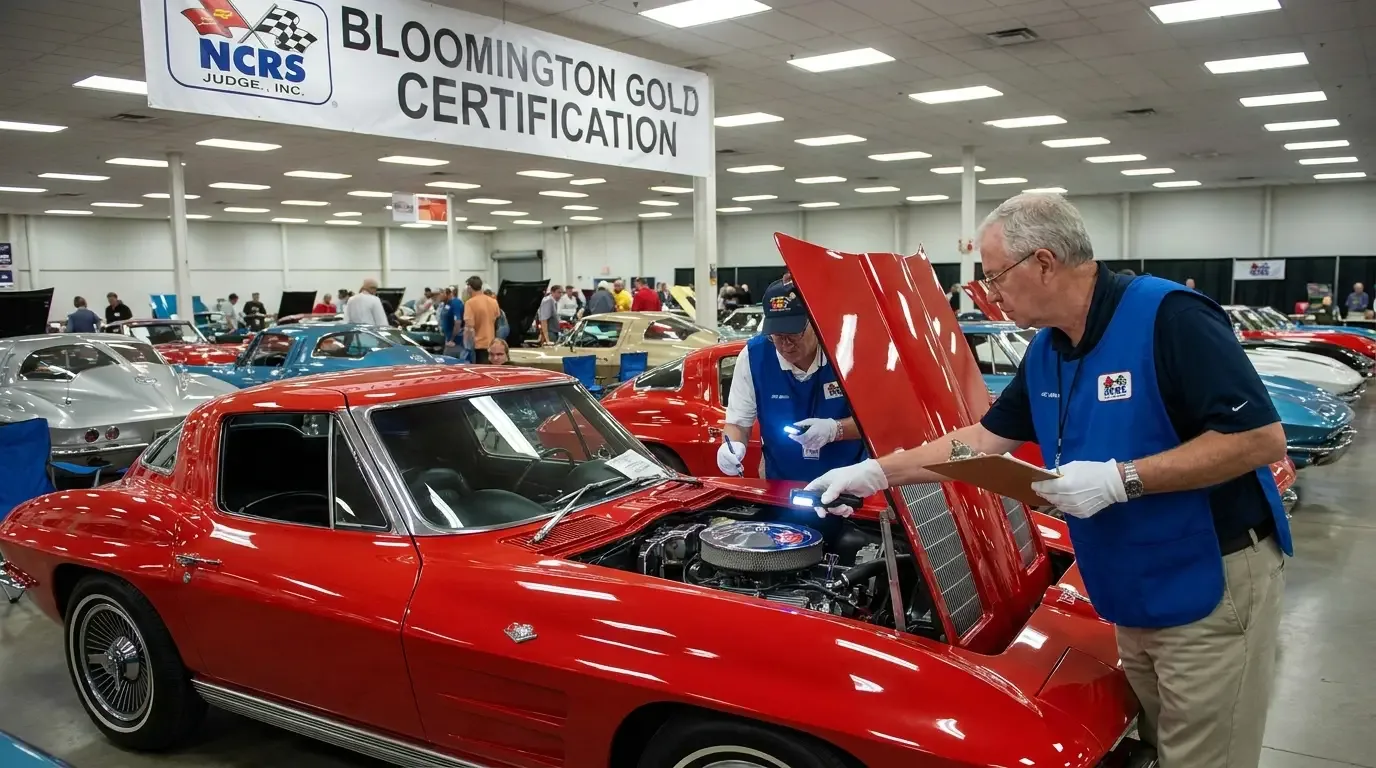
The judging process at Bloomington Gold uses point deductions across categories. Judges work from factory records and documentation manuals, checking that each component matches what the factory specified for that car's particular order combination. An L88 has different correct specifications than a base model in the same year, and the judging reflects that. A car can score well overall while losing points in a single category, and the certification level depends on how many points are deducted across the whole car, not just the most visible areas. Paint, chassis, engine compartment, and interior each carry their own weight.
NCRS judging: a different standard
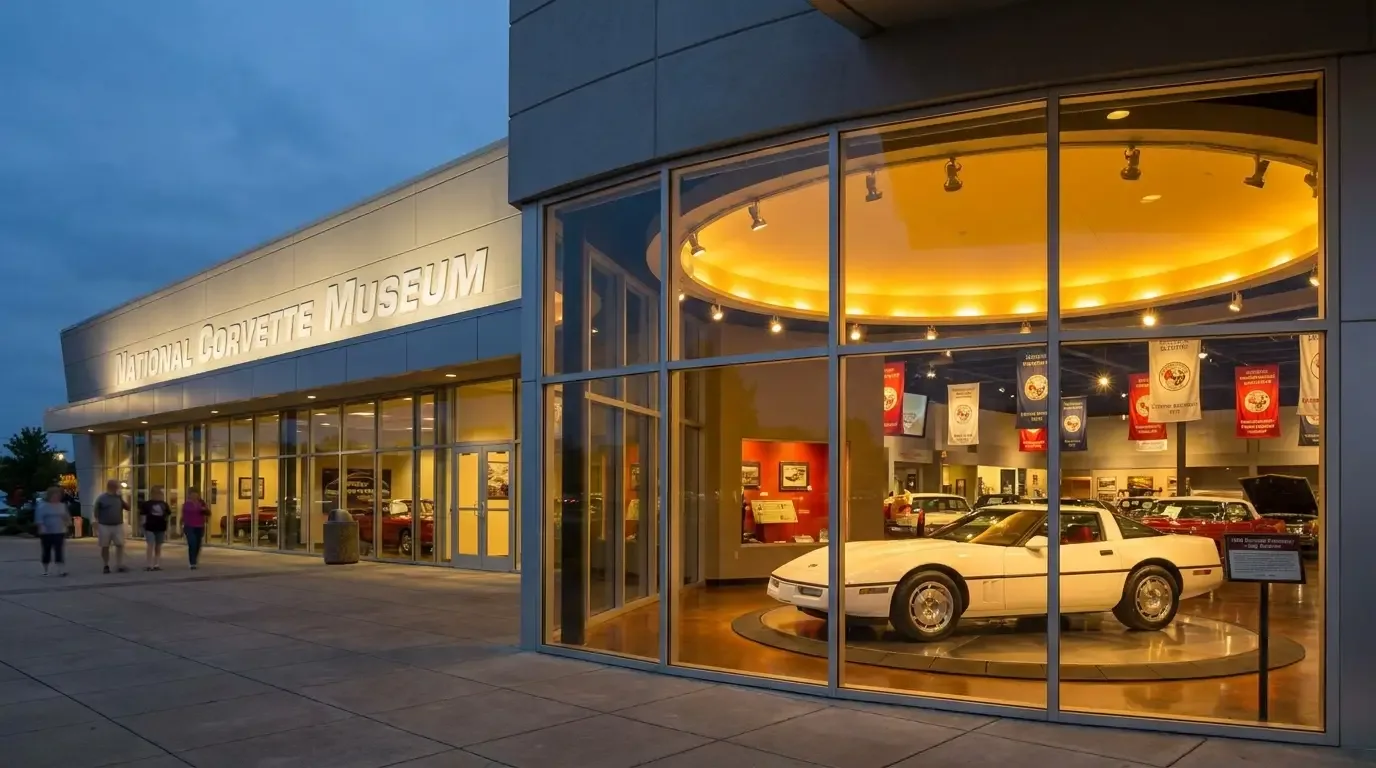
The National Corvette Restorers Society, founded in 1974, operates a parallel and in some respects more rigorous documentation-based system. NCRS judging evaluates cars against what left the factory on a specific build date, using a structured point system across five categories: Operations, Exterior, Interior, Mechanical, and Chassis. Scores of 94% or above out of 4,500 available points qualify for Top Flight, which is the core NCRS award. Above that sits the Mark of Excellence series, which requires a score of at least 97% at a regional or national event, a rigorous performance test with no mechanical failures, and a second 97% score at a National Convention, all within a three-year window. The Mark of Excellence awards are named by generation: the Duntov Award covers 1953 to 1974 cars, the McLellan Award covers 1975 to 1992, and the Hill Award covers 1993 to 2006. The Bowtie Award recognizes unrestored cars judged to be historically and educationally significant.
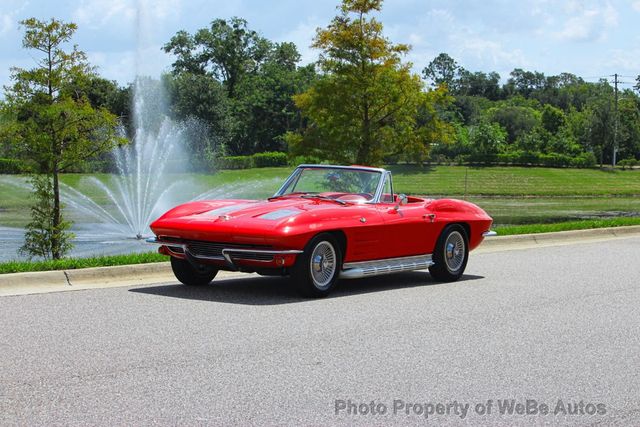
The difference from Bloomington Gold is partly philosophical. NCRS places particular emphasis on tank sticker documentation, build records, Protect-O-Plate data, and other factory paperwork that establishes the car's history from the line. A car without its tank sticker is not automatically disqualified, but that absence will factor into the judged assessment of documentation. The society has published extensive reference manuals and uses trained judges who often specialize in a specific generation. A C2 judge will have handled enough 1963-to-1967 cars to recognize correct versus replacement parts at a level of specificity that requires years of accumulated reference. You can read more on most valuable corvette examples to understand how documentation level correlates with the highest market prices.
"The NCRS documentation process asks a question that the market eventually asks too: can this car prove what it is? The answer matters more on a high-option car than a base model, and it matters more now than it did twenty years ago."
-- Sarah Whitfield
How the two systems relate to value
A Corvette with both a Bloomington Gold certification and a current NCRS Top Flight award occupies the clearest position in the market. Buyers understand what they are getting, and sellers can price accordingly. A car with one but not the other is a more complicated conversation. Some owners pursue Bloomington Gold because the show provides wider public exposure and the certification resonates with buyers who follow the event. Others pursue NCRS because the documentation requirements align with their own standards for what "correct" means. The two certifications are not mutually exclusive, and many serious restorations carry both.
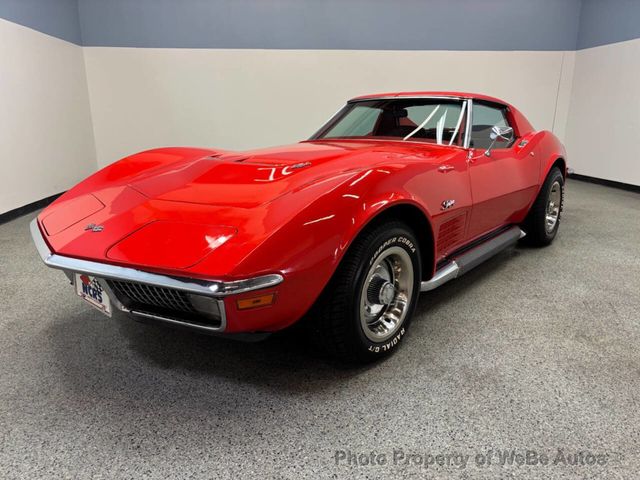
Market prices reflect the certifications at different levels for different generations. A numbers-matching C1 or C2 with a current Top Flight award typically commands a meaningful premium over a comparable car without third-party judging. The premium varies by year, option package, and condition of the broader market, but the existence of an active, current award rather than an award from fifteen years ago matters. Cars change between judging events, sometimes through honest wear and sometimes through subsequent modifications, and a dated award on a car that has not been re-judged raises questions a current award does not. When considering where to find documented examples, browsing classic Corvette for sale listings lets you filter by condition and documentation level to narrow the field.
| Award / designation | Issuing body | Primary focus | Market signal |
|---|---|---|---|
| Gold Spinner | Bloomington Gold | Factory correctness, all systems | Strong; widely recognized |
| Survivor Car | Bloomington Gold | Unrestored original condition | Premium for genuine survivors |
| Top Flight | NCRS | Documentation + correctness, 94% of 4,500 points | Strong; preferred by serious collectors |
| Mark of Excellence (Duntov/McLellan/Hill) | NCRS | 97% score + performance test at National Convention; generation-specific | Highest NCRS recognition; fewer than 1,300 cars ever awarded |
| Bowtie Award | NCRS | Historically significant unrestored examples | Comparable to Bloomington Survivor; National Convention only |
Practical considerations for buyers
If you are evaluating a car that carries a Bloomington Gold or NCRS award, the first question is when the car was last judged. An award from more than five or six years ago should prompt the same scrutiny you would apply to any other unverified claim about condition. The second question is the score, not just the award. A car that cleared the Top Flight threshold by a narrow margin is a different proposition from one that scored in the high nineties. NCRS makes score documentation available to members, and serious sellers provide the judge's report rather than just the award plaque.
Restoration quality matters too, in a way that judging results can sometimes obscure. A car that was restored specifically to pass judging may have been optimized for the criteria used at a particular show date, with choices made to score well rather than to represent what the factory actually did. This is not unique to Corvettes, but the depth of available Corvette documentation means that very knowledgeable judges will eventually find those choices. A restoration done from primary sources, with documentation of parts provenance, holds up differently than one assembled to pass a checklist. The collector community that participates in events like Bloomington Gold and NCRS judging represents the next chapter of ownership for many of these cars.
Sources and notes
- NCRS official judging awards page: Top Flight threshold (94% of 4,500 points), Mark of Excellence requirements (97% + performance test + National Convention), and full award catalog
- NCRS North Central: five judging sections (Operations, Exterior, Interior, Mechanical, Chassis) confirmed; Duntov 97% raw score requirement
- McLean County Museum of History: Bloomington Gold founding in 1973 as the Bloomington Corvette Corral
- NCRS official history: society founded in 1974, first meet in Wapakoneta, Ohio, May-June 1974
- Women With Wheels: Bloomington Gold history, Gold Spinner and Survivor Car designation overview
- NCRS Texas Chapter: complete award descriptions including Bowtie Award for unrestored cars and Mark of Excellence tiers by generation