What Corvette clubs actually are (and what they give you)
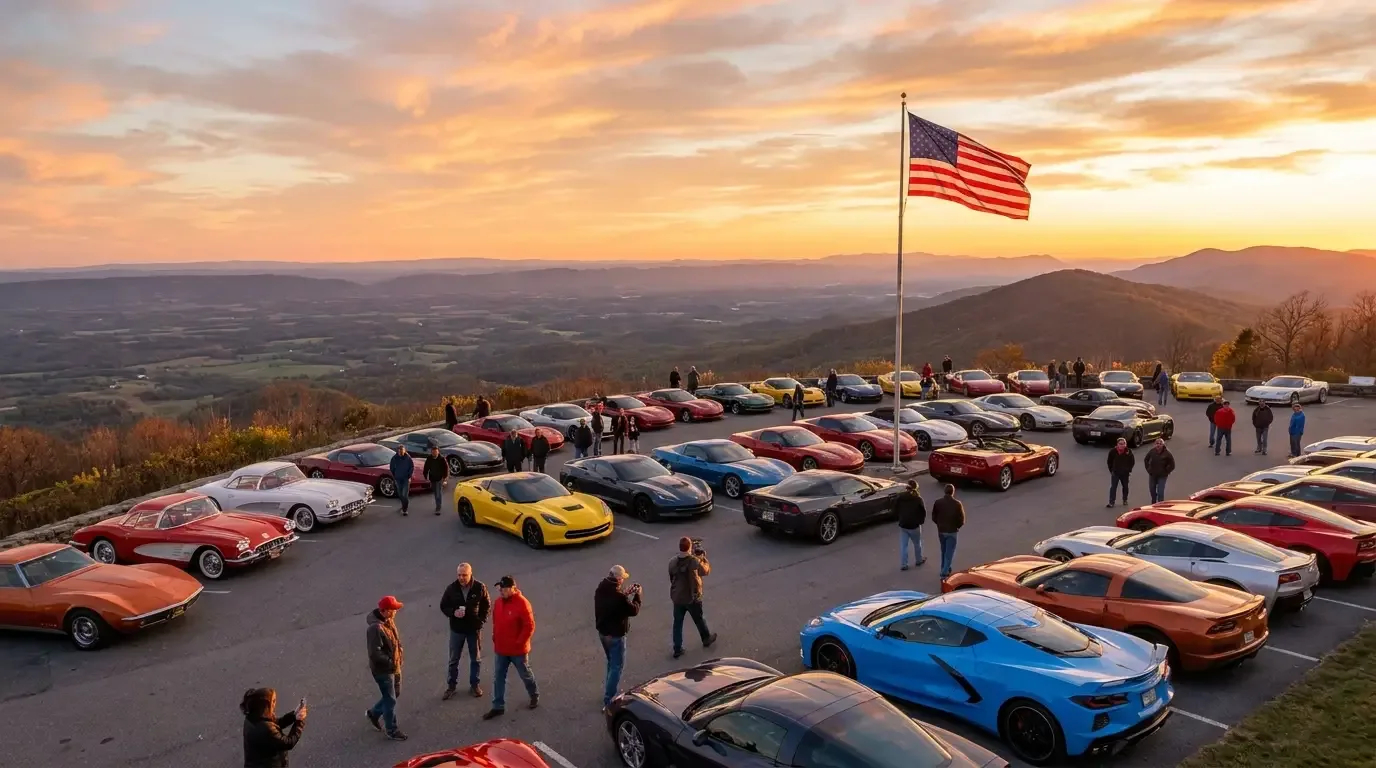
Show up to a Corvette gathering for the first time and you'll notice two things right away. First, the cars are genuinely spectacular in person, the kind of sight that stops a conversation mid-sentence. Second, everybody's talking to somebody they haven't seen in two years, picking up exactly where they left off. That's the rhythm of the Corvette club world, and it's been running that way for longer than most people realize.
The National Corvette Restorers Society was founded in 1974, and regional clubs predate even that. Decades of monthly meetings, technical sessions, road trips, and show days have built something that doesn't really have a parallel in the broader classic car hobby. Corvette enthusiasts are specific, organized, and loyal to each other in a way that serves anyone who owns one or wants to own one.
For buyers still deciding, there's no better entry point than sitting down with local club members before writing a check. They'll tell you which model years they've regretted, which problems are fixable in a weekend and which ones aren't, and where the reputable shops are. That kind of institutional knowledge doesn't live on a forum page. It lives in the parking lot of a diner at 8 a.m. on a Saturday when twenty Corvettes show up for a club run.
The club structure: national organizations, regional chapters, and local meets
The Corvette landscape organizes itself on three levels. At the top sit the national organizations, mainly the NCRS (National Corvette Restorers Society) and the National Council of Corvette Clubs, which was founded in 1959 and has been sanctioning club members and events ever since. Below those are regional chapters, often covering a state or metro area, with their own newsletters, annual shows, and elected officers. Then there are informal local groups, sometimes just a handful of owners who meet monthly and organize their own road trips.
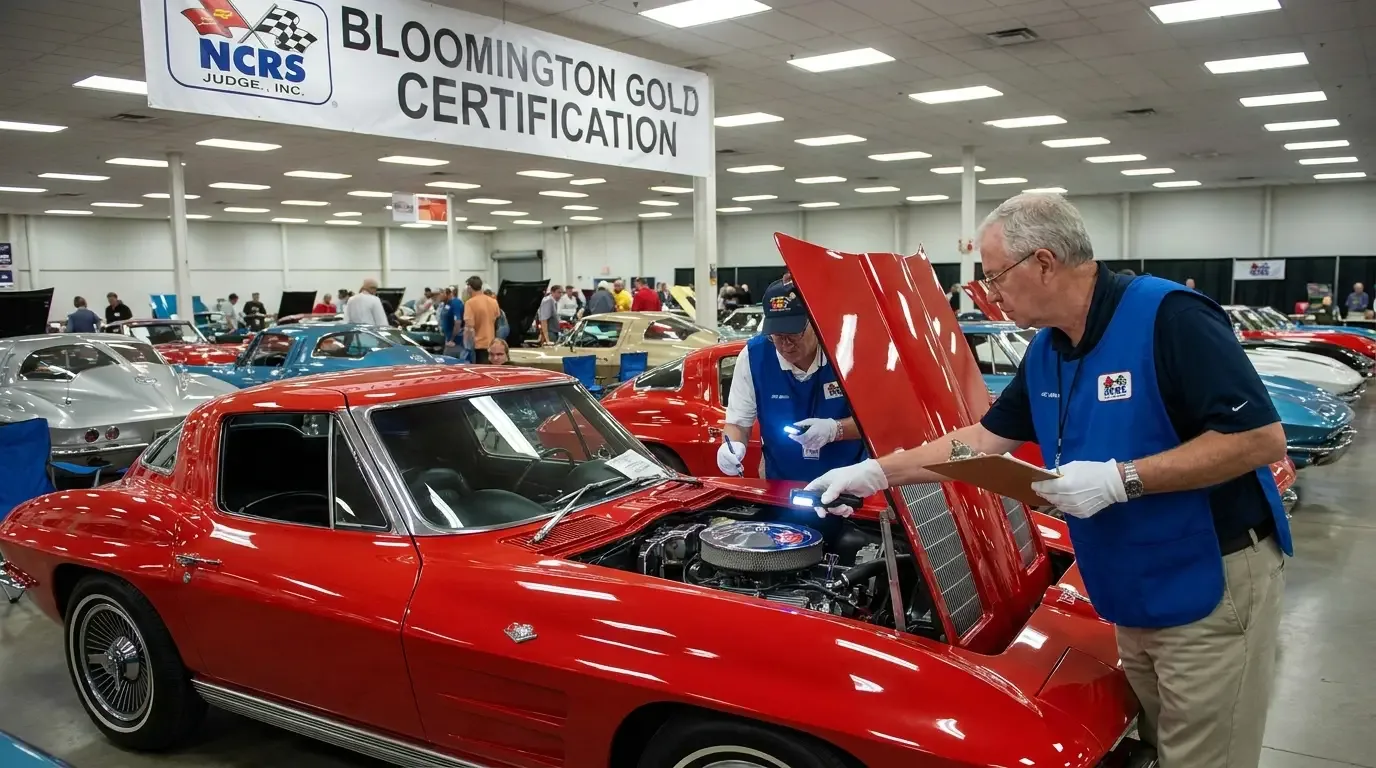
The NCRS is the documentation and judging organization. Its members collect factory records, issue authenticity awards, and run the kind of technical seminars that deep-dive into build documentation for specific model years. If you own a numbers-matching early Corvette, the NCRS is where you eventually end up. Their judging events score cars against factory standards in categories covering the engine bay, chassis, and interior, and the scores carry weight when it comes time to sell.
Regional clubs are looser, more social, and often more fun on a Tuesday afternoon basis. They run autocross events, coastal cruises, and charity drives. The quality of a regional club varies considerably by location, but the better ones function as genuine communities with decades of accumulated knowledge about what to look for when buying locally, which restoration shops are worth the drive, and whose interpretation of a period-correct detail you can trust.
What the culture values: authenticity, history, and the drive itself
Spend time in Corvette club circles and you get a clear sense of what the culture prizes. Authenticity sits at the top. This is a hobby where people know option codes, where a correct spare tire cover matters, and where the difference between a documented matching-numbers car and a numbers-correct car (one where the numbers match but paperwork doesn't support the claim) is a real and serious distinction. That level of attention makes Corvette ownership more demanding than some other segments of the hobby, but it also protects values. A properly documented early-generation Corvette holds its price in ways that a similar car with incomplete history does not.
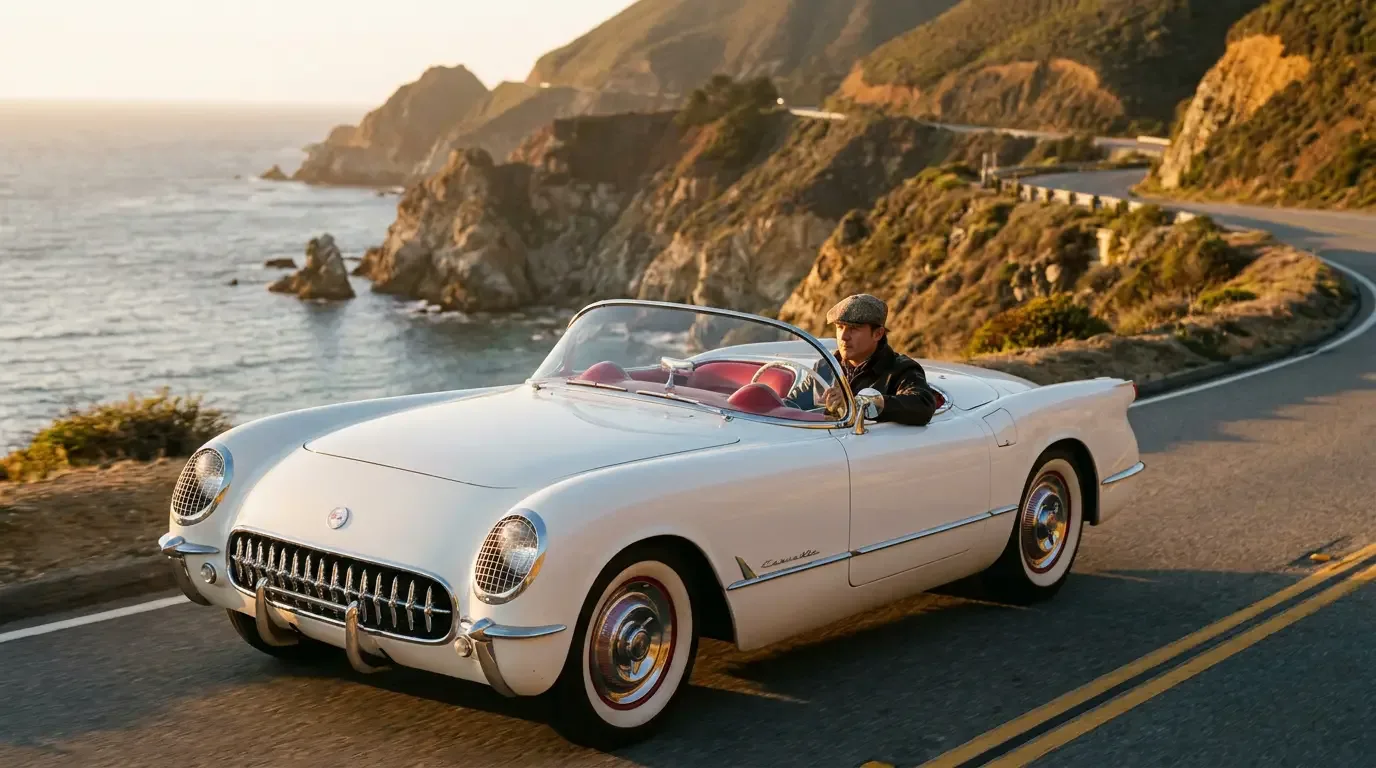
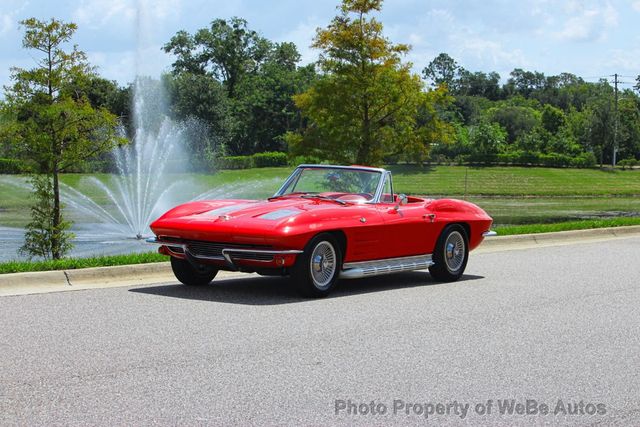
The drive also matters here in a way that isn't universal across classic car culture. There are plenty of Corvette owners who don't trailer their cars, who put real miles on them, and who will take the long way on a Sunday because the road is good. The club run format encourages exactly this. You show up, you drive somewhere interesting together, you eat lunch, and you drive back. It's a format that works whether you're in a C1 roadster from the late 1950s or a mid-engine C8. The car is the reason to go, but the road is the point.
For anyone thinking about most valuable corvette examples, the club world is also where you learn to read the difference between a car that's been carefully maintained within the enthusiast community and one that's been restored to impress at a distance. Club judges and longtime members have seen enough cars to know where the shortcuts are, and they'll share that knowledge freely with someone who shows up genuinely curious.
"The first club meeting I went to, I expected people to be territorial about their cars. Instead I ended up talking to a guy for two hours about what to watch for on the frame of a C2. He'd owned four of them. He had no reason to help me other than the fact that I was interested. That's what this culture actually is."
— Patrick Walsh
Events that define the calendar: Bloomington Gold, Corvettes at Carlisle, and regional shows
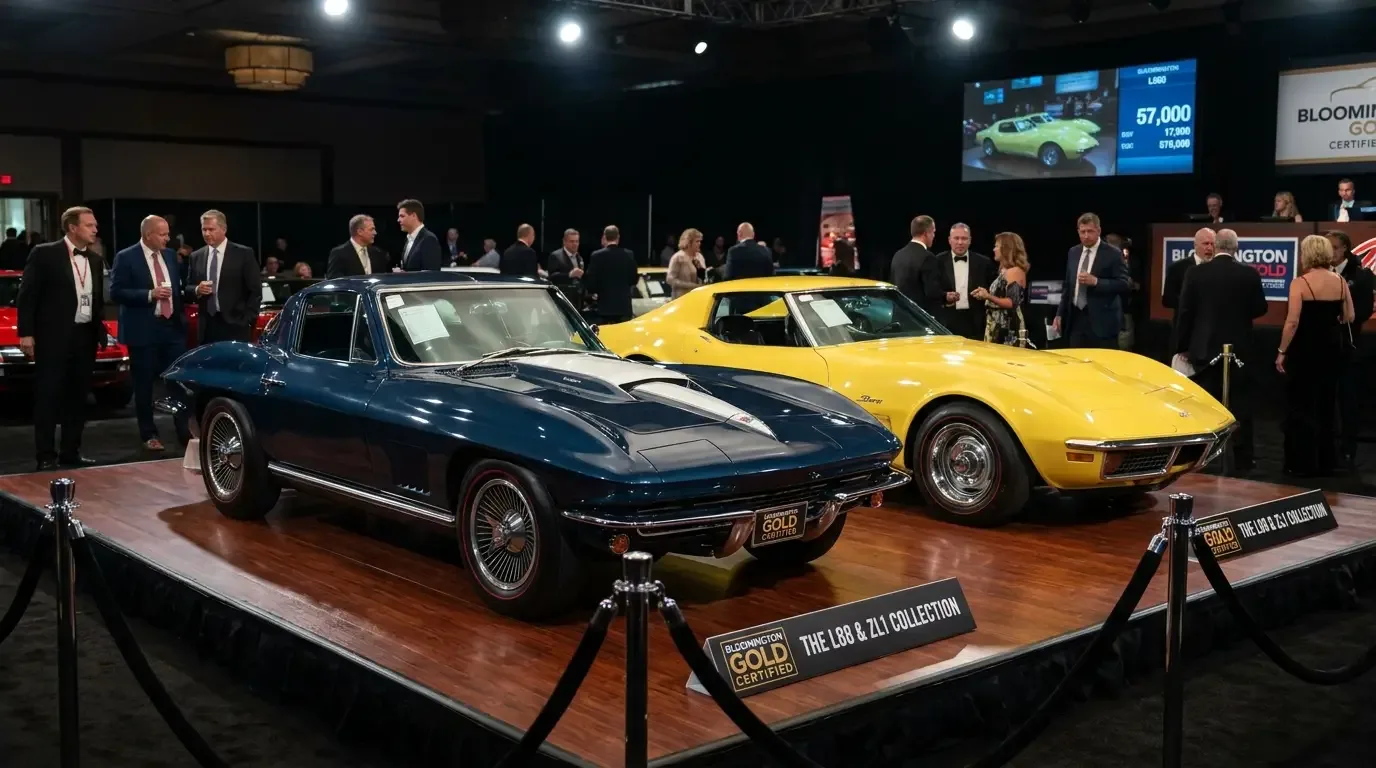
The Corvette show calendar has its own rhythms. Bloomington Gold, which began in 1973 as a small gathering in Bloomington/Normal, Illinois and has since relocated to World Wide Technology Raceway in Madison, Illinois, is the standard-bearer for authenticity judging. If a car earns a Gold Award at Bloomington, that result travels with the car and influences its market value in a concrete way. The event draws cars from across the country and functions as a reunion for serious collectors as much as a competition.
Corvettes at Carlisle, part of the broader Carlisle Events series in Pennsylvania, runs the other direction toward spectacle and volume. Thousands of cars, a huge swap meet, manufacturer presence, and a crowd that includes everyone from NCRS-level collectors to people who drove their daily-driver C5 four hours to see what was there. It's not the place for quiet conversation about documentation, but it's an excellent introduction to the breadth of the hobby.
Regional shows fill the rest of the year, and their quality has improved considerably over the past decade as clubs have gotten better at organizing them. A well-run regional show in any part of the country will have cars that would hold their own on a national stage, along with judges who know what they're looking for and a crowd that turns out because they genuinely care about what's in the field.
For enthusiasts building toward their first purchase, a related piece on the convertible's history across generations covers how each era approached the open-top format, which matters when club members talk about which body style suits which use case.
Getting into the hobby: where new buyers fit in
The Corvette club community is more welcoming to new people than its reputation sometimes suggests. There's a surface intimidation to rooms full of people who've been doing this for thirty years, but the actual culture is one where knowledge is shared freely and new enthusiasm is taken seriously. Showing up curious and prepared to listen goes a long way.
The best entry path for most new owners is through a regional club rather than immediately targeting the national organizations. Regional clubs run lower-stakes events, and the conversations are easier to join. You can ask basic questions without feeling like you're holding up more experienced members, and over time you build the kind of relationship with a few people whose judgment you trust. That network becomes genuinely valuable when you're deciding whether a car is right or whether a shop is trustworthy.
Generational change is also real in this hobby right now. The longtime collectors who built the Corvette club world came up in the 1970s and 1980s; the cars they cared about were early generations, C1 through C3 especially. Younger owners arriving with C4s and C5s from their own childhood are changing the show field and the conversation at meetings. Some tension comes with that, as it always does, but mostly what you see is the community expanding its frame of reference. A clean C4 ZR-1 at a regional show now draws the same kind of conversation that a C2 fuel-injected car drew twenty years ago.
If you're ready to start looking, browsing the current inventory of classic Corvette for sale alongside club research gives you a working sense of what's actually on the market at any given moment, which helps you understand when a car a member mentions is priced fairly or not. The combination of community knowledge and current market data is where serious buyers tend to land their first good car.
The Corvette hobby rewards patience and relationships. The people who find the best cars, get the most out of ownership, and eventually sell into a strong market are almost universally the ones who invested in the community first. That's not a coincidence. It's what the club structure was built to make possible.
Sources and notes
- NCRS.org: NCRS History — confirmed founding year 1974 and details of the first meet in Wapakoneta, Ohio
- Capital City Corvette Club: About — confirmed NCCC founding date of 1959 at the Mayflower Hotel in Washington D.C.
- NCCC official site — confirmed current club count of approximately 220 clubs across 16 regions
- Bloomington Gold official site — confirmed current venue: World Wide Technology Raceway, Madison, Illinois
- Vette Vues Magazine: Bloomington Gold's 50th — confirmed the show originated in 1973 in Bloomington/Normal, Illinois
- WGLT Public Radio: Bloomington Gold show venue history — documented the 2025 relocation to WWT Raceway near St. Louis