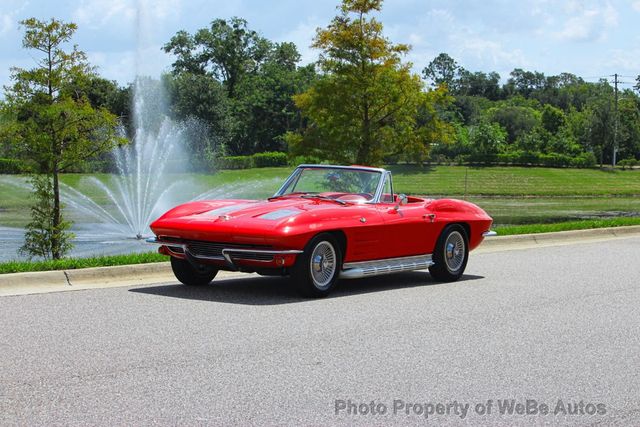
There is no 1983 Corvette. Not officially. Not as a model year you could walk into a dealership and buy. Chevrolet built the cars, pulled every one off the line, and crushed them. The 1983 model year does not appear in production totals because, for practical purposes, it does not exist. Understanding why that happened tells you a lot about what Chevrolet was trying to do with the fourth-generation Corvette and why the 1984 that followed it mattered so much.
What Chevrolet actually built
The C4 Corvette program had been in development for years before the cars finally reached the assembly line at the Bowling Green, Kentucky plant. Chevrolet planned a 1983 model year launch. The new Corvette was supposed to arrive in showrooms in the fall of 1982, carrying a 1983 model designation and representing the first genuinely new Corvette since 1968. That did not happen.
Exactly 43 pilot-production cars were assembled at Bowling Green during the 1983 calendar year. These were pre-production vehicles built to shake out the tooling, verify assembly processes, and catch quality problems before full production began. The problems they found were significant enough that Chevrolet decided none of the 1983-designated cars would reach customers.
Why the cars were scrapped
Chevrolet's quality control at Bowling Green had improved significantly since the plant opened in 1981 for C3 production, but the C4 was a fundamentally different vehicle. The new body, the new frame architecture, the revised interior, and the updated electronics all introduced variables the assembly process had not worked through yet. Fit-and-finish issues were real. Panel gaps were inconsistent. Some of the cars showed problems that would have generated warranty claims and dealer headaches immediately.
The decision to scrap the entire model year was not made lightly. It was the right call. Launching a new-generation Corvette that underwhelmed buyers with quality problems would have damaged the nameplate at exactly the moment Chevrolet needed the C4 to succeed. The car had been through a long, visible development cycle. Expectations were high. A bad launch would have been remembered far longer than a one-year delay.
There is also the matter of what "1983 Corvette" means to collectors today. For the purposes of NCRS documentation and concours judging, the 1983 model year effectively does not exist. If you encounter someone selling a car they describe as a "1983 Corvette," get the VIN in front of someone who knows what they're looking at before you take that conversation any further. To see the full picture of rare and unusual Corvette designations, the full picture goes considerably deeper into the production anomalies that define the collector market.
The 1984 that carried everything forward
The 1984 Corvette arrived in the spring of 1983 as a 1984 model. Chevrolet essentially skipped a year and shifted the calendar so that what would have been the 1983 production run became the 1984 launch. This is why 1984 production numbers are higher than a single model year would normally produce. The launch window was extended to compensate for the lost year.
| Model year | Status | Units sold to public | Notes |
|---|---|---|---|
| 1982 (C3) | Last third-gen | 25,407 | Final C3 production year |
| 1983 (C4) | Scrapped | 0 | 43 pilot cars built, all destroyed except one museum car |
| 1984 (C4) | Public launch | 51,547 | Extended production run to cover the lost 1983 year |
The 1984 Corvette launched to strong sales and generally favorable press despite some legitimate criticisms of the interior ergonomics and the engine output. The base L83 small-block produced 205 hp in that first year, which looked modest next to what the car cost and what buyers expected. Chevrolet addressed the power question quickly in subsequent model years. The quality issues that had killed the 1983 run were not present in the production 1984 cars, which was the whole point of the delay.
"The factory made a hard call and scrapped the whole run. That's not the kind of decision that gets made by committee. Somebody looked at those cars and said they weren't good enough, and they were right. The 1984 launch proved it."
— Tom Ramirez
What this means for documentation and judging
The 1983 gap matters for Corvette historians because it creates a clean break in the documentation record. NCRS judging categories move directly from 1982 to 1984. The tank sticker data, the option code records, the factory build sheets that form the backbone of serious Corvette authentication all pick up at the 1984 model year for C4 cars. There is no 1983 chapter in those records for anyone outside Chevrolet's own archives.
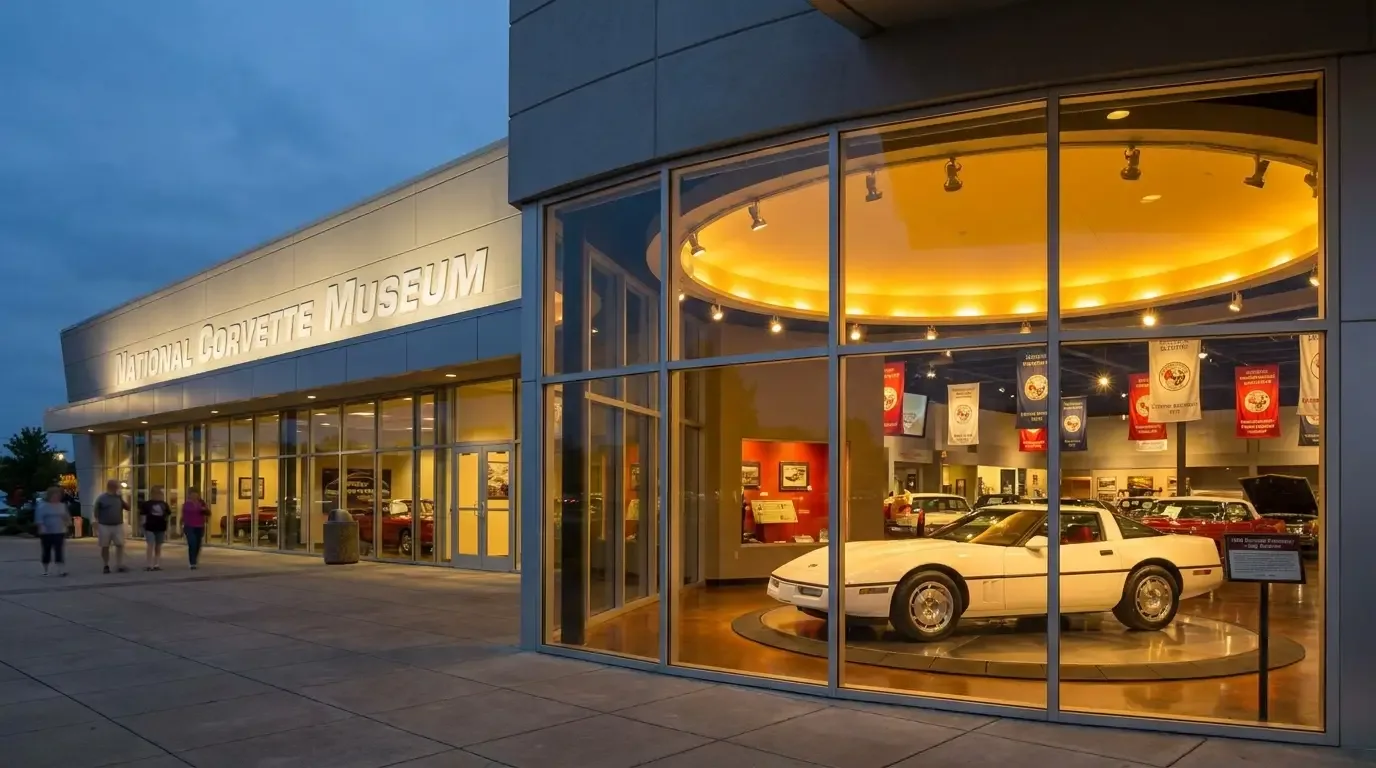
The one surviving 1983 pilot car at the National Corvette Museum is a documented exception with known provenance. Every other car that carries a 1983 Corvette claim is either misidentified or a fabrication. The VIN structure for 1982 C3 cars and 1984 C4 cars is distinct enough that a decoder will tell you what year the car actually is. If a seller cannot produce documentation and the VIN does not match a 1984 structure, the conversation should end there.
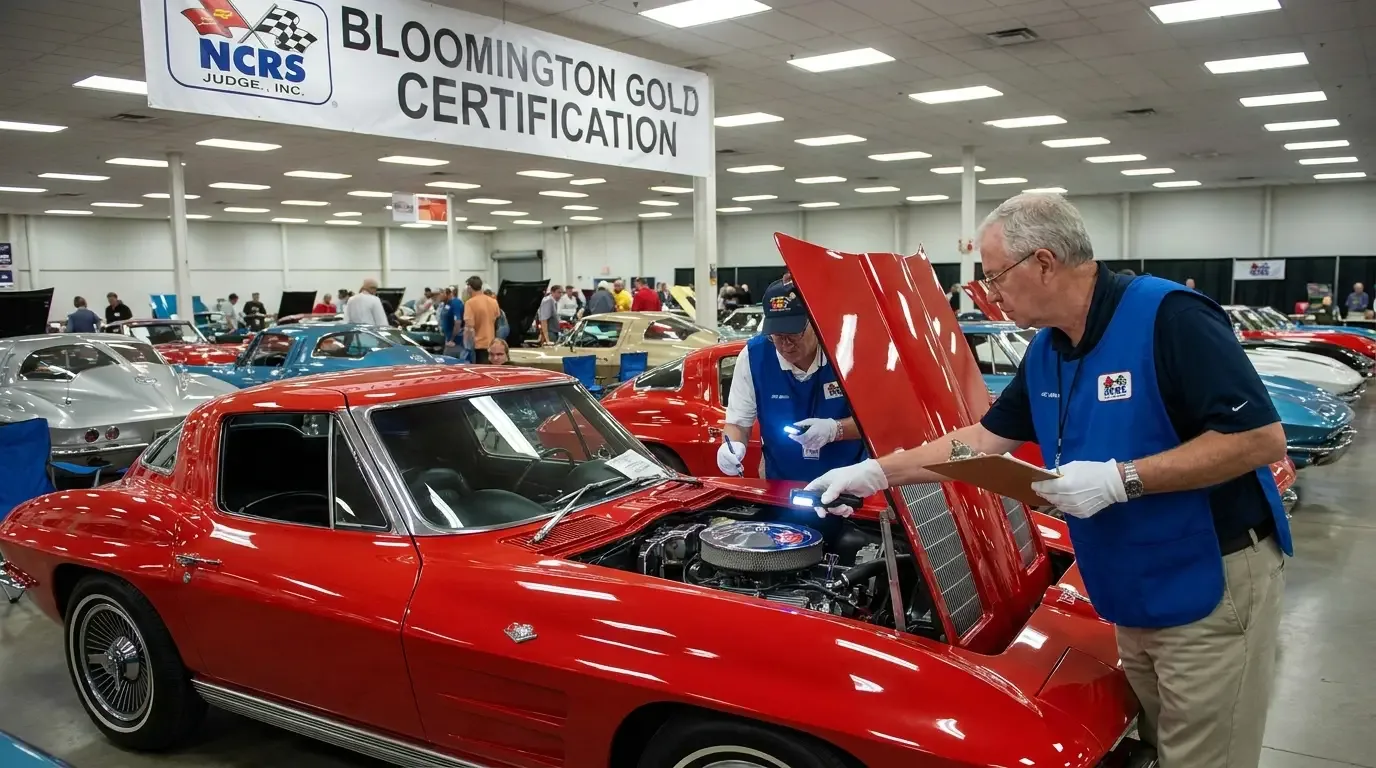
For collectors who follow the concours circuit and care about documentation, the 1983 story is a useful reference point. Judging panels at events like Bloomington Gold have encountered claim discrepancies over the years. If you want to understand how those events evaluate documentation edge cases and production anomalies, read the related story on how NCRS and Bloomington Gold approach authentication.
The 1983 Corvette in collector culture
The 1983 story has become one of those Corvette facts that enthusiasts repeat often and sometimes imprecisely. The core of it is accurate: Chevrolet built exactly 43 pilot-production cars, rejected the entire run on quality grounds, and launched the C4 as a 1984 model instead. The specific defects that triggered the decision and the fate of individual vehicles beyond the one NCM survivor are less thoroughly documented in publicly available sources, though fit-and-finish and drivetrain development issues are consistently cited.
What is not in dispute is that the decision worked. The 1984 Corvette established the C4 generation on solid footing. The car ran through 1996, covered a range of engine options from the base small-block to the LT5-powered ZR-1, and gave Chevrolet over a decade of successful Corvette production. The factory historians who have worked with Bowling Green's own records describe the 1983 decision as a disciplined quality call made under real pressure. It was the right call. The evidence is the car they launched instead.
Sources and notes
- Corvette Blogger: Dive Into the Production Details of the 43 Pilot Cars Built for the 1983 Corvette — confirmed exact count of 43 VIN-sequenced pilot cars and sole NCM survivor details
- Wikipedia: Chevrolet Corvette (C4) — confirmed 1984 production total of 51,547 and C4 generation history
- CorvetteActionCenter: 1982 Corvette Production and Performance Numbers — confirmed 1982 final-year C3 production of 25,407 units
- CorvSport: 1984 Corvette Performance and Specifications — confirmed L83 output of 205 hp and 290 lb-ft torque, extended model-year timeline
- CorvetteActionCenter: Bowling Green Assembly Plant history — confirmed plant opened 1981 for C3 production, reconfigured for C4 transition
- Ultimate Corvette: 1983 Corvette — The One and Only — confirmed quality and emissions development issues behind the model-year cancellation decision