
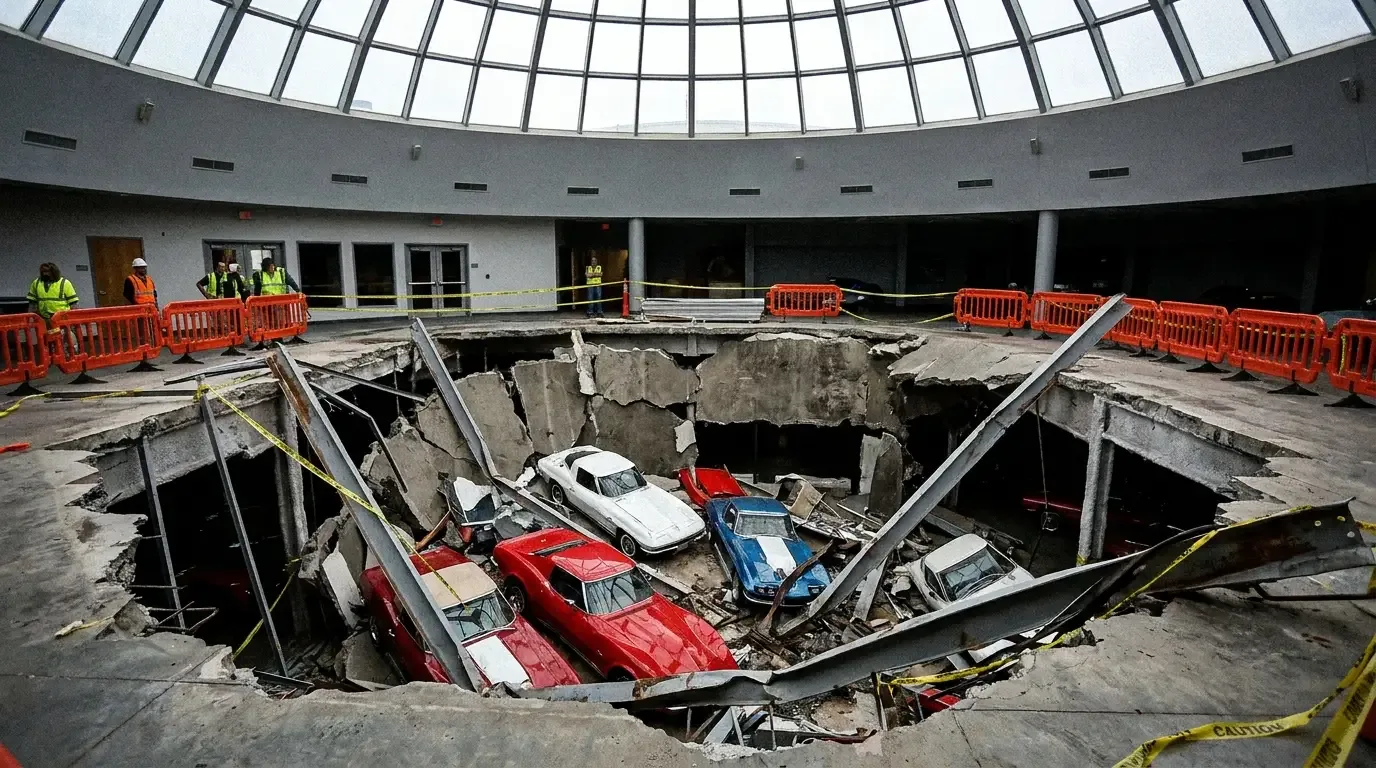
On the morning of February 12, 2014, a sinkhole opened beneath the Skydome showroom at the National Corvette Museum in Bowling Green, Kentucky. By the time anyone arrived, eight Corvettes had dropped into a roughly 40-foot-wide, 60-foot-long, 30-foot-deep hole in the earth. The museum had opened in 1994. It had never had a bad day quite like this one.
Nobody was hurt. That part matters. But the cars that fell, and the story of what happened to them after, became one of the stranger chapters in Corvette history. For anyone who follows what these cars are worth, or what condition means for valuation, the sinkhole story offers a different kind of lesson than the usual wear-and-rust narrative. This connects back to most valuable corvette.
What fell into the hole
The eight cars that dropped into the sinkhole were not ordinary museum pieces. The museum had assembled a display of significant cars from the factory archive and from donors, and several of them were the kind of Corvettes that appear in the footnotes of our full Corvette retrospective as turning points in the model's history.
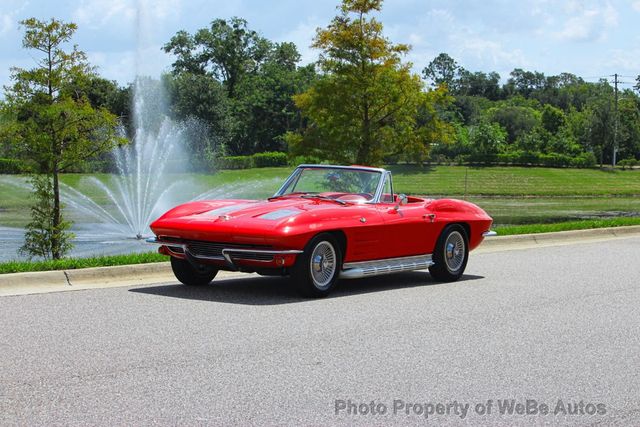
The cars included the 1,000,000th Corvette, a white 1992 convertible that had rolled off the Bowling Green assembly line on July 2, 1992, with Jim Perkins, Zora Arkus-Duntov, and Dave McLellan present for the occasion. It also included the 1,500,000th Corvette, a white 2009 coupe. The 1962 Tuxedo Black Corvette, a final-year C1 example from the museum collection, went down. So did a one-of-one 1984 PPG Indy Pace Car, built by Katech with a 450-horsepower engine and finished in PPG's signature Orange Glow Candy paint. A 1993 Ruby Red 40th Anniversary Corvette and a 1993 ZR-1 Spyder prototype, an open-air one-off built by GM and American Sunroof Corporation, were also among the casualties. The 2009 ZR1 Blue Devil prototype, a 638-horsepower development car on loan from GM, and the 2001 Mallett Hammer Z06, a 700-horsepower modified car donated by its owners Kevin and Linda Helmintoller, rounded out the eight.
The geological cause was a karst formation, a natural limestone cavity that had been slowly growing beneath the building for years. Karst sinkholes are a known hazard in south-central Kentucky, where the underlying geology is porous limestone shaped by centuries of groundwater movement. The museum's location, directly over this terrain, was simply unlucky. No one had missed a warning sign. The ground opened on its own schedule.
How the museum handled the recovery
The museum made a decision early that turned an obvious disaster into something the Corvette community could follow. Rather than close the Skydome and bring the cars up quietly, they left the hole open for visitors to see. They built a viewing walkway. People came from across the country to look at the cars sitting in the rubble below. Attendance at the museum increased significantly in the months following the collapse.
Extraction took months. Some cars came up in better shape than expected. Others had taken the fall hard. The 2001 Mallett Hammer Z06 was found upside-down and sustained the most severe damage of any of the eight. The 1 Million Corvette was badly crushed. The 2009 ZR1 Blue Devil, the first car extracted, famously started under its own power.
Chevrolet stepped in to restore some of the cars. Assessors determined that three cars were candidates for restoration: the 1992 One Millionth Corvette, the 2009 ZR1 Blue Devil, and the 1962 Tuxedo Black Corvette. The remaining five, including the 1984 PPG Pace Car, both 1993 cars, the 2001 Mallett Hammer Z06, and the 1.5 Millionth 2009 Corvette, were preserved in their damaged, post-sinkhole condition. The museum displayed them as artifacts of the event itself.
"The museum's call to leave five of the cars unrestored was the right one. A pristine 1992 convertible tells you one story. That same car with the roof caved in and sinkhole mud still in the crevices tells you something else entirely. Both versions are part of what Corvettes are."
— Patrick Walsh
The value question after a sinkhole
For collectors, the sinkhole raised a specific valuation puzzle. The 1 Million Corvette was already significant before the collapse, a car with documented production milestone status and factory records. After the collapse, it became something else: a car that had fallen into a hole on national television, survived, and been restored by General Motors. Does damage like that subtract from value or add to it?
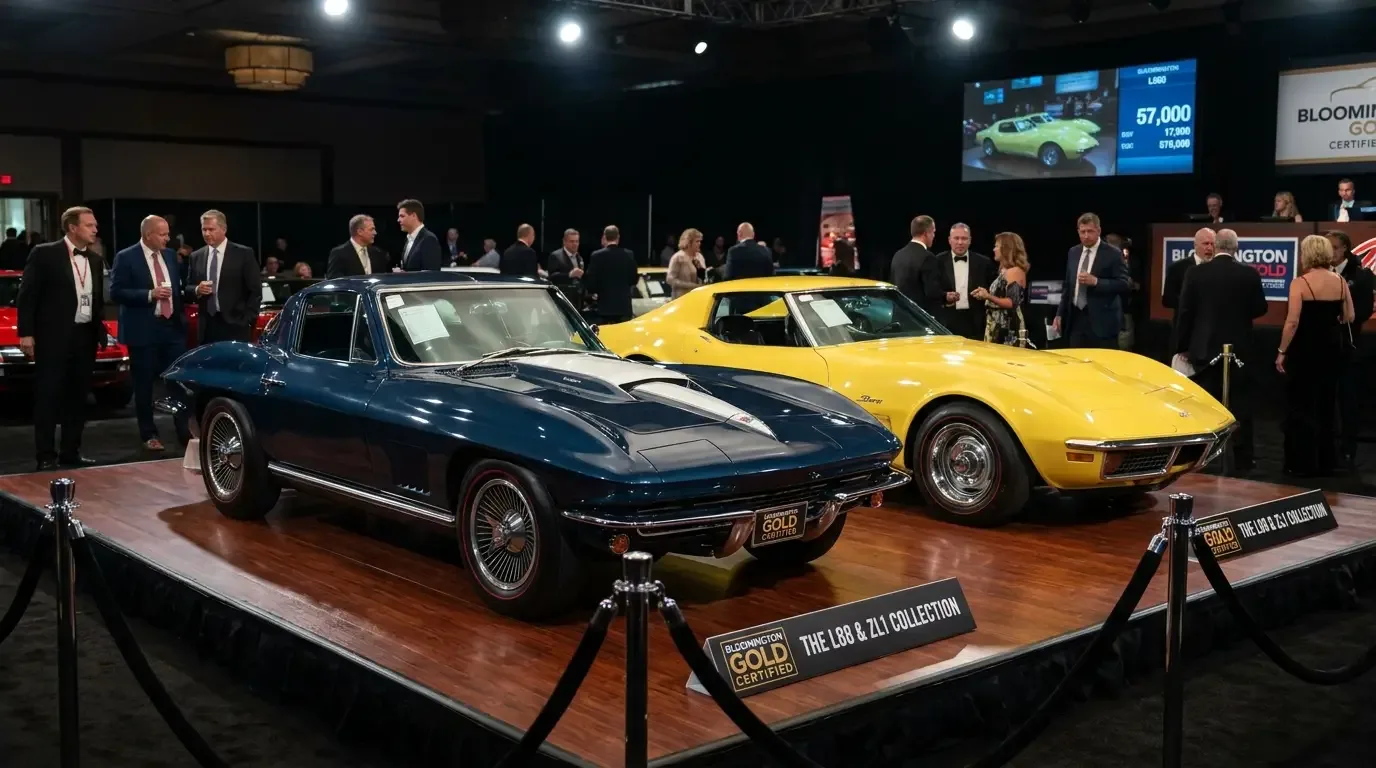
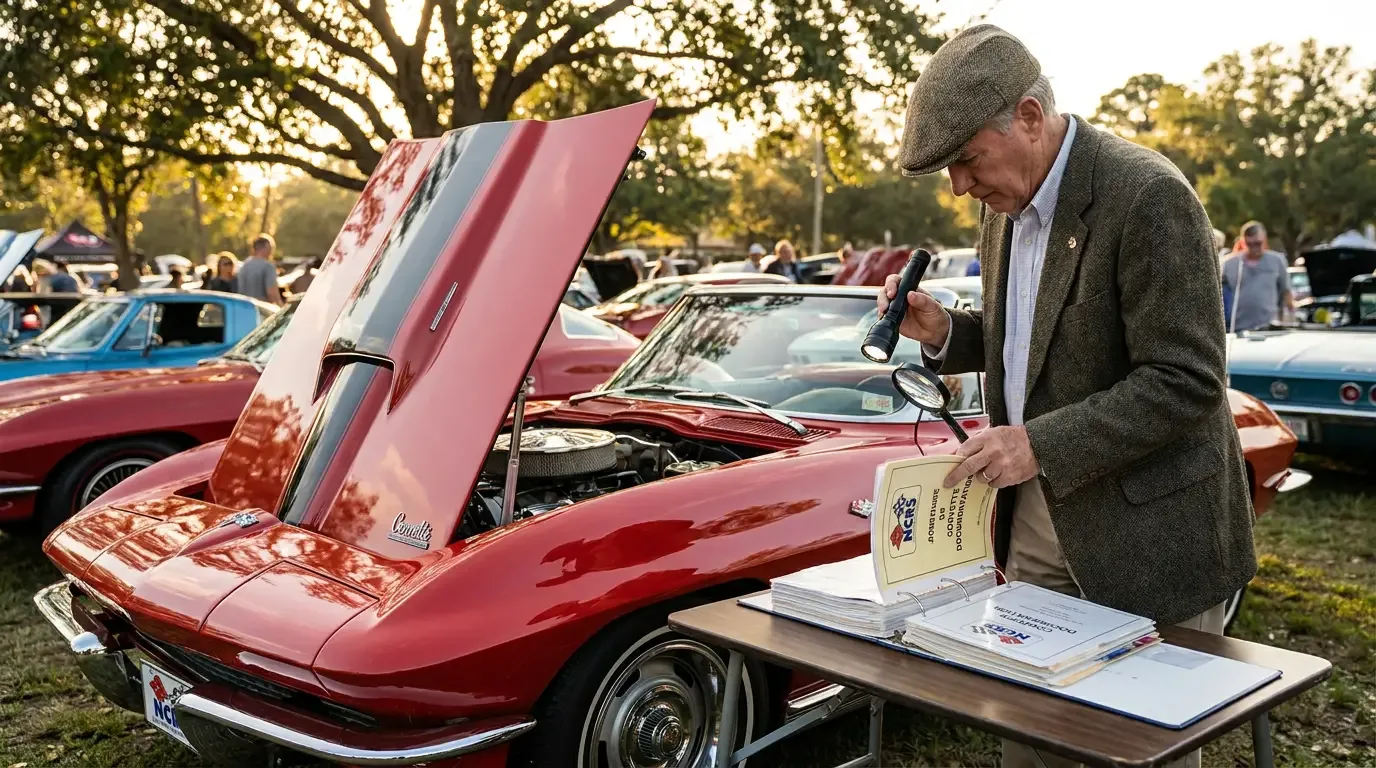
The answer depends entirely on what kind of buyer you are. A condition-grade buyer, the kind who bids on Bloomington Gold certification and cares about numbers-matching originality, would look at a sinkhole-damaged Corvette and walk away. The same buyer who spent five figures chasing the most valuable corvette configurations would not add a structurally compromised car to a collection built around condition.
But museum pieces and event-connected cars follow different rules. The 1 Million Corvette's value after the sinkhole is tied to its provenance as a museum car, its documented production milestone status, and now its documented role in a well-known historical event. That is a different market. The cars that were fully restored and returned to display are worth what restored Corvettes of their type are worth, no more and no less. The unrestored cars occupy a category of their own.
What the sinkhole cars look like now
The museum rebuilt the Skydome area with geological mitigation, filling the underlying void with nearly 4,000 tons of crushed limestone and installing 72 micropiles to stabilize the structure. The restored cars returned to display. The five damaged cars, kept in their post-collapse condition, are part of a permanent exhibit that documents the event and the recovery.
The 1984 PPG Pace Car, split nearly in half by a concrete slab during the fall, now sits in the museum alongside documentation of what happened to it. The 2001 Mallett Hammer Z06, found upside-down and the last car recovered, is there too. Visitors who arrive expecting gleaming show-floor Corvettes find instead something the Corvette Museum has handled thoughtfully: cars that are about what happened to them, not what they used to be.
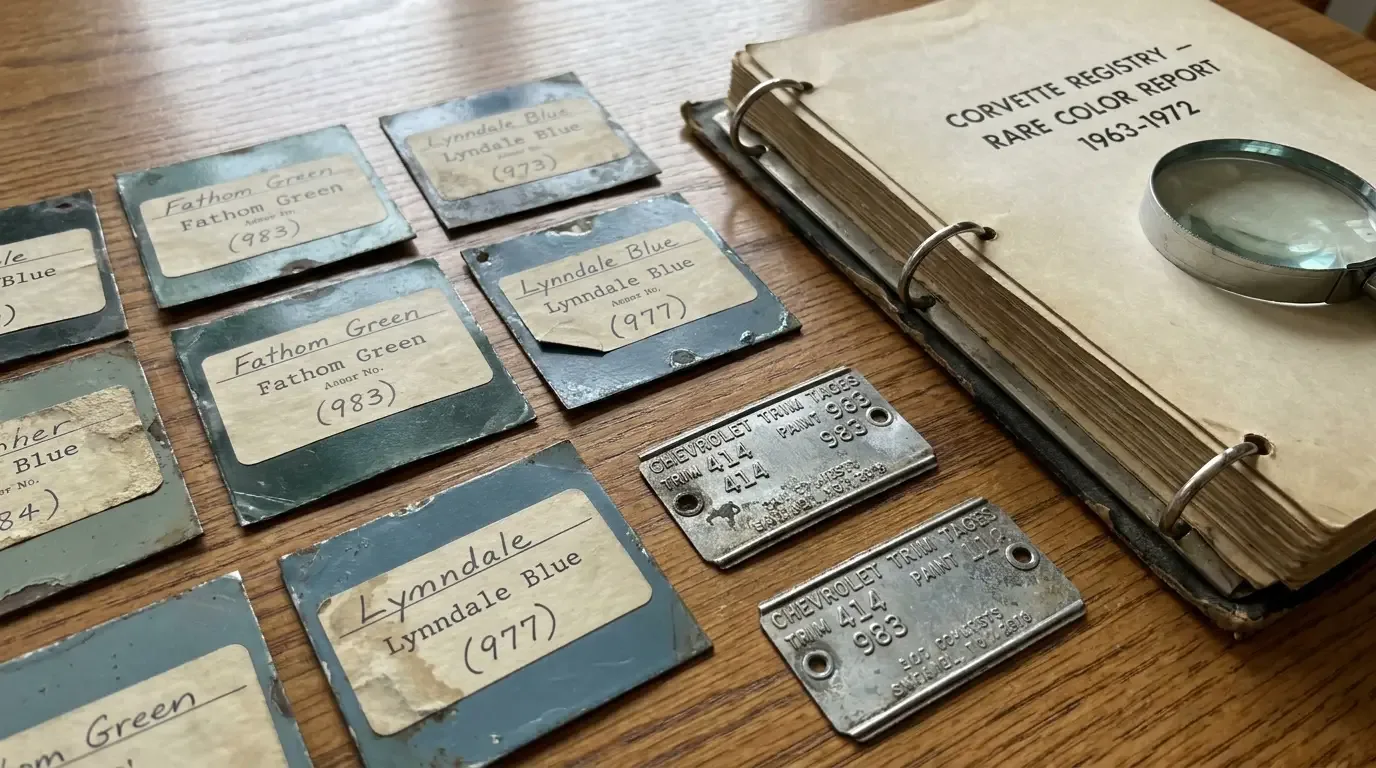
The 1962 Tuxedo Black Corvette, nose-down in the hole in every photograph taken in February 2014, was fully restored by museum staff and revealed on the fourth anniversary of the sinkhole in February 2018. The One Millionth Corvette was restored by General Motors and revealed during the Museum's Anniversary Weekend in September 2015. If you want to dig into how variants like the Z06 developed across generations, a related piece covers factory color and option documentation that places special editions in context.
Why it still comes up
Ten-plus years on, the National Corvette Museum sinkhole comes up in a specific set of conversations. Insurance professionals who work with collector cars reference it when talking about geological risk, a category most policies treat as an act of God and exclude accordingly. Dealers who specialize in museum-provenance cars point to it as an example of how institutional ownership changes a car's story more than ownership alone does.
And Corvette people bring it up because it is a genuinely strange story that ended well enough. Eight significant cars dropped into a hole. Three of them were restored and returned to display. Five of them were preserved as evidence of what happened. The museum is still there, the monitoring equipment is running, and visitors can see the cars that fell and survived. For a hobby that often talks about preservation, this is what preservation sometimes looks like: honest about damage, careful about context, and not trying to make everything look like it never happened.
Sources and notes
- National Corvette Museum: Corvette Cave-In Exhibit -- confirmed sinkhole date, eight cars, and which vehicles were restored vs. displayed damaged
- CorvSport: Remembering the NCM Sinkhole -- complete list of all eight affected Corvettes and their individual fates
- LSX Magazine: NCM Sinkhole Corvettes: 1984 PPG Indy Pace Car -- confirmed paint color (Orange Glow Candy), 450 hp Katech engine, and one-of-a-kind status
- Corvette Blogger: The One Millionth Corvette Rolls Off the Assembly Line -- confirmed July 2, 1992 production date and attendees (Jim Perkins, Zora Arkus-Duntov, Dave McLellan)
- Corvette Blogger: GM Reveals Restored 2009 ZR1 Blue Devil at SEMA -- confirmed identity and restoration of the 2009 GM loan car as the ZR1 Blue Devil prototype
- Chevy Hardcore: NCM Sinkhole Corvettes: 2001 Mallett Hammer -- confirmed 700 hp specification, donor names, and that the car was kept in damaged condition