
The engine that built the Corvette's reputation
Most of the Corvette's legend runs through one family of engines. Not the big blocks, which came later and left earlier. Not the LS architecture that defines the modern car. The small block Chevrolet V8, in its many configurations and displacements across seven decades, is the engine the Corvette was born with and the one that carried it through its most formative years. Understanding the corvette small block engine history means understanding why a lightweight, high-revving, relatively compact V8 turned out to be exactly what a sports car needed.
The story starts in 1955, when Chevrolet dropped its new overhead-valve small block into the Corvette alongside the six-cylinder it replaced. That decision changed everything. If you want to go deeper into the performance variants that followed, read more here for a look at the special editions built around these engines over the years.
First-generation small block: 265 to 327 (1955 to 1965)
The original small block displaced 265 cubic inches and produced 195 horsepower in the 1955 Corvette, with the 1956 model offering tuned versions up to 225 horsepower depending on carburetion and tune. That number matters less than what the engine was: light, compact, and designed with a short stroke that let it rev freely compared to the long-stroke engines it competed against.
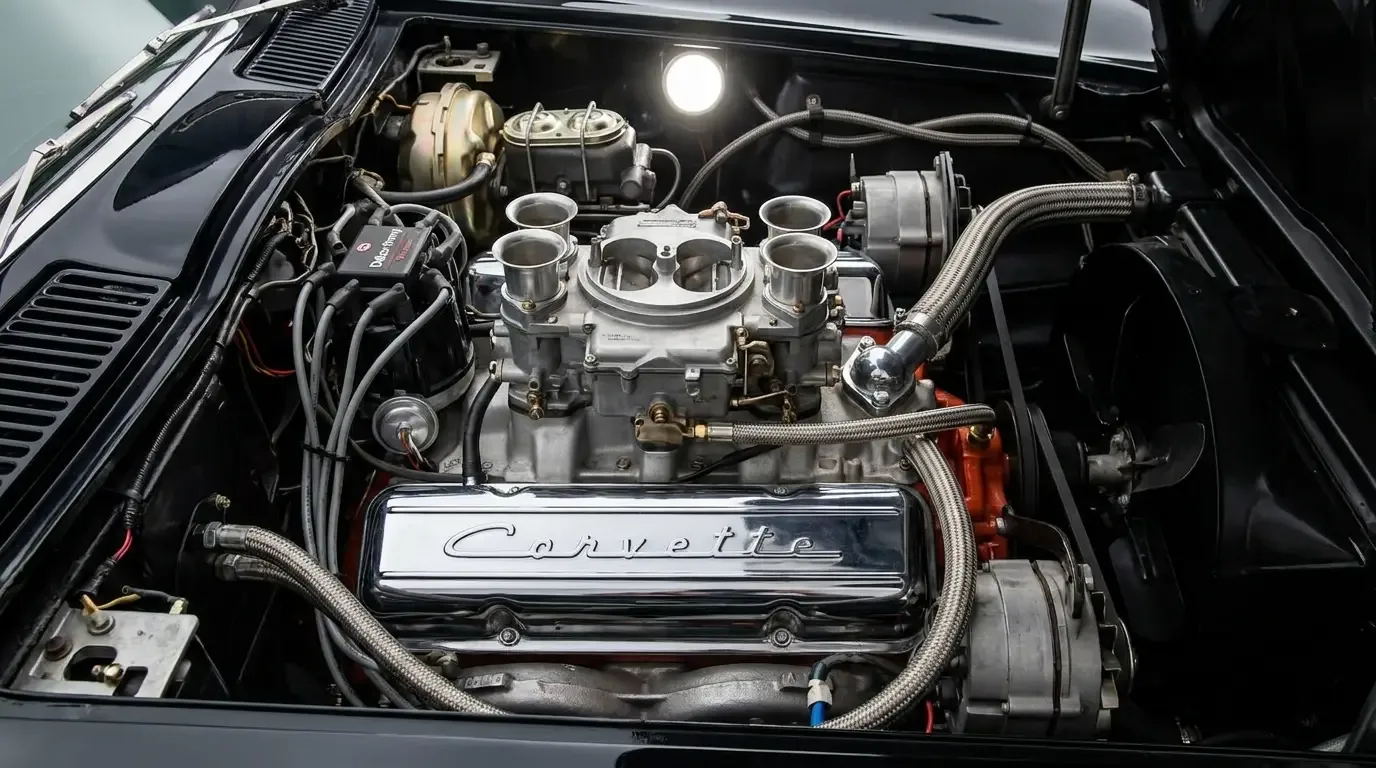
By 1957 the displacement grew to 283 cubic inches, and the fuel-injected version of that engine achieved one horsepower per cubic inch, producing a factory-rated 283 hp. The "fuelie" 283 is one of the most talked-about Corvette engines in the early period, though actual production numbers are relatively small — approximately 1,040 fuel-injected Corvettes were built for 1957 — and documented examples are worth substantial premiums today.
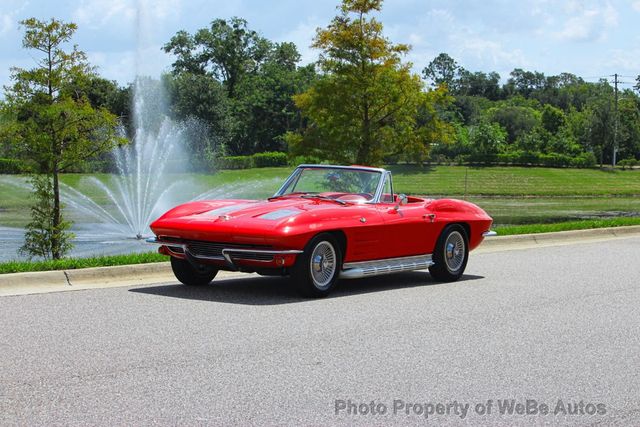
The 327 arrived for 1962 and stayed through 1969 in the Corvette. It is probably the most versatile engine the Corvette ever used in terms of the range of states of tune it came in, from a relatively mild 250-horsepower version aimed at everyday driving all the way to the L84 fuel-injected 327 rated at 375 horsepower in 1964 and 1965 (the earlier 1962-63 L84 was rated at 360 horsepower). The 327 was the engine that defined the C2 Corvette's character. The right-hand tank sticker on a mid-sixties car tells you exactly what left the line, and the L84 fuelie is one of the figures NCRS judges know to look for first.
The 350 era: standard bearer for four generations (1969 to 1991)
The 350-cubic-inch small block became the Corvette's primary engine in 1969 and stayed in that role through 1991 across the C3 and C4 generations. That is not a short run. The 350 outlasted the muscle car era, survived the emissions and fuel economy crisis of the 1970s, and came back stronger on the other side of it.
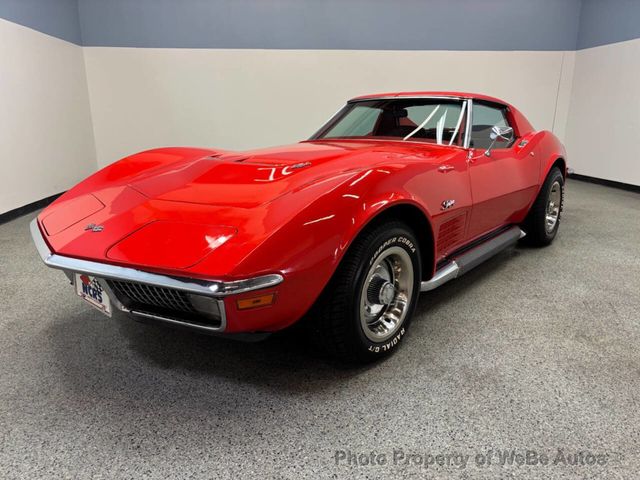
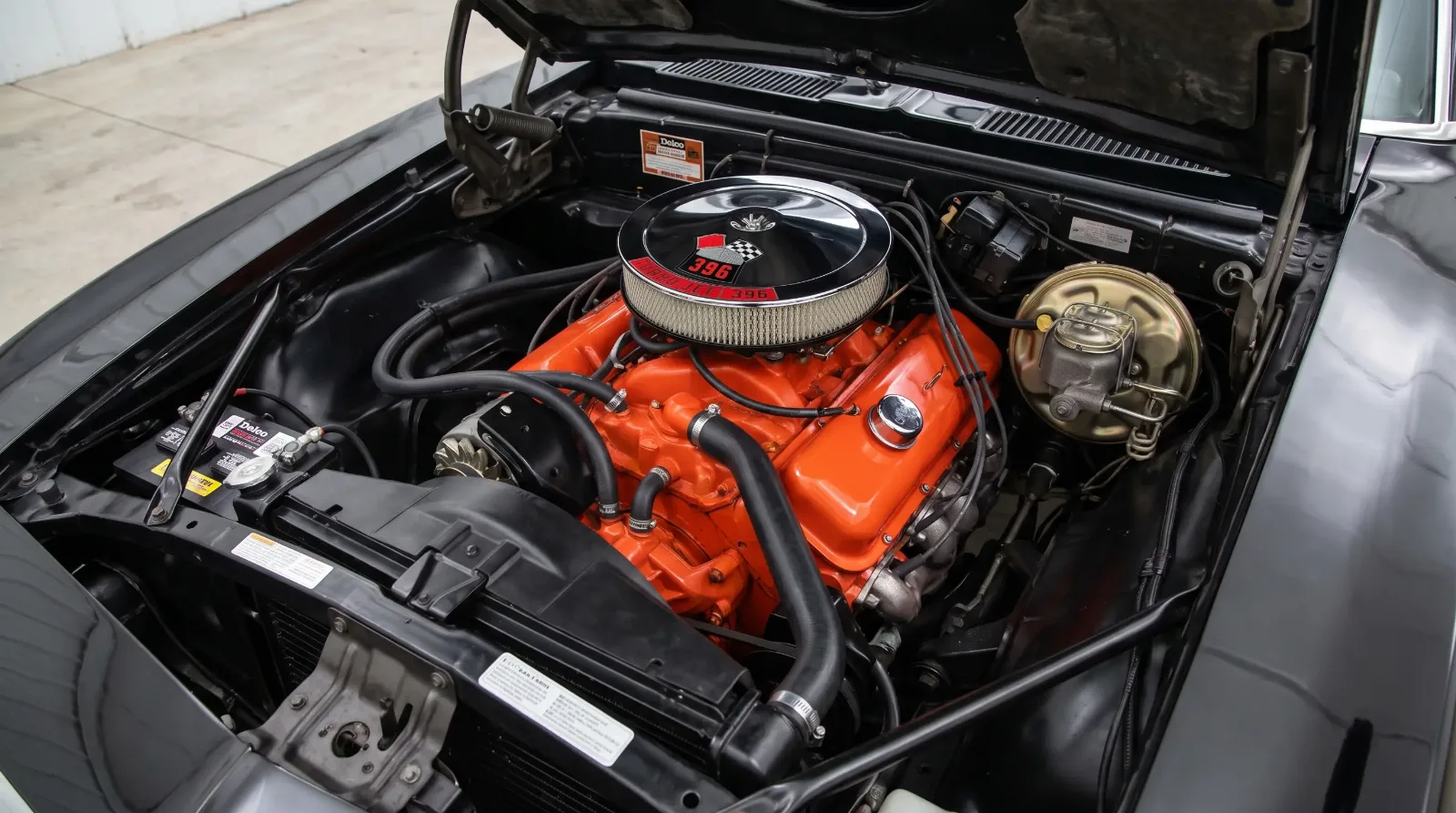
The peak of the early 350 period came with the LT1 introduced for 1970, rated at 370 horsepower (a gross figure measured without accessories, per the industry standard of that era). That engine lasted only through 1972 before emissions requirements began pulling power ratings down. By the mid-seventies the base Corvette engine was producing less than half what the high-performance versions had made just a few years earlier. The compression ratios dropped, the camshaft profiles softened, and the horsepower figures in the brochures reflected a car that had been substantially detuned to meet regulations.
The recovery came in stages. The Cross-Fire Injection system arrived for 1982 and pointed toward what was coming, though it was a transitional system with real limitations. The L98 tuned-port injection engine that arrived for 1985 was a genuine step forward, starting at 230 horsepower and eventually producing 245 horsepower in its 1988-and-later form. The C4 Corvette rebuilt the car's performance credibility on the back of that engine, and the ZR-1 that arrived for 1990 added a completely different engine the LT5 to the top of the lineup. But the standard C4 remained a small block car throughout.
| Engine | Displacement | Approx. peak HP | Years in Corvette |
|---|---|---|---|
| 265 V8 | 265 cu in (4.3L) | 195 hp (1955); up to 240 hp (1956) | 1955-1956 |
| 283 V8 (incl. fuelie) | 283 cu in (4.6L) | 220-283 hp (fuelie: 283 hp) | 1957-1961 |
| 327 V8 (various) | 327 cu in (5.4L) | 250-375 hp | 1962-1969 |
| 350 V8 (L48/L82/L98) | 350 cu in (5.7L) | 165-370 hp | 1969-1991 |
| LT1 (Gen II) | 350 cu in (5.7L) | 300 hp | 1992-1996 |
| LS1 (Gen III) | 346 cu in (5.7L) | 345 hp | 1997-2004 |
The LT1 return and the LS transition (1992 to 2004)
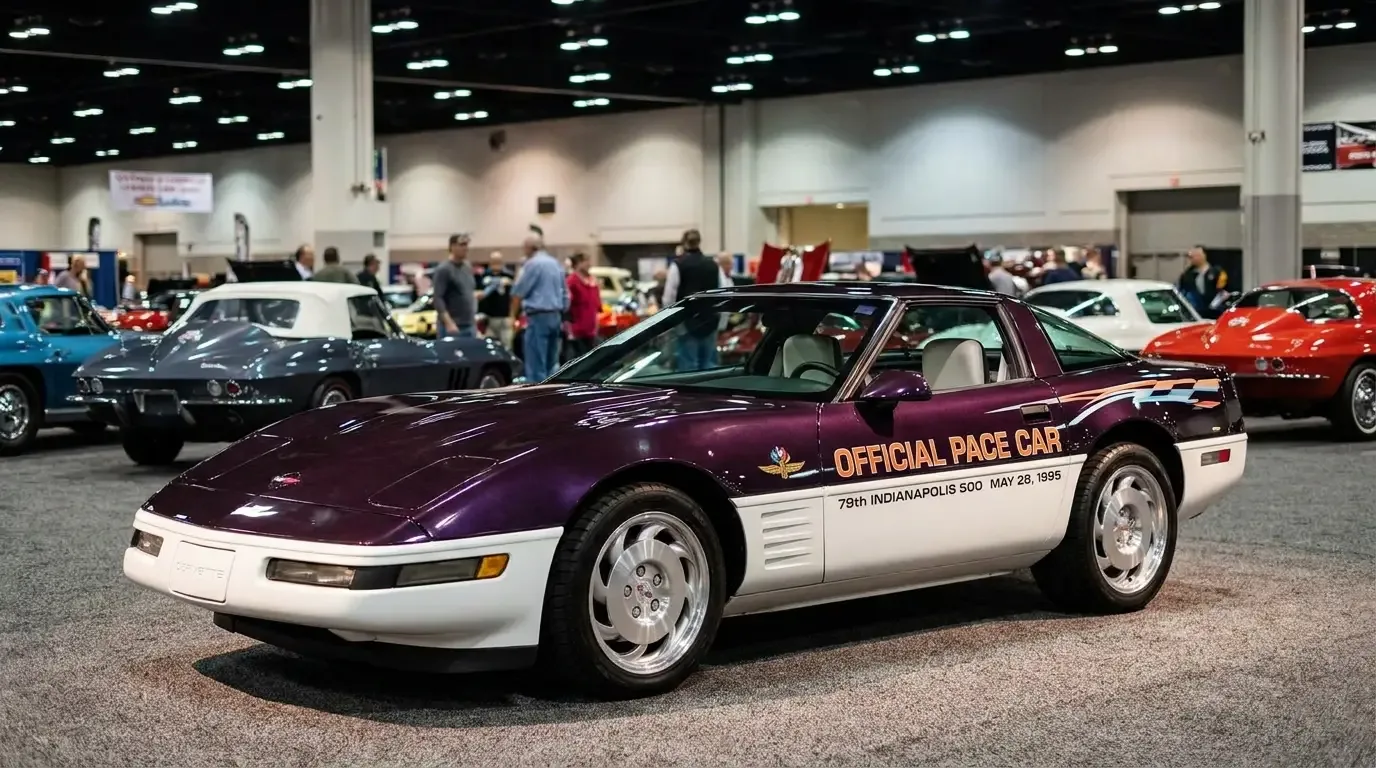
The second-generation LT1 introduced for 1992 brought a genuine performance recovery. Reverse-flow cooling, an opti-spark ignition system, and revised heads pushed output to 300 horsepower in base form. The C4 LT1 cars are sometimes overlooked now because they sit between the Z-peak and the C5, but they represent a real step up from the L98 generation and they handle well. The opti-spark distributor is the mechanical issue that follows these cars. It is water-sensitive, positioned low on the front of the engine, and when it fails the symptoms can be intermittent enough to be frustrating to diagnose.
The LS1 arrived with the C5 in 1997 and it is technically a different engine family rather than a continuation of the original small block architecture. The Gen III and Gen IV LS engines are aluminum-blocked, use different head bolt patterns, and were designed from the start around modern manufacturing tolerances and emissions systems. Whether the LS counts as part of the small block story is a matter of reasonable disagreement. Most factory historians treat it as a clean break. The bore spacing and basic operating principle connect back, but the execution is genuinely new.
For the buyer interested in the traditional small block Corvette rather than the LS era, the C4 LT1 cars from 1992 to 1996 are the last of that lineage in production form. If the big block variants of the late sixties interest you, read on for the story of the 427 and 454 engines that ran alongside the small block in the C2 and C3 periods.
"The 327 fuelie is the engine that serious Corvette collectors talk about first, but don't overlook what the 350 did across twenty-plus years. That engine kept the car credible through some difficult decades, and the late L98 and early LT1 cars are genuinely underrated."
— Tom Ramirez
What the small block record means for buyers today
The practical implication of this history for anyone buying a pre-LS Corvette is that the engine documentation matters as much as the car's condition. RPO codes on the tank sticker or trim tag tell you what engine the car left the factory with. A numbers-matching small block Corvette, particularly a high-performance variant like the L84 fuelie or the L82, carries meaningful value above a car where the engine has been swapped or replaced.
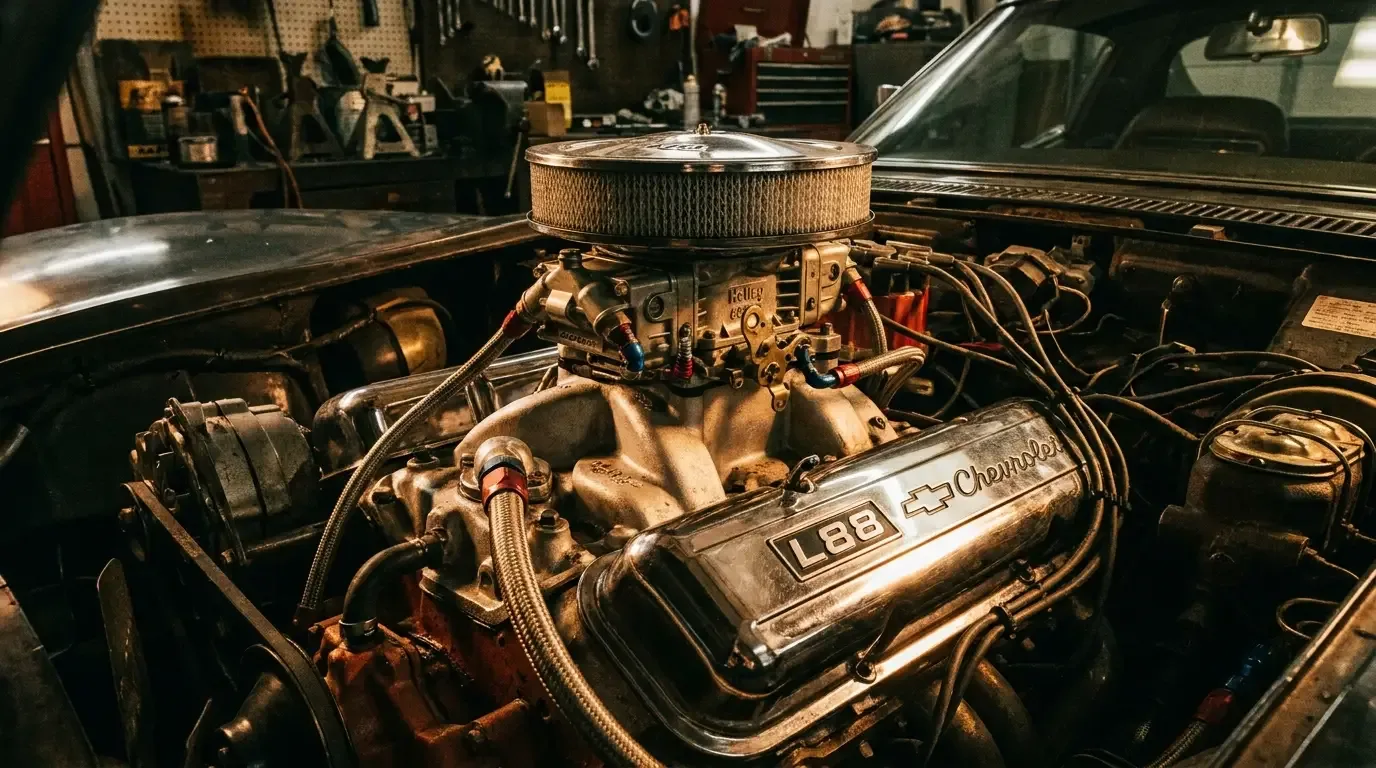
The common small block engines from the later C3 and C4 period are well-supported by the aftermarket. Parts availability is not a concern. The specialty hardware tied to specific high-output versions of the 327 or early 350 is a different situation. Correct carburetor setups, correct intake manifolds, and period-correct ignition components for the top-tier engines from the 1960s are increasingly scarce as NOS stock dries up and restored examples get recirculated in the market.
Sources and notes
- CorvSport: 1955 265ci V8 Engine Guide — confirmed 195 hp factory rating for 1955 Corvette
- CorvSport: 1956 Corvette Specifications — confirmed 210/225/240 hp options for the 265ci in 1956
- Street Muscle Magazine: The First Fuelies — 1957 fuel-injected 283 production count (1,040 units) and 283 hp rating
- Mac's Motor City Garage: 1964-65 L84 375 HP — confirmed L84 output at 360 hp (1962-63) and 375 hp (1964-65)
- CorvSport: 1970 LT-1 Small-Block Engine Guide — confirmed 370 gross hp rating and 1970-72 production span
- Corvette Web Central: Horsepower Timeline — confirmed L98 230 hp (1985), 245 hp (1988+), LT1 Gen II 300 hp (1992), LS1 345 hp (1997)