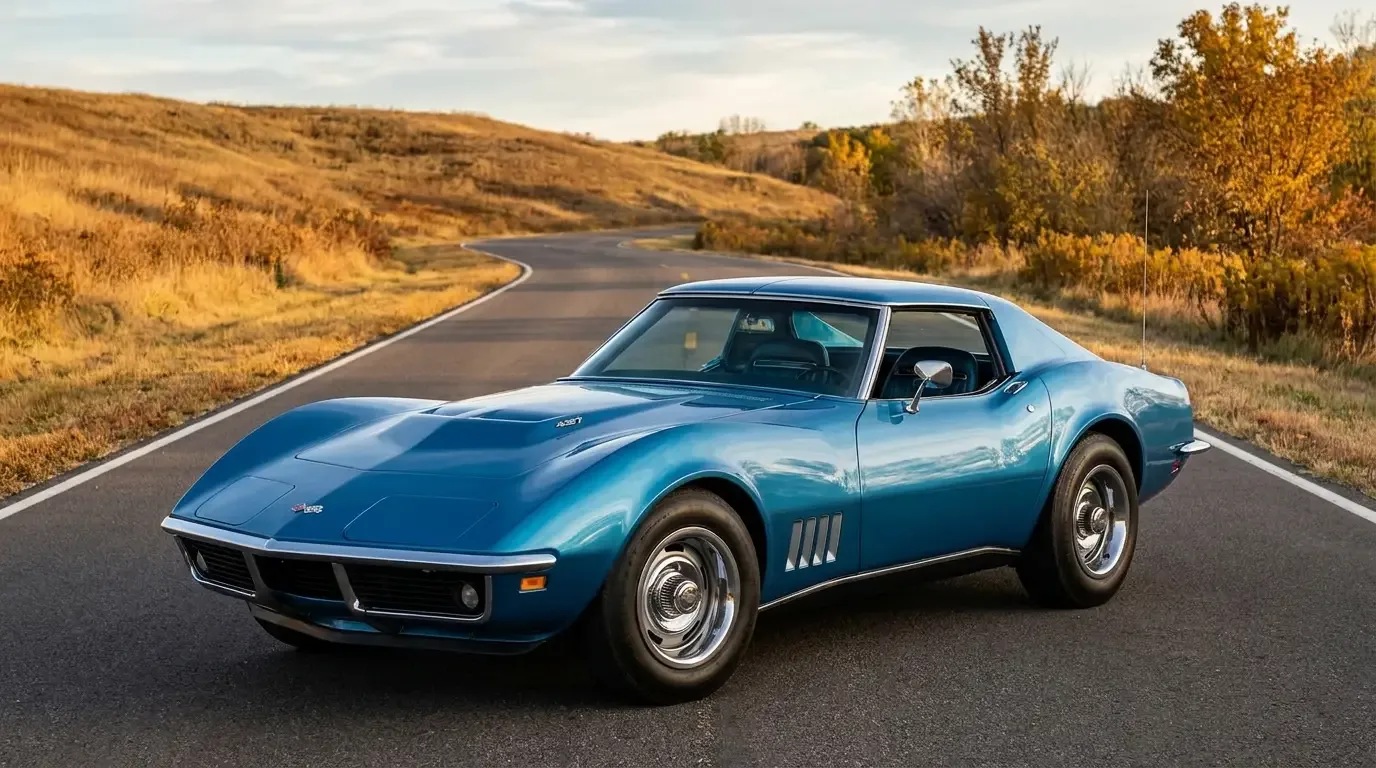
A new generation arrives with complications
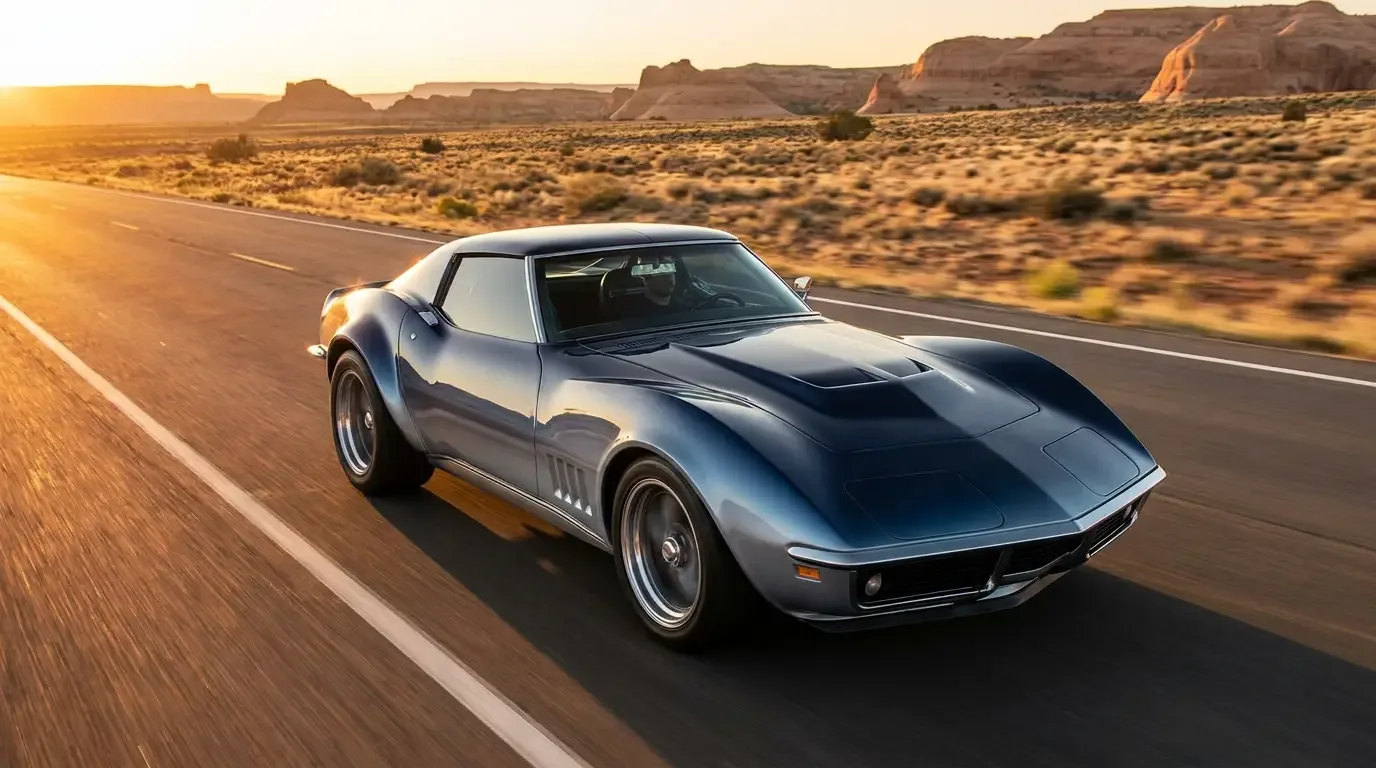
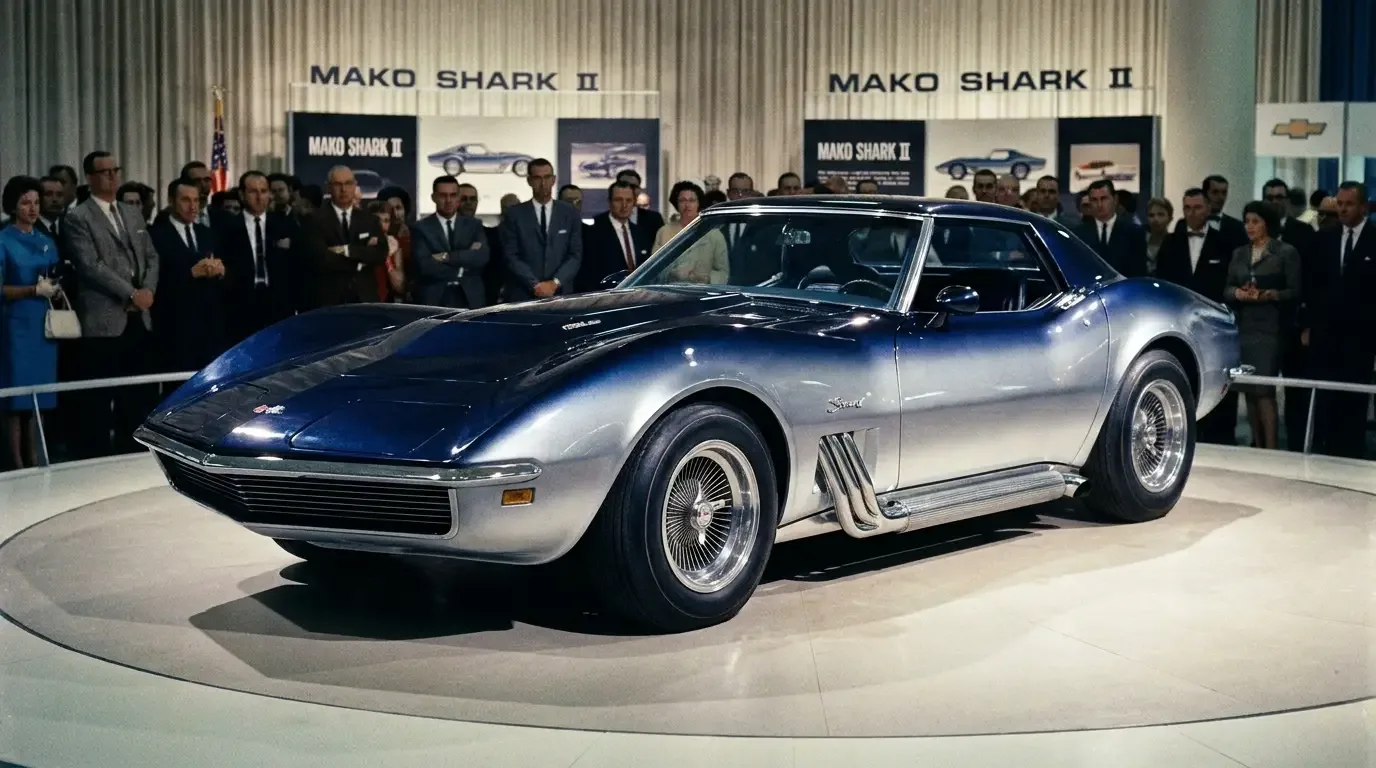
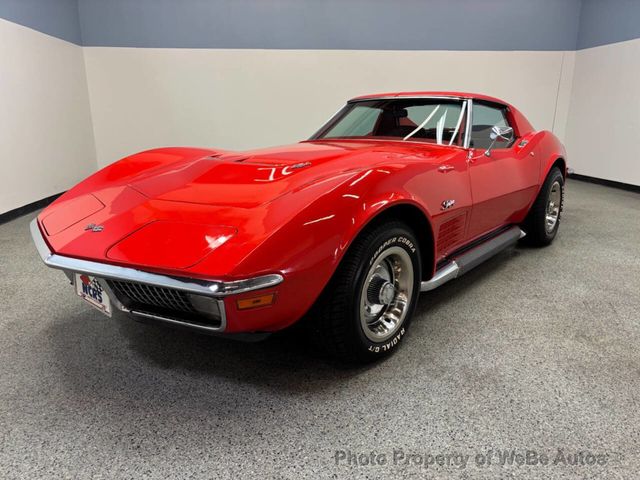
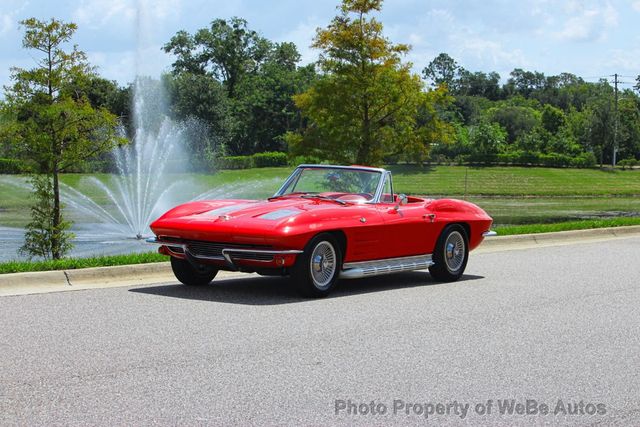
The 1968 Corvette was supposed to be a triumphant moment. Chevrolet had spent years developing the C3 body, borrowing heavily from the Mako Shark II show car that wowed the auto show circuit in 1965. When the car finally reached showrooms in the fall of 1967 as a 1968 model, it looked like nothing else on the road. Longer, lower, with those distinctive tunneled rear quarter windows and a fastback roofline that made the outgoing C2 look almost conservative by comparison.
What Chevrolet did not advertise was how much had gone wrong getting it there.
If you want the deeper story of how the C3 design evolved from concept to production, that context matters for understanding why 1968 occupies such a complicated place in Corvette history. This was not a clean launch.
What the factory records actually show
The 1968 model was the first year of the C3 platform, and first-year cars carry first-year problems. The body was genuinely new from the previous generation, sharing no sheet metal with the C2. It rode a 98-inch wheelbase, unchanged from the C2, but the overall length grew by 7 inches. Weight increased too, which meant the performance numbers, while still strong, were not always the improvement buyers expected over 1967 models.
The convertible's soft top used a heavy-gauge plastic rear window rather than glass in 1968, a detail that carried through the rest of the C3's early years. The removable roof panels, what Chevrolet called the T-top configuration, were an option, and they leaked. Not occasionally. Routinely. Water intrusion around the T-top seals is one of the most commonly cited quality complaints from contemporary owners and remains a frequent topic in NCRS technical judging discussions. The door fit was another issue, with gaps that opened up after the first few thousand miles as the body settled.
Engine documentation on surviving 1968 Corvettes requires careful reading of the trim tag and, where it survives, the tank sticker. The base engine was the 327 cubic inch small block, but it was the last year for that displacement in the Corvette; 1969 would bring the 350. Optional engines ranged up through the 427 cubic inch big blocks. The L88 427 was available, rated at 430 hp from the factory, though that number has been disputed by essentially everyone who has ever seen one on a dyno; independent dyno testing of factory-spec L88 engines has consistently shown real output well north of 500 hp, with Chevrolet deliberately underrating the engine to avoid attracting insurance and regulatory attention. Production of the L88 in 1968 was extremely limited, with 80 cars built that model year, up from 20 in 1967 and rising to 116 in 1969.
The launch problems in specific terms
Road and Track and Car and Driver both tested the 1968 Corvette close to launch, and both publications noted quality issues alongside genuine praise for the design. The windshield wipers were hidden under a vacuum-actuated panel that frequently malfunctioned. The dash layout drew complaints for placing key instruments in positions that required the driver to take their eyes too far off the road. Headroom was tighter than the C2, particularly with the optional T-top panels in place.
The new instrument cluster, with its round pods and the radio relocated to the center console, looked modern and purposeful. In practice, some owners found the switches harder to operate by feel than the outgoing car's layout. These are not catastrophic complaints. They are the complaints of a car that needed another model year of development time, and did not get it.
Chevrolet addressed many of these issues progressively through the production run and into 1969. The next chapter brought significant refinements, including the return of the Stingray name as a single word, a change that seems cosmetic but reflects a broader effort to tighten the car's identity after the 1968 stumbles.
| Engine | Displacement | Rated HP | Notes |
|---|---|---|---|
| L79 Small Block | 327 cu in | 350 hp | Last year for 327 in Corvette |
| L36 Big Block | 427 cu in | 390 hp | Base 427, hydraulic lifters |
| L68 Big Block | 427 cu in | 400 hp | Three two-barrel carbs |
| L71 Big Block | 427 cu in | 435 hp | Solid lifters, three two-barrels |
| L88 Big Block | 427 cu in | 430 hp (factory) | Race-oriented, very limited production |
What this means for collectors today
The 1968's complicated launch history has real implications for buyers now. Because the car was a first-year design, early production examples carry more of the factory roughness than late-production 1968s or 1969 models. Assembly date, which reads from the trim tag, matters when evaluating a 1968. Cars built in the first few months of the production run are more likely to show the original fit issues; they are also more likely to have been addressed by factory service bulletins during their ownership history.
The T-top leaking problem was never fully solved on 1968 cars. The seals can be replaced, and improved aftermarket seals exist, but the fundamental design requires ongoing attention. Any 1968 Corvette coupe with T-tops should be examined for water damage in the footwells, behind the seats, and in the lower rear corners of the interior. This is not a dealbreaker. It is a known issue that should factor into your evaluation of any work already done and any work remaining.
"The 1968 is not a flawed car. It is a first-year car. There is a difference. The flaws are documented, they are specific, and most of them have already been addressed on any survivor that has had attentive ownership. What you are buying is the C3 design at its rawest, before Chevrolet smoothed everything out. For some collectors, that is exactly the point."
— Tom Ramirez
Production for 1968 totaled 28,566 units, split between 9,936 coupes and 18,630 convertibles. The convertible outsold the coupe that year, which would not remain true much longer as the T-top configuration ate into traditional open-car demand. Today, convertibles and big-block cars command premiums. An L88 example with documentation commands serious money in any condition; unrestored, documented L88 survivors are legitimately rare.
If you are looking at 1968 Corvettes for sale, budget for at minimum a thorough inspection from someone familiar with C3-specific issues. Reproduction fiberglass body panels are widely available from specialty suppliers, but fit and finish vary by manufacturer, and original-condition factory panels still carry meaningful value. A proper assessment before purchase saves considerable money after.
Why the 1968 still matters
Despite everything, the 1968 sold well. Buyers responded to the design even when the quality press noted the quality gaps. The C3 shape was genuinely bold, and within a few model years Chevrolet had ironed out the most persistent complaints. The 1968 remains the starting point of one of the longest-running Corvette generations in history, a platform that would carry through to 1982.
Collectors who focus on 1968 specifically are usually drawn to one of two things: the rarity of the early C3, or the availability of factory racing equipment in a package that was technically street-legal. The L88 is the headline, but the L71 cars with solid lifters and the three-carburetor setup also represent serious performance hardware in a road car.
Understanding the launch difficulties is not a reason to avoid the 1968. It is a reason to know what you are buying. The car rewards research, and the documentation trail on any well-preserved example usually tells a clear story about how it got from the factory to where it sits today. That story is worth reading before you write any check.
Sources and notes
- Corvette Action Center: 1968 production and performance numbers, confirmed total production of 28,566 units (9,936 coupes, 18,630 convertibles) and engine-by-engine build counts including 80 L88s
- Hagerty valuation tools: 1968 Corvette specifications and market context for collector values
- Chevy Hardcore: confirmed the L88's factory 430 hp rating versus real-world dyno output well above 500 hp, and Chevrolet's rationale for underrating the engine
- Wikipedia: Chevrolet Corvette (C3), background on the Mako Shark II influence, the one-year launch delay from 1967 to 1968, and body dimension changes
- Classic Corvette Club UK, referencing period Car and Driver/Road & Track test coverage of the 1968 Corvette's handling praise alongside quality complaints
- Robbins Auto Top: confirmed the 1968-75 Corvette factory-style convertible top used a plastic, not glass, rear window