There's a moment Dave McLellan described in interviews where he knew, really knew, that the Corvette project was in the right hands. It was sometime in the early 1980s, deep in the engineering work that would produce the C4, and the question wasn't whether the car would be fast. The question was whether it would be honest. Whether it would do what a serious sports car is supposed to do: put the driver in control of something worthy of their attention. McLellan spent his career answering that question.
His name doesn't come up as often as Zora Arkus-Duntov's in Corvette conversations, and that gap says something about how history tends to work. Zora got the mythology. McLellan got the engineering. But the Corvette that most people alive today actually grew up knowing, the one that survived the malaise era and came roaring back in 1984, is largely his work. the c4 corvette story is also, in meaningful ways, Dave McLellan's story.
From GM engineering to the Corvette desk
McLellan joined General Motors in 1959 as a noise-and-vibration engineer at the Milford Proving Grounds, working his way through the company's technical divisions before landing in the Corvette program. When Zora Arkus-Duntov retired, McLellan took over as chief engineer on January 1, 1975, inheriting a car that was, to put it diplomatically, in difficult shape.
The mid-1970s weren't kind to American performance cars. Emissions regulations and the insurance industry had taken a hammer to horsepower ratings. The 1975 Corvette's base L48 engine made 165 horsepower, a far cry from what the car had been a decade earlier. Buyers were still buying, but the numbers reflected a product line running on reputation more than engineering momentum.
McLellan understood the situation clearly. His job wasn't to polish something that was working. It was to figure out what a Corvette could and should be in a world that had fundamentally changed around it, and then build a path back to genuine performance respectability.
The C4 and what it meant to get it right
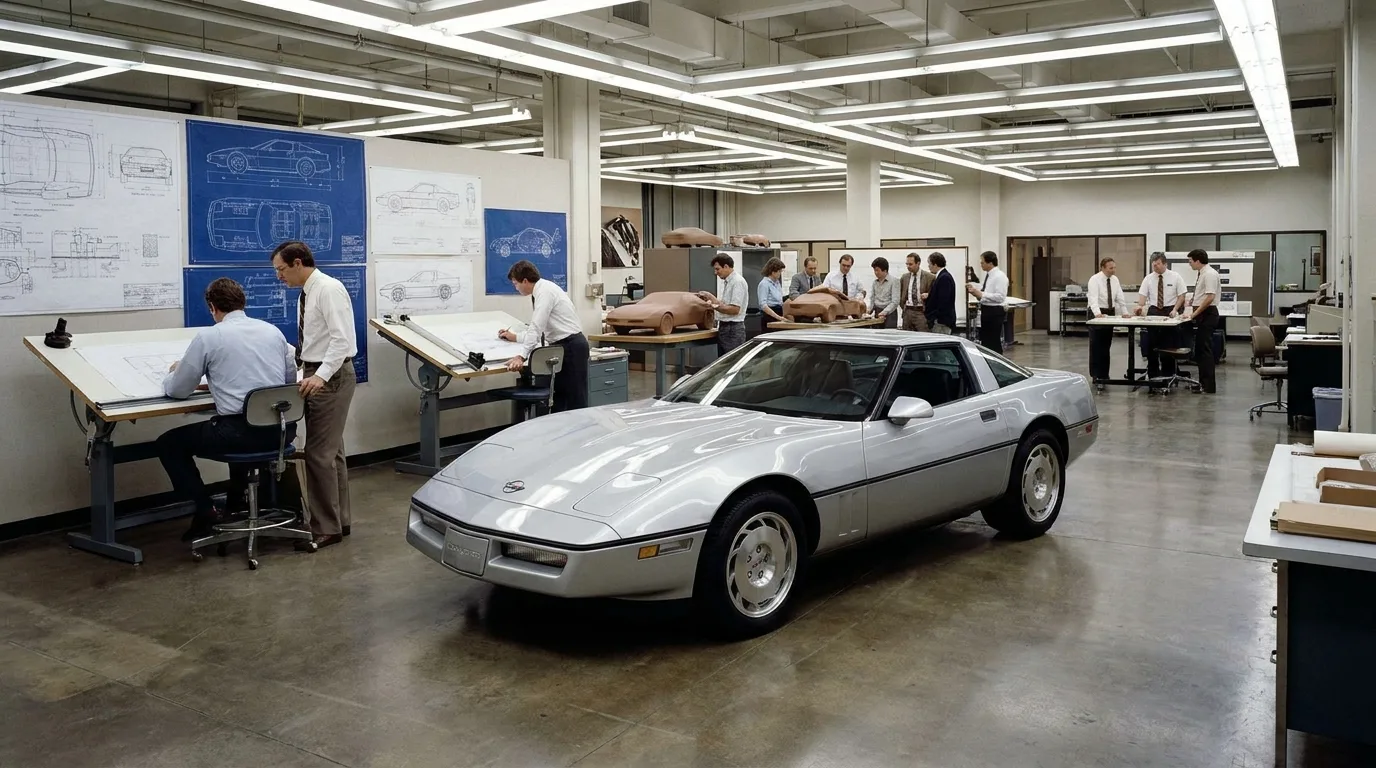
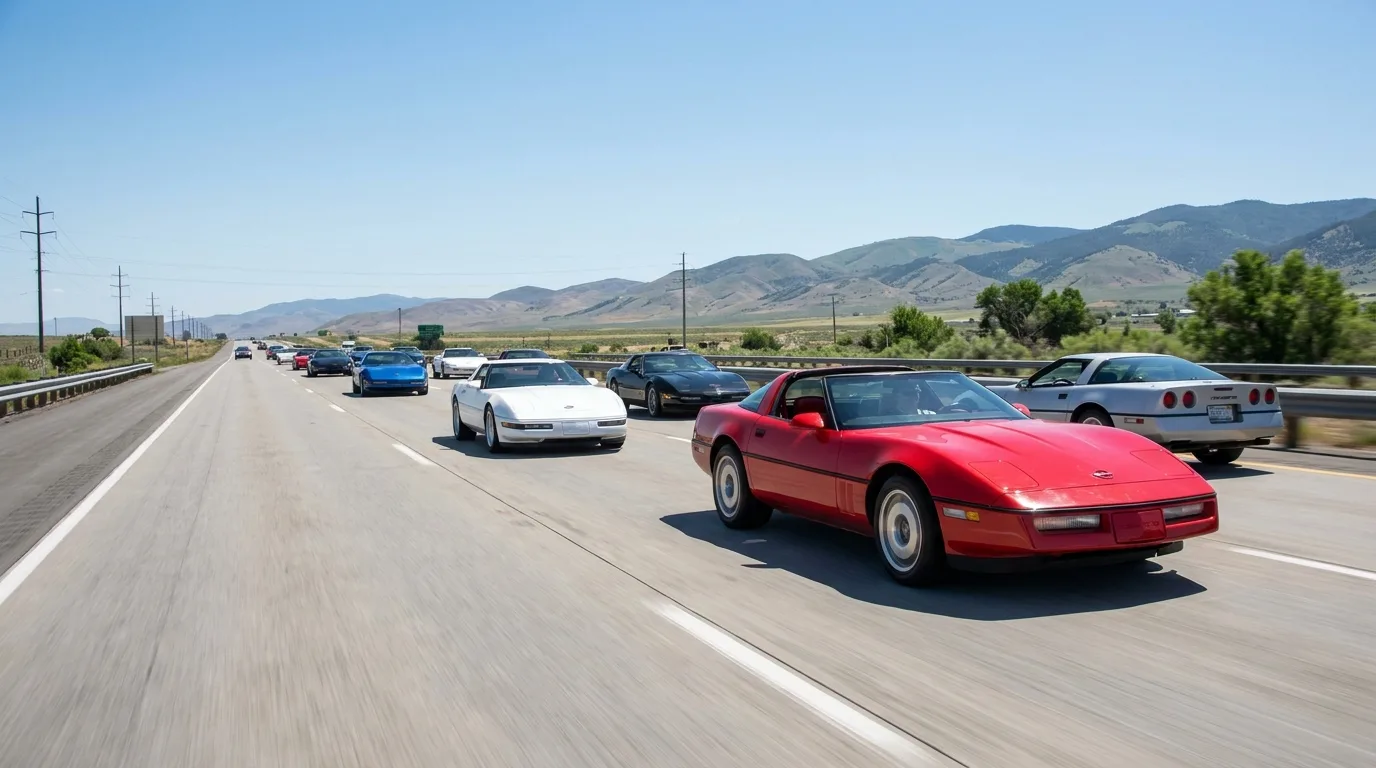
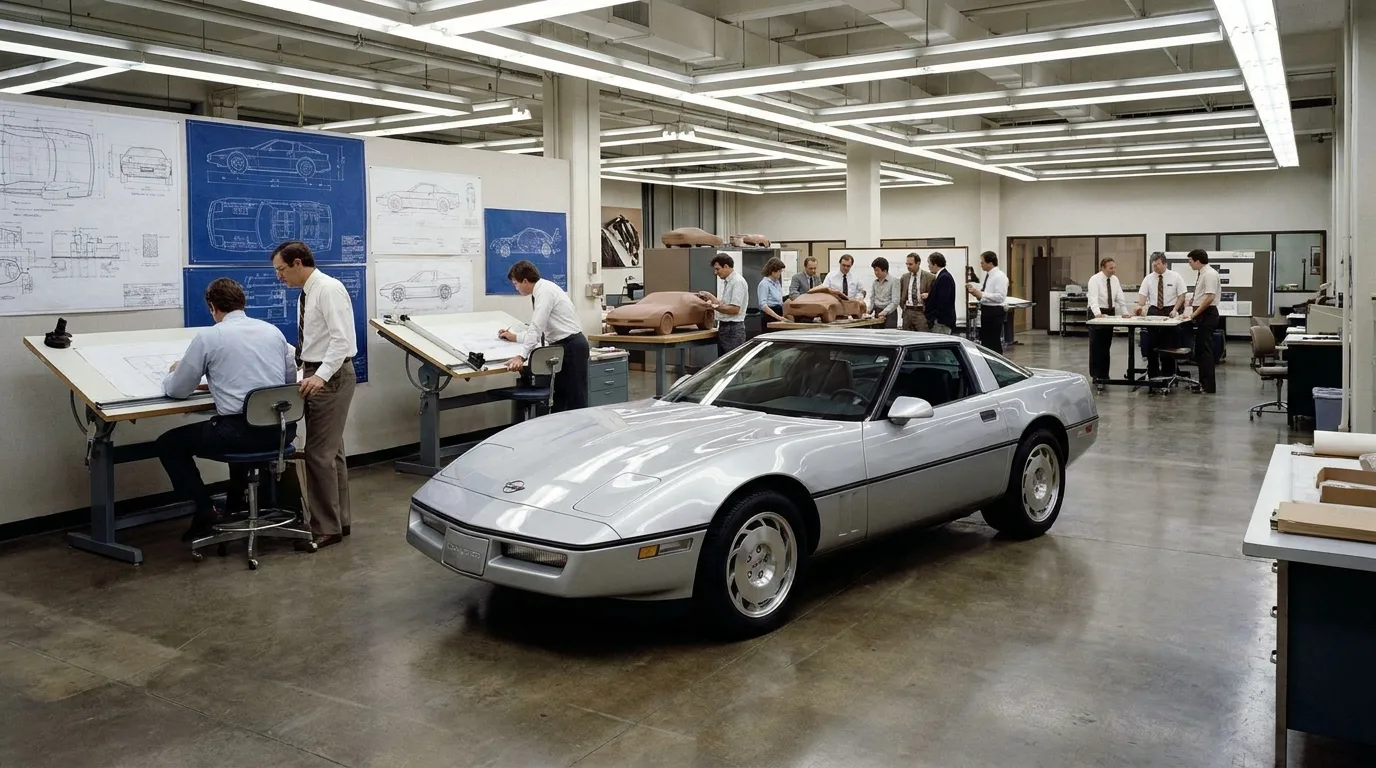
The C4 Corvette that arrived for 1984 was delayed from its originally planned 1983 introduction after quality control problems led GM to scrap the entire production run of pre-production 1983 cars. That kind of decision, throwing away a year's worth of cars rather than shipping them, tells you something about how seriously McLellan's team took the relaunch.
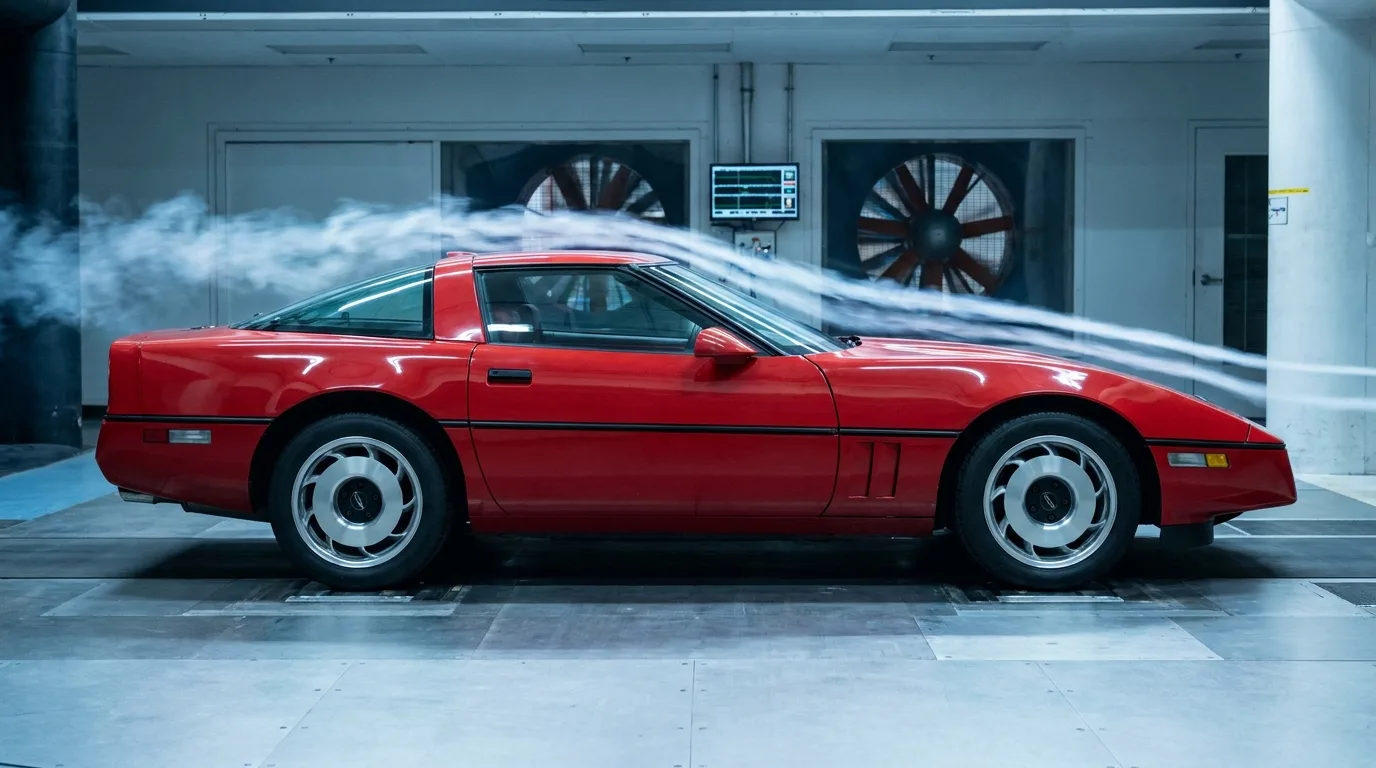
The 1984 car came with a new chassis, a cross-fire injection system on the L83 V8 making 205 horsepower at 4,200 rpm, and a fiberglass body that had been completely redesigned from the C3. It was lighter, stiffer, and faster than what it replaced. The car world noticed. Road & Track and Car and Driver ran comparison tests pitting it against European sports cars that cost considerably more, and the Corvette held its own.
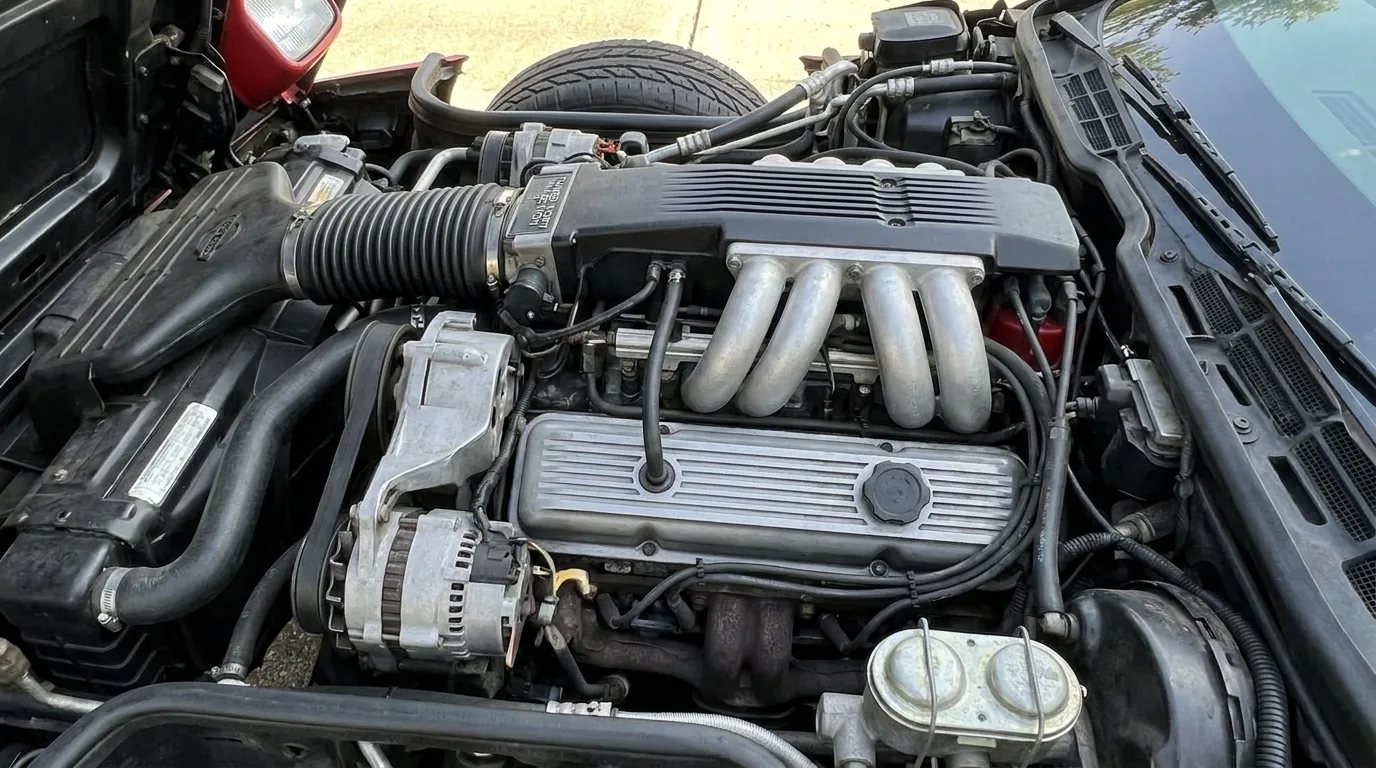
What McLellan had done, across nearly a decade of development work, was rebuild the Corvette's engineering credibility from the inside out. The L98 engine that replaced the cross-fire injection system in 1985, with tuned port injection and 230 horsepower, showed the trajectory he'd set the car on. Every year through the rest of the C4's run, the car got more capable.
"McLellan was working in the hardest era American performance cars ever faced, and he came out the other side with something that could run with the best Europe had to offer. That's not a minor achievement. That's what saved the nameplate."
— Patrick Walsh
McLellan's engineering philosophy
People who worked with McLellan in the Corvette program describe an engineer who thought about the whole car rather than individual systems. He was interested in how everything worked together: chassis stiffness, suspension geometry, brake feel, steering response. The goal wasn't peak numbers in any one category. It was a coherent driving experience.
The ZR-1, which arrived for 1990 and represented the pinnacle of the C4 era, came together under McLellan's direction. The LT5 engine, developed with Lotus and built by Mercury Marine, produced 375 horsepower and 370 lb-ft of torque in its original 1990-1992 form, and was later increased to 405 horsepower and 385 lb-ft for 1993-1995. It was the car that put the Corvette in conversation with Ferrari and Lamborghini in a way that hadn't happened in years.
Understanding the tuned port injection system that powered the C4 through most of its run gives useful context for what McLellan's team was working with. You can find more here on how that system evolved through the generation.
| Era / Role | Key achievement | Years |
|---|---|---|
| Early C4 development | New chassis architecture, cross-fire injection L83 | 1975-1984 |
| C4 mid-cycle refinement | Tuned port injection L98, suspension revisions | 1985-1989 |
| ZR-1 program | LT5 V8, partnership with Lotus, 375-405 hp across the run | 1990-1995 |
| C4 final years / C5 handoff | LT1 engine, refined platform through transition | 1992-1993 |
Life after the Corvette desk
McLellan left the Corvette program in 1992 as the C4's production years wound down and the groundwork for the C5 was being laid. He was present on July 2, 1992, when the one-millionth Corvette rolled off the Bowling Green assembly line. The C5 that arrived in 1997 carried forward many of the priorities he'd established: structural rigidity, weight management, genuine performance without apologizing for it.
He remained connected to the Corvette community in the years that followed, showing up at events, participating in the kind of deep-dive conversations that Corvette enthusiasts tend to have about engineering decisions and historical context. The Corvette community has a long memory for the people who shaped the car, and McLellan's role in the C4 era kept him in those conversations.
Why his name belongs in the conversation
The history of the Corvette gets told as a series of milestone moments, and most of them cluster around Zora Arkus-Duntov's era: the racing heritage, the big-block engines, the legendary variants of the 1960s. That history is real and worth knowing. But the Corvette survived into the modern era because of the work done in the 1970s and 1980s, in far less favorable conditions, by a team led by an engineer who didn't get nearly as much attention.
McLellan's C4 gave the Corvette its identity for a generation of buyers. It was the car that proved the nameplate still meant something when the market for American performance cars had contracted severely. Every Corvette sold since 1984 exists in part because of decisions he made when the car's future wasn't obvious.
That's what a chief engineer's work actually looks like, most of the time. Not headline-grabbing moments, but a sustained commitment to making the car better than the constraints would seem to allow. Dave McLellan did that work for seventeen years, and the car he handed off was ready for whatever came next.
Sources and notes
- Wikipedia: Dave McLellan - confirmed correct name spelling, 1959 GM start date, 1975-1992 chief engineer tenure
- Corvette Action Center: David R. McLellan biography - confirmed GM start at Milford Proving Grounds in 1959, chief engineer appointment January 1, 1975
- National Corvette Museum: Dave McLellan profile - confirmed 1975-1992 tenure, one-millionth Corvette milestone on July 2, 1992, key C4/ZR-1 achievements
- National Corvette Museum: 1975 Corvette specs - confirmed L48 base engine at 165 horsepower
- C4 Corvette FAQ (Vettes of Atlanta) - confirmed 1984 L83 Cross-Fire Injection rated at 205 hp at 4,200 rpm
- GM Authority: LT5 V8 in the C4 ZR-1 - confirmed 375 hp for 1990-1992 and 405 hp for 1993-1995 LT5 output, plus ZR-1 production run through 1995