
In the early 1950s, Chevrolet was looking for a way to compete with European sports cars that were showing up on American roads and racetracks. The result was the 1953 Corvette, a car that made a decision so unconventional that engineers at competing automakers thought it was a mistake: they built the body from fiberglass. That choice turned out to be one of the defining facts of the Corvette's identity, and it held for decades.
Understanding why Chevrolet went to fiberglass, how they did it, and what it meant for the car requires going back to a moment when nobody quite knew how fiberglass behaved at production scale. The people making those decisions were working without a template. To read more about where that first car fits in the broader story, the c1 corvette era covers the full arc from conception through the generation's end.
Why fiberglass in the first place
The short answer is that steel wasn't available in the quantities Chevrolet needed, and the tooling costs for a low-volume sports car would have been prohibitive anyway. Stamping steel body panels requires expensive dies, and those dies need high production volumes to justify the investment. The 1953 Corvette was planned as a low-volume car from the start. Projections at the time suggested production in the hundreds, not the thousands.
Fiberglass-reinforced plastic had been used in boat hulls and aircraft components during and after World War II. The material was lighter than steel, didn't rust, and could be formed into complex shapes using relatively inexpensive molds. For a low-volume car with a lot of curves in its design, it looked like a practical solution.
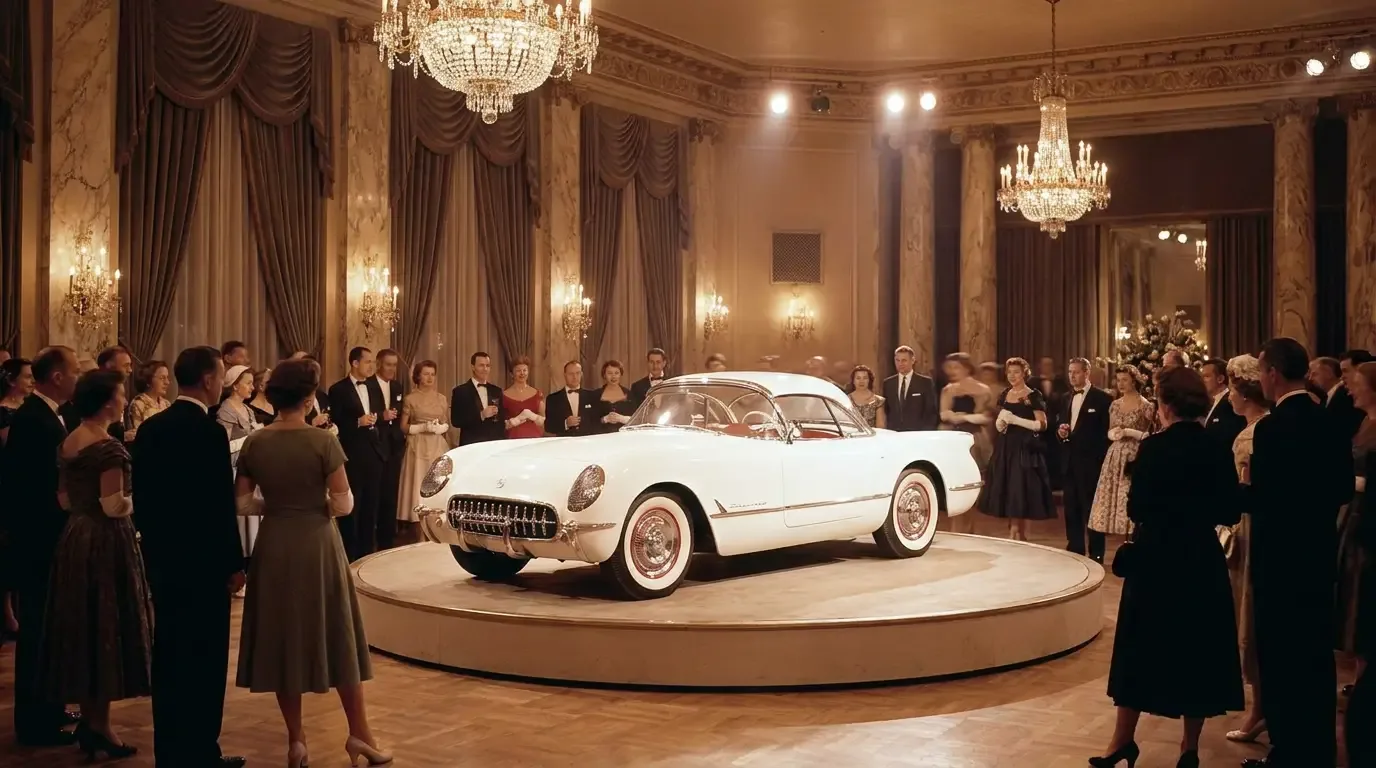
Harley Earl, who headed GM's design staff and had pushed the Corvette concept forward, was also thinking about what the body would look like. The Motorama show car that debuted in January 1953 had already been built in fiberglass, which gave Chevrolet production engineers a starting point. They had a body form. The question was how to manufacture it in volume.
How the bodies were actually made
The 1953 production run was handled by an outside supplier, Molded Fiber Glass Company in Ashtabula, Ohio, founded by Robert Morrison. Chevrolet did not yet have in-house capability to produce fiberglass bodies at the pace they needed, even for a car that saw only 300 units in its first year. The supplier relationship reflected the experimental nature of the whole program.
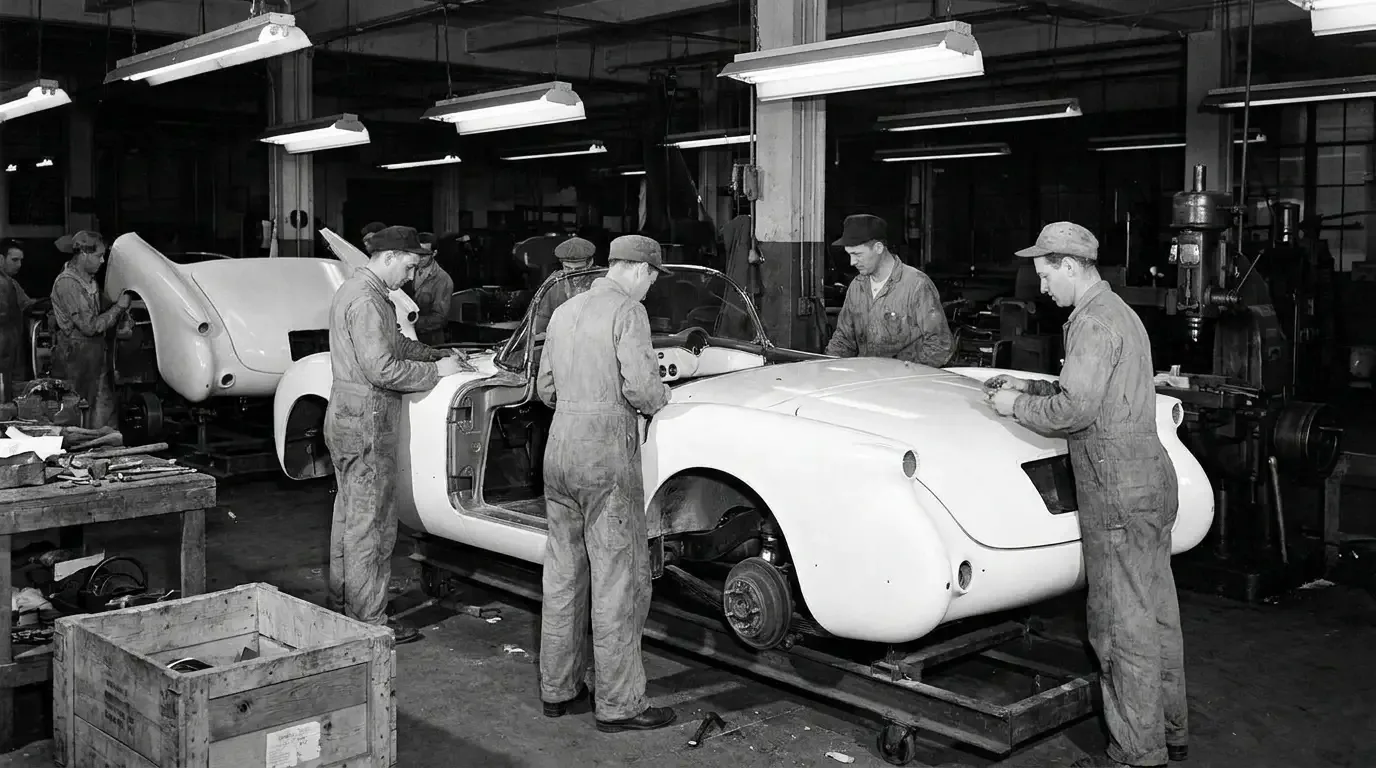
The process involved laying sheets of fiberglass mat into molds, saturating them with resin, and allowing them to cure. Each panel was then trimmed, inspected, and sent to the assembly line. The body came in multiple sections that were bonded and bolted together rather than welded, which is standard practice with steel. Assembly workers and engineers had to learn as they went. Fit and finish on the earliest cars reflected that learning curve, and the 1953 Corvettes are not known for panel gaps that would satisfy a present-day judge.
1953 assembly took place at a makeshift facility on Van Slyke Avenue in Flint, Michigan, before production moved to a new plant in St. Louis starting with the 1954 model year, where Chevrolet had more control over the process. Volume increased substantially. The body construction process was refined but remained fundamentally the same: hand-laid fiberglass, bonded assembly, separate painting of individual panels before final assembly.
The Blue Flame Six and what the body had to carry
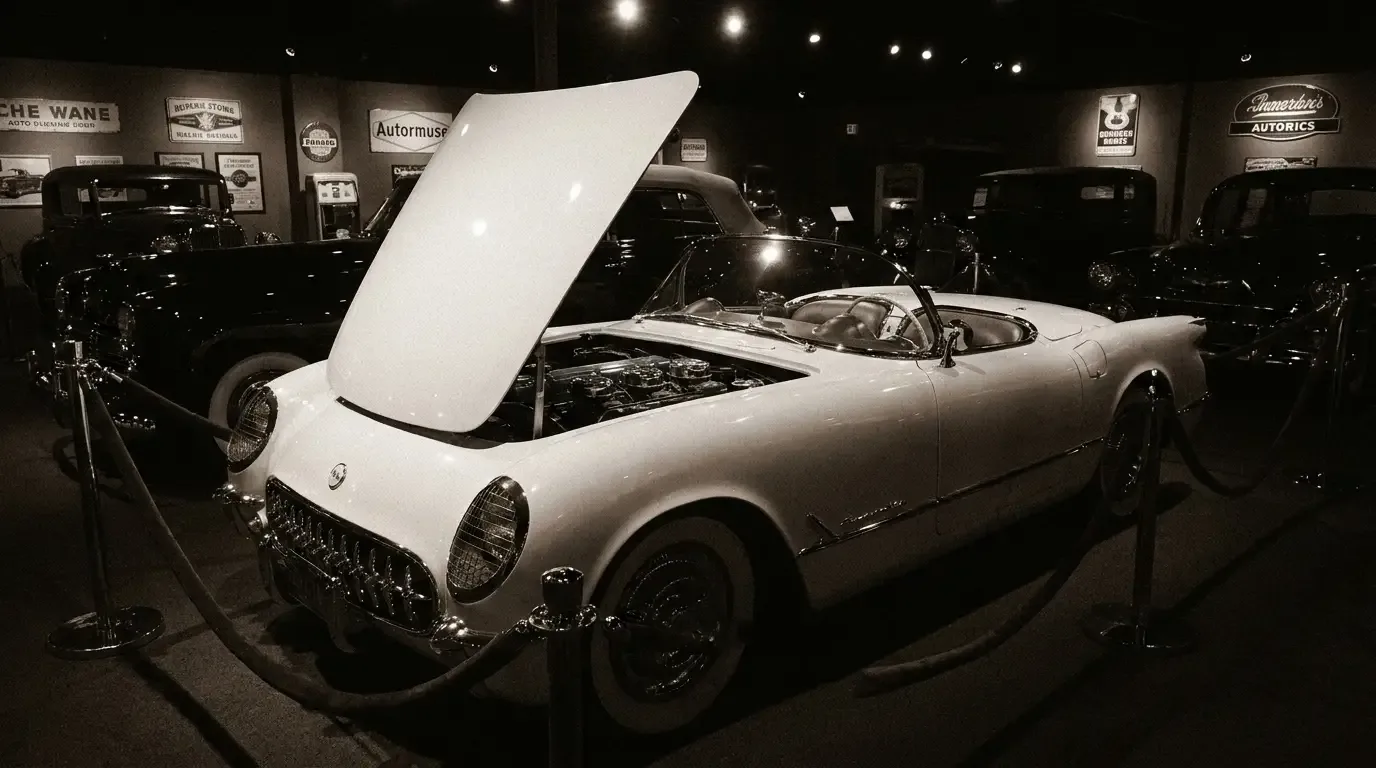
The first Corvette's drivetrain was not what many people expected from a sports car. The engine was a modified version of Chevrolet's 235-cubic-inch inline-six, fitted with a hotter camshaft, solid lifters, dual valve springs, and a higher-compression head to produce 150 hp at 4,500 rpm, paired with a two-speed Powerglide automatic. There was no manual transmission option in 1953. That combination drew criticism from the start, and the fiberglass body was sometimes mentioned alongside the engine as evidence that the Corvette wasn't a serious sports car yet. If you want the full story on that engine and why Chevrolet made those choices, read on.
What the fiberglass body did for the car, regardless of what was under the hood, was keep the weight down. The body was meaningfully lighter than a comparable steel unit would have been. That weight advantage became more relevant as the engine situation improved in subsequent years.
Problems that came with the material
Fiberglass had real drawbacks that showed up in early production cars. The material was more susceptible to stress cracking than steel, particularly around mounting points and anywhere the body flexed. Early owners discovered that the car developed cracks at predictable locations, and the repair process was nothing like fixing a dent in a steel panel. You couldn't just work the metal back into shape. Fiberglass repair required grinding, patching, and refinishing, and the results depended heavily on the skill of whoever was doing the work.
Color matching was another issue. The panels were painted before assembly, and getting consistent color across multiple panels that had slightly different surface textures was difficult. Some early cars showed variation in finish that wouldn't have been acceptable on a conventional steel-bodied car.
Dealers and body shops also had to develop new skills. Steel bodywork was a known trade. Fiberglass bodywork was something most shops had never touched. The Corvette created a demand for new knowledge that took a few years to propagate through the service network.
"The decision to go with fiberglass in 1953 was driven by practical constraints, not vision. But what's interesting is what happened next: the material stayed, the car's character formed around it, and by the time anyone had a chance to switch to steel, the fiberglass Corvette was already the only kind anyone recognized."
— Tom Ramirez
Why the decision stuck
By the mid-1950s, Chevrolet could have reconsidered. Production volumes were growing, tooling costs were becoming more justifiable, and steel was the known quantity. Instead, they kept fiberglass. Part of the reason was that the body had become genuinely associated with the car's identity. Changing it would have been a story in itself, and not necessarily a good one from a marketing standpoint.
The practical case for staying held up too. Fiberglass didn't rust, which mattered in a country where salt was going onto roads every winter. The weight advantage remained real. And the tooling flexibility meant that body changes from year to year were less expensive than they would have been with steel dies. Each generation of the car could receive meaningful styling updates without the capital investment that a steel body revision would have required.
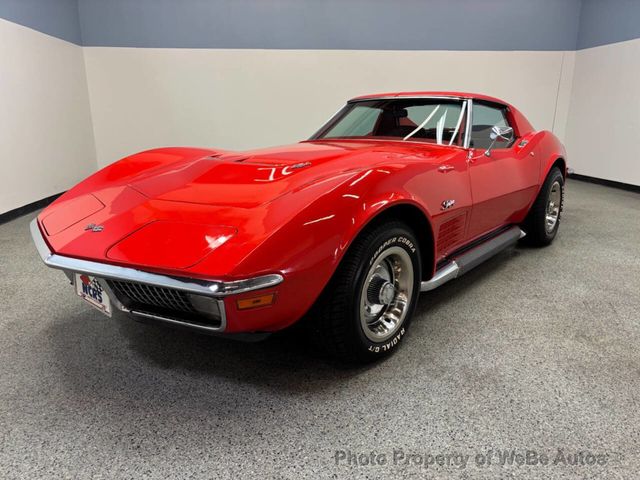
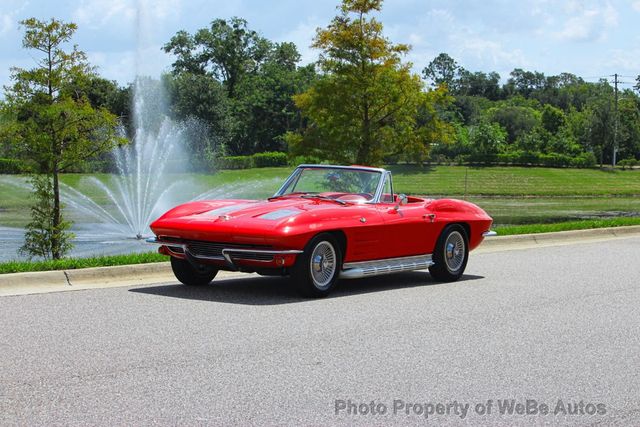
The fiberglass body became a Corvette fixture through the C1, C2, and C3 generations. The C4, arriving in 1984, moved to a different composite material rather than traditional woven fiberglass mat, but the underlying principle was the same. Chevrolet has never built a production Corvette with a steel body.
If you're looking at early Corvettes in today's market, the fiberglass body is simultaneously one of the car's advantages and one of its complications. No rust, but a full history of repairs that are sometimes invisible until you look carefully. You can find C1 Corvettes for sale across a range of conditions and price points, and understanding the body material is part of knowing what you're evaluating.
The first fiberglass Corvette body was a manufacturing experiment that worked well enough to define the car permanently. The early cars carry the marks of that experimental period in their panel gaps and occasional stress cracks, but they also carry something that later, more refined cars don't: the proof that an unconventional approach can work when the alternative isn't really practical to begin with.
Sources and notes
- National Corvette Museum: Robert Morrison and the founding of Molded Fiber Glass Company in Ashtabula, Ohio
- Hagerty: the January 17, 1953 Motorama debut at New York's Waldorf-Astoria
- Corvsport 1953 Corvette guide: Blue Flame Six output of 150 hp and 1953 production of 300 units
- Corvette Report: 1953 assembly on Van Slyke Avenue in Flint, Michigan, and the move to St. Louis for the 1954 model year
- Corvette Report: development of the fiberglass body from the 1952 Parts Fabrication Department directive through the Motorama car
- Star Beacon (Ashtabula, OH): history of Molded Fiber Glass Company's role supplying Corvette body panels