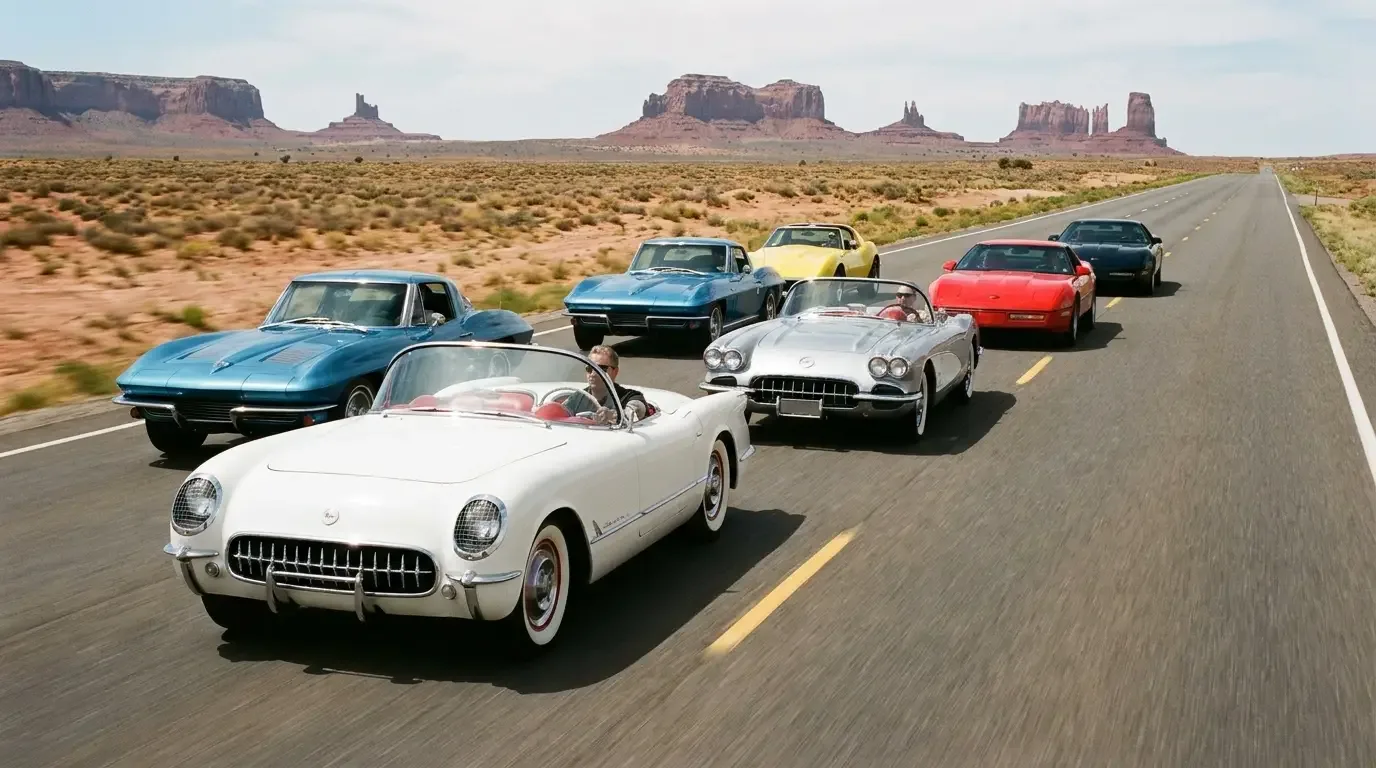
The C1 Corvette is where the story begins. Not just the beginning of a nameplate, but the beginning of a sustained American commitment to building a real sports car. From 1953 through 1962, the first-generation Corvette went from a show-car experiment to a genuine performance machine, and the path it took was neither smooth nor inevitable. If you want to understand why the Corvette matters, you start here. For the full arc of how this car became an institution, read the complete Corvette story.
The Motorama and the fiberglass gamble
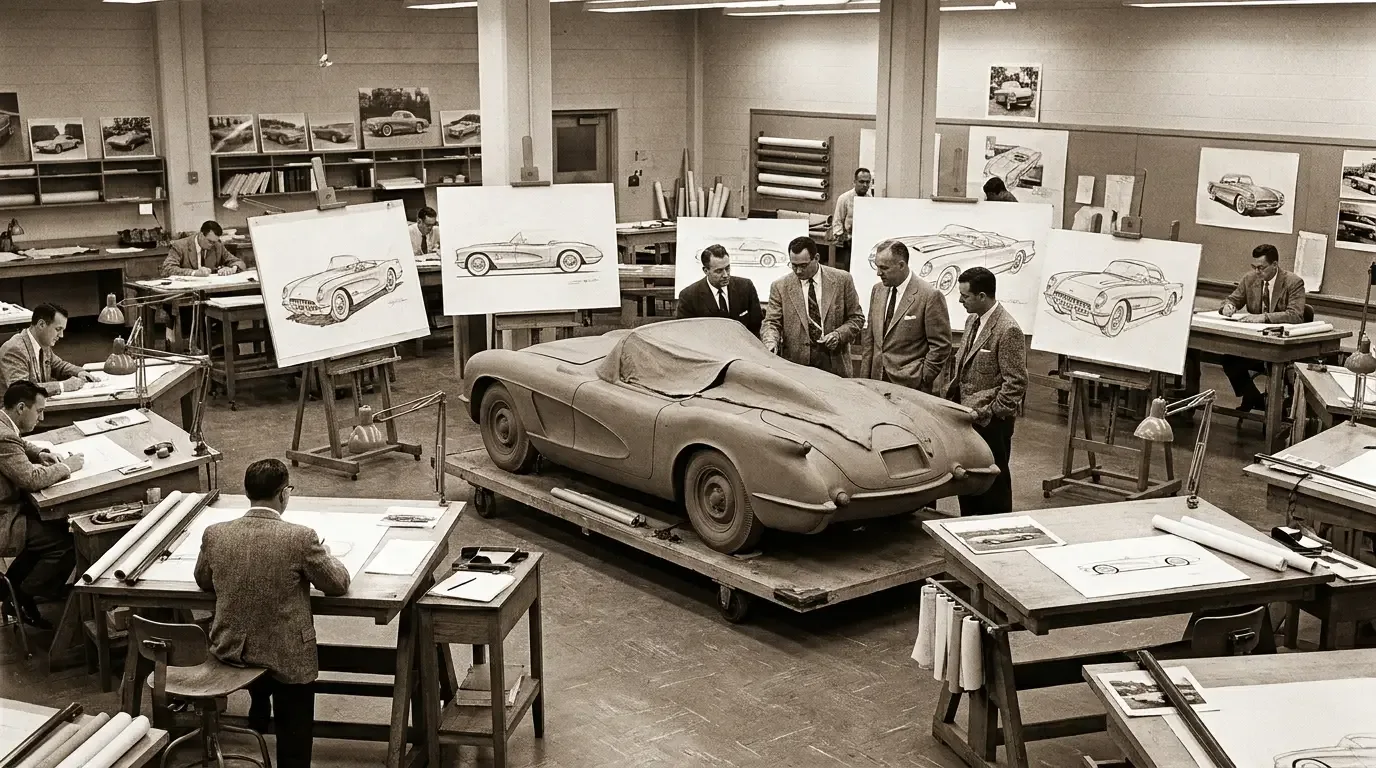
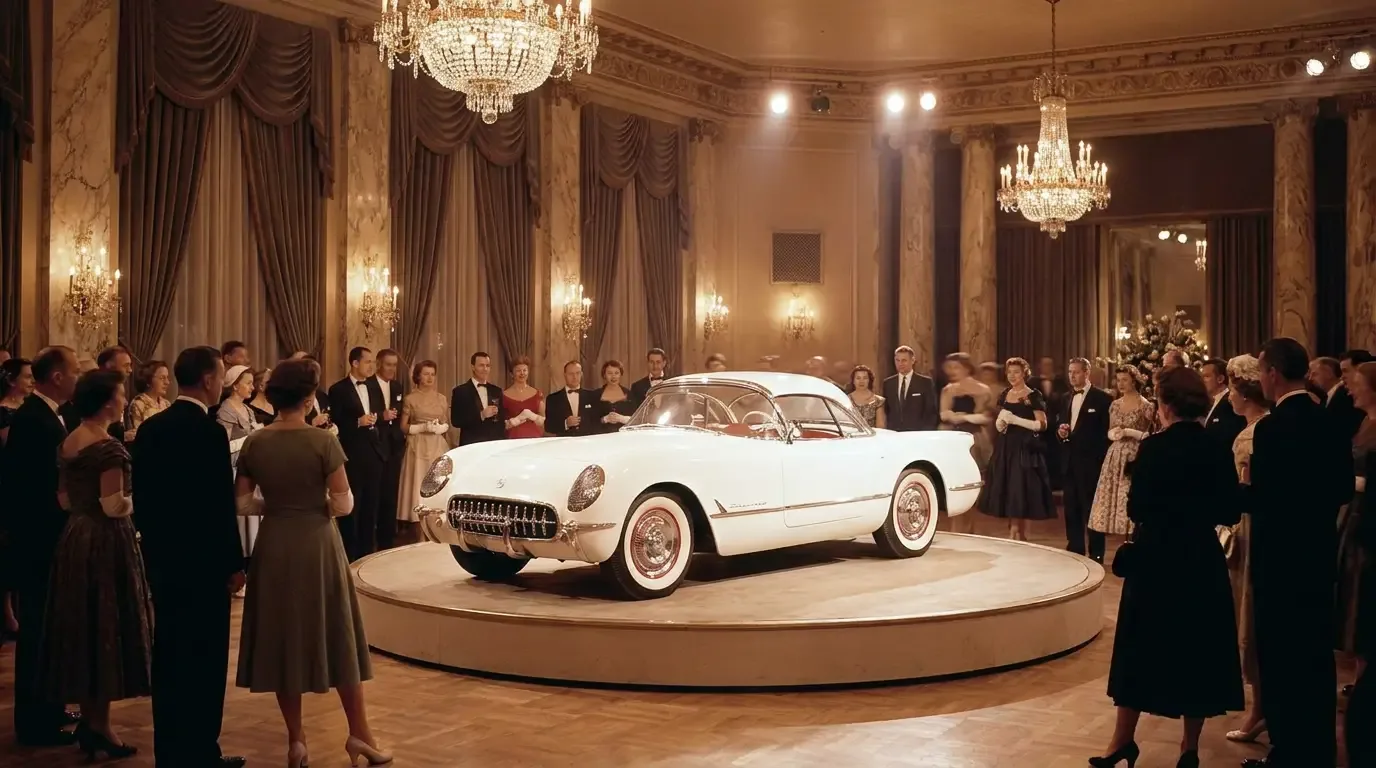
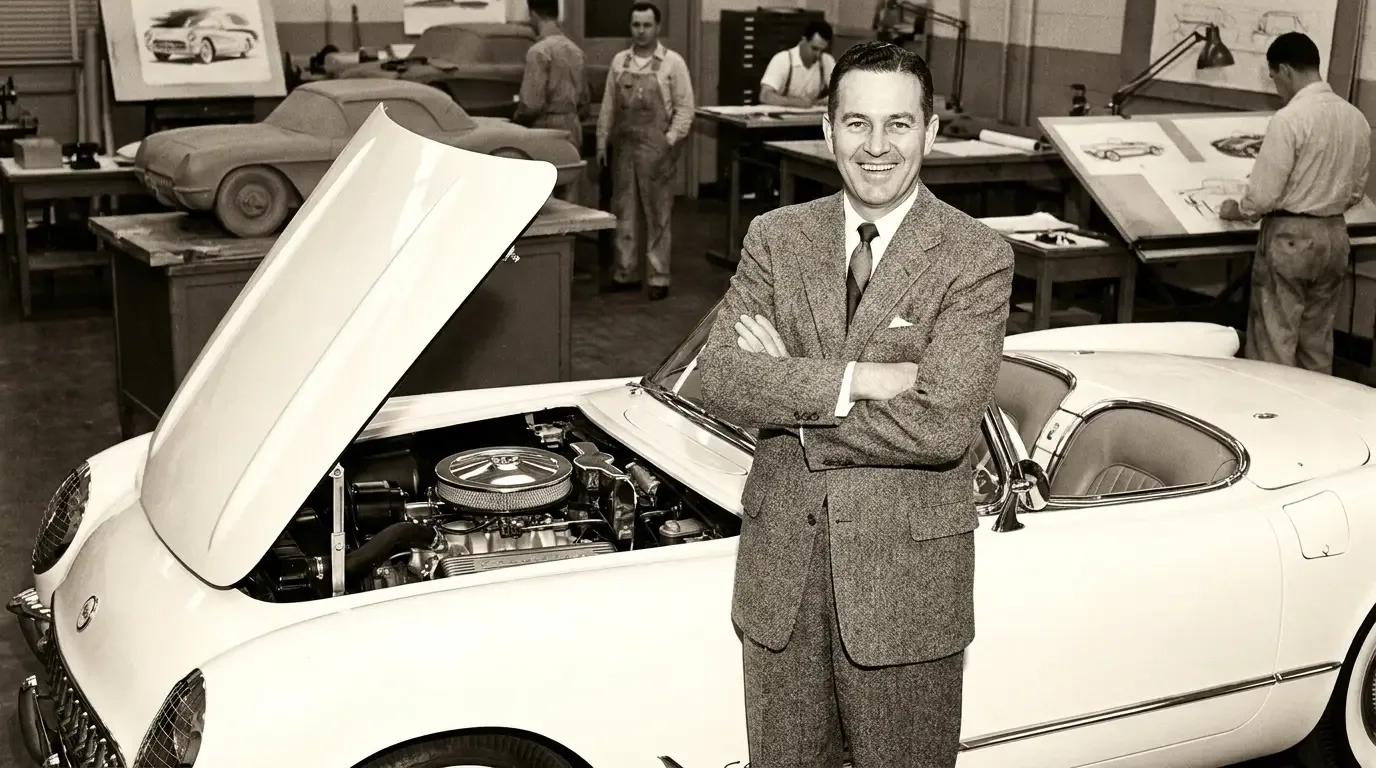
General Motors unveiled the Corvette concept at the 1953 Motorama show in New York's Waldorf-Astoria hotel. The reaction from the public was strong enough that Chevrolet moved fast. By June 1953, production cars were rolling out of a temporary facility in Flint, Michigan. The timeline from concept to production was extraordinarily compressed, which explains some of what followed.
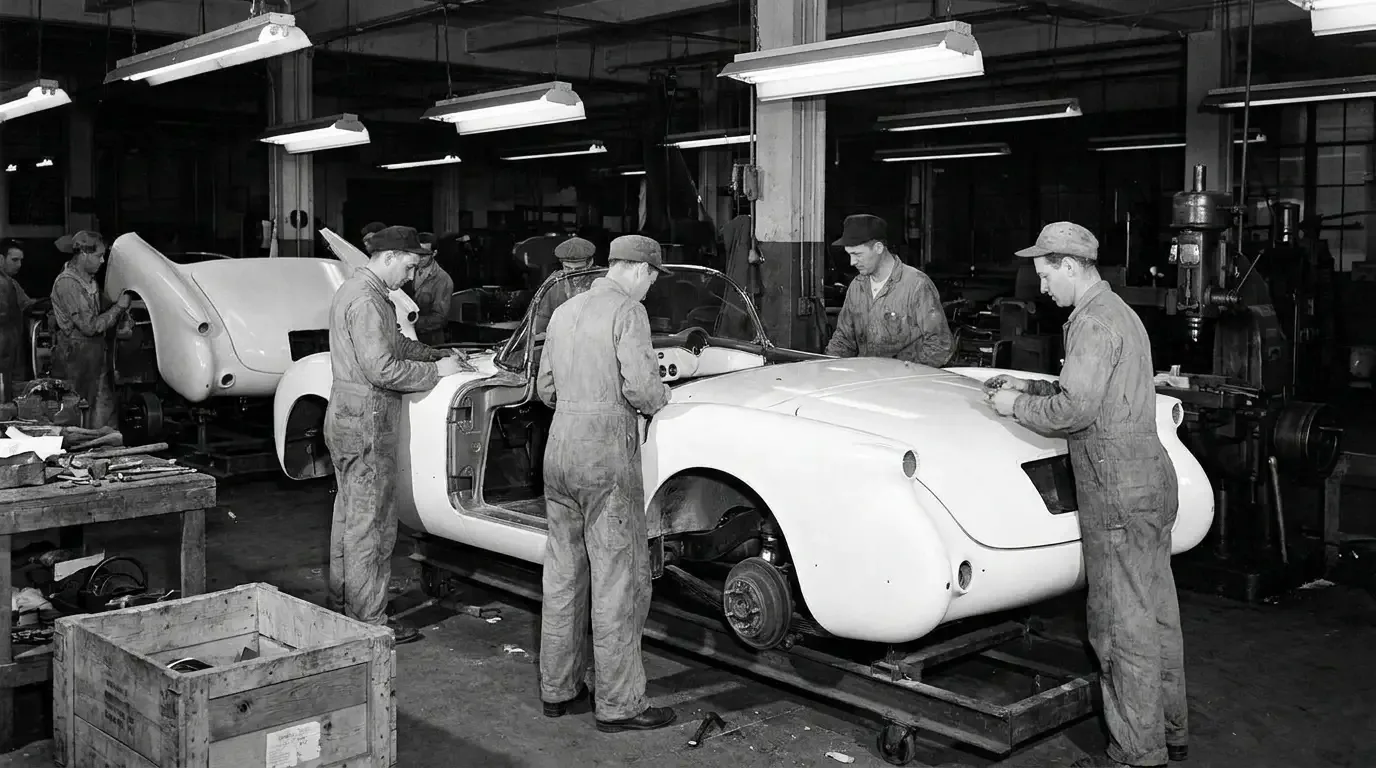
The critical decision was fiberglass for the body. Steel was the established material for American production cars, and most industry observers assumed GM would switch to it once the novelty wore off. They never did. The fiberglass body stayed through the entire C1 run and became a defining Corvette characteristic that persisted across every subsequent generation. At the time, though, it was an unproven production choice, and the early cars had quality issues with inconsistent panel fit and surface finish that reflected how new the process was.
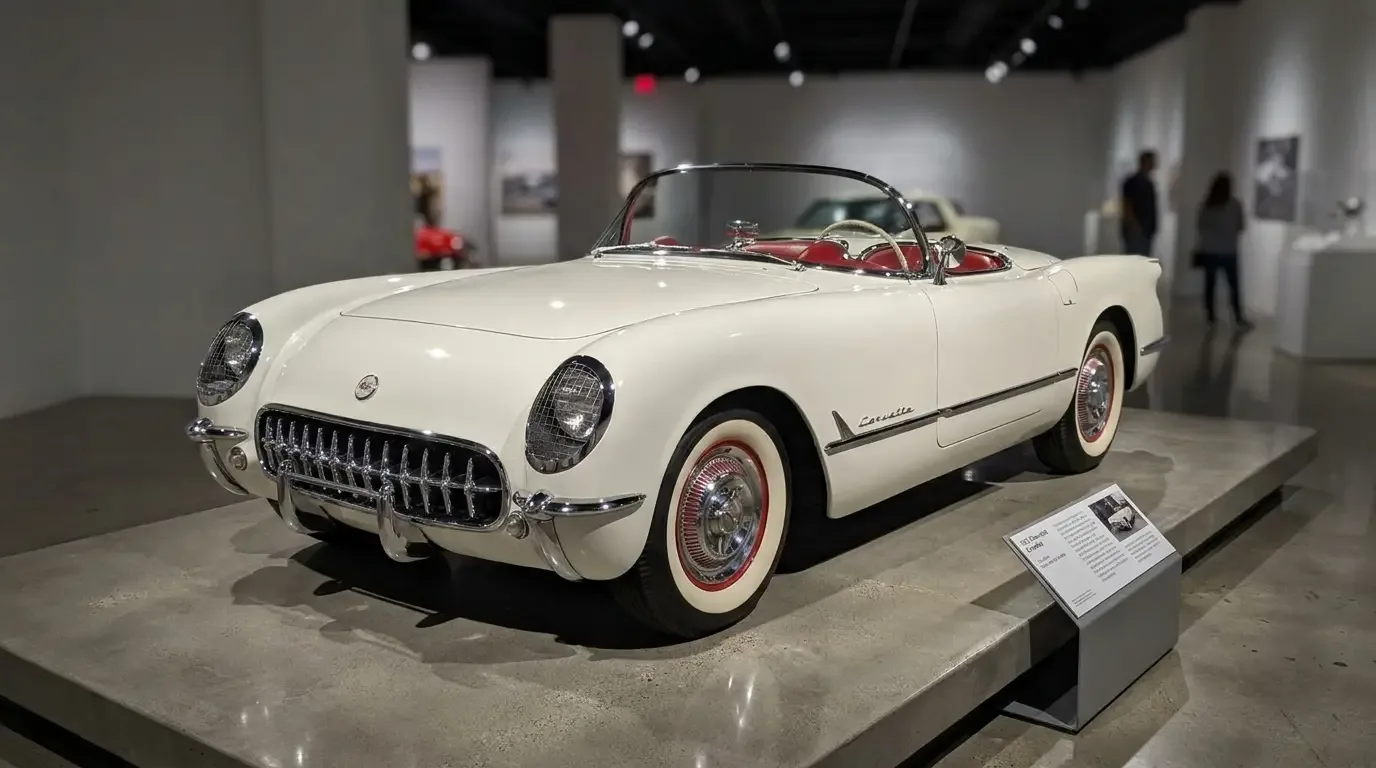
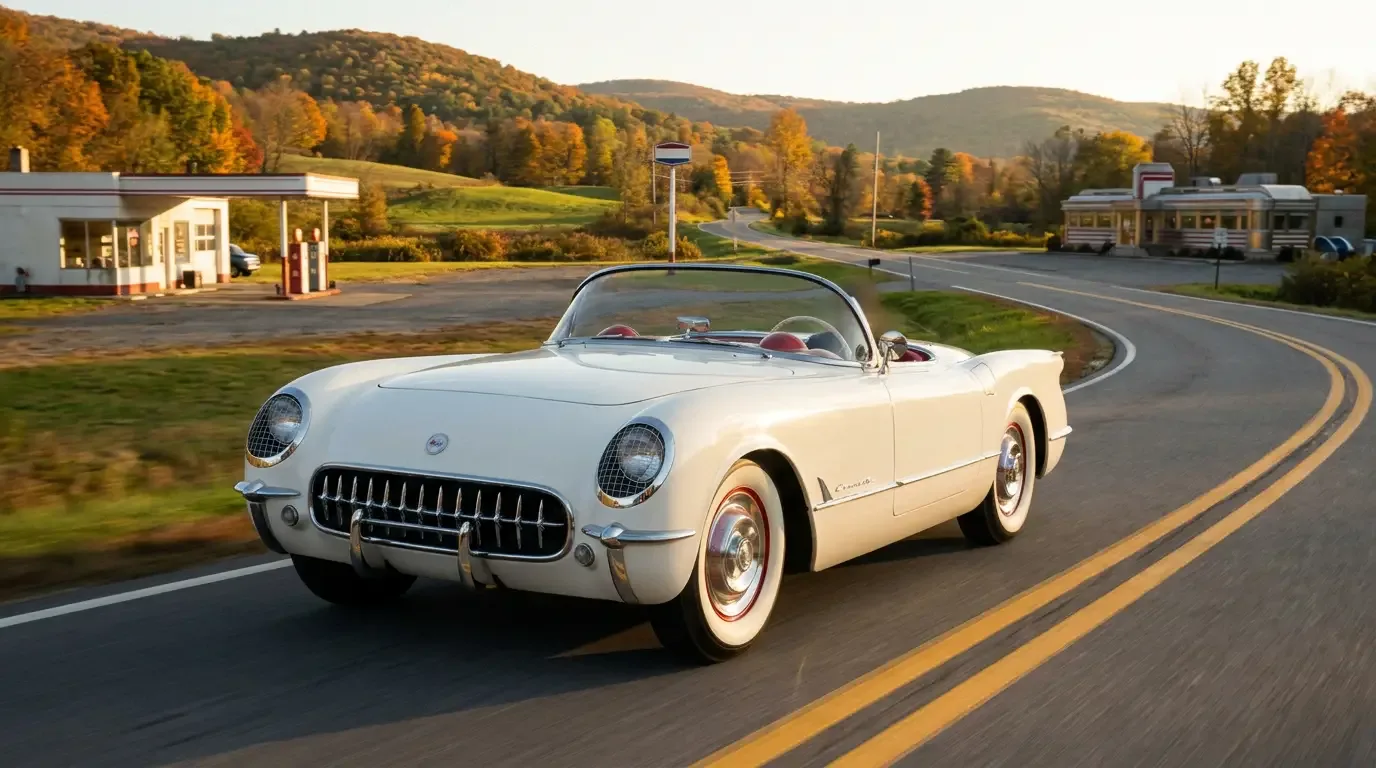
Flint produced 300 cars for 1953. All were Polo White with red interiors and automatic transmissions. The base price came in at $3,498, which positioned the car against established European sports cars rather than ordinary American production vehicles.
The Blue Flame six and the crisis years
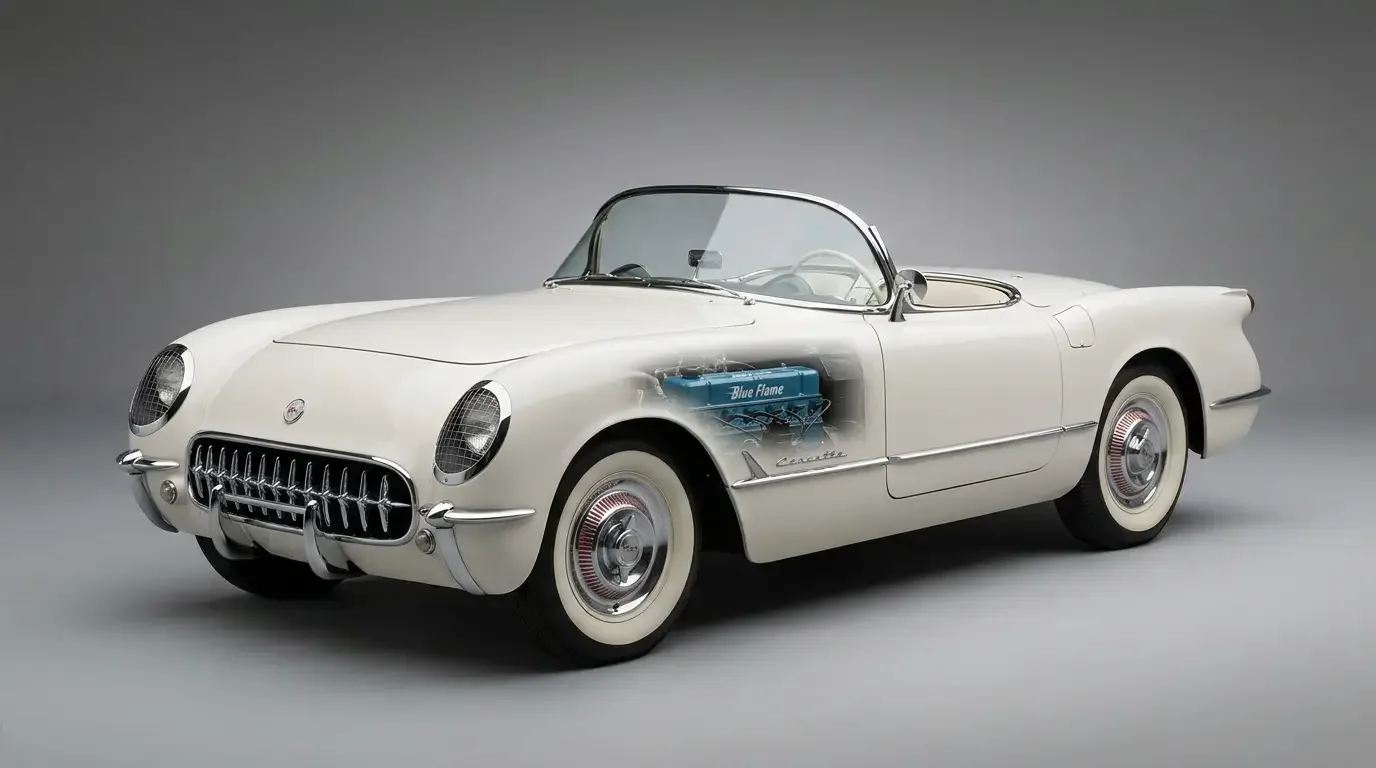
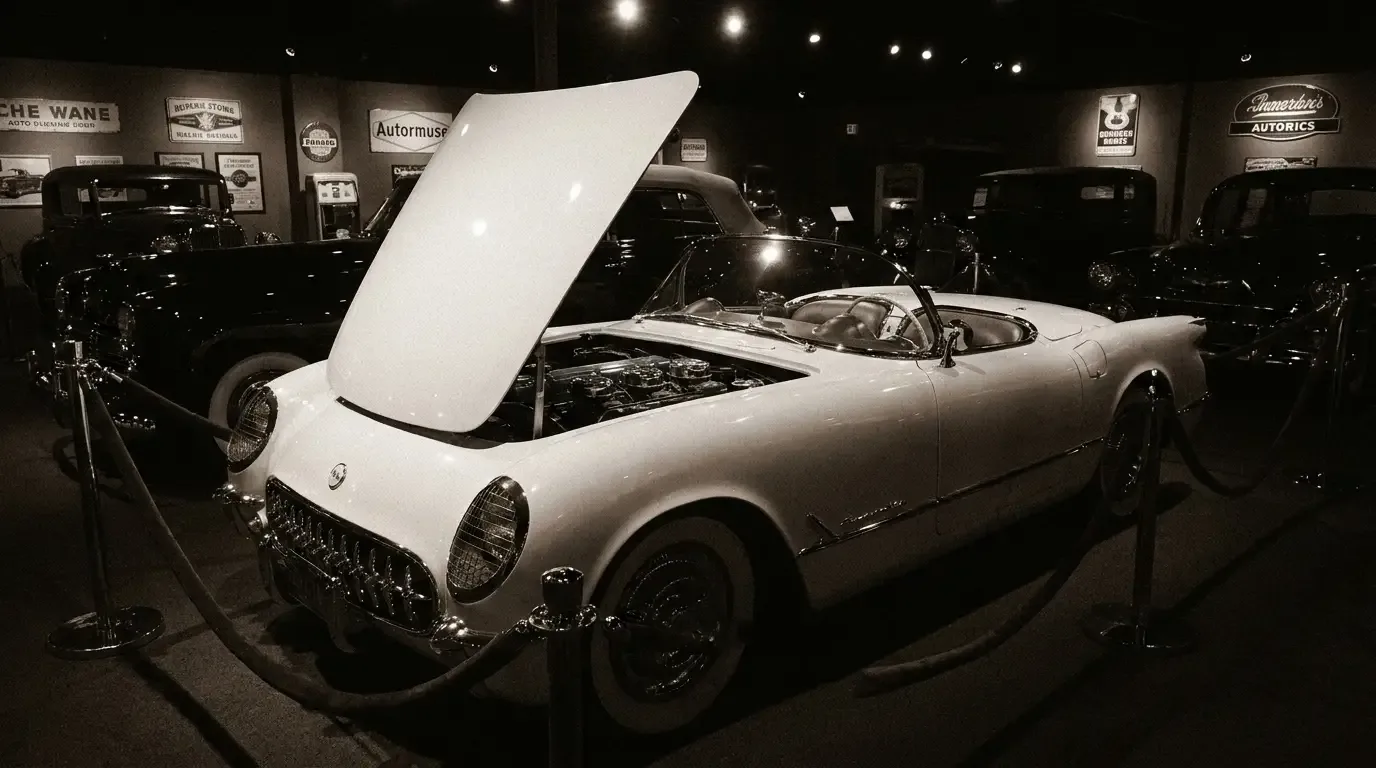
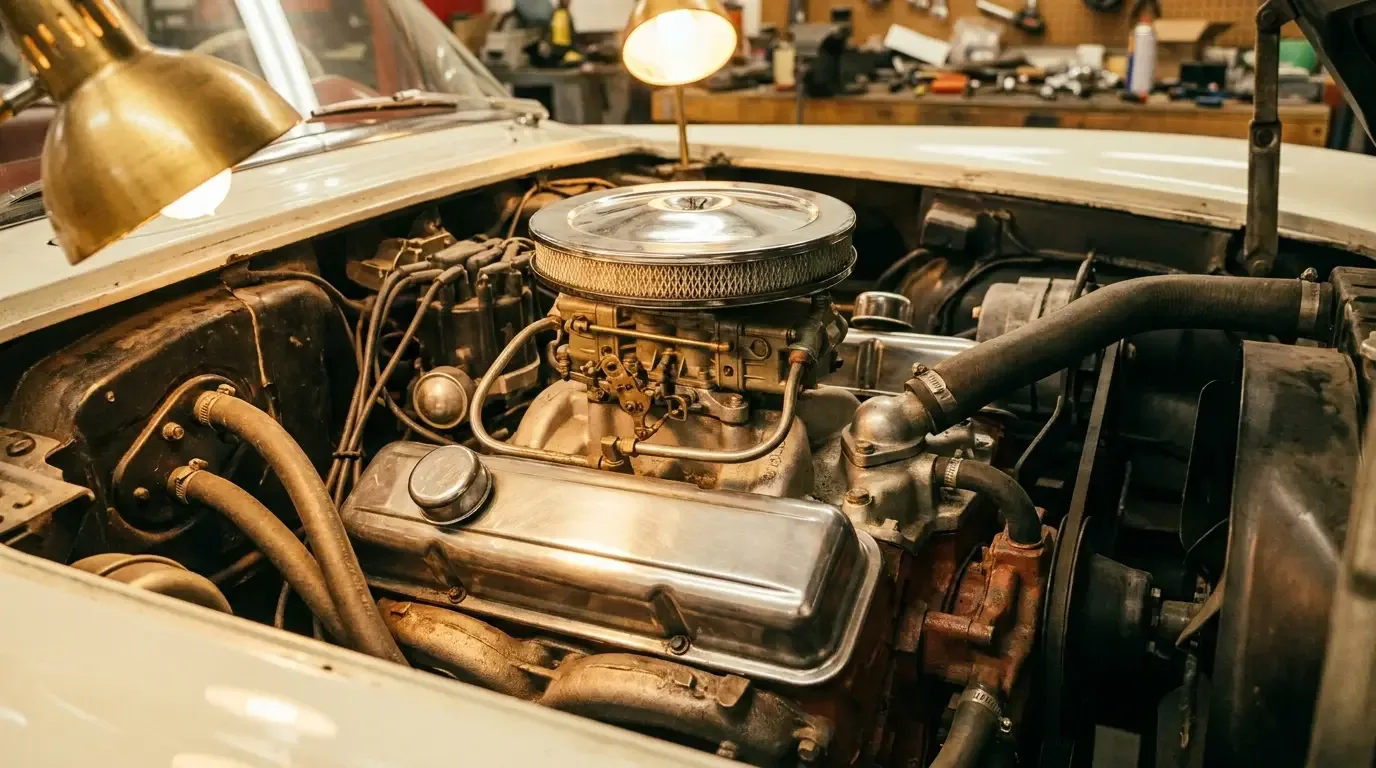
The 1953 Corvette shipped with a 235-cubic-inch inline six, called the "Blue Flame," fitted with three carburetors and rated at 150 horsepower. The engine came from Chevrolet's existing passenger car line and was not, by any fair measure, a sports car engine. It was a truck-derived unit that GM's engineers had tuned as far as the existing architecture would allow.
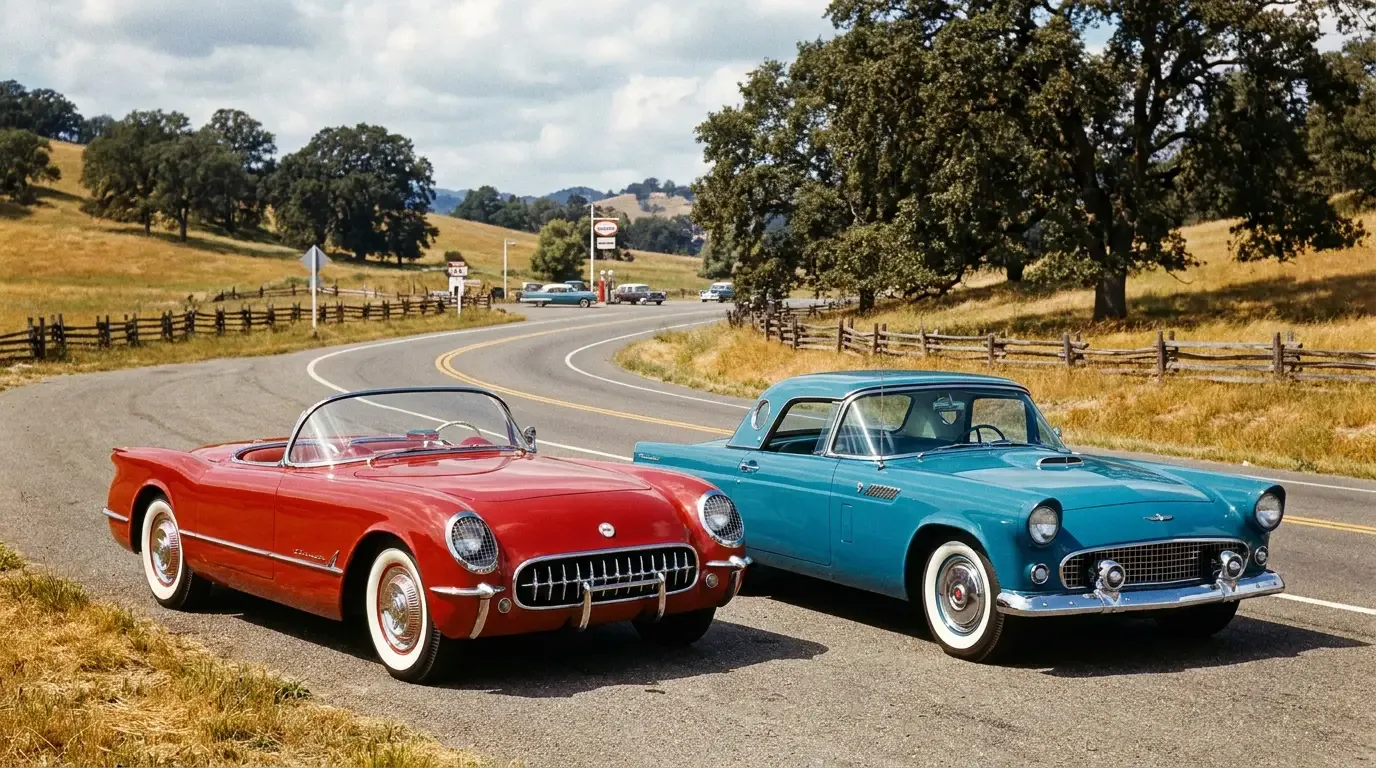
The results were predictable. Contemporary road tests found the car slow by the standards of what European sports cars were doing in the same price range. The automatic transmission compounded the problem. Sports car buyers expected a manual gearbox; the early Corvette didn't offer one. Ford moved quickly, launching the two-seat Thunderbird for 1955 with a V8 and a manual option, and the contrast was unflattering.
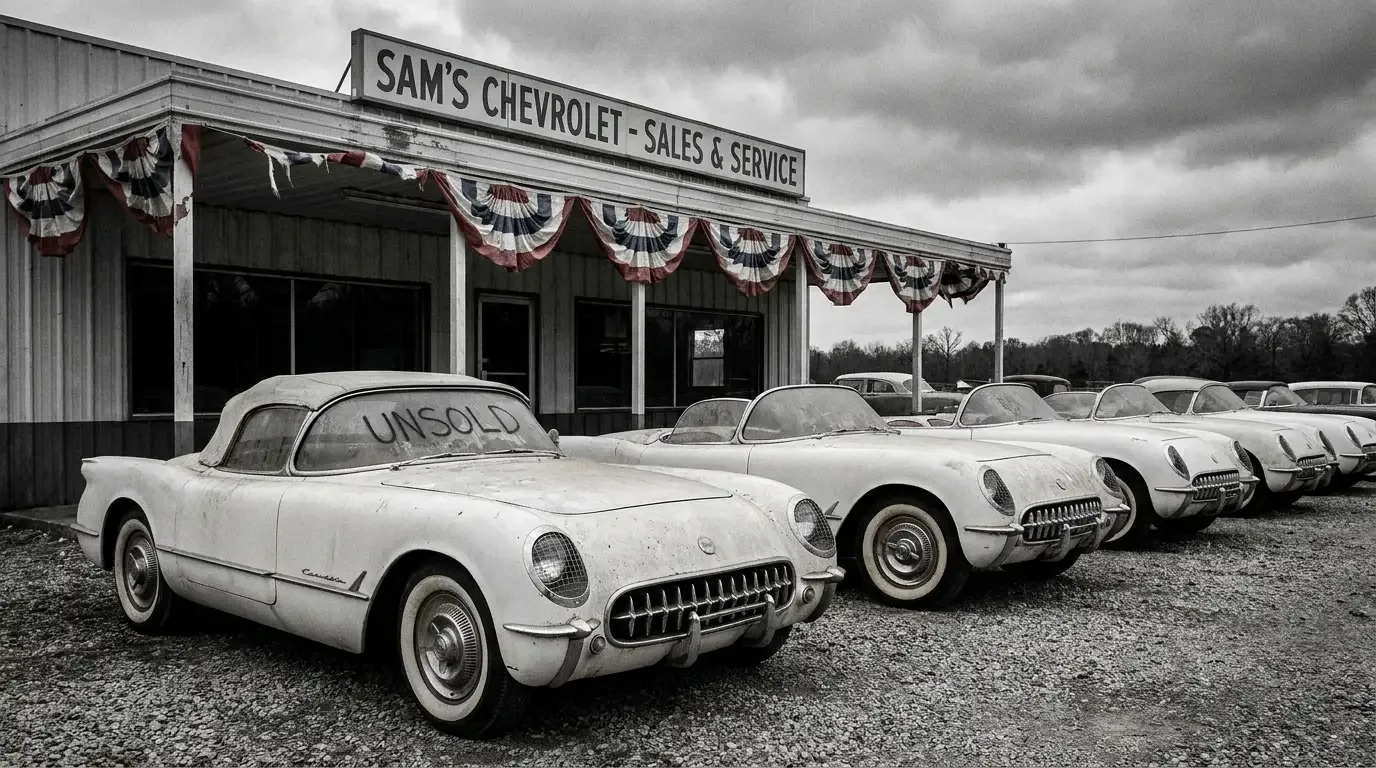
By 1954, unsold Corvettes were sitting in dealer lots. Production had expanded to a new facility in St. Louis, Missouri, and output reached 3,640 cars that year, well short of the roughly 10,000-unit pace Chevrolet had hoped for. A significant number went unsold. There was serious internal discussion at General Motors about canceling the program entirely.
The 1955 model year saw production drop sharply, with only 700 cars built. The Corvette's survival was genuinely in question. What changed it was not a marketing campaign or a price adjustment. It was an engine.
The 1955 V8 rescue
Chevrolet's small-block V8 was introduced across the passenger car line for 1955, displacing 265 cubic inches. In the Corvette, fitted with a four-barrel carburetor, it produced 195 horsepower, a $135 option that all but six of the 700 1955 Corvettes were built with. When engineers fitted this engine to the Corvette, the car became something different. Not just faster, but more responsive, with a character the six had never approached.
The 1955 Corvette with the V8 option also brought a three-speed manual transmission. These two changes together addressed the two most serious criticisms the car had faced. The handful of buyers who ordered 1955 Corvettes with the V8 received a fundamentally different car than the 1953 or 1954 models, and word spread through the enthusiast community accordingly.
"The Blue Flame six cars are historically significant but they don't represent what the Corvette was trying to become. The V8 is where the factory's original intent started to show through. Those early V8 cars, the 1955s especially, tell you more about where the Corvette was headed than the Motorama show car ever did."
— Tom Ramirez
The 1955 model year also introduced a yellow exterior color option, breaking from the Polo White exclusivity of the first year. These details matter for documentation purposes. The NCRS authentication process distinguishes between the six-cylinder and V8 cars carefully, and the production split between them within the 1955 run is documented in factory records held at the Corvette museum in Bowling Green.
The 1956 redesign and the car that stuck
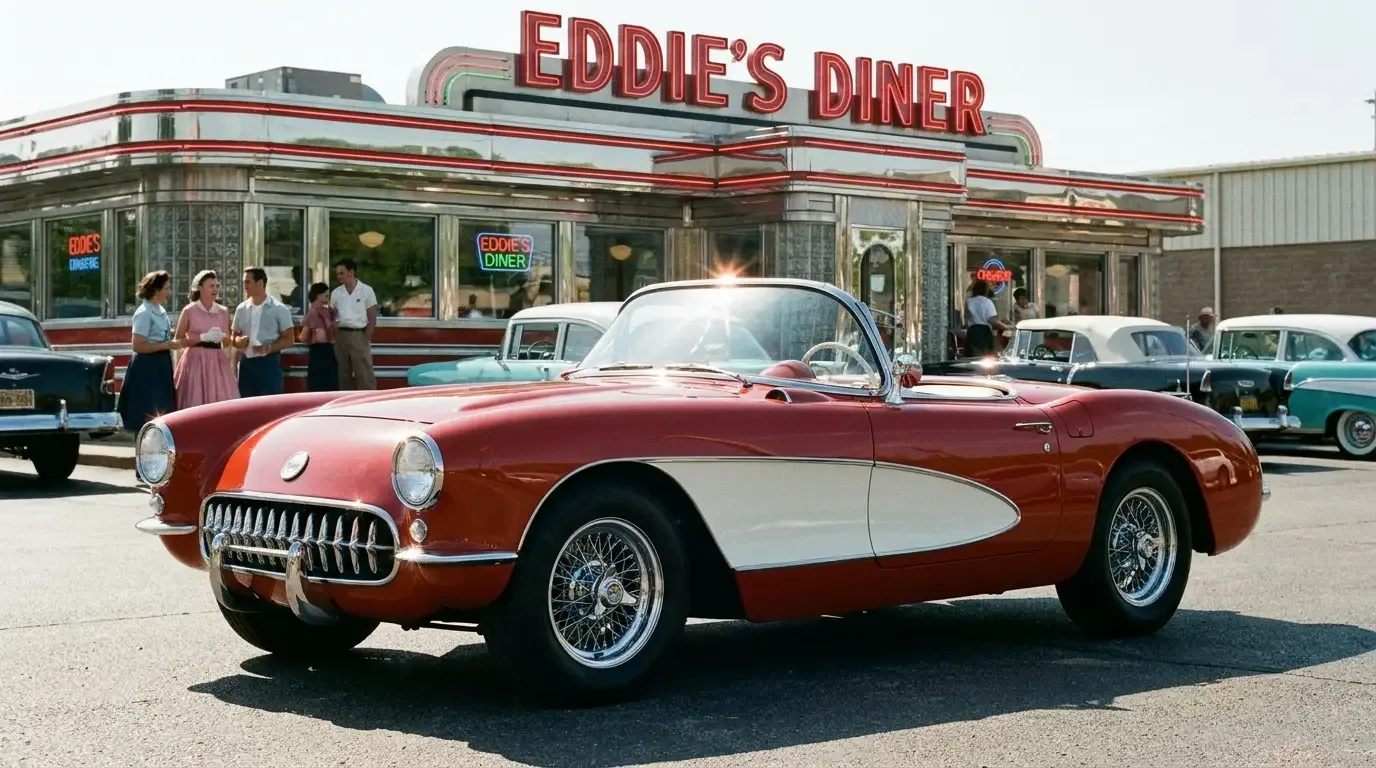
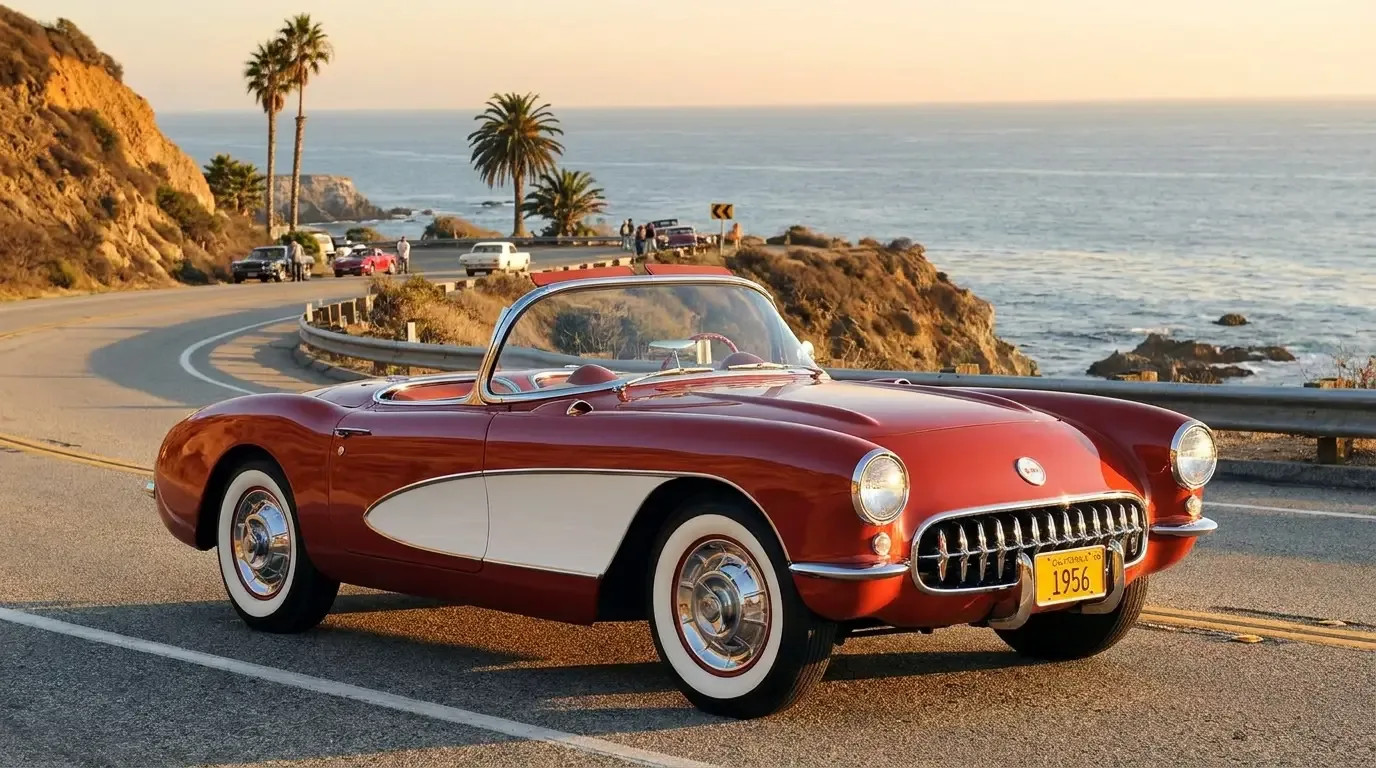
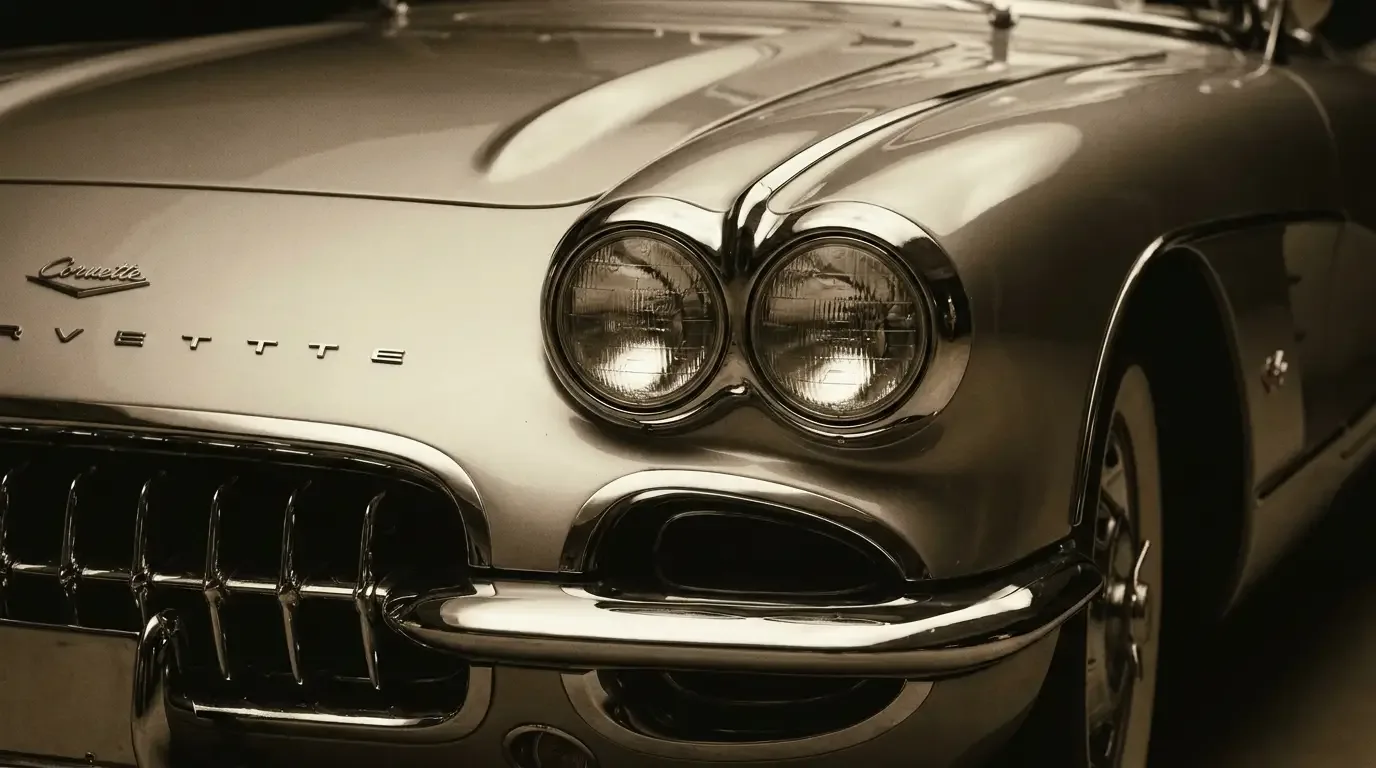
General Motors gave the Corvette a significant restyle for 1956. The styling moved away from the smooth, rounded form of the first cars toward a more aggressive shape with sculpted side coves, exposed headlights, and rolled-back rear fenders. The result looked like a sports car in a way the 1953 through 1955 models had only gestured at.
Mechanically, the 1956 car represented the Corvette fully committed to the V8. The 265 engine was available in multiple states of tune: 210 horsepower base, 225 horsepower with dual four-barrel carburetors, and a rare 240-horsepower "Duntov cam" option built for competition use. A removable hardtop became available, giving buyers a practical two-season car. Wind-up windows replaced the earlier side curtains. These changes addressed the refinement complaints that had followed the early cars.
Production climbed back to 3,467 cars for 1956, confirming that the market existed when the product delivered on its promise. The Corvette was no longer in danger of cancellation. It had found its audience, and that audience wanted more performance.
| Model year | Engine | Horsepower | Production (approx.) |
|---|---|---|---|
| 1953 | 235 cu in inline-6 (Blue Flame) | 150 hp | 300 |
| 1954 | 235 cu in inline-6 | 150 hp | 3,640 |
| 1955 | 265 cu in V8 (optional) / 235 inline-6 | 195 hp (V8) | 700 |
| 1956 | 265 cu in V8 | 210-240 hp | 3,467 |
| 1957 | 283 cu in V8 | 220-283 hp (fuel injection) | 6,339 |
| 1958-1960 | 283 cu in V8 | 230-290 hp | ~9,200-10,300/yr |
| 1961-1962 | 283-327 cu in V8 | 230-360 hp | ~10,900-14,500/yr |
1957: the fuel injection year
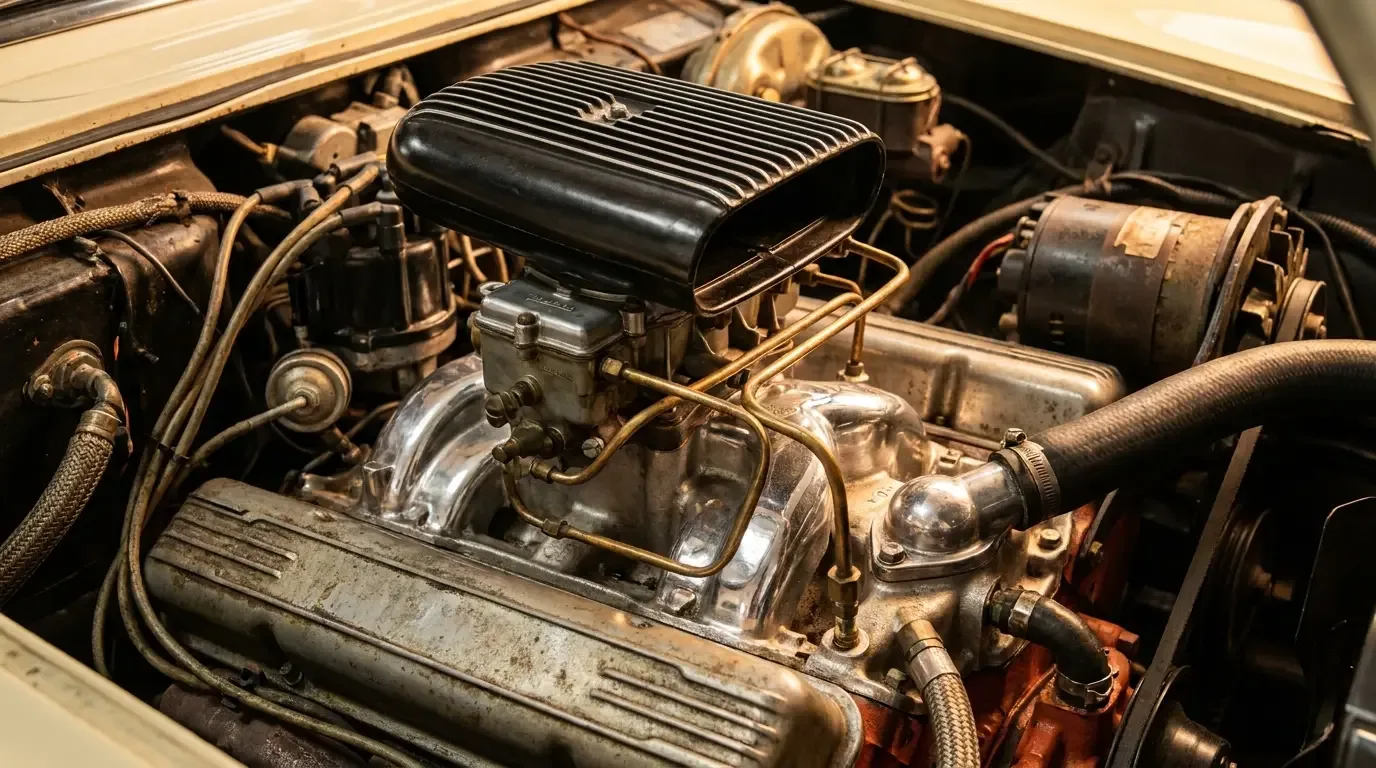
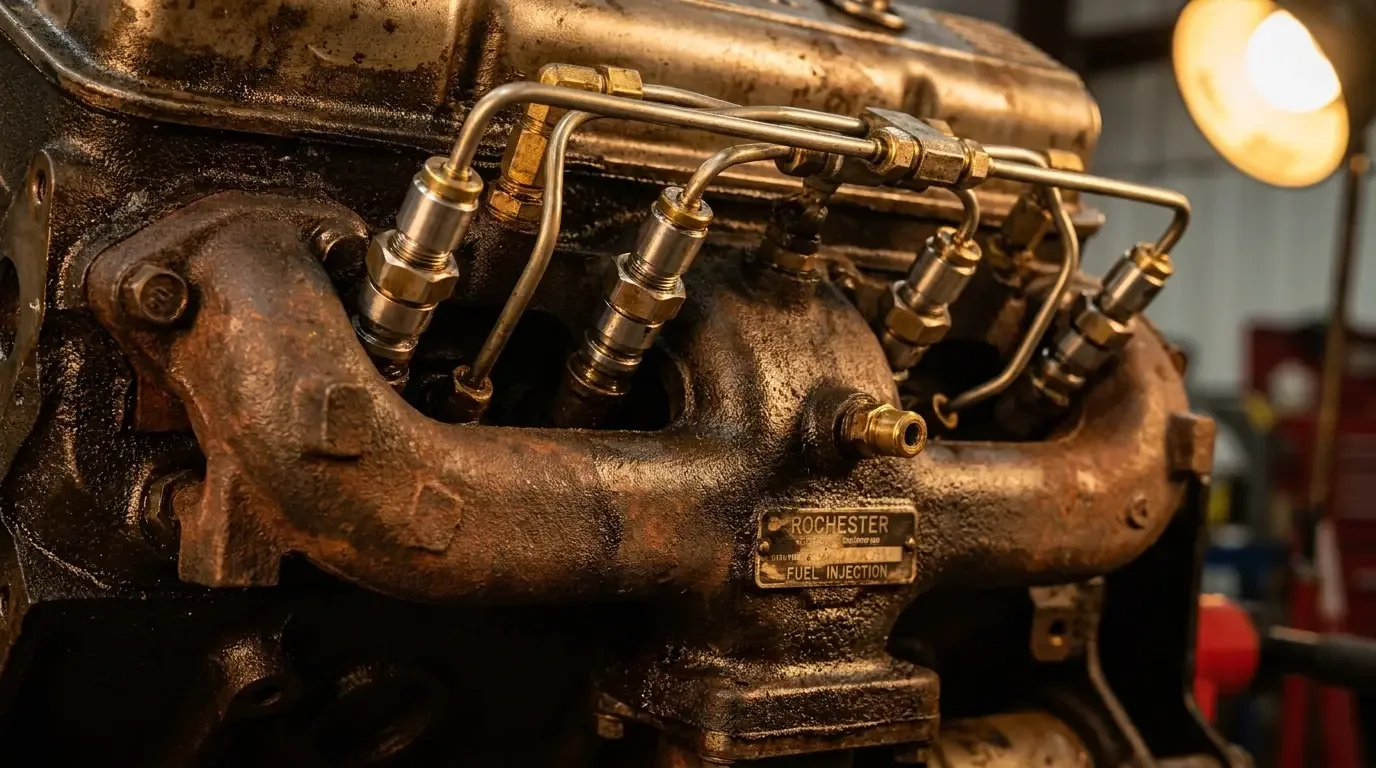
The 1957 Corvette is the car that collectors argue about most within the C1 generation. The engine grew to 283 cubic inches, and the top option was Rochester mechanical fuel injection producing a claimed 283 horsepower, one horsepower per cubic inch, the first American production V8 to reach that benchmark and a figure that carried genuine engineering prestige at the time. The "fuelie" designation became shorthand for this configuration across the entire collector car world.
The reality of the fuel injection system is more complicated than the reputation suggests. The Rochester unit was sensitive to maintenance and difficult to tune correctly. Dealers often struggled with it, and many original fuel-injected cars had their systems replaced with carburetors within a few years of leaving the factory. Locating an authentic, functioning fuel injection setup on a 1957 today requires careful documentation work. The carburetor cars from 1957 are mechanically simpler and often more practical, but the fuelie commands a substantial premium in the collector market.
The 1957 model year also introduced a four-speed manual transmission option, which paired with the high-output engines to give the car genuine sporting credentials. Production reached 6,339 cars, nearly double the 1956 total. The Corvette was gaining momentum.
The 1958-1962 evolution
The 1958 model year brought the most visible styling change within the C1 generation: four headlights instead of two, chrome trim on the hood, and a revised dashboard with grab bar and multiple gauges. The car grew slightly in overall dimensions. Some purists have always preferred the cleaner look of the 1956 and 1957 models; others find the 1958 design more assertive. The market treats them differently, with early fuel injection cars commanding the highest prices regardless of styling preferences.
Production numbers climbed steadily through the late C1 years, from 9,168 cars in 1958 to 9,670 in 1959 and 10,261 in 1960, the first year Corvette output topped 10,000 units, which would have been unimaginable in the dark days of 1955. The engine lineup continued to expand, with power outputs across the 283-cubic-inch family ranging from 230 to 290 horsepower depending on carburetion or fuel injection.
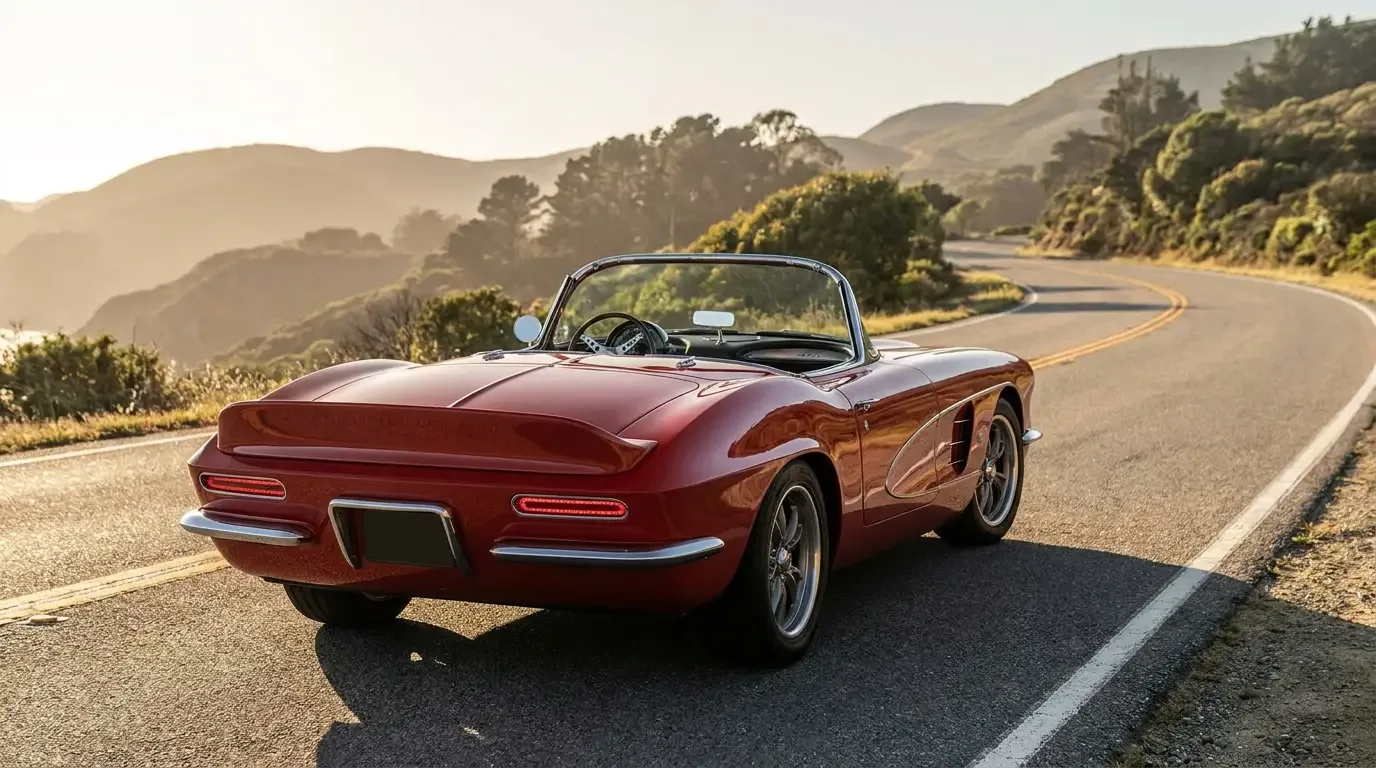
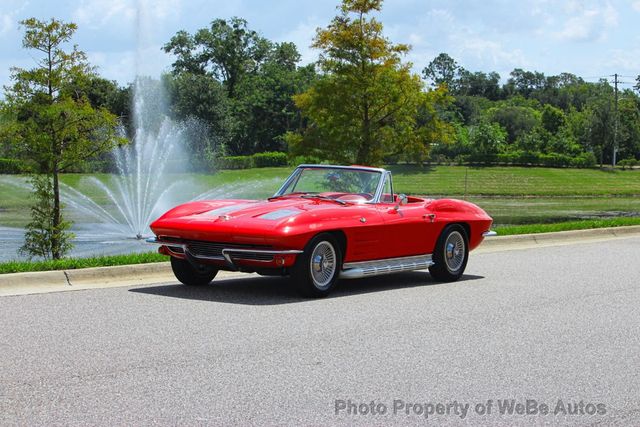
The 1961 model introduced a revised rear treatment that pointed toward what was coming next. The twin-pod tail design replaced the earlier chrome fins and cat-eye taillights, and the overall shape began to look less like a refined 1950s design and more like the kind of car GM's stylists were imagining for the 1960s. It was a transition signal.
For 1962, the engine grew to 327 cubic inches, with power ratings from a 250-horsepower base through 300- and 340-horsepower carbureted options up to 360 horsepower with Rochester fuel injection. Production reached 14,531 cars, all convertibles, the highest single-year total in the C1 run. The car had completed its journey from near-cancellation curiosity to established performance icon.
The C1 in the collector market today
The C1 collector market divides cleanly along a few fault lines. The 1953 cars, as the first year and lowest production, carry historical significance but require specialist knowledge and budget for the inline-six drivetrain. The 1954 and six-cylinder 1955 cars are historically important but less desirable to drivers. The transition 1955 V8 cars occupy a special position as the first expression of what the Corvette became.
From 1956 onward, the market responds primarily to engine choice, transmission option, and documentation. A 1957 fuelie with solid provenance and correct mechanical specification is among the most sought-after American cars of the period. Prices for authenticated examples with numbers-matching fuel injection have reached well into six figures at major auction houses, though the range varies considerably based on documentation quality and condition. More accessible are the carbureted V8 cars from 1958 through 1960, where a solid driver-quality example can still be found for considerably less.
The 1961 and 1962 cars benefit from more power and higher production, making parts more available, but they carry slightly less historical cachet than the earlier fuel injection years. The 1962 327 cars are genuinely quick by any standard and represent a practical entry point for buyers who want a C1 they can drive regularly without treating it like a museum piece.
If you are looking at specific cars for sale, browsing C1 Corvettes for sale gives you a starting point for what the current market looks like across conditions and configurations. The spread between a driver and a show car within the C1 generation can be substantial, and understanding where any given example sits on that continuum requires looking at documentation, not just the car.
What the C1 established was more than a production record or a performance milestone. It proved that a sustained American commitment to the sports car format was commercially viable, and it created the foundation on which everything that followed was built. The story of how that happened, from a Motorama dream to a 14,531-unit production year in less than a decade, is one of the more instructive chapters in American automotive history. From there, the C2 Sting Ray era took everything the C1 had established and pushed it significantly further.
Sources and notes
- GM Heritage Center — 1953 Chevrolet Corvette specs, Motorama debut, and Flint production details
- National Corvette Museum — 1956 Corvette specifications, horsepower options, and Duntov cam
- Wikipedia — Chevrolet Corvette (C1) production totals and model-year timeline, 1953-1962
- Curbside Classic — 1957 fuel-injected 283 V8, "one horsepower per cubic inch" milestone
- CorvSport — Corvette production numbers by model year, 1953-1962
- Vette Vues — 1962 Corvette specifications, RPO codes, and 327 engine power ratings