
People ask me when pickups got V8s like there is one date to point at. There isn't. The V8 crept into trucks brand by brand, and it took longer than most folks think. For years the pickup you bought came with an inline six, sometimes an inline four before that, and that was the end of the conversation. The V8 that made trucks what they are today, the overhead-valve short-stroke design, showed up in cars first and got handed down to the truck line after the engineers were sure it would hold together under a load.
So the honest answer has two parts. Flathead V8s were in some trucks early. The modern overhead-valve V8, the one that actually changed what a half-ton could do, arrived across the industry in the early-to-mid 1950s. If you want the background on what came before and after these engines, start with our guide to classic truck engines.
The flathead came first, and it was not the same thing
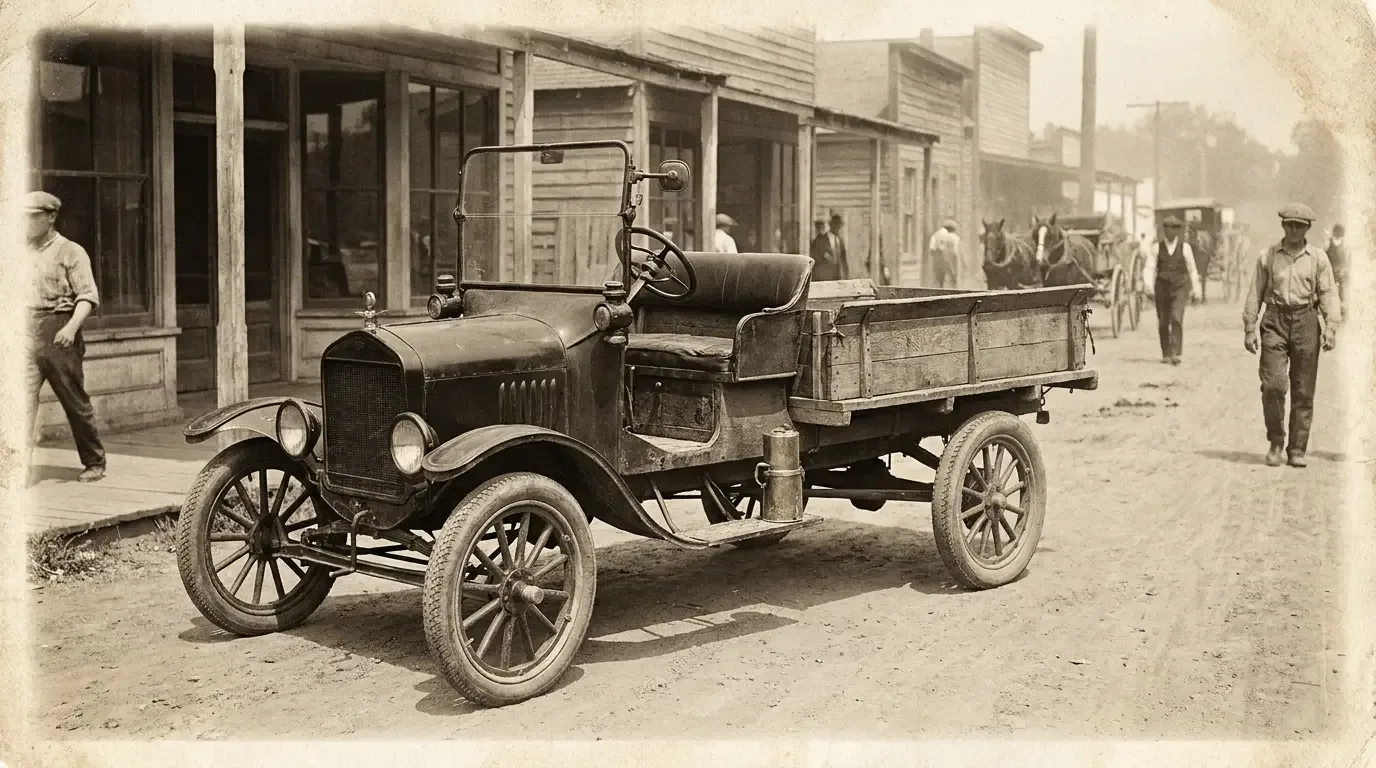
Before the overhead-valve V8 there was the flathead. Ford put a flathead V8 in its cars in 1932 and that same basic engine found its way into Ford trucks in the years after. So technically, yes, there were V8 pickups in the 1930s. But do not confuse a flathead with the OHV V8 that came later. They are different animals.
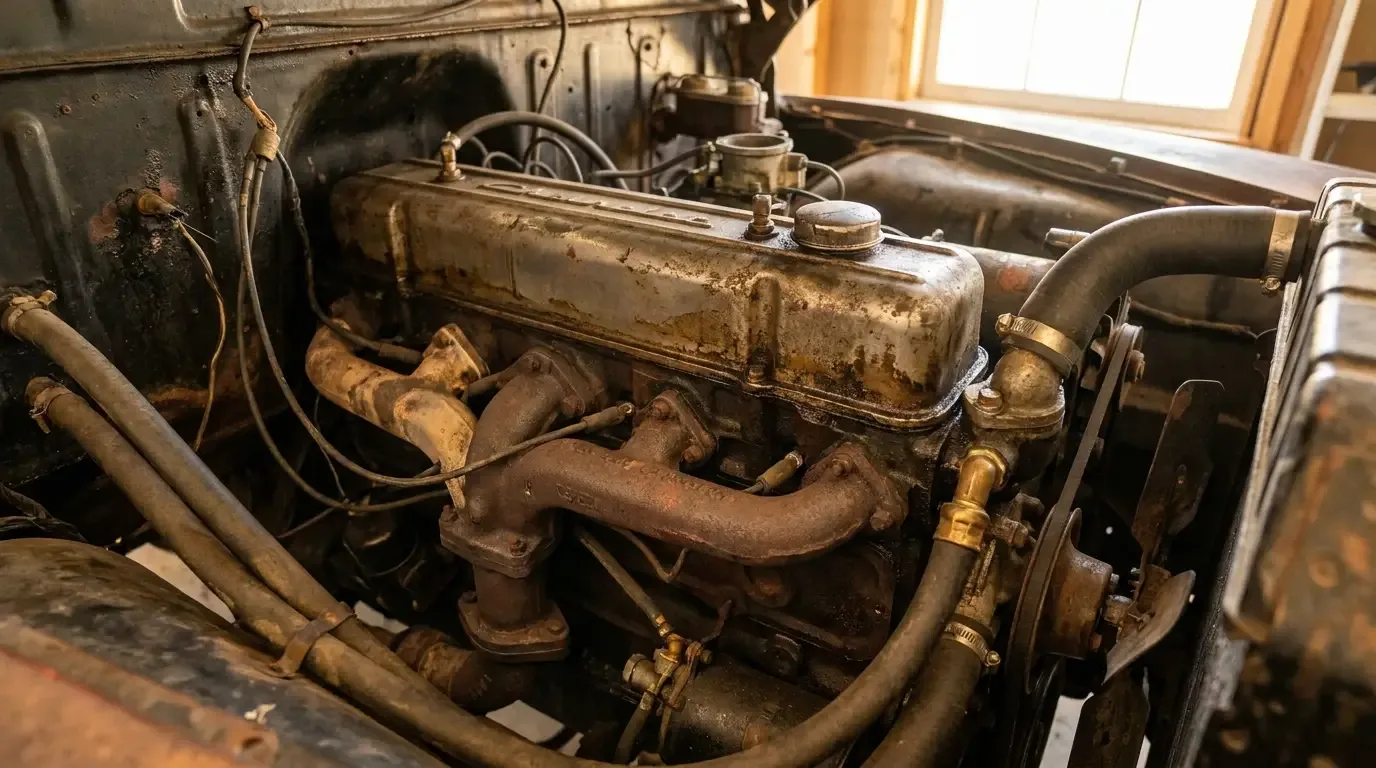
A flathead puts the valves down in the block, beside the cylinders. It is simpler and cheaper to build. It also breathes poorly at higher rpm and runs hot because the exhaust has to snake through the block. For a truck hauling a load in low gear, the heat was the real enemy. Guys who ran flathead trucks hard learned to watch the temperature gauge like a hawk.
The inline six was the workhorse through most of this era. Plenty of buyers never ordered a V8 at all because the six was cheaper, easier to fix on the side of the road, and made good low-end torque. A flathead V8 was more of an option than a standard. The six is why so many surviving trucks from the 1940s and early 1950s never had eight cylinders under the hood.
What changed with overhead valves
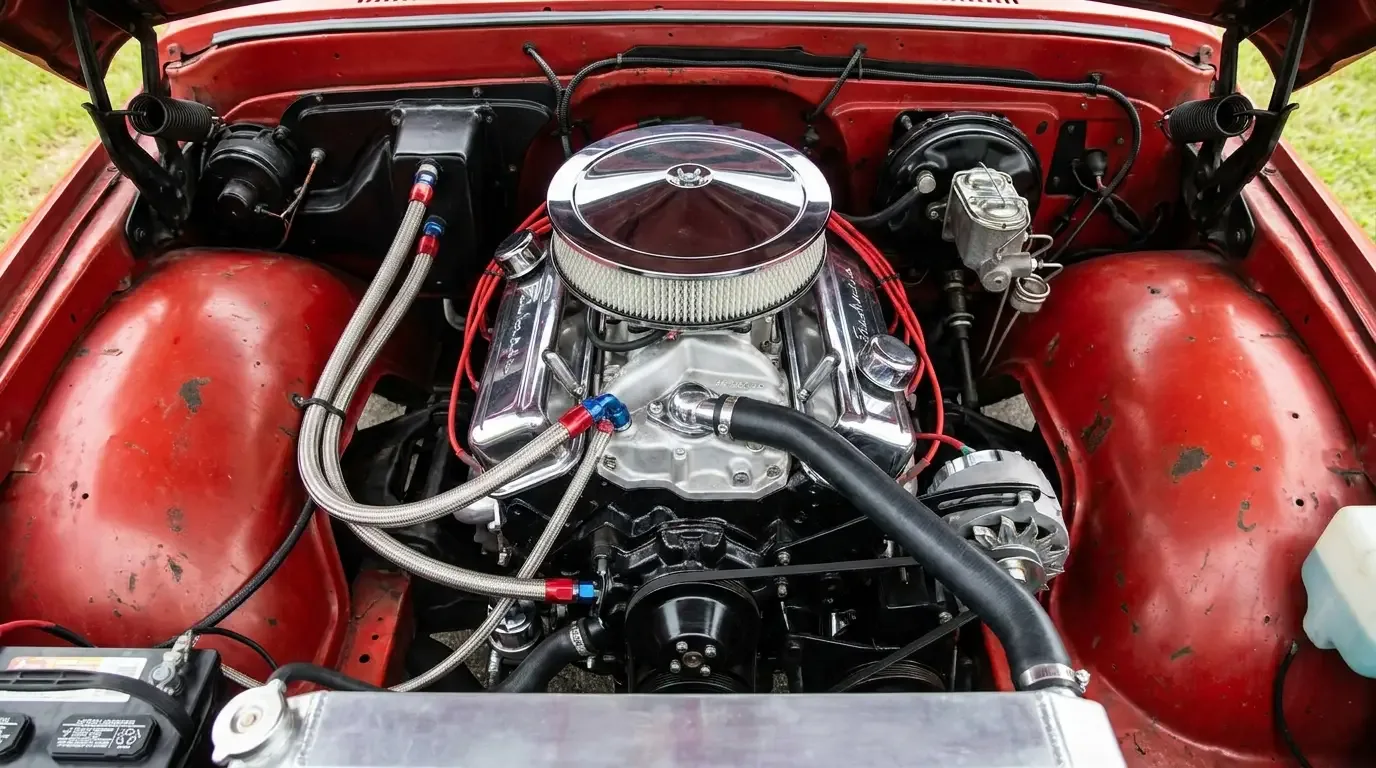
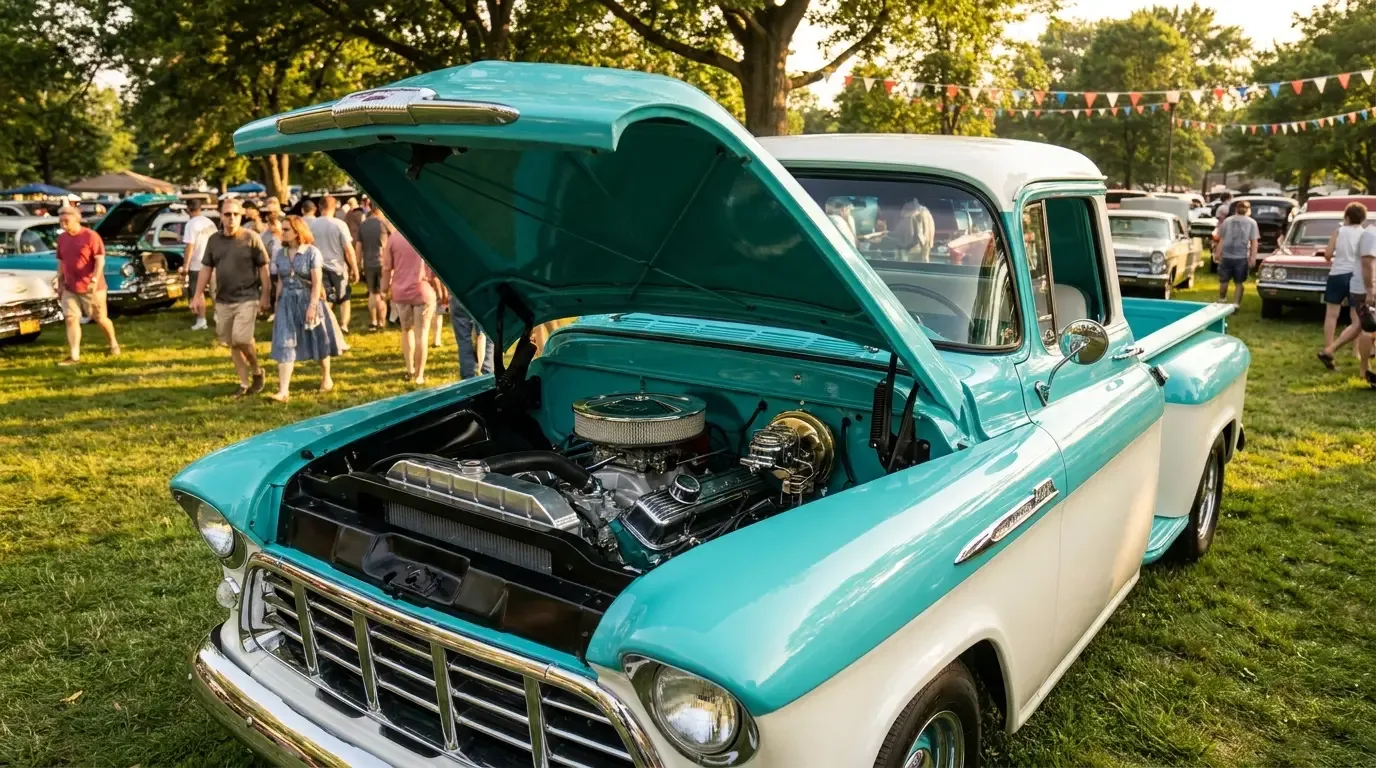
Move the valves up into the cylinder head and everything gets better. The overhead-valve V8 breathes. Air and fuel come in cleaner, exhaust gets out faster, and the combustion chamber can be shaped for a higher compression ratio. More compression means more power from the same displacement. That is the whole story in one sentence.
For a truck this mattered in a specific way. It was not about top speed. It was about pulling. An OHV V8 made more torque down low and held its power without cooking itself, so a half-ton could carry a real load or drag a trailer up a grade without the driver babying it. The flathead could do the work but you paid for it in heat and wear. The OHV engine did the work and asked for less.
- Valves in the head, not the block, so the engine breathes at rpm the flathead choked on.
- Higher compression ratios became practical, which meant more power per cubic inch.
- Cooling improved because exhaust no longer ran through the block casting.
- The short-stroke design revved more freely and lasted longer under sustained load.
The other thing that changed was the market. Once one brand offered a modern V8 truck, the others could not sit still. A buyer who felt the difference on a test drive was not going back. That competition is what pushed the V8 from a car engine into the truck line across the whole industry in a few short years.
How it rolled out across the brands
Here is where I have to be careful, and where you should be too. The exact first year each brand put an OHV V8 in a pickup is the kind of fact people get wrong all the time, mixing up the car introduction with the truck introduction. So treat every year below as needing confirmation against a factory source before you quote it.
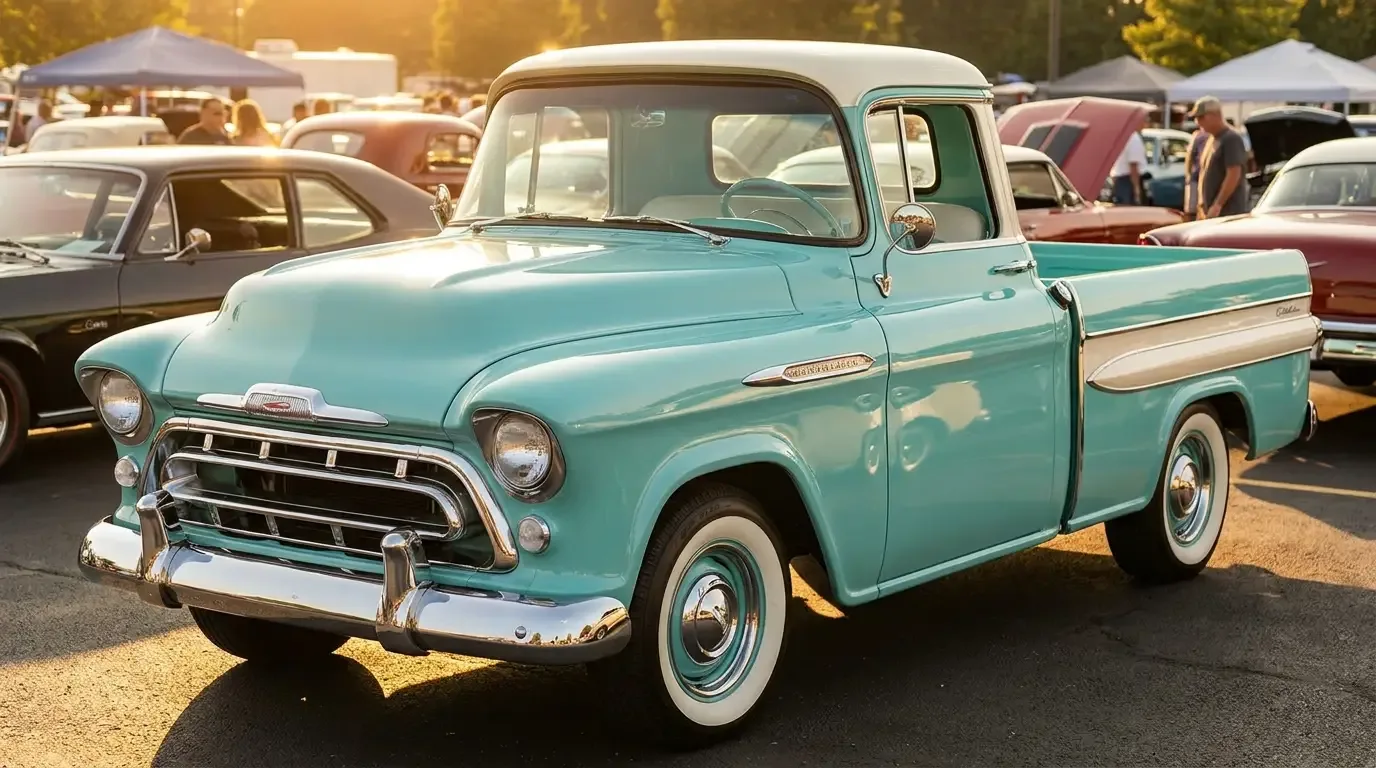
The general shape is this. The modern OHV V8 landed in American passenger cars starting in the late 1940s and early 1950s. The truck lines followed, generally in the early-to-mid 1950s. By the second half of the 1950s a V8 was an option you could check on the order sheet for a half-ton from the major American brands. It was not standard everywhere, and the six stuck around as the base engine for a long time after.
| Engine type | Valve layout | Rough era in trucks | Why it mattered |
|---|---|---|---|
| Inline six | Overhead valve or flathead | Base engine for decades | Cheap, simple, strong low-end torque |
| Flathead V8 | Valves in block | 1930s into early 1950s | More cylinders, but ran hot and breathed poorly |
| OHV V8 | Valves in head | Early-to-mid 1950s onward | Higher compression, more torque, better cooling |
If you are looking at a truck from this transition period and the seller swears it has the original V8, do not take his word on the year. The engine may have been swapped, and it may be from a car. Casting numbers on the block tell the truth. A dated casting-number guide for that brand will settle whether the engine matches the truck.
"Everybody wants the V8 story to be one clean date. It never is. Pull the block and read the casting numbers before you believe the year on the title."
— Mike Sullivan
What the V8 actually let a pickup do
The practical difference showed up the first time you loaded the bed. A six would move an empty truck fine. Put half a ton of gravel in back and hook a trailer behind that, and the six worked hard and slow. The OHV V8 turned that same job into a non-event. You felt it most on hills and at highway speed, where the six ran out of breath and the V8 kept pulling.
This is the point where trucks started to change from pure tools into something people wanted for the feel of them. A V8 pickup that could keep up with traffic and still haul a load opened up what a truck was for. That shift took years and it is bigger than any one model, but the OHV V8 is the piece of hardware that made it possible.
My advice has not changed in thirty years. Buy the truck, not the badge on the valve covers. If the V8 is real, original, and the engine runs cool and pulls clean, that is worth money. If it is a story the seller is telling you, it is worth nothing until you can prove it under the hood.
Sources and notes
- Factory service manuals and engine specification sheets for the relevant brands and model years.
- Period road tests and truck buyer literature from the 1950s.
- Marque and engine histories covering the flathead-to-overhead-valve transition.
- Casting-number and engine-identification guides for verifying period-correct engines.
- All dates, displacement figures, and compression details confirmed against factory sources and marque engine histories.