
Every classic truck buyer eventually stands in front of two engines and has to pick a lane. Inline-six or V8. The badge on the fender tells you less than the block itself does, and the block is where the money goes. I have pulled both kinds apart on the bench, and the honest truth is that neither one is "better." They are built for different work. Get that wrong and you pay for it twice, once at purchase and again at the rebuild.
This is a segment-wide look, not a single-model breakdown. For the bigger picture on what powered these rigs across the decades, start with the classic truck engines overview and come back here to sort out which family fits your use.
Torque down low versus top-end power
Here is the split that matters most, and buyers skip right over it. An inline-six makes its living down low. Long stroke, one straight bank, an intake runner path that likes to breathe at low rpm. You get grunt off idle, the kind that pulls a loaded trailer up a grade at 2,000 rpm without a downshift. It is not fast. It does not need to be. A work truck lives between 1,500 and 3,000 rpm and the six is happy there all day.
The V8 flips it. Two banks, shorter stroke on most of them, and a valvetrain that wants to rev. Power builds as the tach climbs. That is why the V8 feels alive on the highway and why it will smoke a six from a light. But that top-end power costs you something at the bottom. A small-block spinning 1,800 rpm under load is working harder than a six doing the same job, and it drinks accordingly.
Neither number on a dyno sheet tells the whole story. Peak horsepower is a top-end figure. Peak torque, and the rpm where it lands, tells you how the truck actually drives. When you read a spec, look at where torque peaks. Low peak, six-cylinder character. High peak, you bought a truck that likes to run.
Reliability and what actually wears out
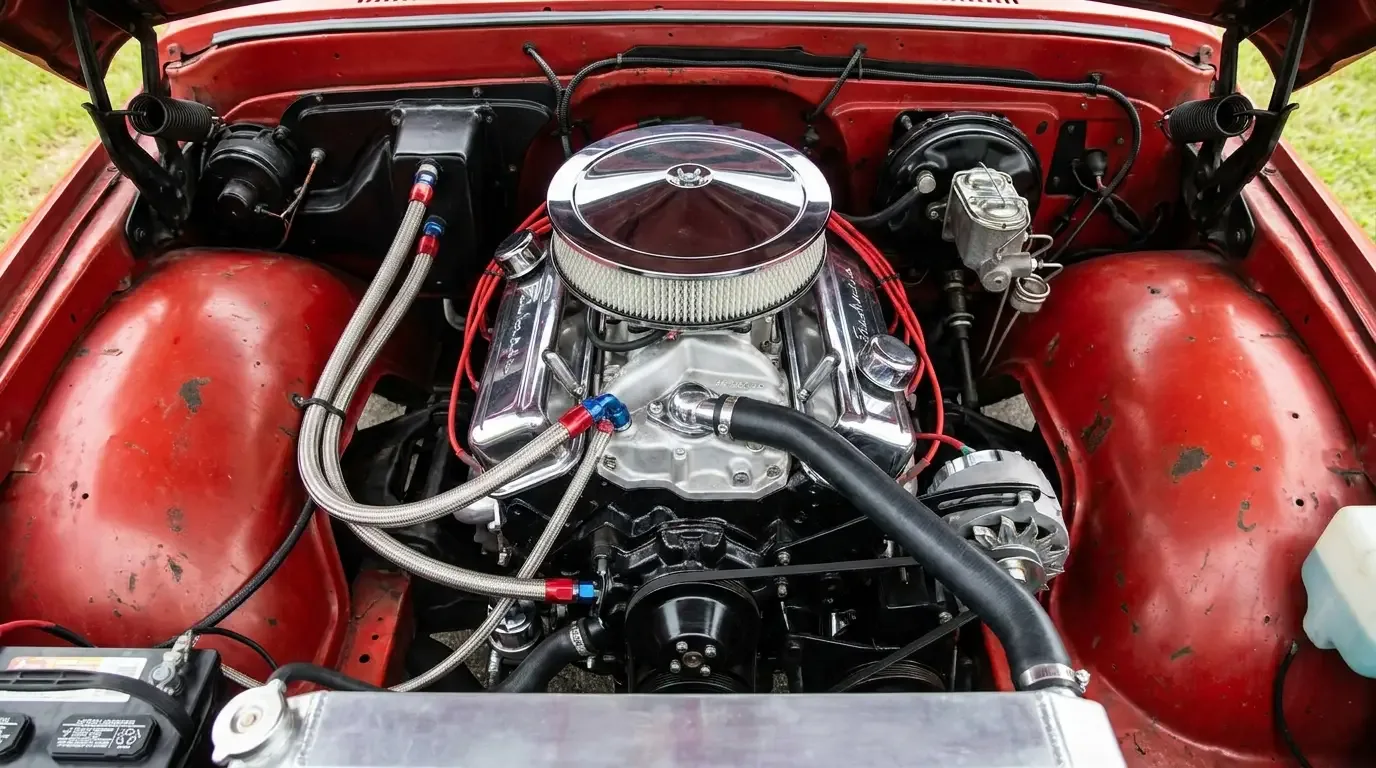
A worn small-block isn't a problem, it's a Tuesday. That is not a knock. It means the V8 is so common that every part is on a shelf and every failure is known. The flip side is that a V8 has more of everything to go wrong. Two cylinder heads, twice the exhaust valves, a longer timing chain path on some, more gaskets, more places to leak. None of it is hard. There is just more of it.
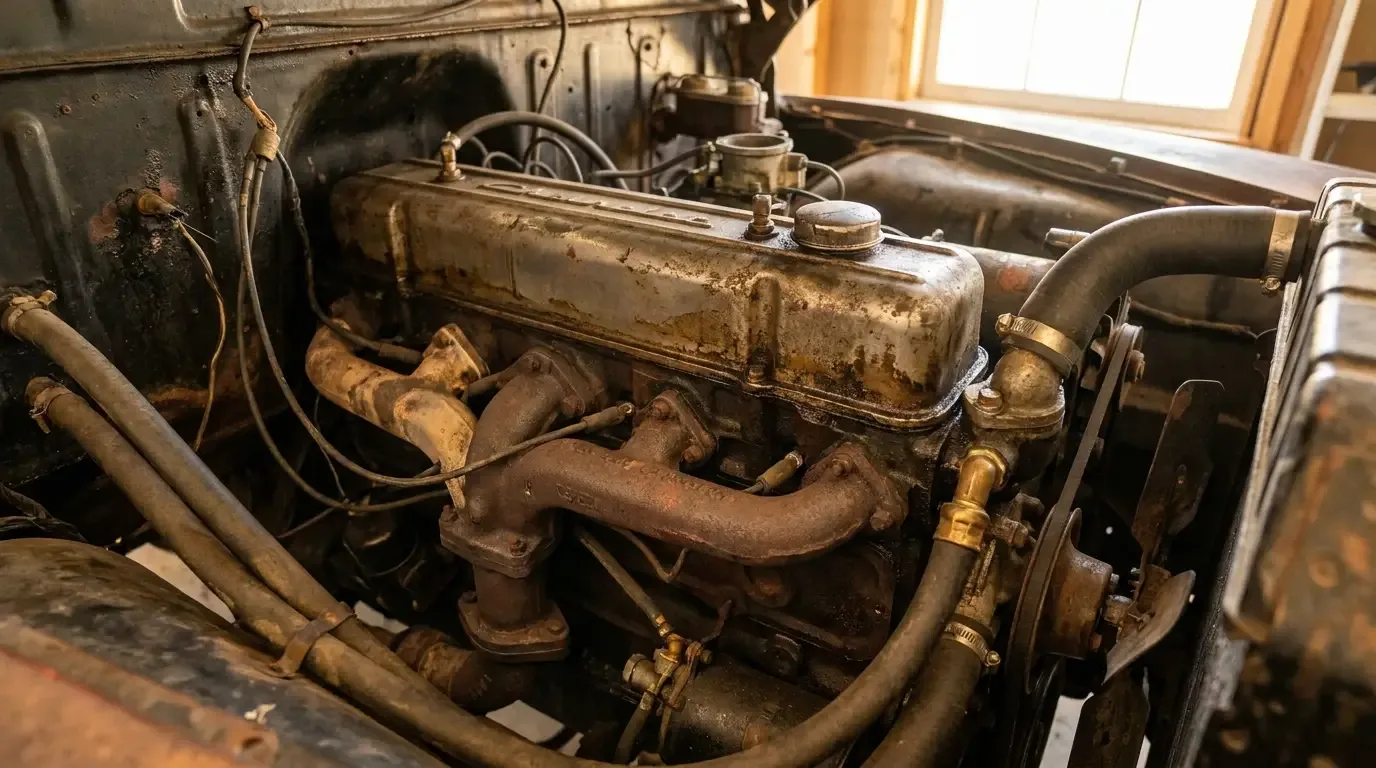
The inline-six wins on simplicity every time. One head. One valve cover. One exhaust manifold, usually cast into a shape that lasts. Fewer gaskets means fewer leaks. The straight-six is famous for running past 200,000 miles on original internals because there is less to fail and the loads are gentle. What kills a six is neglect, not design. Coolant left too long eats the head. A lugged, overheated six warps just like anything else.
- Inline-six weak spots: valve seats on older non-hardened heads if run on modern fuel, side-draft or single-carb flat spots, and freeze-plug corrosion down the long block.
- V8 weak spots: intake manifold gaskets, timing chain stretch, exhaust valve seats, and the sheer number of oil seals waiting to weep.
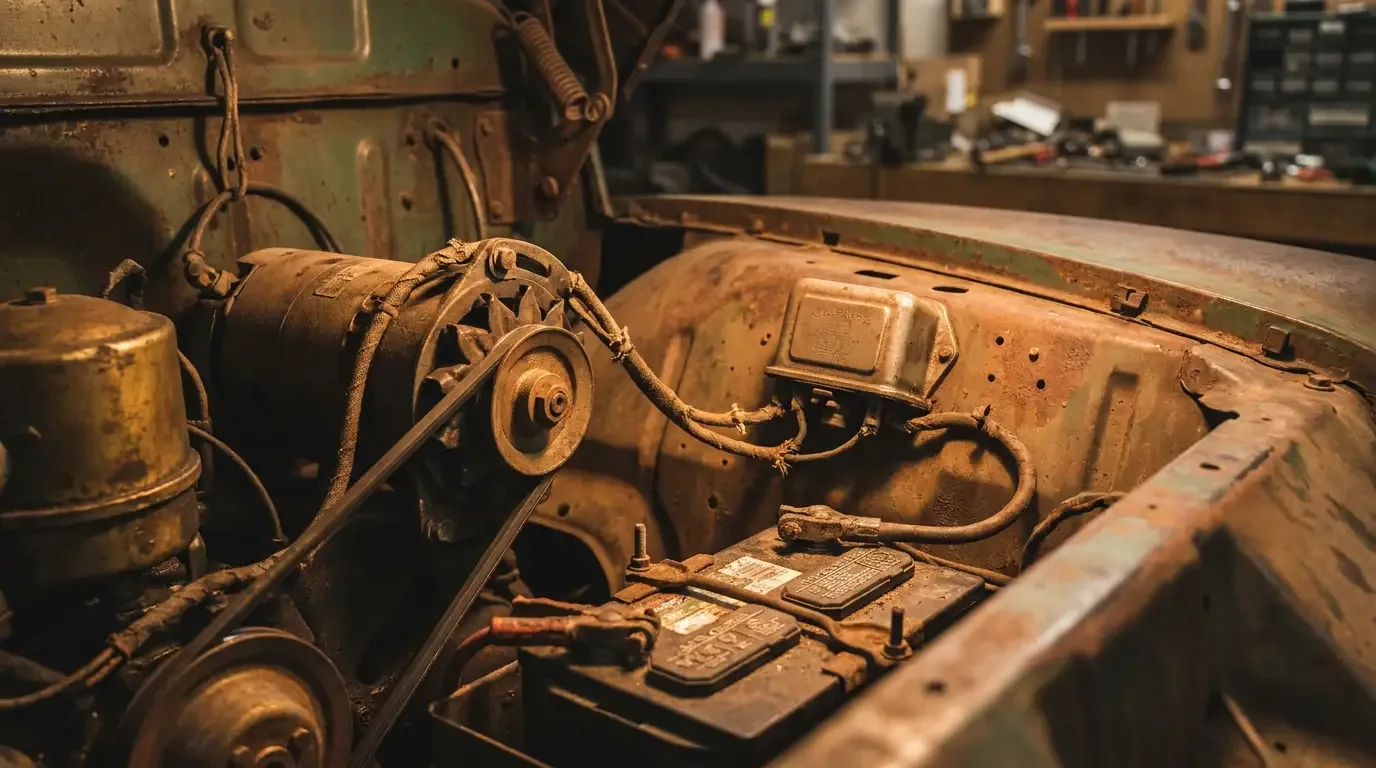
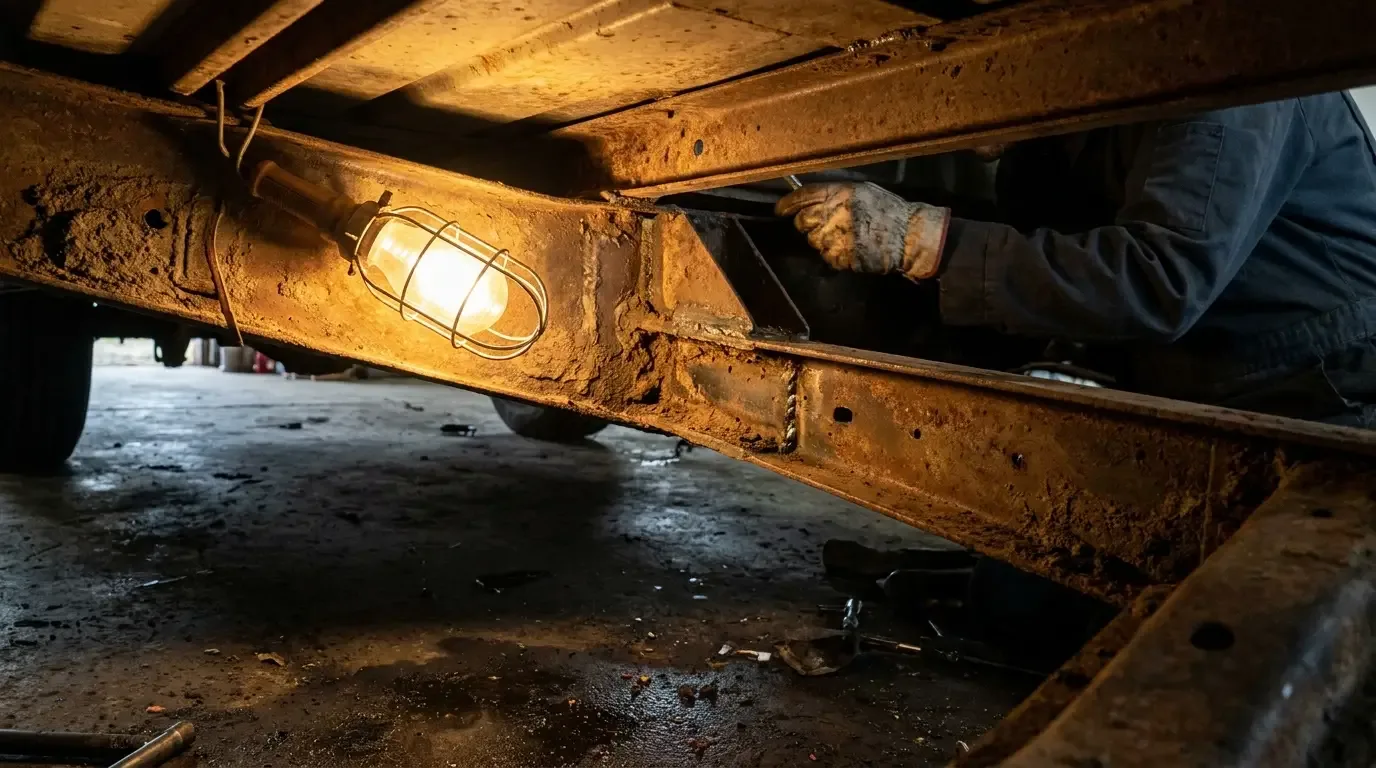
Get under it with a light and look at what has already been touched. A six with one head gasket in its life is a simpler bet than a V8 where you cannot see half the block without pulling the intake.
Fuel and the cost of running it
The six sips. The V8 gulps. That gap is the single biggest running-cost difference between the two, and it never goes away. A carbureted inline-six moving a light-to-medium truck around town will hand you noticeably better mileage than the same truck with a V8, because the six is not fighting its own displacement to make low-speed torque. It makes that torque cheaply.
The V8 gives it back in capability. Tow heavy, haul a camper, run the highway at speed, and the V8 does it without straining. The six can do those jobs too, but it works harder and the fuel line reflects it. If your truck is a weekend cruiser and a parts-runner, the six's economy is real money in your pocket. If it earns its keep pulling weight, the V8's fuel cost is the price of not lugging a small engine to death.
Cost to rebuild, honestly
This is where buyers lie to themselves. Both engines are cheap to rebuild compared to almost anything modern, but they are not equal.
The inline-six costs less to freshen. One head to surface and valve-job instead of two. One set of exhaust components. Fewer gaskets in the kit. Less machine-shop labor because there is simply less engine on the bench. A basic six rebuild, ring-and-bearing with a valve job, is about the friendliest big job a home wrench can take on. You can do a lot of it in a home garage with hand tools and a torque wrench.
The V8 costs more, but not because it is harder. It is the same job times two on the top end. Two heads through the machine shop, twice the valve work, a bigger gasket set. Parts are everywhere and prices are sane, so the sting is in labor and machine time, not scarcity. Where the V8 can bite you is a buyer who assumes "parts are cheap" means "the whole job is cheap." The long-block might be, but the top end doubles up.
| Dimension | Inline-six | V8 |
|---|---|---|
| Power character | Low-end torque, pulls off idle | Top-end power, builds with rpm |
| Peak horsepower | Lower [VERIFY per engine] | Higher [VERIFY per engine] |
| Peak torque rpm | Low, work-truck friendly | Higher in the rev range |
| Cylinder heads | One | Two |
| Fuel economy | Better, especially light loads | Thirstier, worse under load |
| Simplicity | Fewer parts, fewer leaks | More of everything to service |
| Rebuild cost | Lower (single head, less labor) | Higher (top end doubles) |
| Parts availability | Good, model-dependent | Excellent, universal |
| Best for | Cruiser, parts-runner, light hauling | Towing, highway, heavy work |
Do not read exact horsepower or torque figures off a chart and treat them as gospel for your truck. They vary by year, displacement, carburetion, and how tired the engine is. Confirm the numbers for your specific engine before you buy on them.
"People ask me which one to buy like there's a right answer. There isn't. There's the truck you want and the job it has to do. Buy the engine that matches the work, not the one that sounds good at a car show."
— Mike Sullivan
Which engine for which use
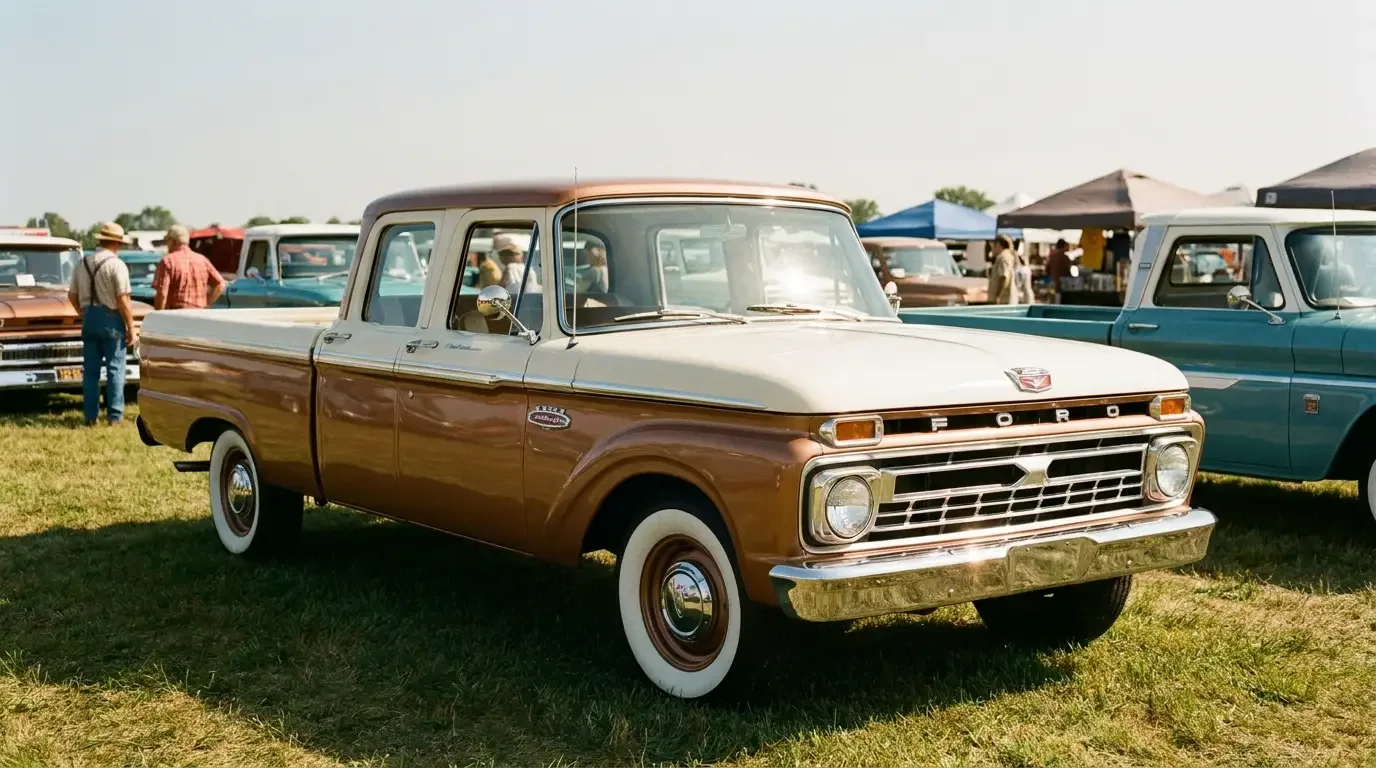
Sort it by the work, not the badge. If the truck is a weekend driver, a show cruiser, or a light-duty parts hauler, the inline-six is the smarter buy. It is cheaper to run, cheaper to fix, dead simple to work on in your own garage, and it has the low-end manners that make a slow classic pleasant to drive. You are not chasing quarter-mile times. You are enjoying a truck.
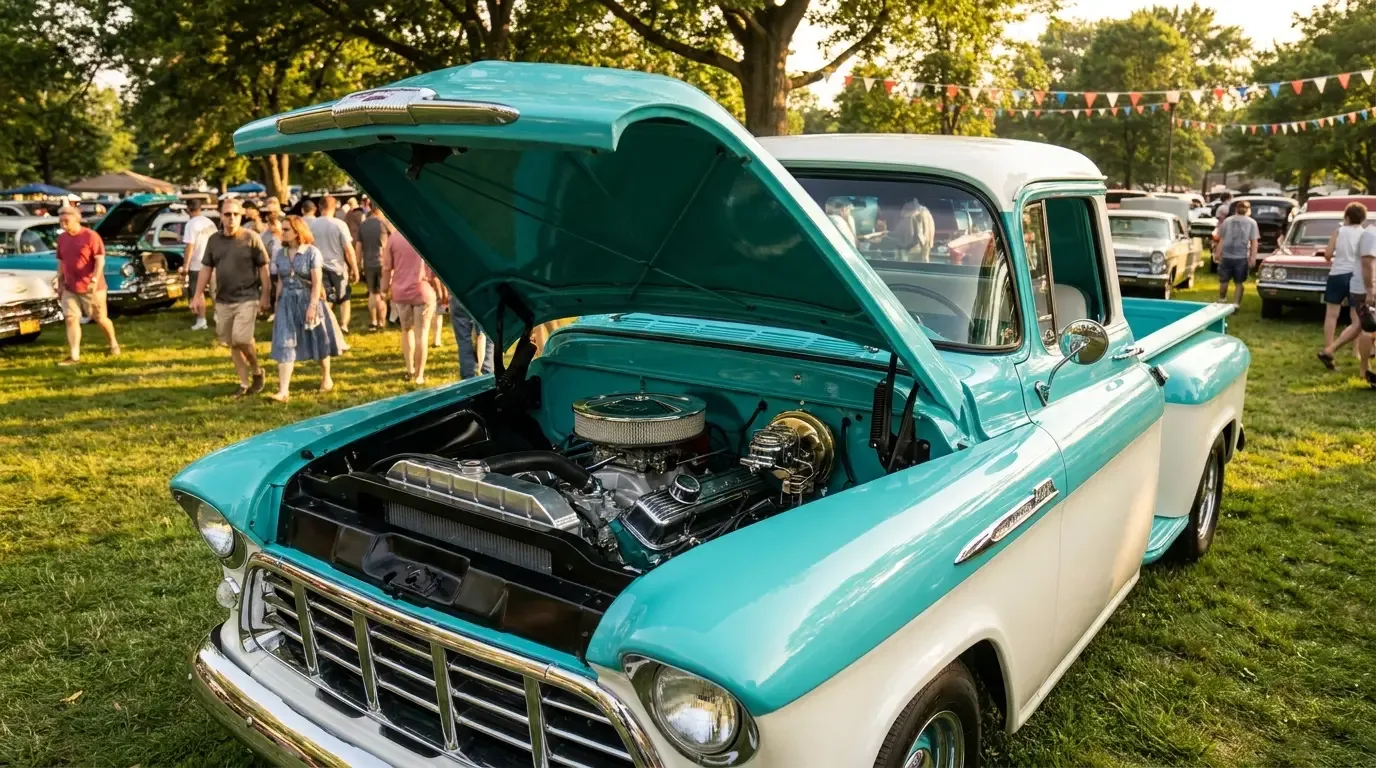
If the truck has a job, tow a trailer, haul a slide-in camper, run long highway miles at real speed, the V8 earns its fuel bill. The extra top-end power means it does heavy work without lugging, and a V8 that never gets strained lasts a long time. Buy the V8 when the truck has to perform, not just cruise.
The mistake I watch buyers make is picking the V8 for the sound and the swagger, then complaining about mileage on a truck that never tows anything. And the reverse, a buyer who wants to tow big talking themselves into a six because the fuel number looks nice, then lugging the poor thing up every grade. Match the engine to the use. That is the whole game.
Sources and notes
- Factory service manuals and shop manuals for period truck engine families.
- Period road tests and truck magazine comparisons for driving character and economy impressions.
- Engine casting-number and identification guides for verifying displacement and year.
- Rebuild parts catalogs and machine-shop labor practices for cost comparison.
- Hands-on shop experience with inline-six and V8 rebuilds. Verify all hp/torque and displacement figures against documentation for your specific engine.