Buy an old truck and the first thing that bites you is the electrical system. It cranks slow, the lights are dim, and half the time the owner has already hacked in a modern radio that never worked right on the original wiring. Before you touch any of it, you need to know what you have. Most trucks built before the mid-1950s left the factory on 6 volts, and a good number of those ran positive ground. That is backwards from everything you know if you cut your teeth on 12-volt negative-ground stuff. Get it straight first, then decide what to do about it.
Why early trucks ran 6-volt positive ground
When these trucks were designed, the electrical load was tiny. A starter, a generator, a coil, some lights, and maybe a heater blower. Six volts was enough to turn a low-compression engine and light the lamps of the day. Copper was expensive and battery chemistry was what it was, so 6 volts was the sensible choice. The engines had low compression ratios, often under 7:1, so the starter did not need to fight much to spin them over.
Positive ground is the part that confuses people. Both 6-volt and some early 12-volt systems grounded the positive terminal to the frame instead of the negative. There was a real reason for it. Engineers of the era believed positive ground slowed down galvanic corrosion at the battery terminals and in the wiring, and it was thought to reduce fouling issues at the points and plugs. Whether it mattered as much as they claimed is a separate argument. What matters to you is that the polarity is flipped from modern practice, and if you wire an accessory or a gauge as if it were negative ground, you will let the smoke out.
When the industry moved to 12 volts
The switch happened across the mid-1950s, roughly 1955 to 1957 depending on the manufacturer. It was not a fad. Engines got bigger and compression ratios climbed, which meant the starter had to work harder. Add optional accessories like better heaters, radios, and eventually air conditioning, and 6 volts ran out of headroom. Twelve volts pushes the same power through thinner, lighter wire because you can run less current for the same load. That saves copper and weight, and it cranks a high-compression V8 without sulking.
Most makers went to 12-volt negative ground in the same jump, though a few brands hung onto positive ground on 12-volt systems for a while before falling in line. So do not assume 12 volts automatically means negative ground on a transitional-year truck. Check the battery cables and the ammeter wiring before you trust anything.
"I have watched more than one guy jump a 6-volt truck off a modern 12-volt car and wonder why the wiring harness started smoking. Know your system before the cables come out."
— Mike Sullivan
Symptoms of a 6-volt system, good and bad
A healthy 6-volt system works fine. The trouble is that most of them are not healthy, and people blame the voltage when the real problem is neglect. Six volts is far less forgiving of bad connections. A little corrosion or an undersized cable that a 12-volt system would shrug off will bring a 6-volt truck to its knees. Here is how to tell what you are dealing with.
- Slow, lazy cranking that speeds up if you clean the grounds. That is a connection problem, not a voltage problem.
- Dim headlights that get worse at idle. The generator is marginal or the wiring has resistance.
- Battery cables that look thin. Six-volt systems need fat cables, often two gauges heavier than a 12-volt truck of similar size, because they move more current.
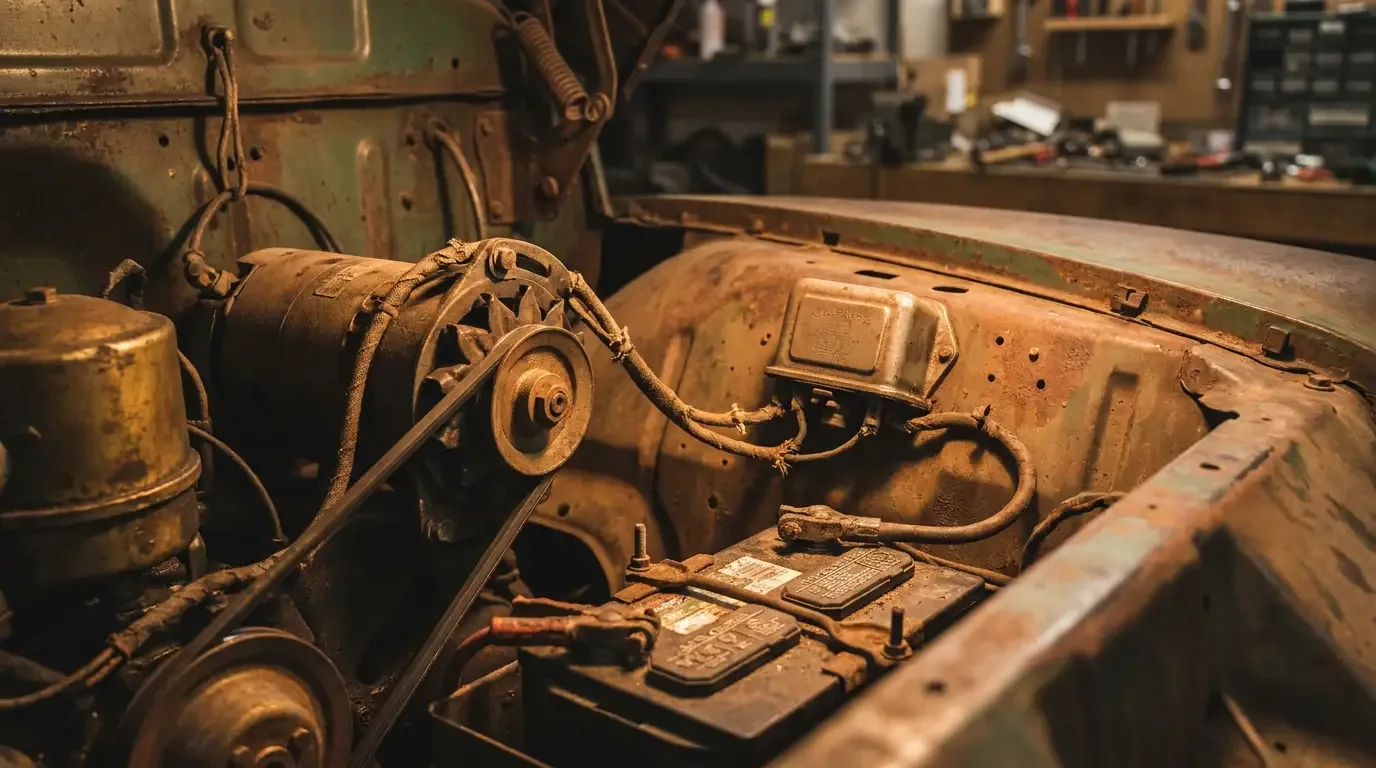
- A generator instead of an alternator, and a mechanical voltage regulator on the firewall or inner fender.
- An ammeter that reads charge and discharge, not a modern voltmeter.
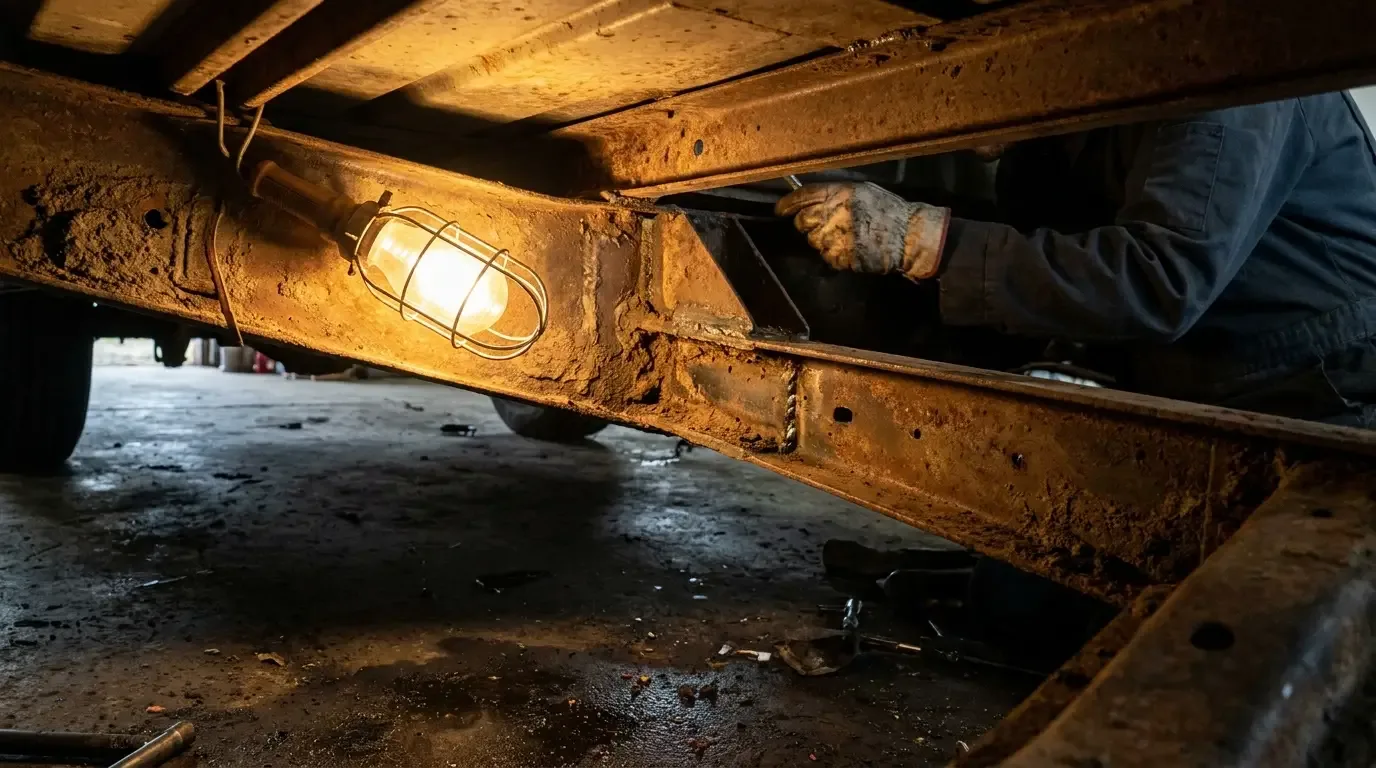
If the truck cranks slow, do not reach for a bigger battery first. Get under it with a light and check every ground strap, the battery-to-frame connection, and the frame-to-engine strap. Nine times out of ten the fix is a wire brush and a wrench, not a new system.
The 12-volt conversion and what it involves
The most common upgrade on a driver-quality classic truck engine is a 12-volt negative-ground conversion. People do it so they can run modern accessories, get reliable starting, and jump the truck off any other vehicle without ceremony. It is not a drop-in job, but it is well inside the reach of a patient owner with a manual. Purists restoring a show truck usually leave 6 volts alone for correctness. Everybody else tends to convert.
Here is what a proper conversion touches. You are changing the voltage and, on a positive-ground truck, the polarity too, so nothing electrical gets to stay as it was without checking.
| Component | What it needs |
|---|---|
| Battery | Swap the 6-volt for a 12-volt, negative ground. |
| Generator | Replace with a 12-volt alternator, or a 12-volt generator plus regulator if you want the correct look. |
| Voltage regulator | New 12-volt unit, or delete it if you fit an alternator with an internal regulator. |
| Starter | Original 6-volt starters usually spin fine on 12 volts for short cranks. Many builders leave them. Some fit a 12-volt starter for longevity. |
| Coil | 12-volt coil, or a 12-volt coil with a ballast resistor depending on the ignition. |
| Lights and bulbs | Replace every bulb with a 12-volt equivalent. Six-volt bulbs pop instantly on 12 volts. |
| Gauges | Fit voltage reducers on the fuel and temperature gauges, or swap to 12-volt gauges. |
| Heater and wiper motors | Run through a voltage reducer or replace with 12-volt units. |
| Wiring | The original harness usually carries 12 volts fine since current drops, but inspect it and replace anything cracked or brittle. |
The polarity reversal is the step people forget. If the truck was positive ground, you have to reverse the ammeter connections and re-polarize or replace the coil so the ignition fires correctly. Miss that and it will run rough or not at all. Budget for a coil, an alternator, a full set of bulbs, gauge reducers, and a weekend. It is honest work, and when it is done the truck starts every time and you stop carrying jumper cables that only fit other old trucks.
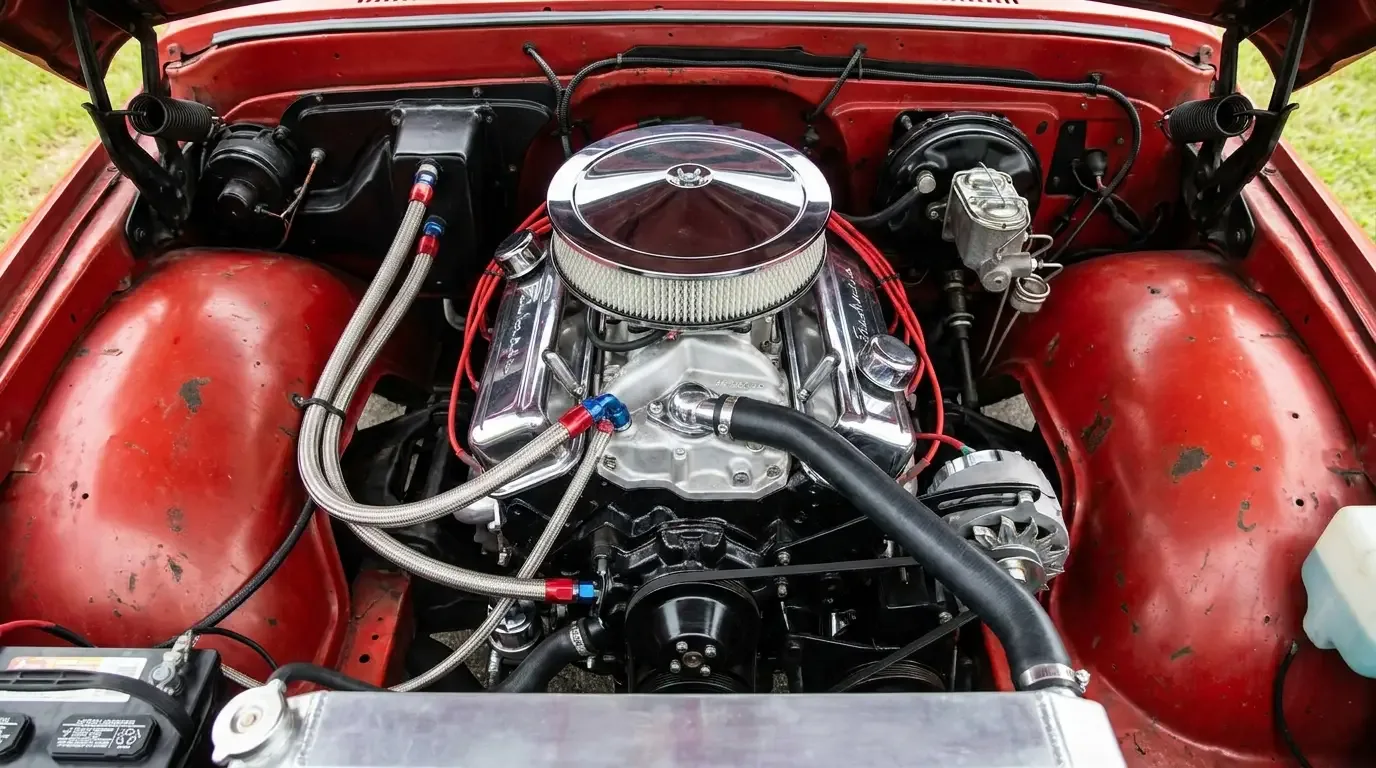
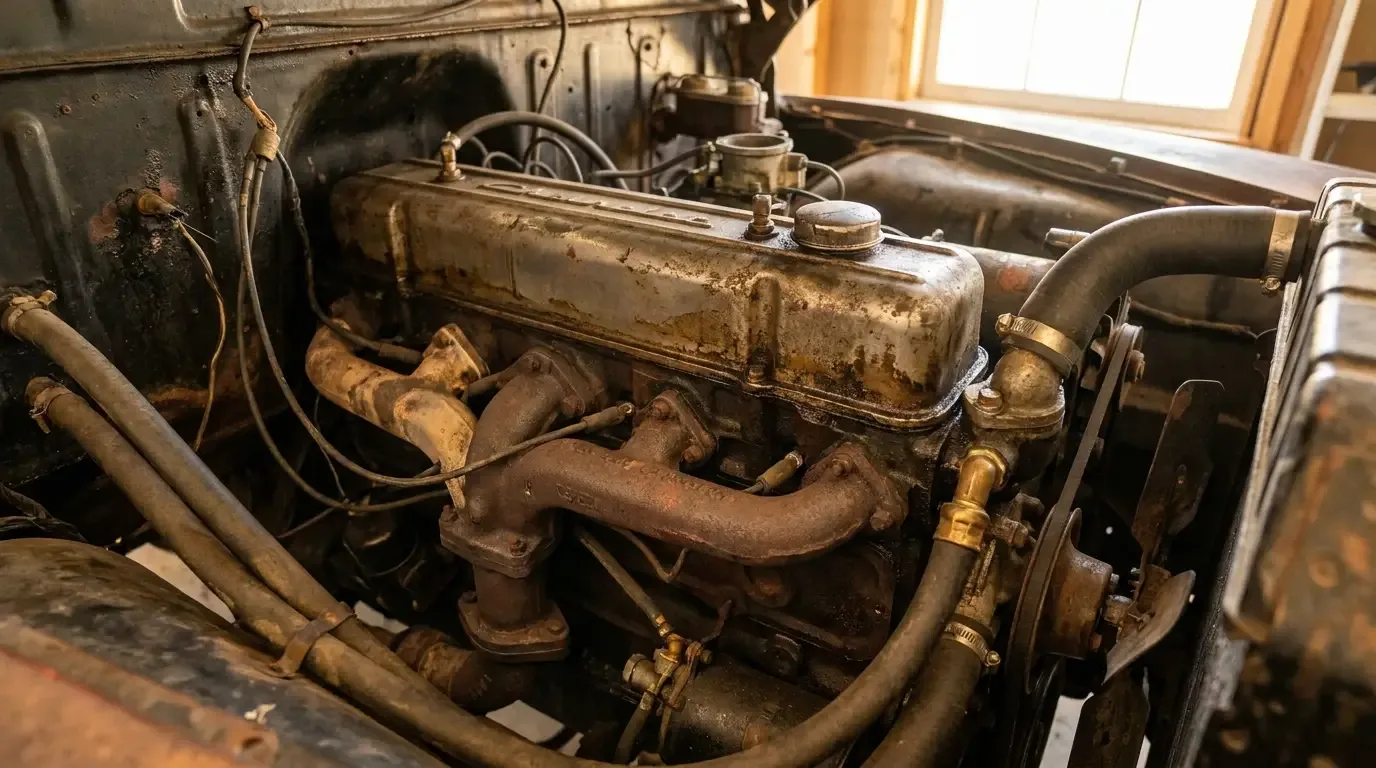
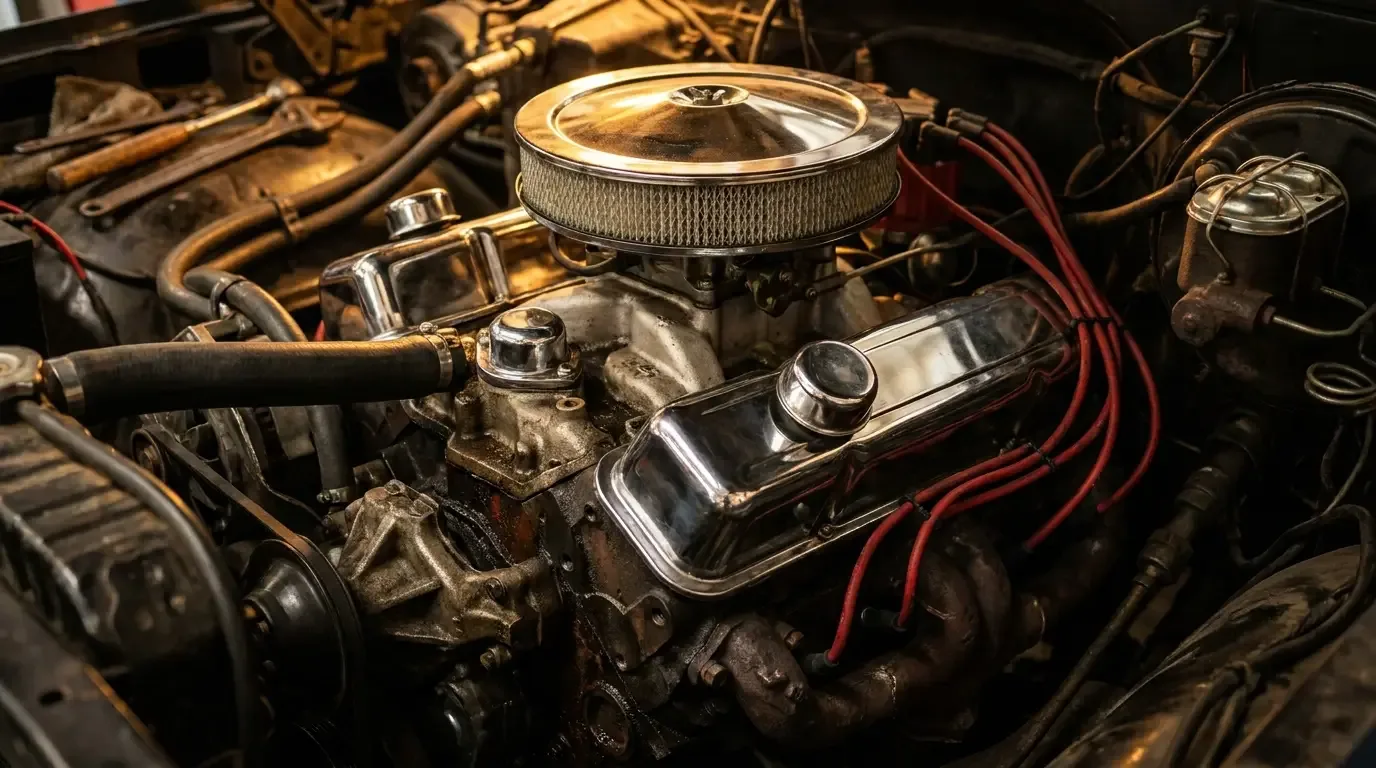
Before you decide, read up on what is under the hood. The classic truck engines you are likely to find in this era, the flatheads and early overhead-valve sixes and small V8s, all started life on 6 volts, and knowing the engine helps you plan the conversion around it.
Which way to go
Decide based on what you want the truck to be. Keeping a show truck correct means living with 6 volts, and that is fine if you keep the grounds clean and the cables fat. A truck you actually drive is better on 12 volts, full stop. The parts are cheaper and everywhere, the starting is reliable, and you can run whatever you like off it. Neither choice is wrong. The wrong move is half-converting a truck, leaving mismatched components in the system, and then chasing gremlins for years. Do the whole job or none of it.
Sources and notes
- Factory service manuals and owner's manuals for the relevant model years, for original system voltage and polarity.
- Period wiring diagrams and shop manuals covering generator and regulator specifications.
- Marque and model histories documenting the industry transition from 6-volt to 12-volt systems.
- Established 12-volt conversion guides and restoration references for component-by-component requirements.