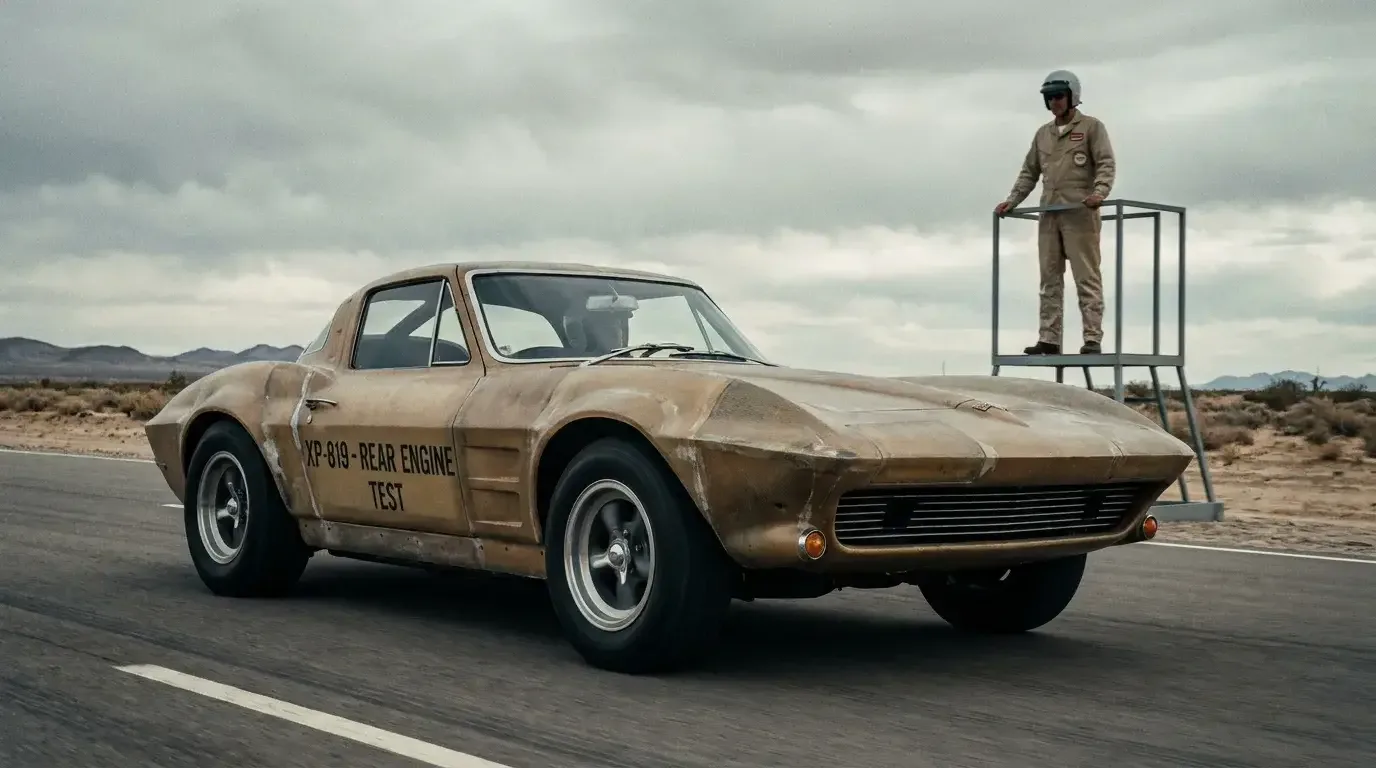
The XP-819 never made it to a showroom. It never ran at a track under Chevrolet colors. By most standard measures it was a failure, its program abandoned after a testing crash exposed handling problems serious enough to end the effort. But the car represents something worth understanding: General Motors engineers working outside the production constraints that defined every Corvette Chevrolet actually sold, trying to answer a question that Zora Arkus-Duntov himself did not think was worth asking.
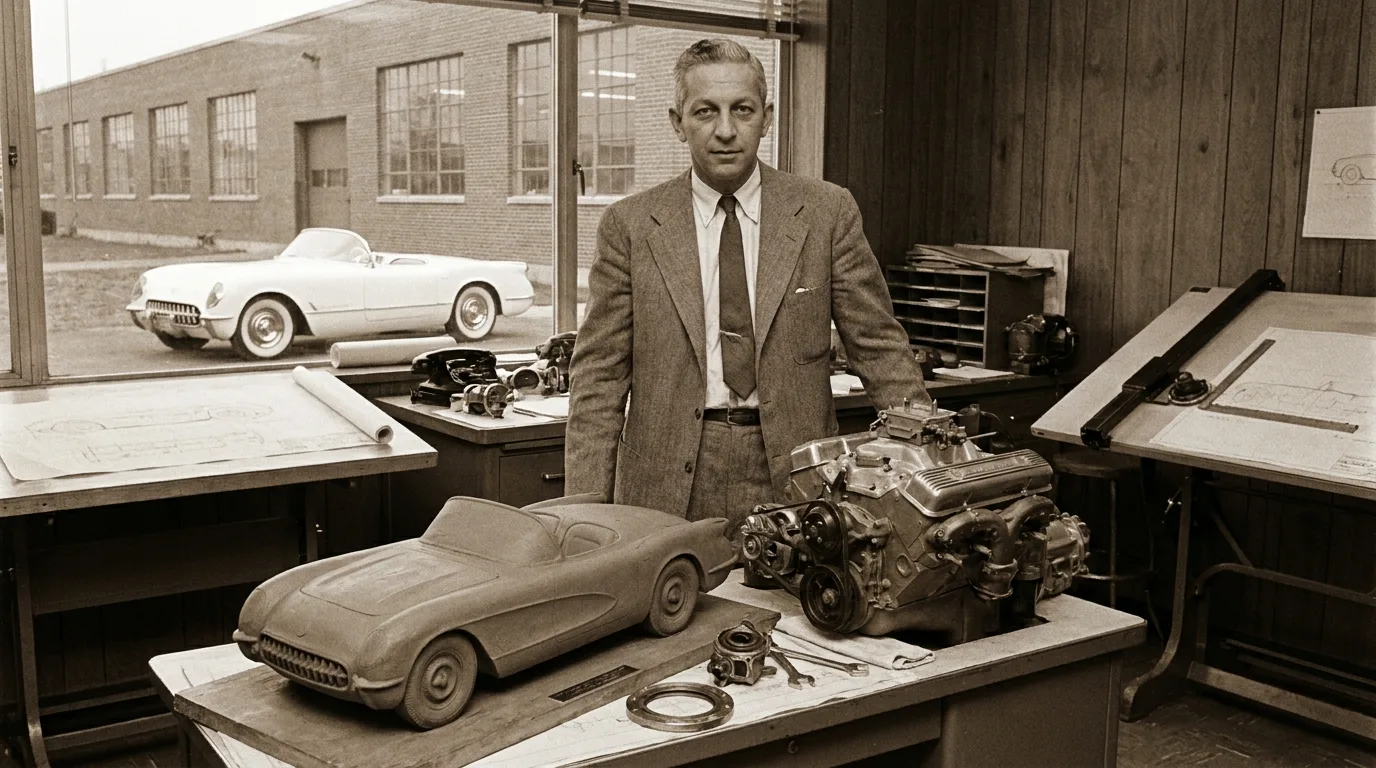
The question was whether a rear-engine layout could make the Corvette faster and more balanced. In the mid-1960s, when work began on what became the XP-819, that was not a trivial question. Rear-engine cars were winning races. The Chevrolet Corvair had introduced the American public to the concept. Porsche had been building rear-engine sports cars for years. Frank Winchell, head of Chevrolet's Research and Development group, wanted to find out what a rear-engine Corvette could do. Duntov, who understood chassis dynamics from his own racing background, was skeptical from the start and remained one of the project's sharpest internal critics.
What the XP-819 was
The XP-819 was a one-off experimental vehicle built by Frank Winchell's Chevrolet R&D team, with styling and fabrication overseen by Larry Shinoda. The "XP" designation meant Experimental Prototype, the same prefix applied to other advanced-concept vehicles the division developed during that era. The car used a fiberglass body styled to suggest production-Corvette proportions but mounted on a purpose-built frame that placed the engine behind the rear axle centerline.
The engine installed was a 327-cubic-inch Chevrolet small-block V8, rated at roughly 365 gross horsepower with a single carburetor, mounted longitudinally behind the rear axle. Because the engine sat backward in the chassis, it needed a reverse-rotation configuration, borrowed from a marine application, to drive the wheels in the correct direction. Power ran through a modified two-speed automatic transaxle adapted from the 1963 Pontiac Tempest. The layout concentrated mass toward the rear of the car, producing a reported rear weight bias of around 69 percent.
For a broader look at how Duntov's engineering vision shaped Corvette development across decades, the full story is captured in the full picture of his career and influence.
The testing problem
High-speed stability proved to be the XP-819's fatal flaw. A rear-engine layout concentrates mass behind the rear axle, which means the car's polar moment of inertia is high. In simple terms: once a rear-engine car starts to rotate, it wants to keep rotating. Oversteer develops quickly and corrections must come fast. For a production sports car driven by enthusiasts of varying skill, that characteristic is a liability.
Winchell's team ran the XP-819 at speed and discovered that the aerodynamic behavior compounded the handling problem. The combination of rear-weight bias and reduced front-end grip made the car genuinely difficult to control at the speeds a Corvette was expected to reach. The crash that followed, during a wet high-speed lane-change test, damaged the front of the car badly enough to make the point in the most direct way possible.
The testing results killed the program. Chevrolet had invested real engineering time in the concept, but the crash and the underlying handling characteristics it exposed were enough to end serious consideration of a rear-engine production Corvette. The XP-819 demonstrated that the layout required aerodynamic solutions and suspension geometry far beyond what the program had developed. The project was set aside.
"The XP-819 doesn't tell you that Duntov failed. It tells you he was asking the right questions years before the rest of the industry caught up. A rear-engine Corvette remained a live idea in Engineering long after this prototype was gone."
— Tom Ramirez
Why Duntov kept pursuing the concept
The XP-819 was not the end of Duntov's rear-engine and mid-engine thinking. Through the late 1960s and into the 1970s, he continued to advocate for a mid-engine Corvette layout, which placed the engine behind the driver but ahead of the rear axle. That arrangement addresses the polar-moment problem by keeping more mass near the center of the car, where it affects rotation less dramatically during limit handling.
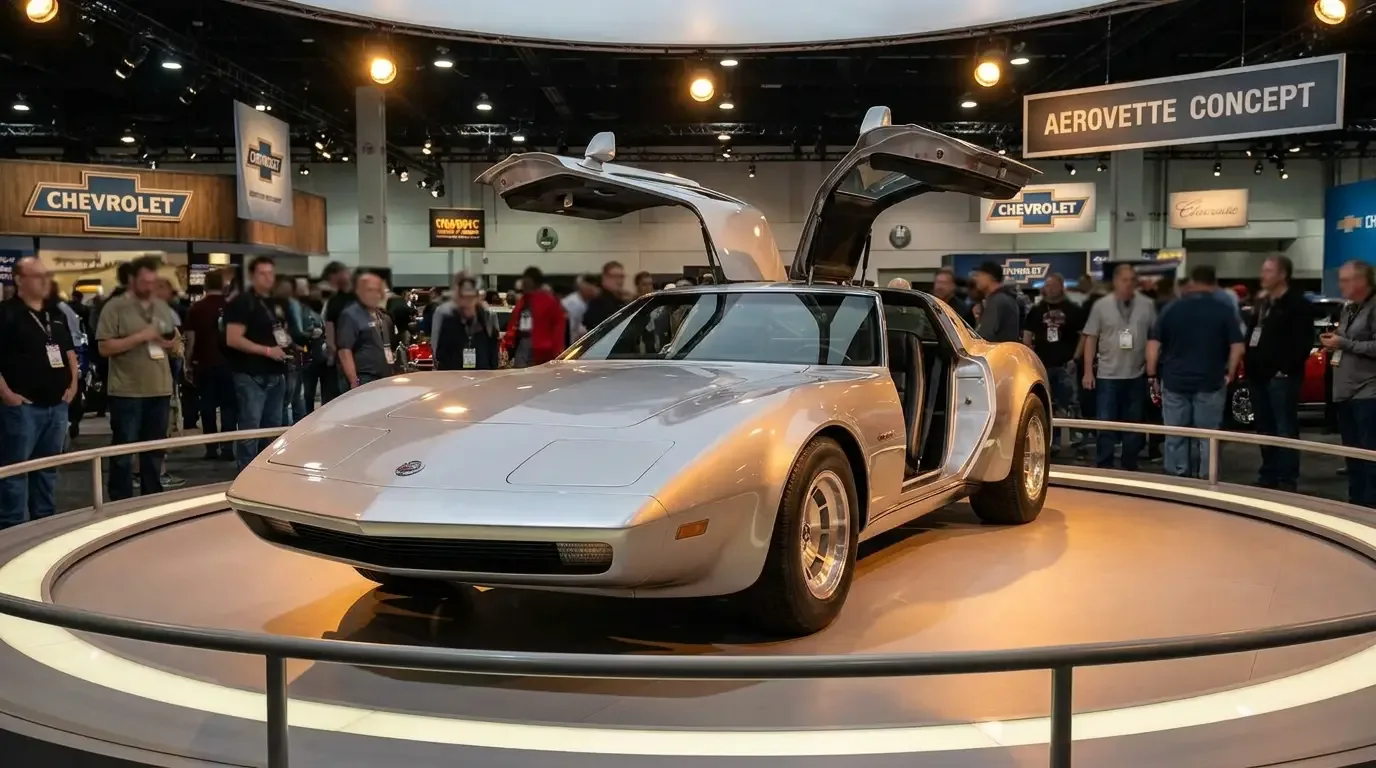
The Aerovette, which came later in the development timeline, represented a more refined version of the mid-engine concept. You can read more here about how that project evolved and why it also never reached production despite coming close in the mid-1970s.
The line from XP-819 to Aerovette to the current C8 mid-engine Corvette is not a straight one, but it reflects a consistent engineering direction that Chevrolet R&D and, later, Duntov himself came to embrace as the mid-engine concept matured. The C8, which finally placed the engine behind the driver for the 2020 model year, arrived roughly fifty-five years after Winchell's team first tried a rear-engine approach to weight distribution on an XP-prefix prototype.
What survives and what doesn't
The physical XP-819 did survive, though its path was not a straight one. After the crash ended the testing program, Chevrolet eventually ordered the car destroyed. Rather than scrap it outright, it was cut into sections and left in storage at a Daytona Beach facility, where the remains sat largely forgotten for roughly a decade before being rediscovered and acquired by a Missouri Chevrolet dealer in the late 1970s. A basic reconstruction followed, and the car later changed hands again in 2002, when Mid America Motorworks founder Mike Yager bought it at auction and commissioned a full restoration. That work, totaling more than 3,500 hours, brought the XP-819 back to running, drivable condition, and the car debuted publicly at the Amelia Island Concours d'Elegance in 2013.
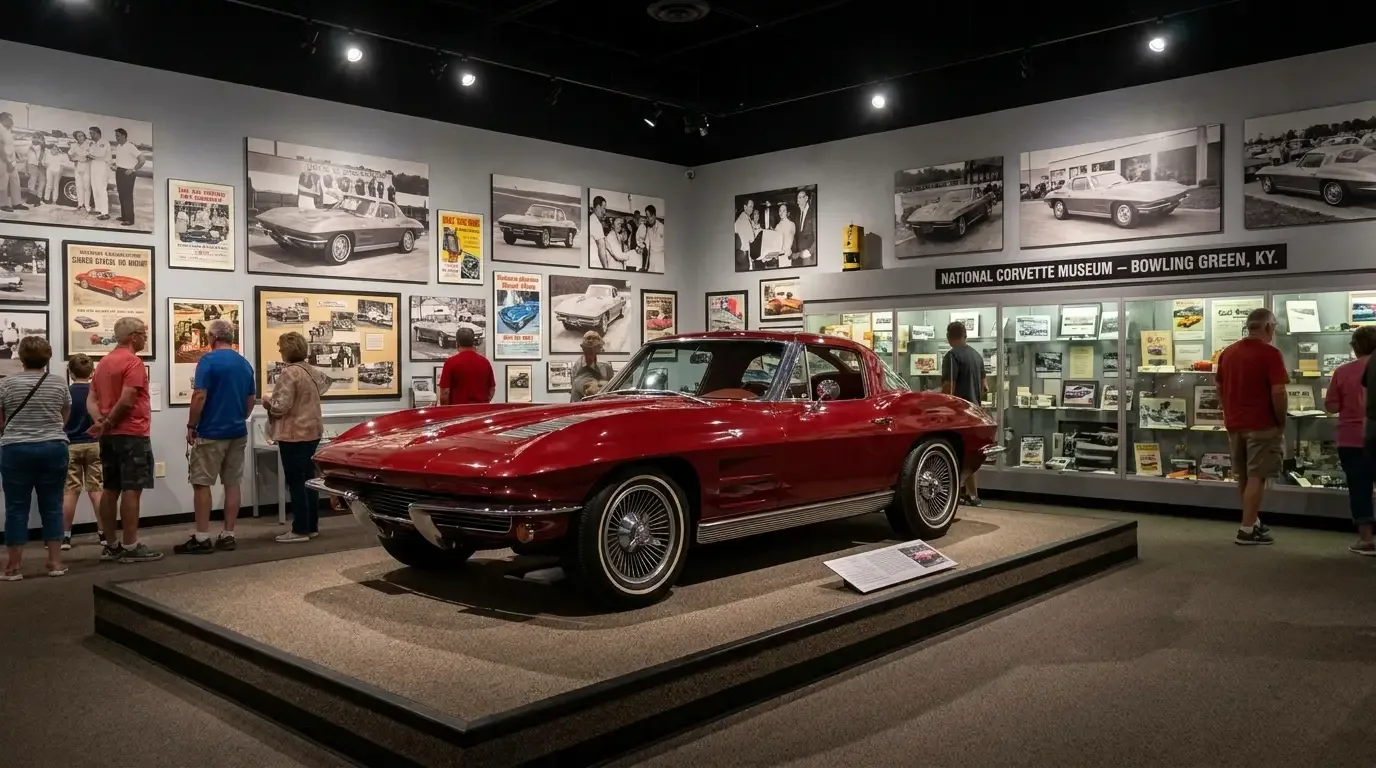
What survives beyond the car itself are photographs taken during development, engineering documents held in GM's historical records, and contemporary accounts from engineers who worked on or around the program. The National Corvette Museum in Bowling Green has featured the restored XP-819 in exhibits covering the Corvette's mid-engine and rear-engine experimental history.
The XP-819 in context
Experimental vehicles from any manufacturer's history tend to be viewed one of two ways: as proof of vision or as evidence of wasted resources. The XP-819 fits the first category more accurately. Duntov's willingness to build a running prototype of a rear-engine Corvette, test it honestly, and accept the results when they were unfavorable reflects exactly the kind of engineering discipline that defined the best work from Chevrolet's Corvette group during that period.
The car failed on its own terms, but the failure generated real data. It confirmed that a rear-engine layout required aerodynamic management and chassis engineering beyond what the program had developed. It also confirmed that Duntov's instinct about weight distribution was sound, even if the specific configuration he tested was not. Those lessons fed into the mid-engine development work that followed.
For Corvette researchers and historians, the XP-819 is significant precisely because it didn't succeed. Production Corvettes from the C1 through C7 era tell one story about what Chevrolet was willing to build and sell. Experimental vehicles like the XP-819 tell a different story: what the engineers were actually thinking about when the public wasn't watching.
Sources and notes
- Corvette Magazine, "Leading From Behind": confirmed Frank Winchell led the XP-819 program, Duntov's on-record opposition, the 327-cubic-inch/365-hp reverse-rotation V8 and modified Pontiac Tempest transaxle, the wet lane-change test crash, and the full survival, Yunick storage, Steve Tate discovery, and 2013 Amelia Island restoration debut timeline.
- Corvsport, "1964 XP-819 Rear Engine Corvette": corroborated Winchell's leadership, the two-month build supervised by Larry Shinoda, the reverse-rotation marine V8 installation, the test-crash details, and the ownership chain through Steve Tate to Mike Yager.
- Corvette Blogger: confirmed the XP-819's public debut at the 2013 Amelia Island Concours d'Elegance following Kevin Mackay's restoration.
- National Corvette Museum: confirmed the museum's ongoing association with the restored XP-819 and its role in the Corvette's experimental mid-engine and rear-engine history.
- Corvette Action Center, Larry Shinoda interview: corroborated the styling and fabrication timeline and program background.
- Wikipedia, Chevrolet Corvette (C8): confirmed the C8's 2020 model year introduction as the first production mid-engine Corvette.