Two men, one car, and a fight that shaped the Corvette
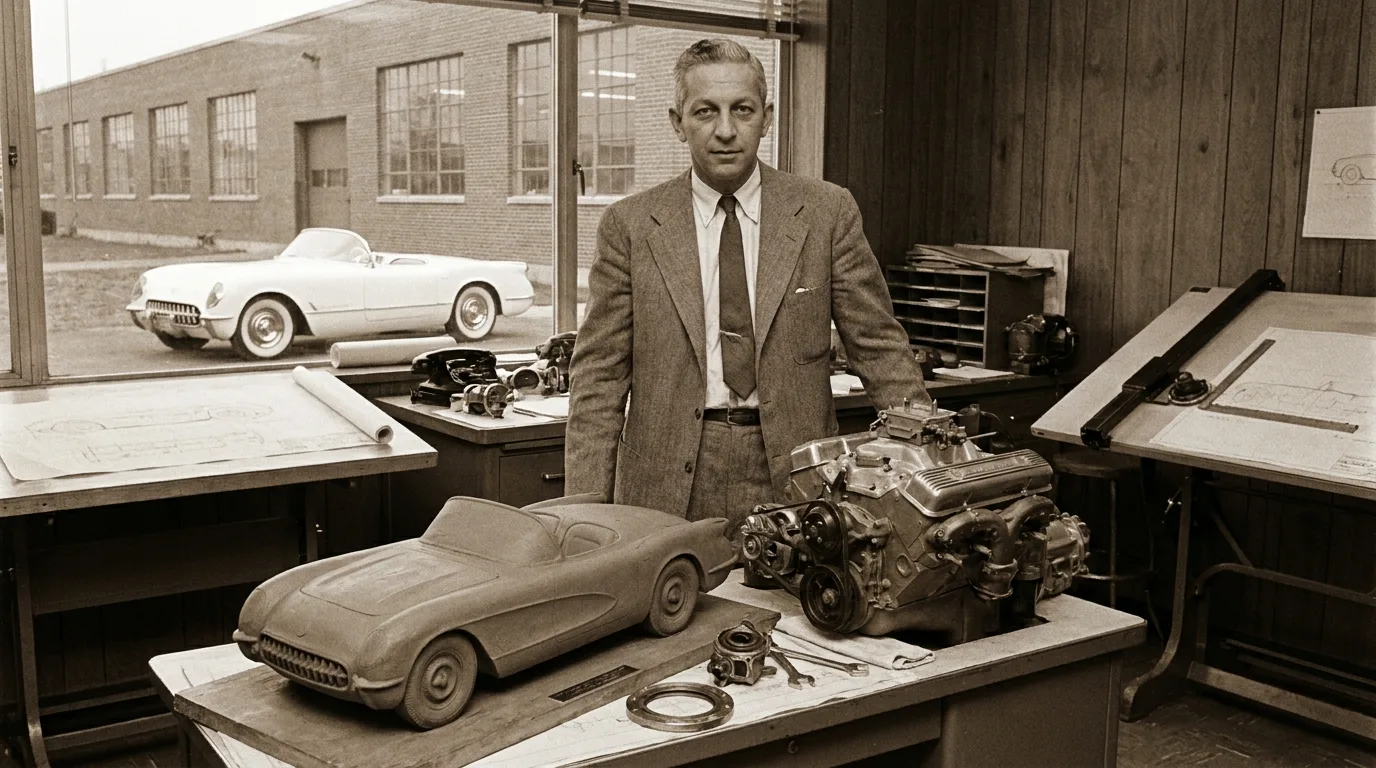
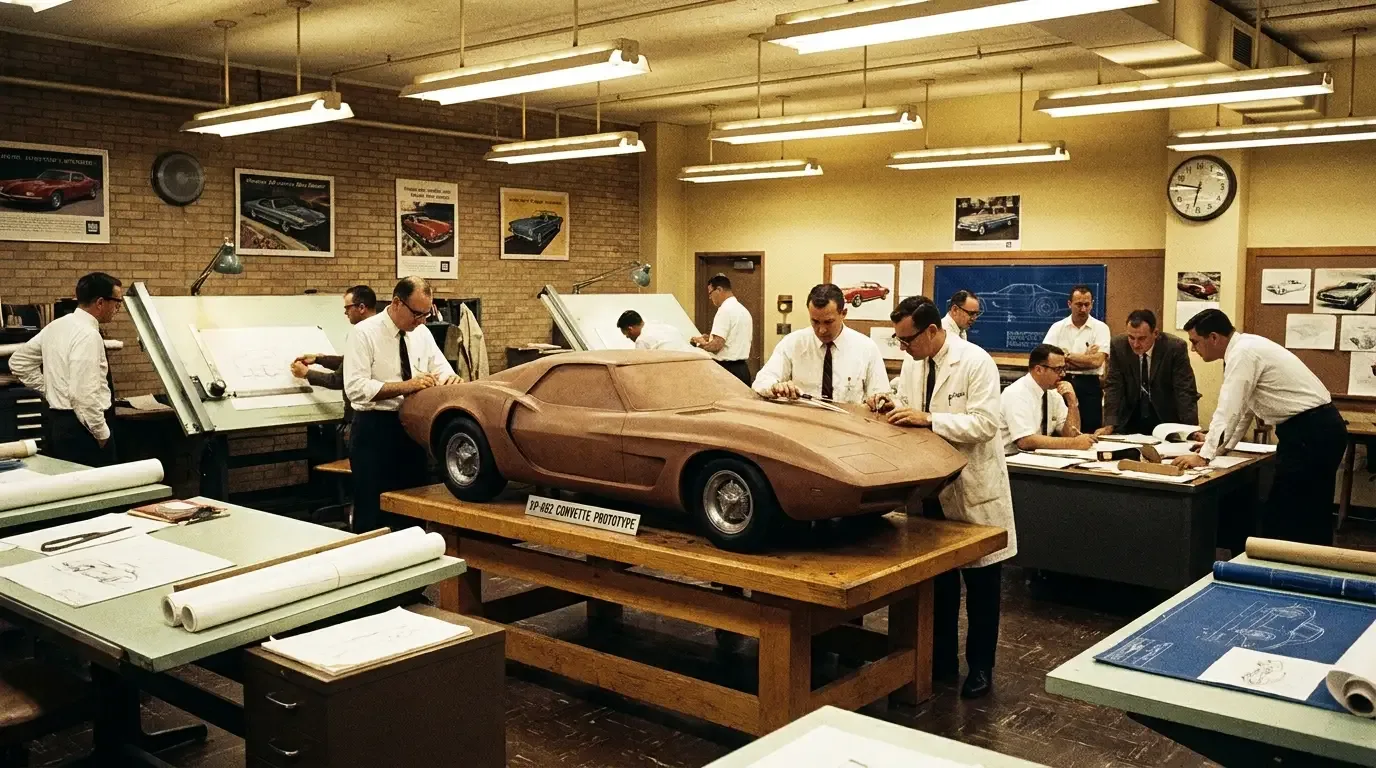
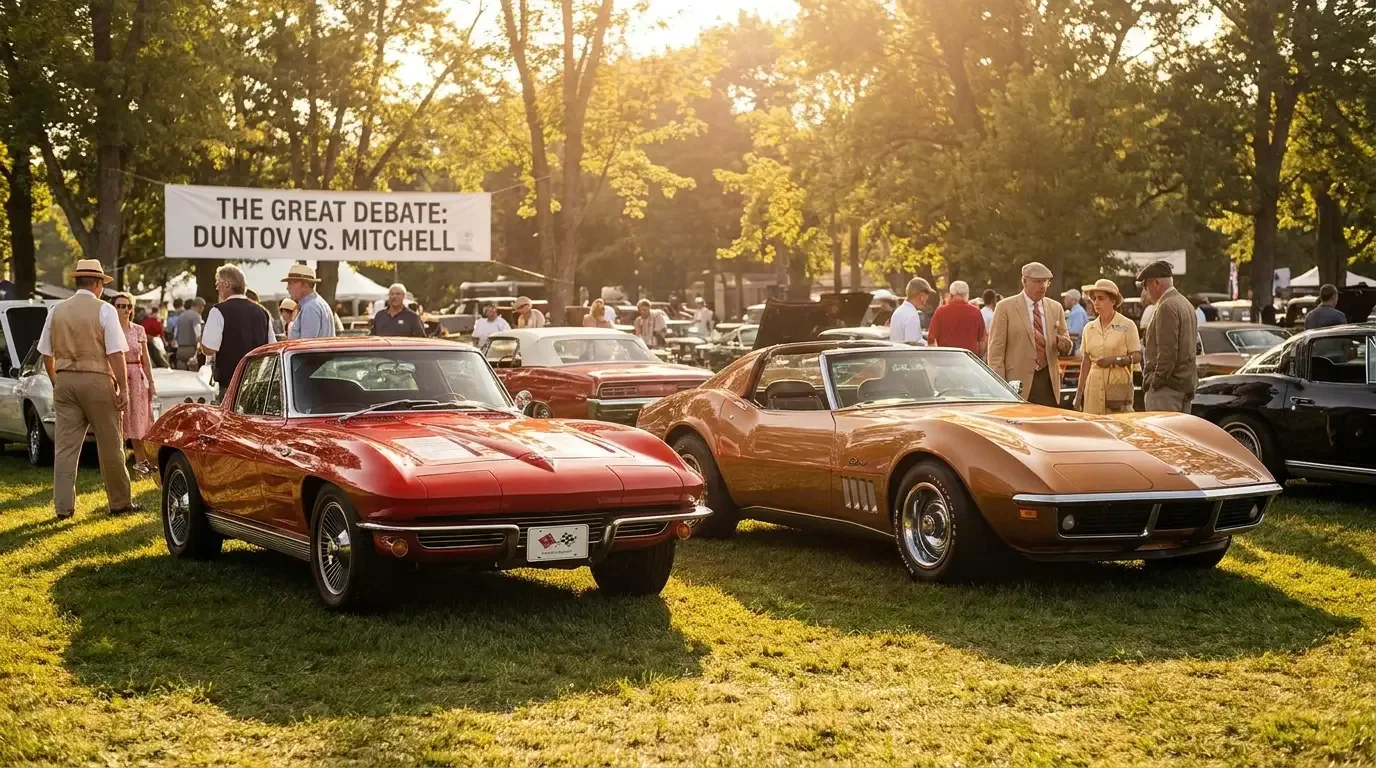
The Corvette did not become what it became because everyone at General Motors agreed on what it should be. It became what it became because two men with fundamentally different visions spent years pulling the car in opposite directions, and the tension between them produced something neither would have built alone. Zora Arkus-Duntov wanted a real sports car, technically credible, capable of embarrassing European machinery. Bill Mitchell wanted a rolling sculpture, something that announced itself before the engine started. That they shared a building at GM's Technical Center in Warren, Michigan did not mean they shared a philosophy. It mostly meant the arguments were loud and frequent.
The story of the Corvette is really the story of that argument, stretched across two decades. If you want to understand why a particular C2 or C3 looks the way it looks and goes the way it goes, you need to understand these two men and what each of them was actually after. For the longer version of Duntov's life and legacy, read our zora arkus duntov guide. But the short version of their conflict is worth telling on its own terms.
Duntov's agenda: performance above styling
Zora Arkus-Duntov joined Chevrolet on May 1, 1953, the same year the Corvette appeared, after writing to chief engineer Ed Cole to praise the car and enclose a technical paper of his own. He had not been hired to work on it. He was brought in as an assistant staff engineer, and the early Corvette, with its Blue Flame six-cylinder and two-speed Powerglide automatic, did not particularly interest him. What interested him was the idea of what the Corvette could be, which was something that could compete with the best sports cars Europe was producing. In October 1954 he put that case in writing to Ed Cole and fellow engineer Maurice Olley, in a memo titled "Thoughts Pertaining to Youth, Hot Rodders and Chevrolet." It was a brass-tacks document. No rhetoric, just the case for a purpose-built performance car aimed at the young, speed-hungry buyers Ford's flathead V8 already owned.
When he got the chance to work on the car in earnest, his priorities were consistent. Independent rear suspension. Correct weight distribution. Engines that breathed properly. He thought about lap times and handling balance. He pushed for the fuel-injected small-block V8. He wanted the car to be taken seriously by people who took cars seriously, which meant the European press, the racing community, the engineers at Ferrari and Jaguar who were setting the benchmark. The styling was someone else's problem, which was fine with him, right up until the styling someone else was doing started affecting the engineering.
Mitchell's agenda: the car as visual statement
Bill Mitchell came up through design, not engineering. He succeeded Harley Earl as GM's vice president of Styling in December 1958, when Earl reached GM's mandatory retirement age of 65, and his instincts were visual, theatrical, concerned with how a car looked sitting still as much as how it moved. He understood that most people who bought a Corvette would never drive it at nine-tenths on a road course. They would drive it to work, to dinner, to the gas station, and they would park it where people could see it. The car's job, in Mitchell's view, was to make that statement worth making.
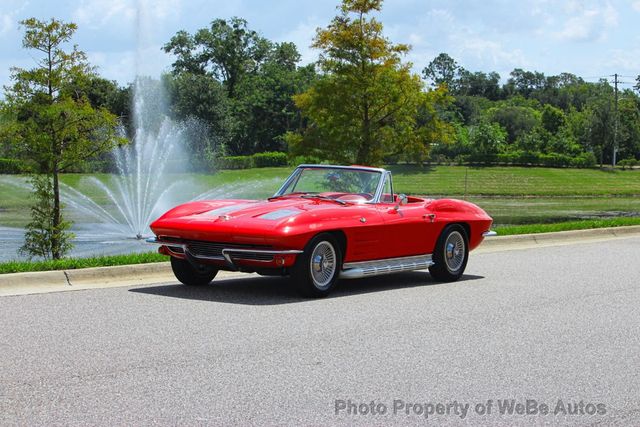
Mitchell's influence is written all over the C2 Sting Ray of 1963. The split rear window on the 1963 coupe was a Mitchell decision, and it is a perfect example of what he was doing. Structurally and aerodynamically, the split was redundant. From a visibility standpoint it was actively worse than a single pane. Mitchell did not care. The visual effect was the point, a dramatic spine running the length of the car. Duntov hated it and had it removed after one model year. Mitchell was furious. The 1964 car got a single rear window, better rearward visibility, and somewhat less theater. They were both right.
Where the conflict actually lived
The disagreement between Duntov and Mitchell was not personal animosity dressed up as a design argument. They both cared about the Corvette. The problem was they cared about different things, and the car could not always accommodate both at once.
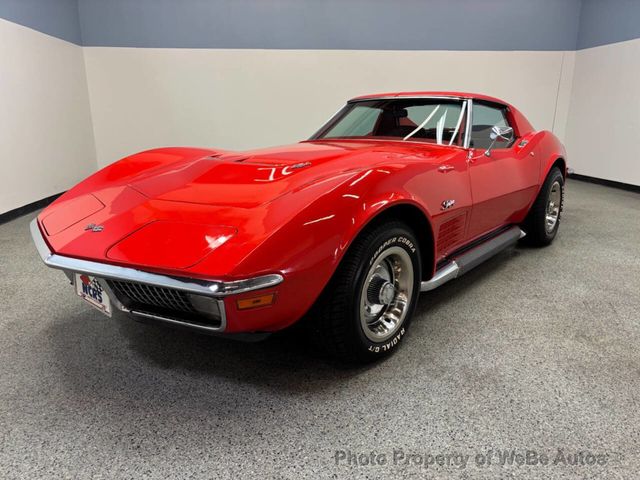
Weight was a recurring issue. Mitchell wanted bold forms, thicker pillars, heavier body panels that held their shape and photographed well. Duntov wanted weight off the nose, a neutral balance point, less to carry around a corner. The C3, which arrived for 1968, is the most visible result of Mitchell's aesthetic winning more battles than Duntov wanted. It is a heavy, beautiful car with a shape that reads like a sculpture. Its 1968-vintage chassis was stretched from the C2 to accommodate the new body, which Duntov had opposed. He thought the structure compromised handling relative to what it should have been.
He was not entirely wrong. The C3 was not the corner-carver the C2 had been. It sold extraordinarily well and became one of the most recognized shapes in American automotive history, which suggests Mitchell was not entirely wrong either.
| Generation | Design lead | Engineering signature | Years |
|---|---|---|---|
| C1 | Harley Earl (pre-Mitchell) | Duntov pushes V8 (1955), Rochester fuel injection option RPO 579 arrives for 1957 | 1953-1962 |
| C2 Sting Ray | Mitchell (coupe/roadster) | Duntov IRS, revised weight balance | 1963-1967 |
| C3 | Mitchell (Mako Shark lineage) | Duntov protests stretched platform | 1968-1982 |
What the tension actually produced
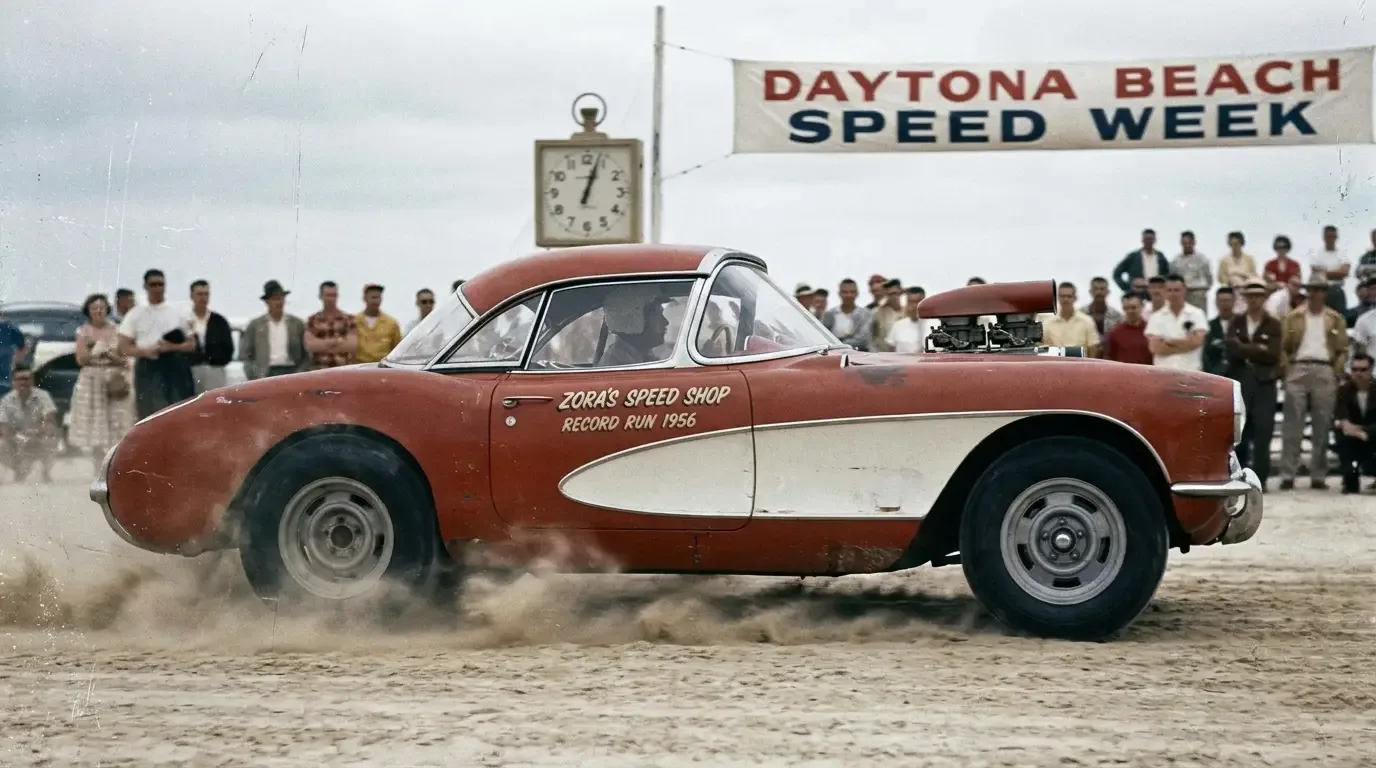
It is tempting to pick a side. Duntov tends to win that argument in retrospect because his contributions are quantifiable. He is the reason the Corvette has an independent rear suspension. He is the reason it got a fuel-injected V8 years before most American cars were anywhere near that territory. He went to Sebring and Daytona and demonstrated that the car was not a joke on a real circuit. The performance credentials he built are real and they lasted.
But the thing is, without Mitchell's eye, the Corvette might have been technically serious and commercially marginal. Corvettes get bought by people who respond to the way they look. The C2 Sting Ray is beautiful, and it is beautiful because of Mitchell, even as Duntov was fighting over the split window and the weight distribution. The C3 sold for fifteen years partly because the shape was that compelling.
"What made the Corvette real was not one man's vision winning out, it was neither vision being allowed to completely win. Duntov kept Mitchell honest about what a sports car had to do. Mitchell kept Duntov's car from being something only an engineer could love."
— Patrick Walsh
Duntov reached GM's mandatory retirement age and stepped down as Corvette chief engineer in 1975, his influence having faded through the emissions-and-safety era of the early 1970s. Mitchell retired from GM in July 1977, after 42 years with the company. The cars they built together, across a conflict that was never fully resolved, are the ones collectors argue over today. If you want to follow what that conflict produced in real hardware, the next in the series looks at the specific moment in 1956 when Duntov's engineering ambitions first found traction at the factory level.
Sources and notes
- Wikipedia: Zora Arkus-Duntov – hire date of May 1, 1953, and the October 1954 "Thoughts Pertaining to Youth, Hot Rodders and Chevrolet" memo to Ed Cole and Maurice Olley
- Wikipedia: Bill Mitchell (automobile designer) – succession from Harley Earl as GM VP of Styling in December 1958
- Corvette Report: Harley Earl's 1958 retirement and Bill Mitchell's appointment as chief stylist
- Corvette Action Center: 1963 Corvette production and performance numbers – 21,513 built, roughly 2,610 with fuel injection
- Wikipedia: Rochester Ramjet – confirms RPO 579 fuel injection option debuted for the 1957 Corvette
- Corvette Report: Bill Mitchell's retirement from GM in July 1977, and Duntov's 1975 retirement as Corvette chief engineer