
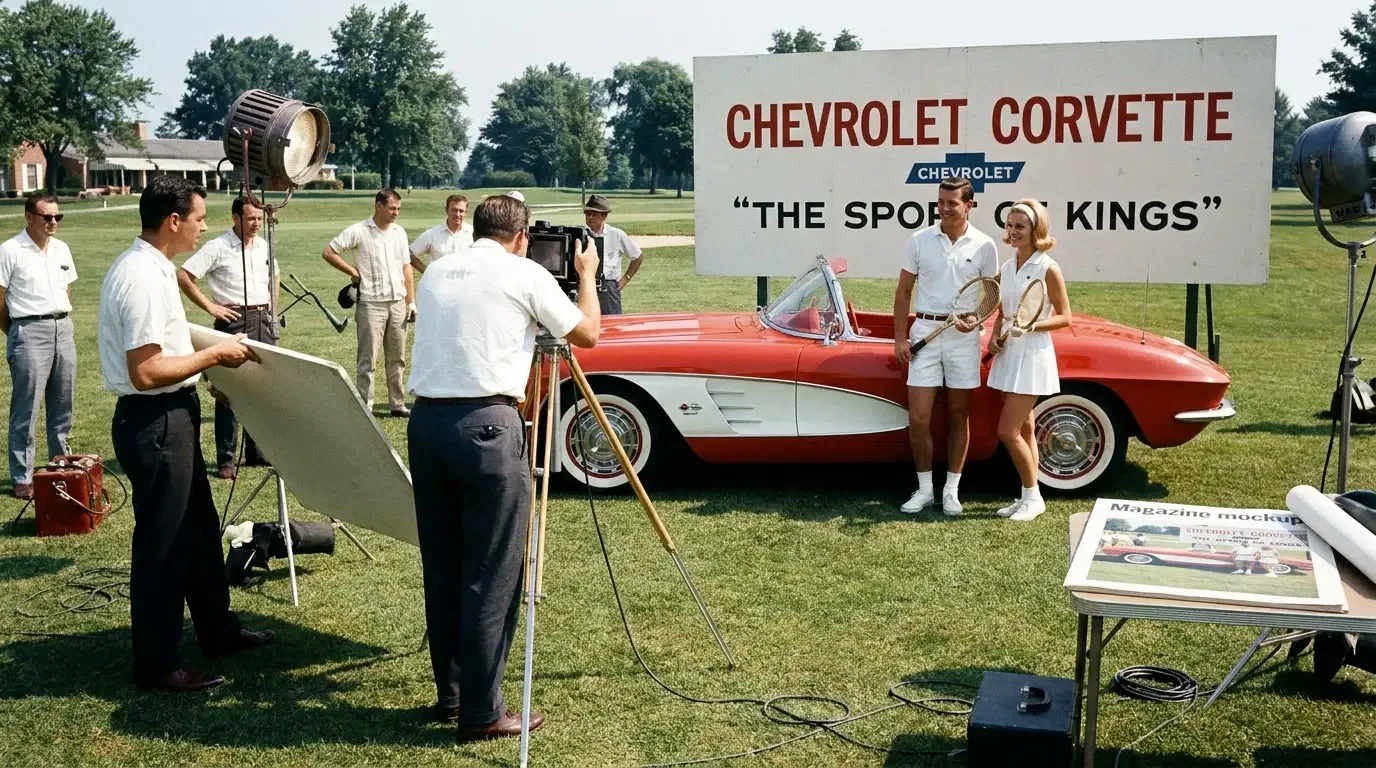
There is a moment in a 1954 Chevrolet print ad that tells you everything you need to know about how the Corvette entered American culture. Not through racing results or road-test numbers, but through an image: the car parked at a country club, top down, two people in tennis whites. The Corvette was not yet proven. It was aspirational. That gap between what the car actually was and what it was being sold as would define Corvette advertising for the next several decades.
Advertising made the Corvette what it is as much as any engineer did. The car has always performed a dual role, as an actual sports car and as a symbol of something broader: speed, freedom, American competence in a category that Europe had owned. The ads understood this. They sold the symbol first and the vehicle second, and they were right to do it.
The early years: selling a dream before the car earned it
The first Corvettes arrived in 1953 with a six-cylinder engine and a Powerglide automatic, which was not the configuration anyone wanted in a sports car. Chevrolet's advertising team faced a real problem: the car looked the part but did not yet perform it. The solution was to lean hard on image and almost entirely avoid specifications.
Early ads placed the Corvette in settings that communicated wealth and leisure. Sporting events. Beachside destinations. The company was positioning the car against the MG and Triumph imports that had carved out a buyer market in the early 1950s, but also against the Jaguar XK120, which is what serious buyers actually wanted. The ads rarely admitted this competition existed. They implied it through context.
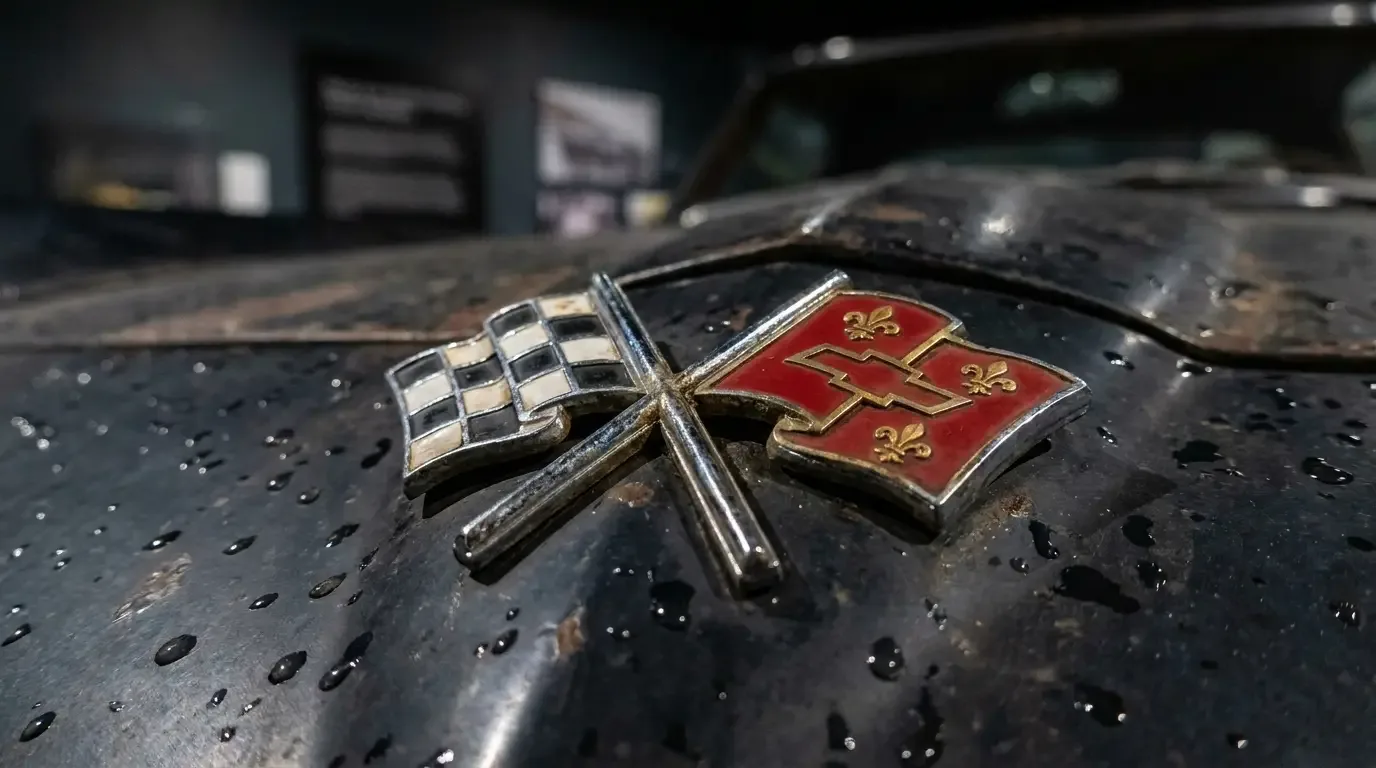
When the small-block V8 arrived in 1955 and the fuel-injected versions followed in 1957 (RPO 579B, rated at 283 hp at 6,200 rpm, achieving the landmark one horsepower per cubic inch; a cold-air variant coded RPO 579E carried the same factory rating), the advertising had more to work with. The "fuelie" 283 was a legitimate engineering achievement, and Chevrolet began incorporating performance language into the copy. Not numbers, exactly, but the vocabulary of speed: "road-bred," "sports-proven," "engineered for the open road." The claim of racing pedigree was being built.
The 1960s: performance advertising grows up
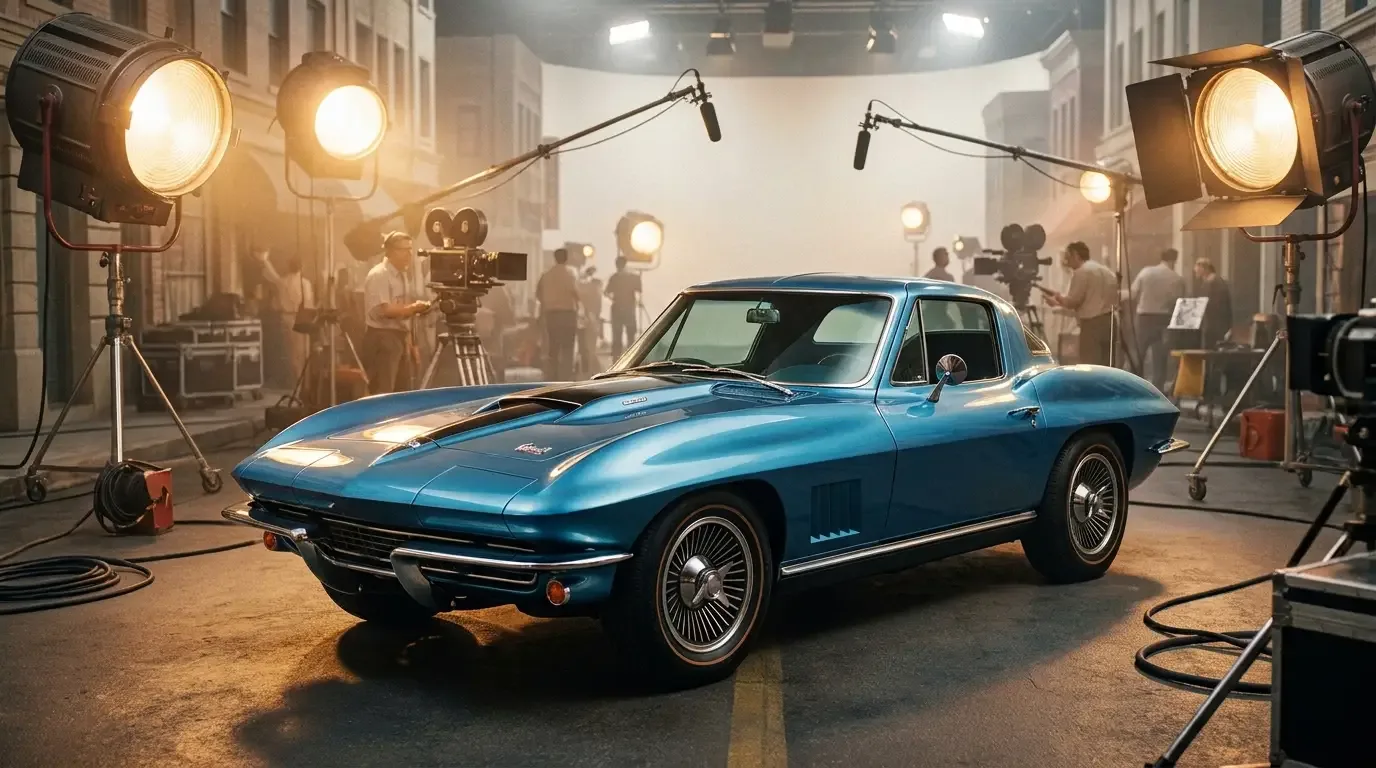
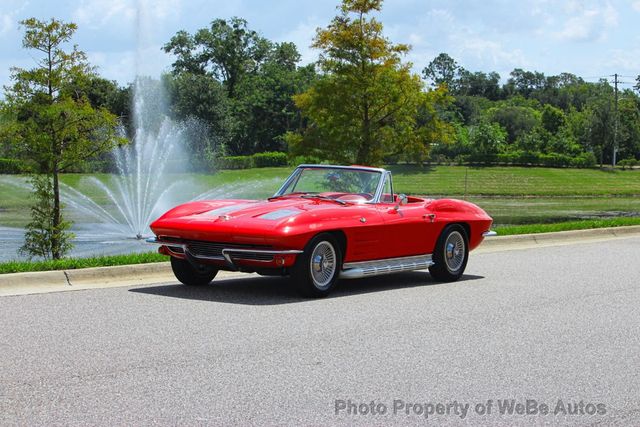
The C2 generation that arrived for 1963 gave the advertising department a car that could support much more aggressive claims. The Sting Ray coupe's split rear window became one of the most photographed automotive details of the decade, and Chevrolet knew it. The early C2 ads ran close-up photographs of the bodywork in ways that would have looked strange on a more conventional car. The shape itself was the argument.
By the mid-1960s, Corvette ads were running in publications like Road & Track and Car and Driver alongside actual road test coverage, which created a reinforcing loop. The ads promised performance; the magazines tested it and generally confirmed it; buyers arrived at dealerships having read both. This was sophisticated for its era. Chevrolet understood that Corvette buyers were a different audience from buyers of regular Chevrolet products, and they did not run the same advertising in the same places.
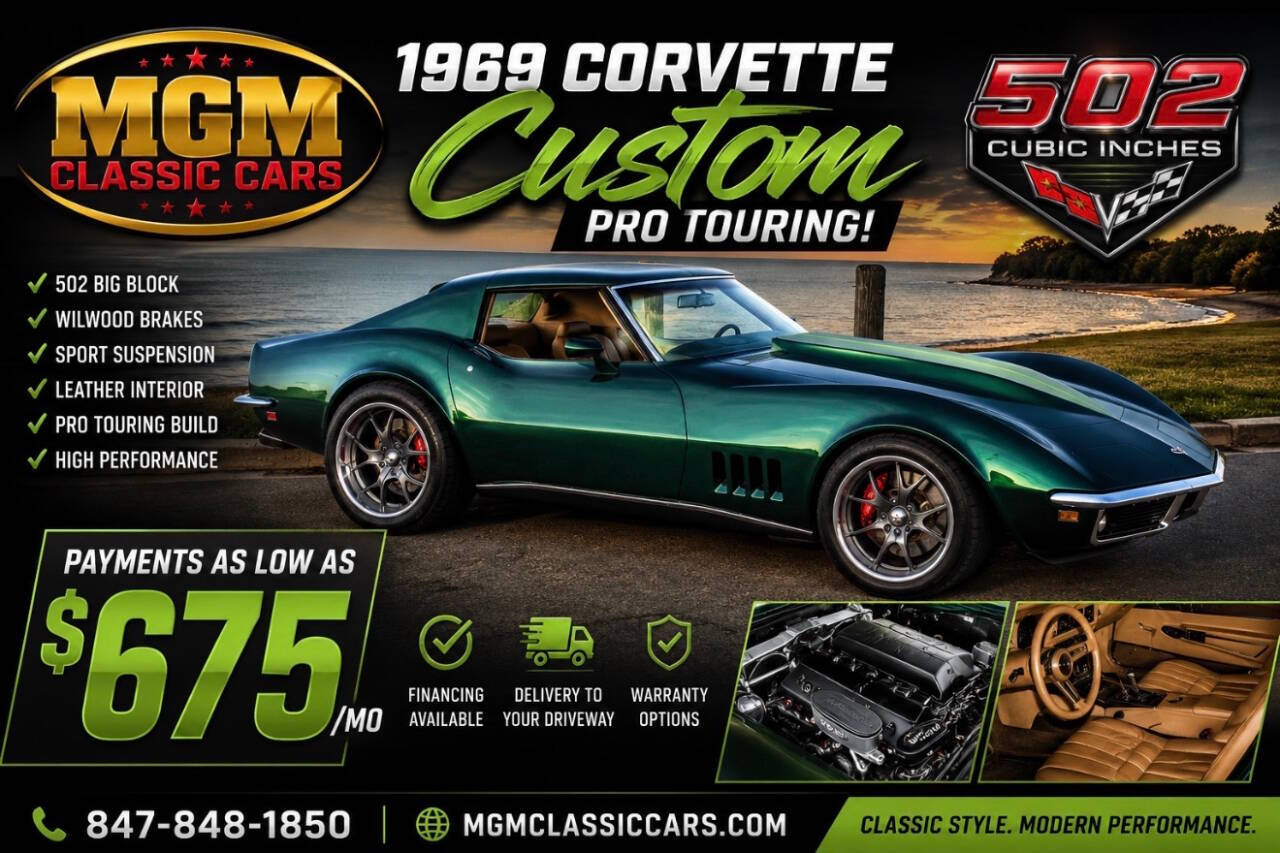
The big-block engines arrived in 1965 and the advertising accommodated them. Copy began citing displacement figures directly. "427" appeared in headlines from 1966 onward, once the 396 of 1965 gave way to the larger displacement. The horsepower wars were good for advertising copy because they gave writers something specific to say, and specificity is always more persuasive than vague claims about performance. If you want to understand the corvette in movies era, it starts here, in this period when the car became culturally legible as a symbol of American performance.
The 1969 L88 427 was one of the most under-advertised options in the car's history. Chevrolet officially rated the L88 at 430 hp, a deliberately conservative figure; actual output was estimated at 550 hp or more. Chevrolet deliberately downplayed the L88 in most consumer materials because it was a racing engine that required premium fuel and was genuinely unsuitable for street use. That absence from advertising is its own kind of story about how manufacturers have always managed the gap between what they build and what they say they build.
The 1970s: advertising a car through a difficult decade
The emissions regulations and fuel crisis of the early-to-mid 1970s hit the Corvette's advertising in ways that are uncomfortable to read now. A car that had been sold on horsepower had to pivot. The ads began emphasizing comfort, refinement, the experience of driving rather than the performance numbers. Copy talked about "touring" in a way that would have seemed odd in a 1965 Corvette ad.
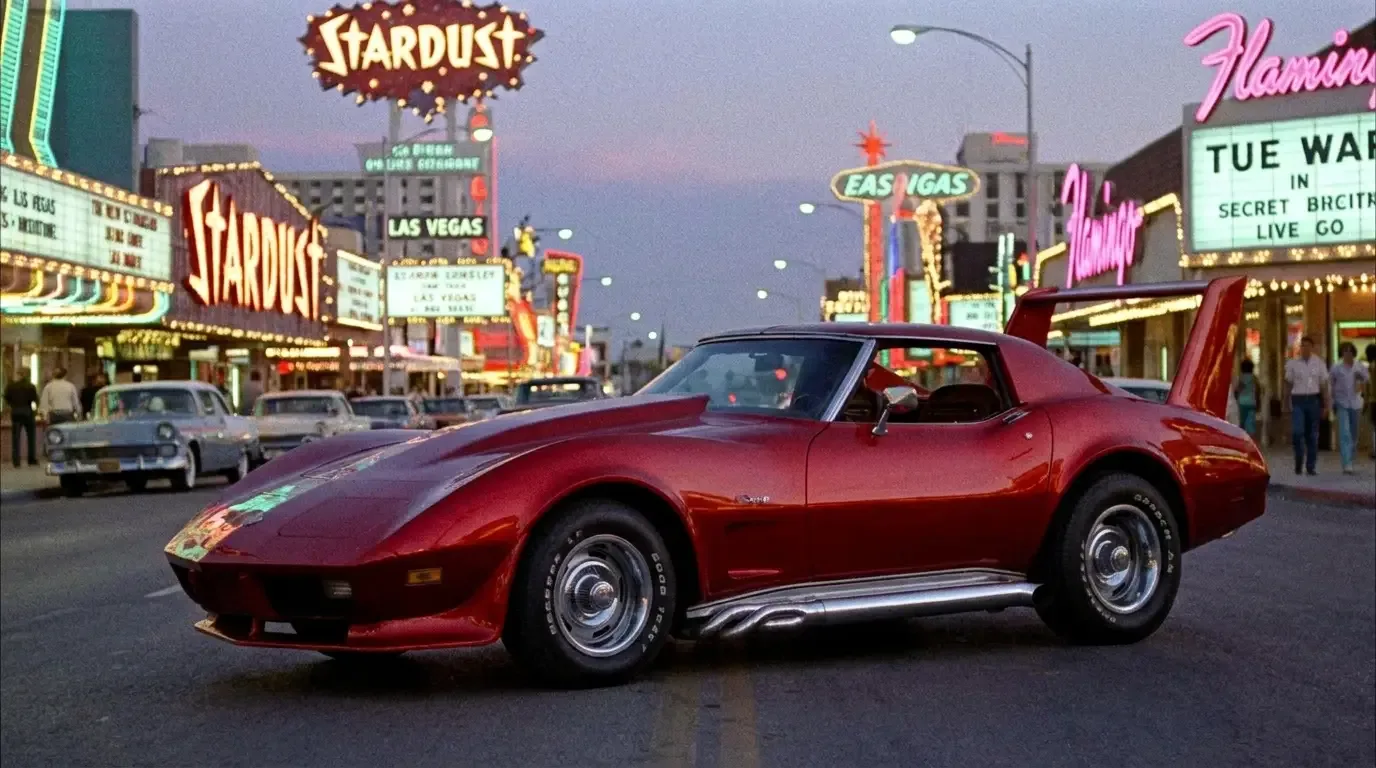
The 1978 Corvette received a fastback rear window and Silver Anniversary Edition, and it appeared in a film that summer that understood something the corporate advertising sometimes missed. If you want to see how the car read to a general audience in that period, read on for the full context of that cultural moment. The film used the Corvette as a symbol of desire and adolescent aspiration in ways that the official advertising, constrained by what the car had actually become mechanically, could not quite manage.
The late 1970s Corvette ads often leaned on heritage. They referenced the car's 25-year history, cited the racing legacy, reminded buyers where the line had come from. This backward-looking advertising was honest: the car's past was more compelling than its 1977 or 1978 performance specifications. Chevrolet's copywriters were working with what they had.
"The decade a car is hardest to advertise is usually the decade that tells you the most about what it means to people. You find out what's actually durable when the performance numbers stop working as the argument."
-- Patrick Walsh
The C4 era and the recovery narrative
The C4 that debuted for 1984 gave Chevrolet a story to tell again. The ads emphasized the return to performance, the new structure, the modern engineering. Copy referenced the engineering seriousness of the platform, including the development work that would eventually produce the ZR-1. The advertising positioned the C4 as a return to seriousness after the compromised years, which was a useful narrative even if it slightly overstated the continuity of decline.
The ZR-1 that arrived for 1990 brought a genuine headline: the LT5 engine, developed by Lotus Engineering and manufactured by Mercury Marine, produced 375 hp in its initial 1990-1992 form and 405 hp from 1993 onward following cylinder head and valvetrain revisions. It was a real engineering story. Chevrolet did not waste it. The ads ran in business publications as well as automotive titles, targeting buyers who had graduated from the hobbyist audience to something closer to the European GT buyer. The "King of the Hill" moniker, while not always used in official advertising, circulated in the enthusiast press and served the same function: it gave the car a narrative position.
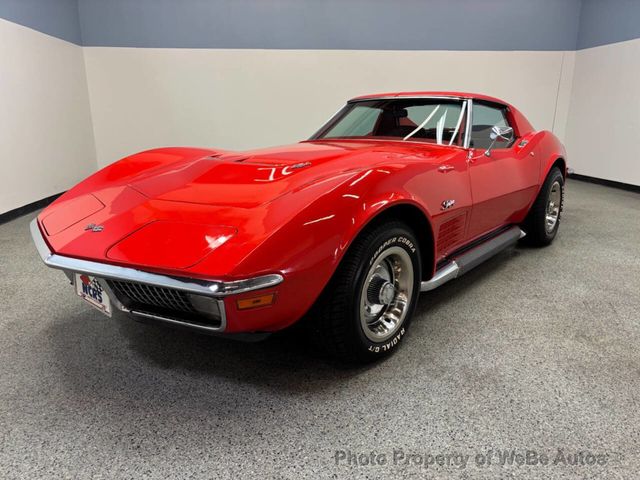
Pricing on ZR-1 examples in collector condition varies considerably by condition and mileage. Driver-quality cars typically trade in the low-to-mid $30,000s, while clean, low-mileage examples can reach $50,000 or more, and exceptional specimens have sold above six figures at auction. For buyers considering one, browsing classic Corvette for sale gives a real sense of what the market currently looks like across generations and conditions.
What the advertising record reveals
Reading Corvette advertising across seven decades is a compressed history of how American manufacturers have understood their buyers. The early ads sold status to an audience that wanted to feel European without buying European. The 1960s ads sold performance to an audience that had decided American meant fast. The 1970s ads sold heritage to an audience that was asked to feel proud of a car that could not fully deliver on its own history. The 1980s and 1990s ads sold recovery and seriousness to buyers who had waited through the compromise years.
None of this is cynical exactly. The advertising tracked the car's actual development, sometimes ahead of it and sometimes behind, but always in relationship to it. The Corvette is unusual among American cars in having an advertising history that is almost as documented and collected as the cars themselves. Original factory brochures from 1953 through the 1970s now trade for real money among collectors, which says something about how seriously buyers took those materials at the time.
The car never stopped being aspirational. That was the one constant across all the campaigns. Even in the worst years, when the specifications did not support the claims being made, the advertising managed to keep the Corvette somewhere above its actual performance. That gap between image and reality is not a failure. It is the mechanism by which a car becomes a symbol, and the Corvette has been one of the most durable symbols in American automotive culture for reasons that start, at least partly, in those early ads with the tennis whites and the country club setting.
Sources and notes
- Vette-Vues: 1957 Corvette Specifications -- confirmed RPO 579B (283/283 fuel injection, 283 hp) and RPO 579E (cold-air variant) option codes and pricing
- Corvette Action Center: L88 Engine Specifications -- confirmed official factory rating of 430 hp for the 1967-1969 L88 427, with actual output estimated at 550-570 hp
- Wikipedia: Chevrolet Corvette C4 -- confirmed Lotus Engineering designed the LT5 engine (not the standard C4 suspension); ZR-1 horsepower 375 hp (1990-1992) and 405 hp (1993-1995)
- MotorCities: Early Chevy Corvette Advertising -- context on Corvette print campaign history and positioning language across decades
- Classic.com: Chevrolet Corvette C4 ZR-1 Market -- current auction and private-sale data used to verify ZR-1 collector pricing
- Vette-Vues: 1963 Corvette Specifications and History -- confirmed the split rear window as a one-year-only feature and production figures for the C2 debut year