Why the Mustang became a screen and culture icon
Few cars have crossed from the showroom into the wider culture as completely as the Ford Mustang. Launched in April 1964, the original pony car arrived just as American film, television, and popular music were reaching a mass audience, and it photographed beautifully from every angle. The long hood, short deck, and aggressive stance gave directors a shape that read instantly on screen, while the affordable price tag put it within reach of the young buyers those same films were selling to. Within a few years the Mustang had become visual shorthand for freedom, youth, and a particular kind of American confidence.
This is the hub for the Mustang's cultural footprint, an overview of where the car showed up and why it mattered. The individual stories, the most famous chase, the most collectible screen cars, the advertising that built the legend, are deep subjects in their own right. If you want the complete model timeline behind these appearances, start with the Mustang's full story, which traces the car from the 1964 debut through the generations that kept it on screen for decades.
What follows is a tour through the Mustang in film, in music, in advertising, and in the broader idea of the American icon. The famous appearances are real and well documented, though some of the finer specifics, exact model years, engine codes, and which cars survive, are areas where enthusiasts still debate the record. Where a precise claim matters, treat it as a starting point for the deeper articles rather than the final word.
The Mustang on screen: a debut and a chase
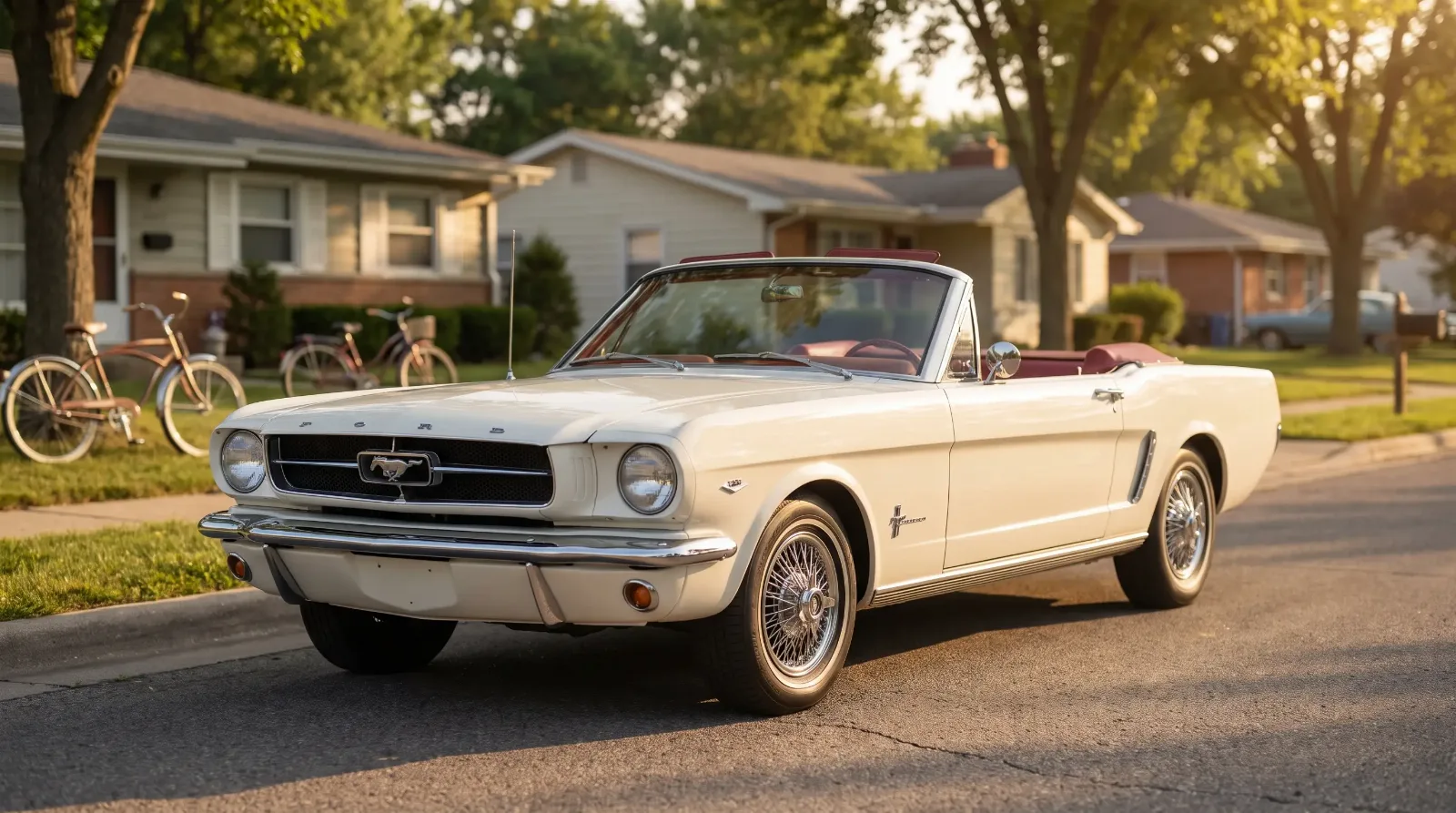
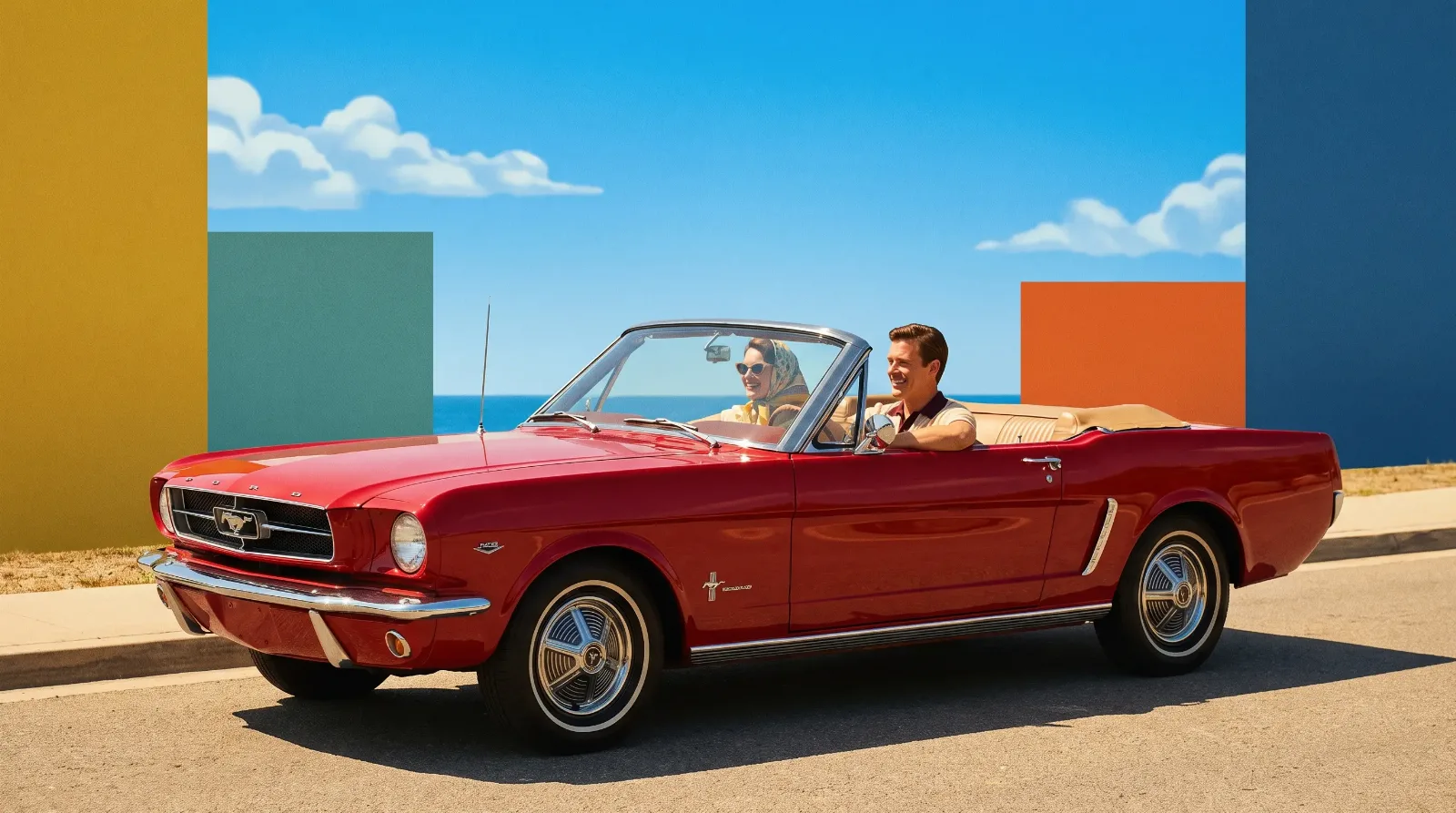
The Mustang's film career began almost as soon as the car did. The 1964 James Bond film "Goldfinger" featured an early Mustang convertible during a mountain-road sequence, putting the brand-new model in front of a global audience within months of its launch. Appearing alongside the era's most famous spy gave the Mustang an instant association with glamour and speed that Ford could not have bought outright.
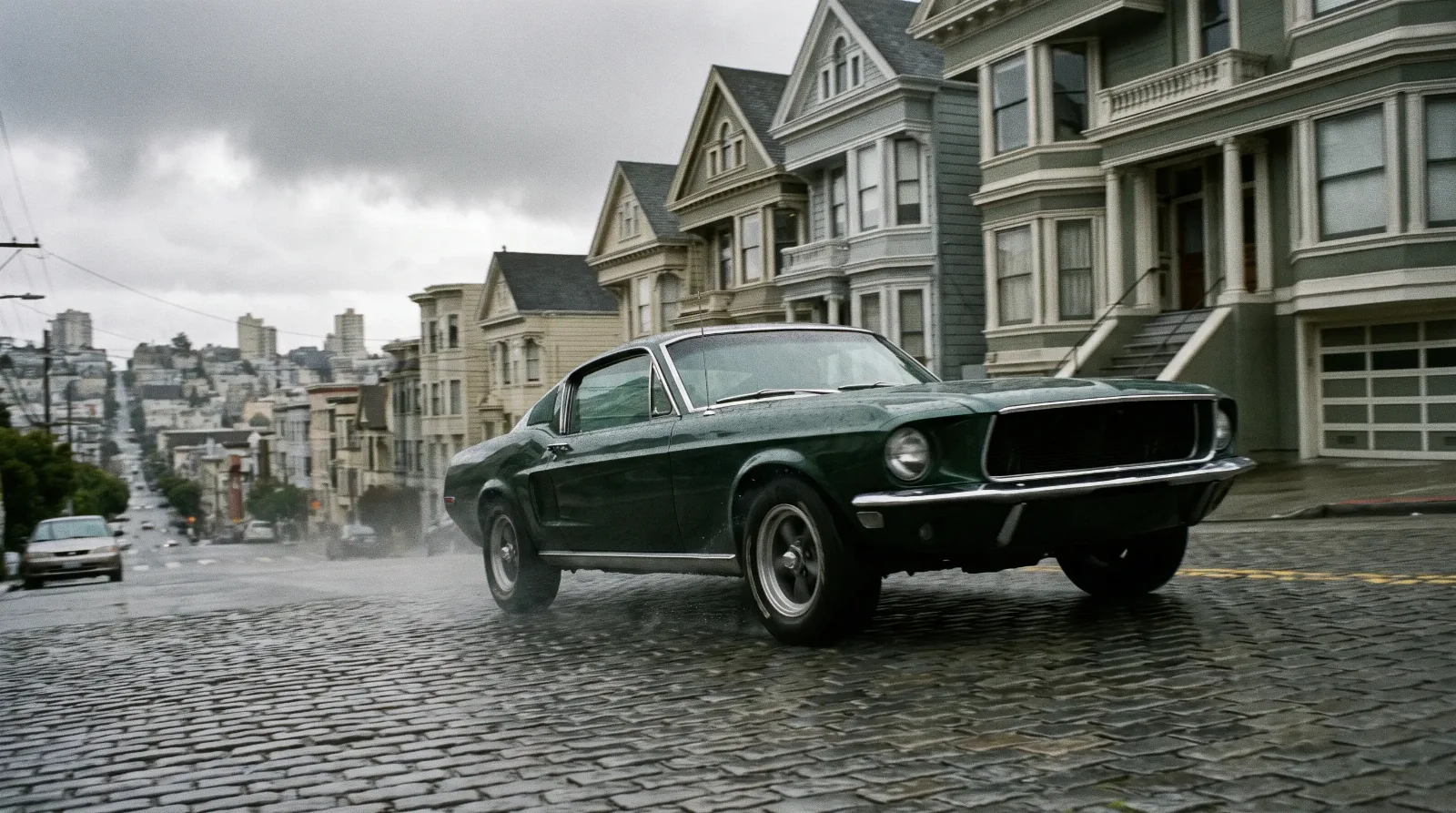
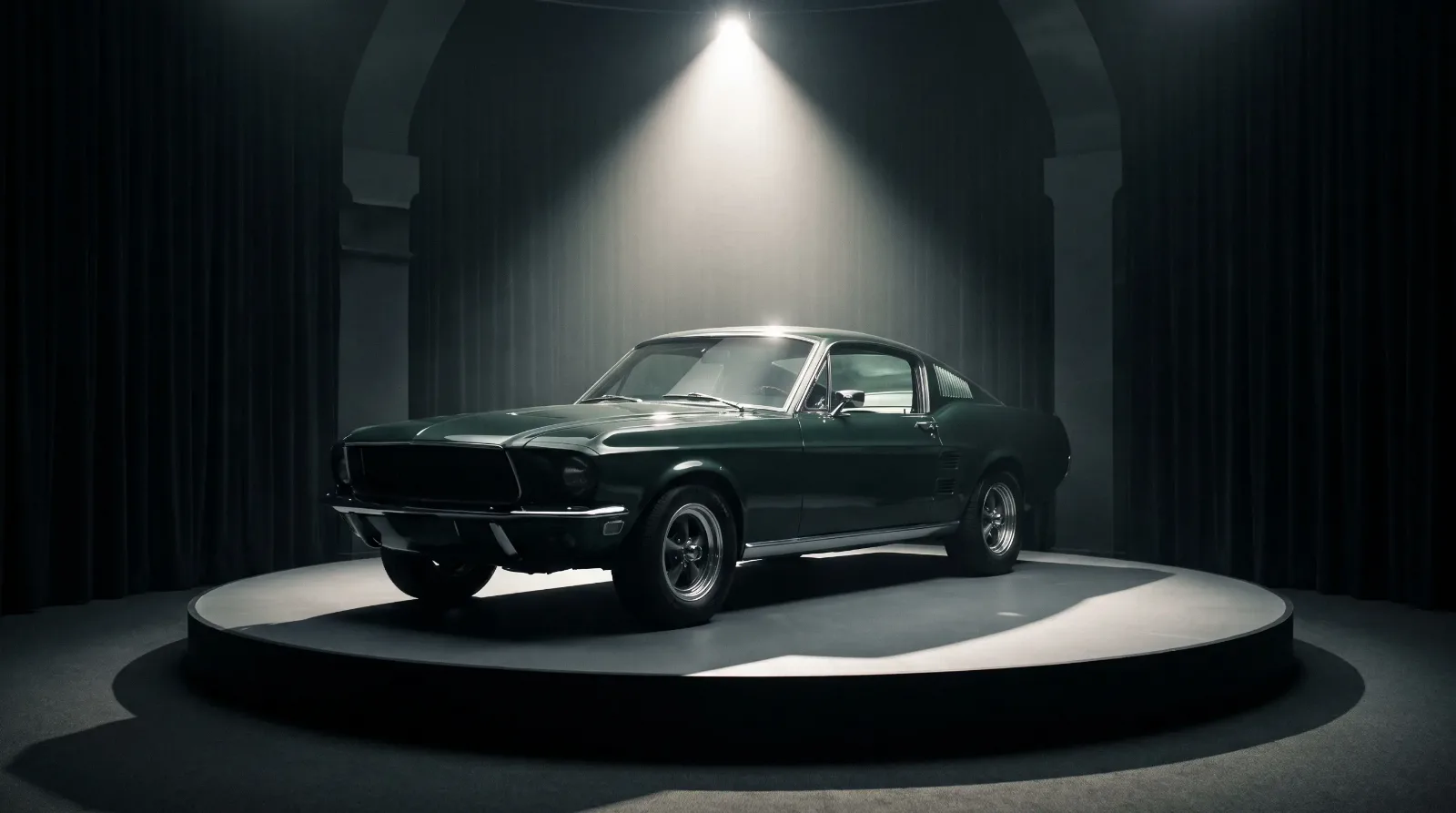
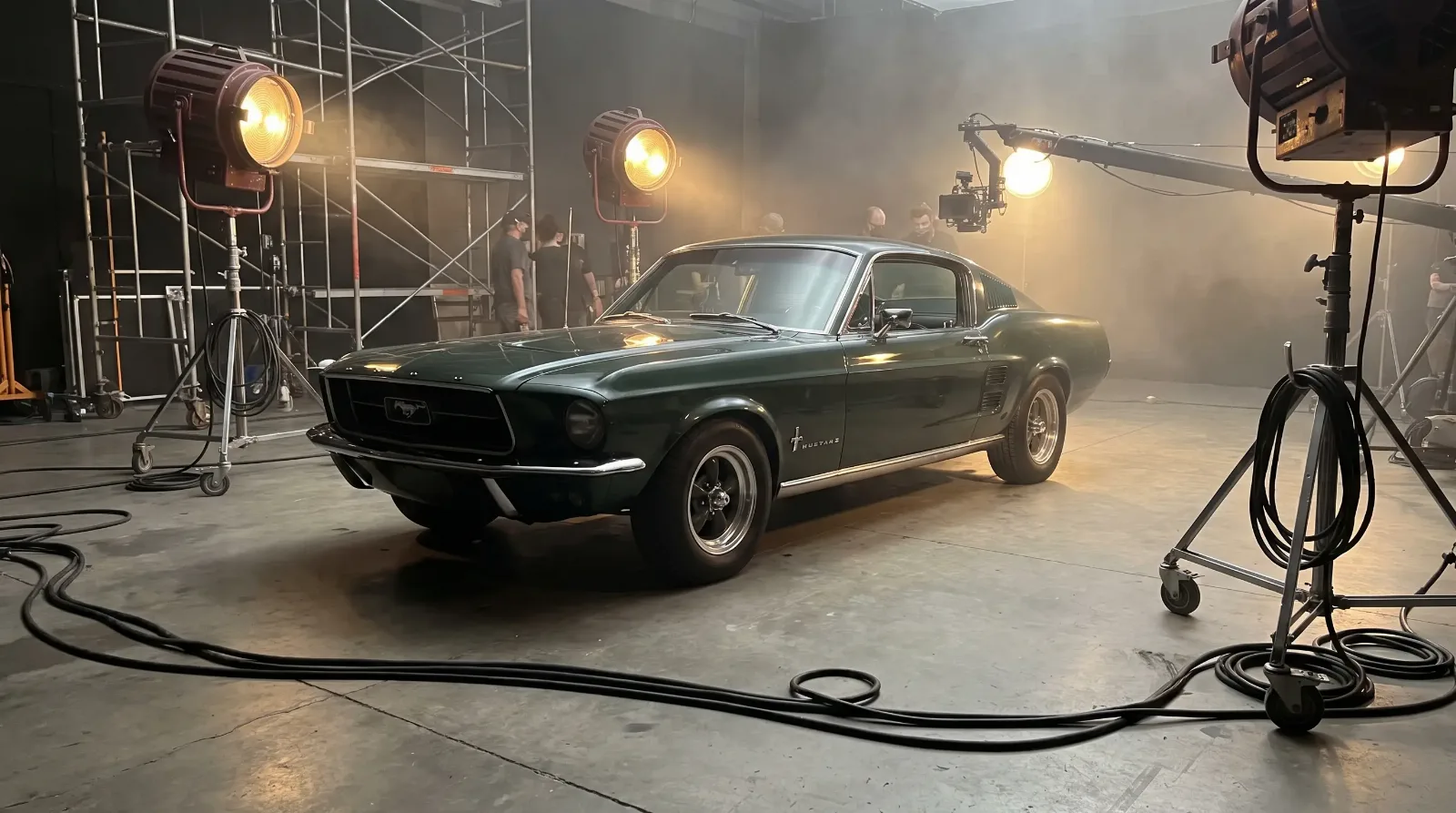
The defining moment came in 1968, when a fastback Mustang took the lead in one of cinema's most celebrated car chases through the streets of San Francisco. The steeply graded city blocks, the airborne suspension, and the deep V8 soundtrack turned a piece of action filmmaking into a cultural touchstone that fans still study frame by frame. The chase did more than sell tickets. It cemented the fastback Mustang as the cinematic muscle car, an image Ford has revisited in marketing and special editions ever since. That sequence is the clearest example of how the car drew on the origins of the pony car, the affordable, sporty formula that made the Mustang feel both attainable and thrilling on screen.
From the heist screen to the modern action era
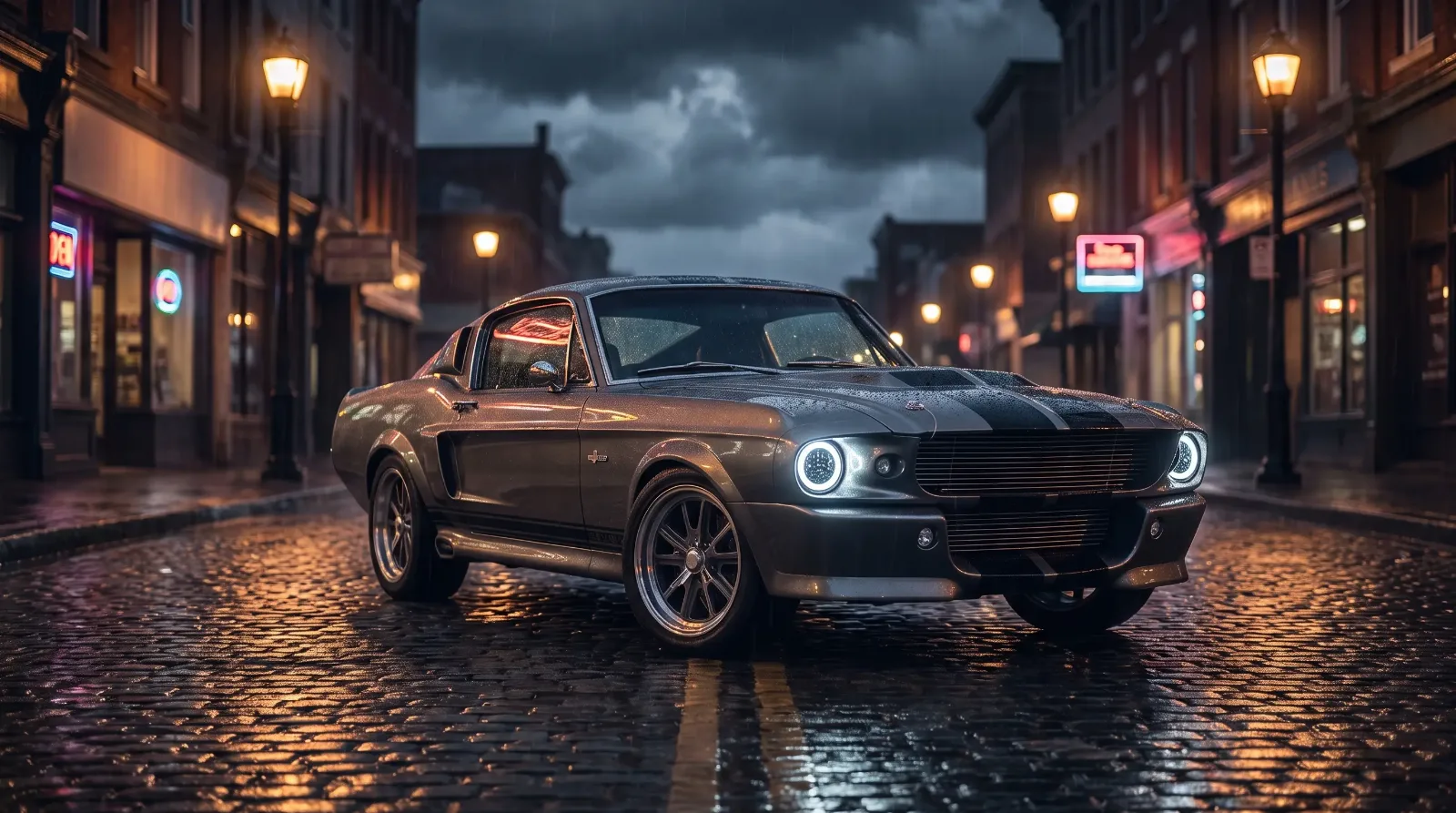
The Mustang's screen story did not end in the 1960s. A car-theft film first released in 1974, and remade in 2000, built much of its plot around a hard-to-steal Mustang nicknamed "Eleanor." The remake's customized fastback became one of the most recognizable movie cars of its generation, spawning a small industry of tribute builds and replicas. The name "Eleanor" is now so closely tied to the Mustang that many enthusiasts use it as shorthand for a particular grey-and-black customized style, even though the look was created for the screen rather than the factory.
In the modern action era the Mustang kept its place. The "John Wick" series put a classic Mustang at the center of its first film, using the car as both a plot device and a statement about its owner. The 2007 film "I Am Legend" famously paired its lead with a bright red Shelby GT500 Mustang prowling the empty streets of a deserted New York, an image that traded on the car's long association with American muscle. Across these films the Mustang plays a consistent role, the machine that signals its driver knows exactly what they are doing.
The Mustang in music and the wider soundtrack
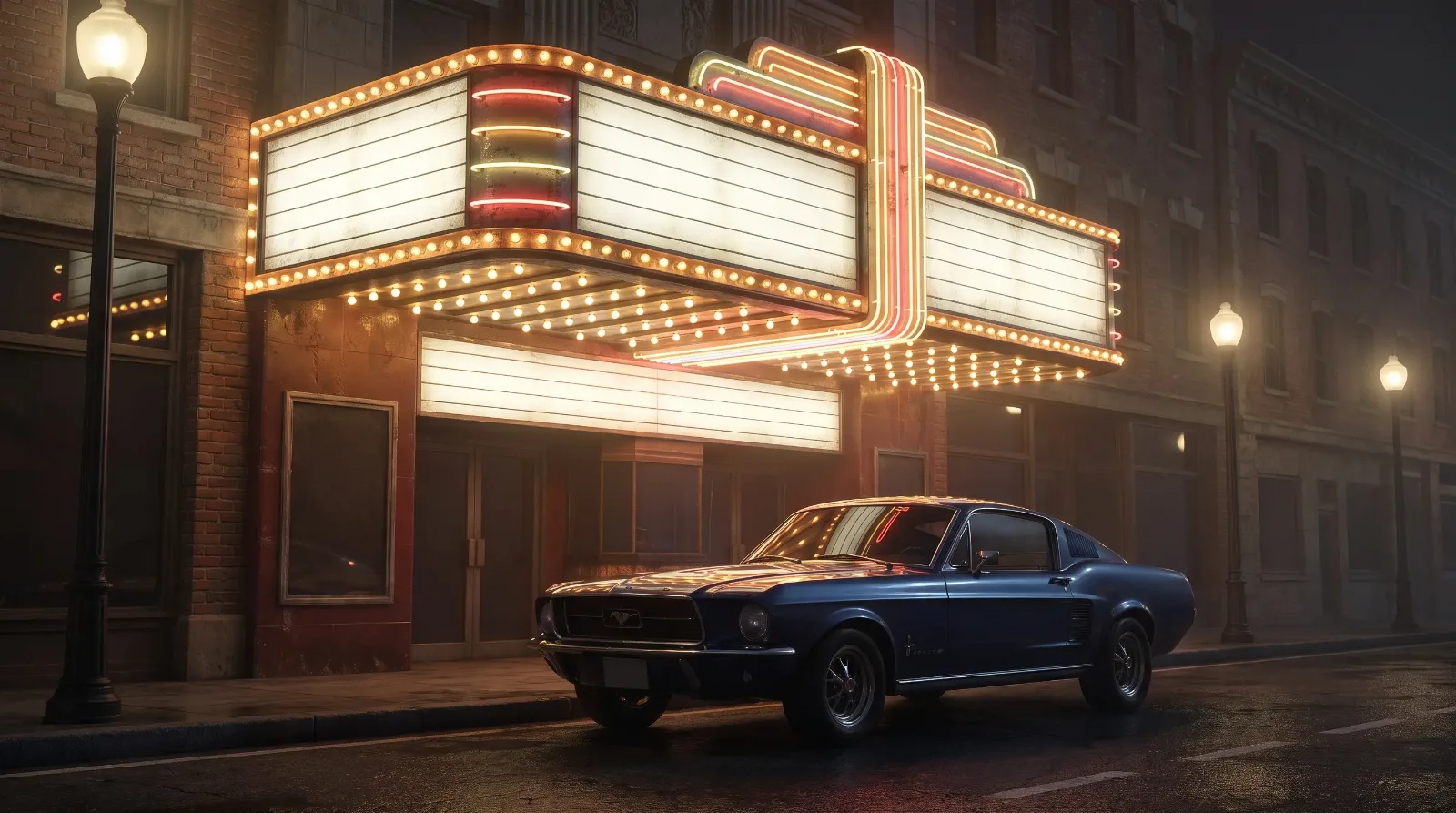
The car's cultural reach was never limited to the screen. In 1965 the rhythm-and-blues track "Mustang Sally" gave the model a place in the popular songbook, and the song's enduring popularity in covers and live sets has kept the name circulating for decades. The Mustang became one of the rare cars whose name doubles as a hook, sung by audiences who may never have thought about Ford's marketing at all.
Beyond a single famous song, the Mustang turned up across the music landscape of the 1960s and beyond, in lyrics, on album art, and in the garages of musicians who wanted a car that matched their public image. The pony car fit naturally into a youth culture built around records, radio, and the open road. That overlap between the music of the period and the car's own rise is part of why the Mustang reads as a symbol of an era rather than just a product of it.
"A car earns its place in the culture when people who have never driven one still know its name. The Mustang crossed that line within a year of launch, and it never came back."
— Patrick Walsh
The advertising that built the legend
Some of the Mustang's cultural power came straight from Ford's own marketing. The 1964 launch campaign was one of the most ambitious car introductions of its time, combining print, television, and showroom theater to reach buyers who had never considered themselves sporty-car people. The pitch was clever. The Mustang was affordable, customizable through a long options list, and styled to make an ordinary commute feel like an event. Advertising leaned on aspiration rather than horsepower alone, selling a feeling as much as a vehicle.
That campaign helped drive remarkable early demand, with first-year sales running far ahead of typical new-model expectations. The exact figures are well documented in Ford's own history, though enthusiasts should treat round numbers in casual retellings with care. What matters for the cultural story is that the advertising framed the Mustang as a car for everyone, a democratic sports car, and that framing stuck. Decades of later marketing, including tie-ins to the car's most famous film appearances, built directly on that 1964 foundation.
Notable screen and culture appearances by decade
The table below gathers the Mustang's best-known cultural moments by decade. It is an overview rather than a complete filmography, and the deeper articles in this silo treat the most important entries in full. Specific model years and engine details for screen cars vary by source and customization, so the descriptions here stay at the level the record reliably supports.
| Decade | Appearance | Medium | Cultural note |
|---|---|---|---|
| 1960s | James Bond "Goldfinger" | Film | Early white convertible debut, global exposure at launch |
| 1960s | San Francisco chase film (1968) | Film | Fastback in a landmark car chase, defining muscle image |
| 1960s | "Mustang Sally" | Music | Put the model name into the popular songbook |
| 1970s | Car-theft film (1974) | Film | Introduced the "Eleanor" Mustang to the screen |
| 2000s | Car-theft remake (2000) | Film | Customized fastback became a tribute-build icon |
| 2000s | "I Am Legend" (2007) | Film | Red 2007 Shelby GT500 in a deserted New York |
| 2010s | "John Wick" | Film | Classic Mustang central to the first film's plot |
The Mustang as an enduring American icon
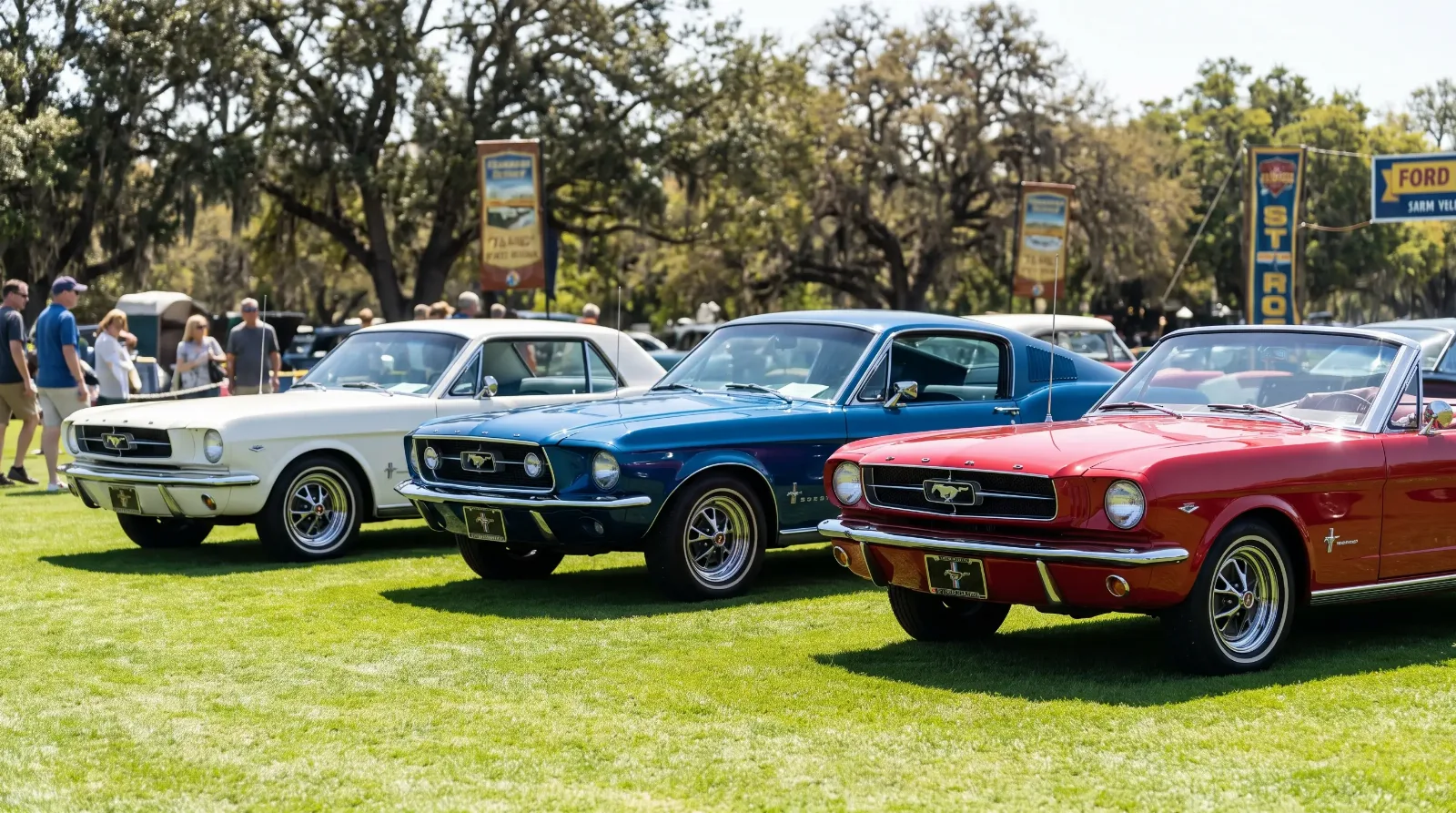
Add the films, the songs, and the advertising together and the result is a car that functions as a national symbol. The Mustang shows up in museum collections, in period photographs of the 1960s, and in the visual language any director reaches for when a scene needs to feel distinctly American. Its name has been borrowed for aircraft associations, fashion, and countless products that have nothing to do with cars, a sign of how thoroughly the badge escaped the showroom. The galloping pony emblem became a logo recognized far beyond the people who could name the engine under the hood, and the silhouette of the first-generation car still signals American performance in everything from advertising to album sleeves.
That iconic status is also why the classic Mustang remains so collectible and so heavily referenced in restoration culture today. Owners are not just buying a car, they are buying into a story that ran in parallel with film, music, and advertising for more than half a century. For readers who want to move from the cultural overview to the cars themselves, browse the current selection of classic Mustangs for sale and see how the models behind these screen and culture moments come up for ownership. The deep-dive articles in this silo take each of these threads, the chase, the heist cars, the advertising, and the music, and follow them all the way down.
Sources and notes
This article is an editorial overview written for enthusiasts. Screen-car details, model years, and engine specifications are drawn from the sources below and from public reporting; customizers and productions frequently modified cars, so individual claims should be treated as a starting point rather than the final word. The external sources below are provided for verification and were checked at the time of writing.
- James Bond Wiki — Ford Mustang Convertible (1964.5), "Goldfinger"
- Wikipedia — "Bullitt" (1968), Highland Green Mustang GT fastback chase
- Wikipedia — Eleanor (automobile), "Gone in 60 Seconds" 1974 and 2000
- Wikipedia — "Mustang Sally" (Mack Rice, 1965; Wilson Pickett, 1966)
- Jalopnik — John Wick's 1969 Mustang (a Mach 1, billed on screen as a Boss 429)
- Carscoops — 2007 Shelby GT500 from "I Am Legend"