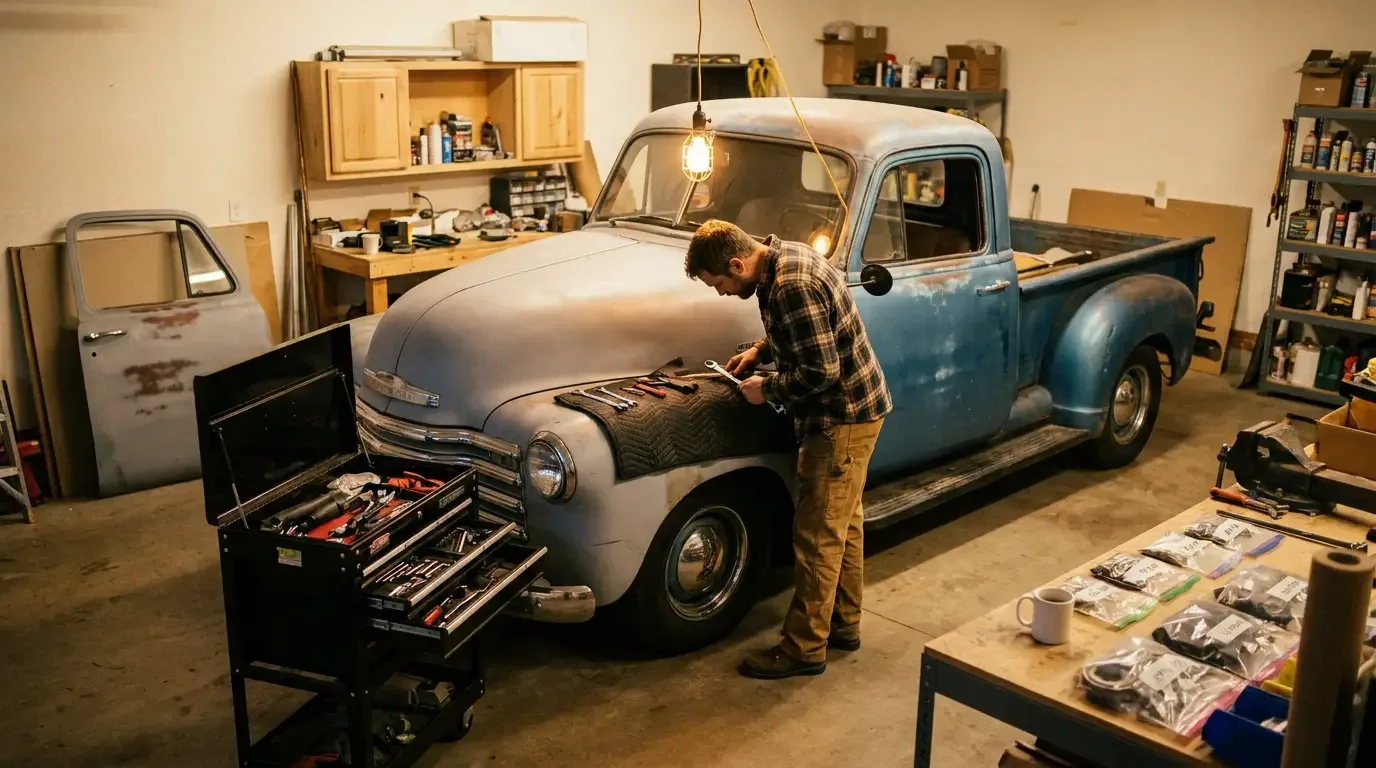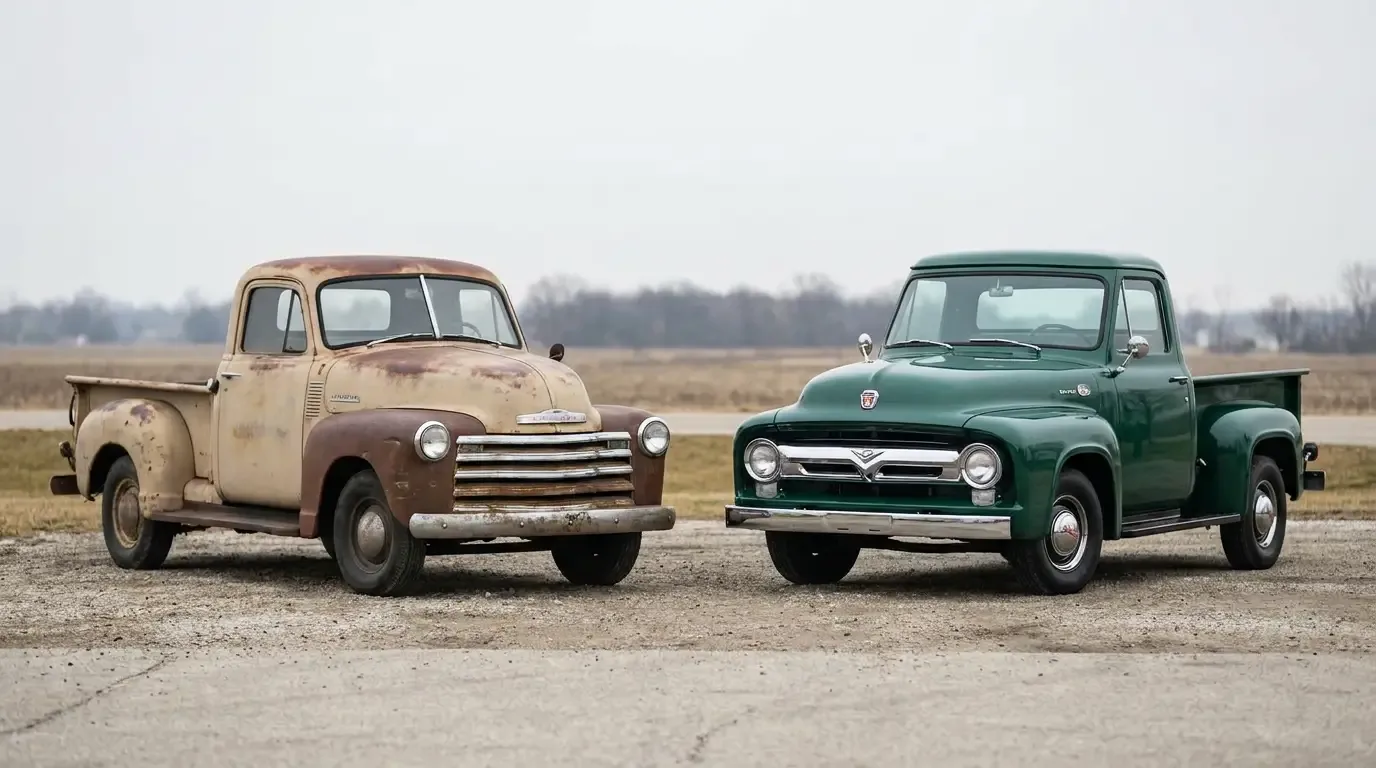
Rust is the one thing that will decide whether a vintage pickup is a weekend project or a money pit. Everything else you can rebuild. Engines, brakes, wiring, interiors, all of that is bolt-on work you can plan and budget. Metal is different. Once the tin worm gets into the structure of a truck, the repair bill stops being about parts and starts being about hours in the booth with a welder and a grinder. If you are working through a full how to restore a classic truck plan, rust assessment is the first honest conversation you need to have with the vehicle.
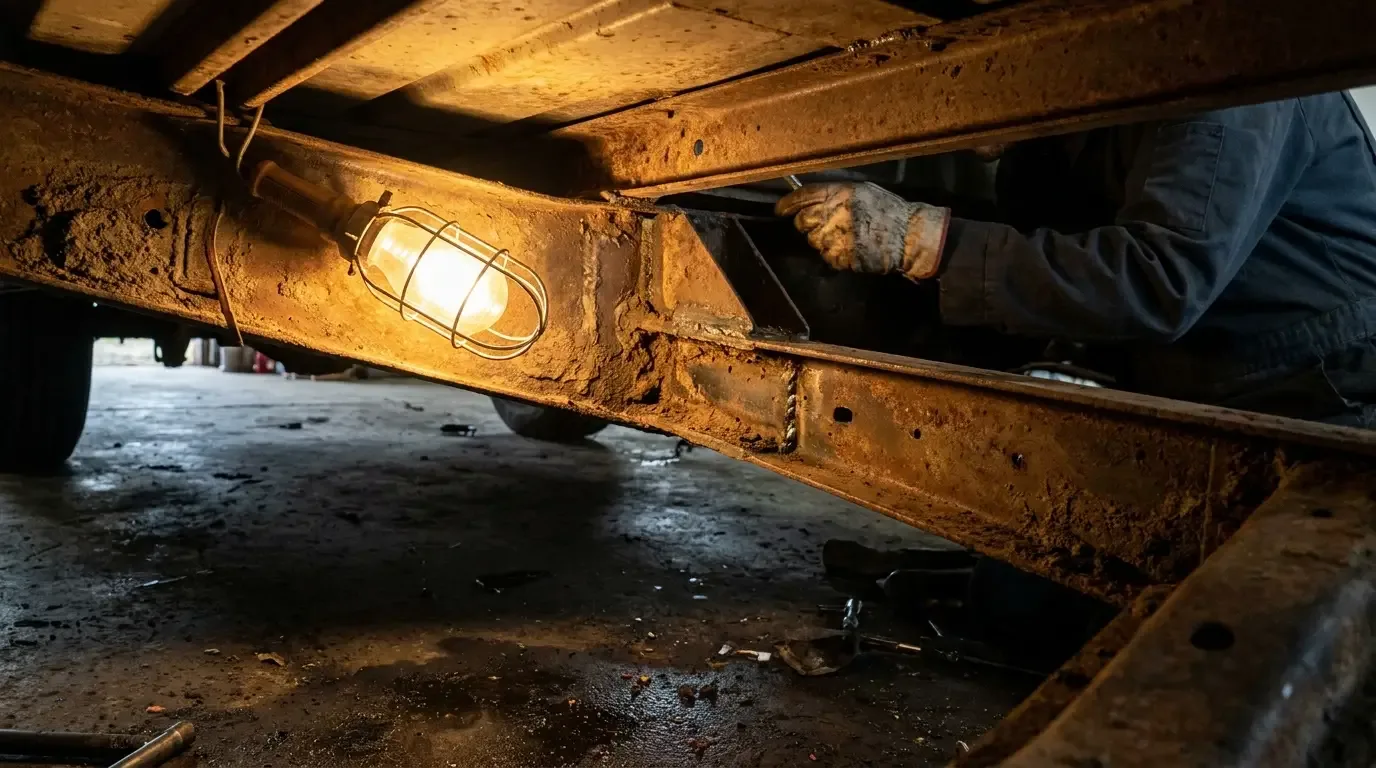
The good news is that vintage trucks rot in predictable places. Get under one with a bright light, not a flashlight held at arm's length, and you can usually tell in twenty minutes whether you are looking at surface scale or structural failure. Below are the spots that matter, in the order I check them.
Cab corners and rocker panels
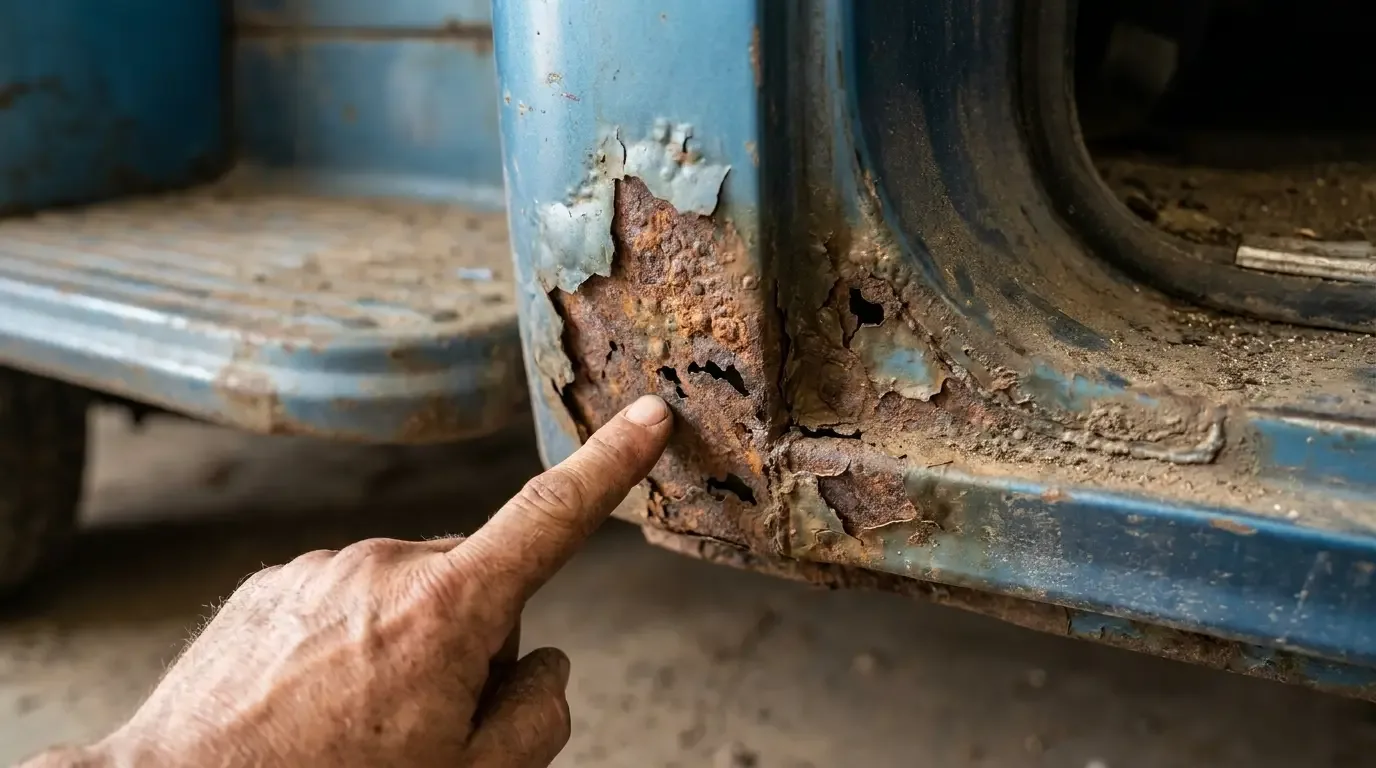
Start at the bottom of the cab. Cab corners, the lower back edges of the cab behind the doors, are the single most common rust point on almost every classic pickup. Water runs down the rear window channel, collects in the corner seam, and sits there for decades. On trucks that lived in the northern salt belt you will often find the corners gone entirely, with rot creeping up into the back panel and forward into the rocker.
Rockers run along the bottom of the cab under the doors. They are structural. A truck with rotten rockers has lost some of its rigidity, and doors that once shut with a solid thunk will start to sag and catch. Push a screwdriver against the inside lip of the rocker. If it goes through with light pressure, the panel is done, no matter how good the outer skin looks from three feet away.
The saving grace here is reproduction panels. Cab corners and rocker panels for the common American trucks of the 1947 to 1972 era are made new by several suppliers, and they are not expensive. Expect roughly $30 to $120 for a cab corner and a bit more for a full rocker. The cost is in the labor, not the steel. Cutting out the old metal cleanly, fitting the repro panel, and welding it in without warping the surrounding sheetmetal is a real skill.
Cab floors and toe boards
Pull the seat and the mats and look at the floor. Cab floors rot from two directions. Water gets in past worn door seals, a leaking windshield gasket, or a bad cowl vent seal, and it pools in the low spots. From underneath, road spray and salt do the rest. The worst rot is usually under the driver's feet, at the toe board where the floor curves up to the firewall, and along the seat riser where a channel traps debris.
Floors are almost always a replace job, not a patch. A rusty floor is rarely rusty in just one small spot. By the time you can see a hole, the surrounding metal is thin and pitted for six inches in every direction. Trying to patch it with small pieces is a false economy. You spend hours fitting a patch to metal that will rot through again next winter.
Full floor pans and half-floor sections are reproduced for most popular trucks. A full pan runs roughly $200 to $600, with half-floor sections coming in cheaper. The important thing is what the floor is attached to underneath, which brings me to the part people skip.
Bed floors, wheel arches, and bedsides
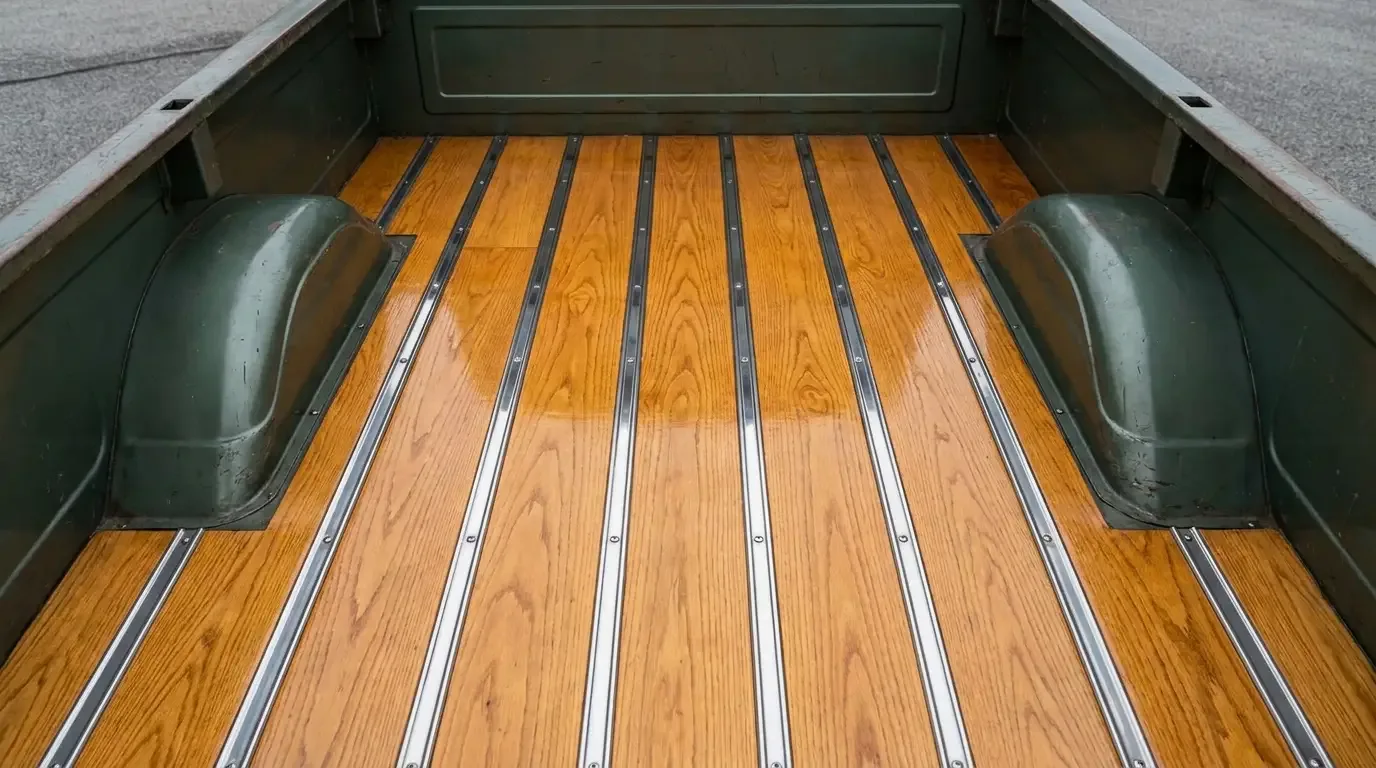
The bed takes abuse from cargo above and road spray below. Steel bed floors rust between the bed strips where water sits, and they rust badly at the front where the bed meets the cab. On a stepside, the rear fenders rust along their inner arch and where they bolt to the bed. On a fleetside or styleside, the lower bedsides rust from the inside, usually starting behind the rear wheel where mud packs in.
Beds are where you get to make an honest choice about originality. A pitted but solid steel bed floor can be cleaned and coated. A rotten one can be replaced with new steel, or you can go to a wood bed floor with steel strips, which many of these trucks wore from the factory anyway. Wood is often cheaper than a full steel bed floor and, done right, looks the part.
🔧 Inspection Priorities
- Cab corners. The number one rust point. Repro panels are cheap, but poor welding warps the whole quarter. Budget labor, not just parts.
- Cab mounts. Hidden and structural. A failed mount is a safety issue and a real headache to fix. Check before you buy the truck.
- Cab floor and toe boards. Almost always a full pan replacement once you see daylight. Roughly $200 to $600 in steel.
- Rockers. Structural. Test with a screwdriver on the inside lip, not just a knock on the outside.
- Lower bedsides and wheel arches. Cosmetic but visible. Rots from the inside, so clean out packed mud and inspect the back of the panel.
Cab mounts and hidden structure
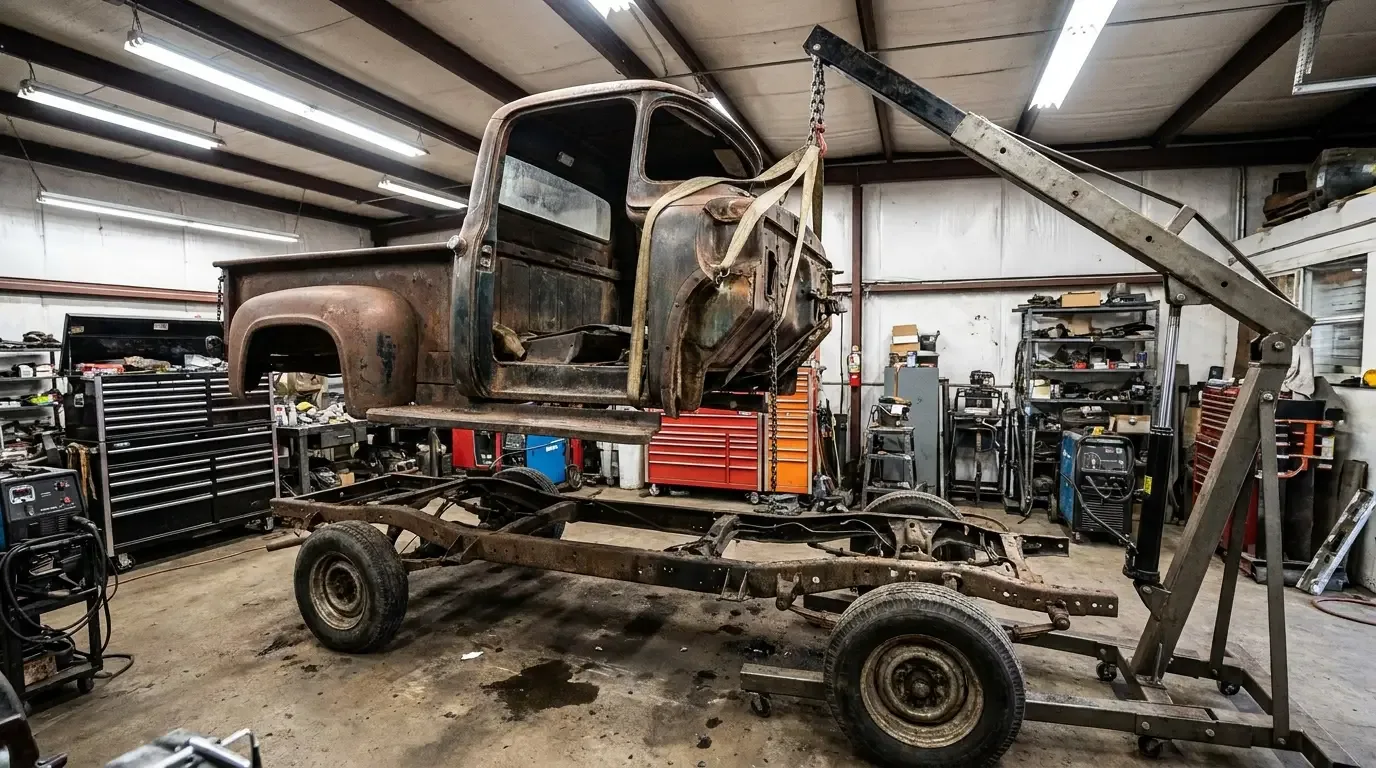
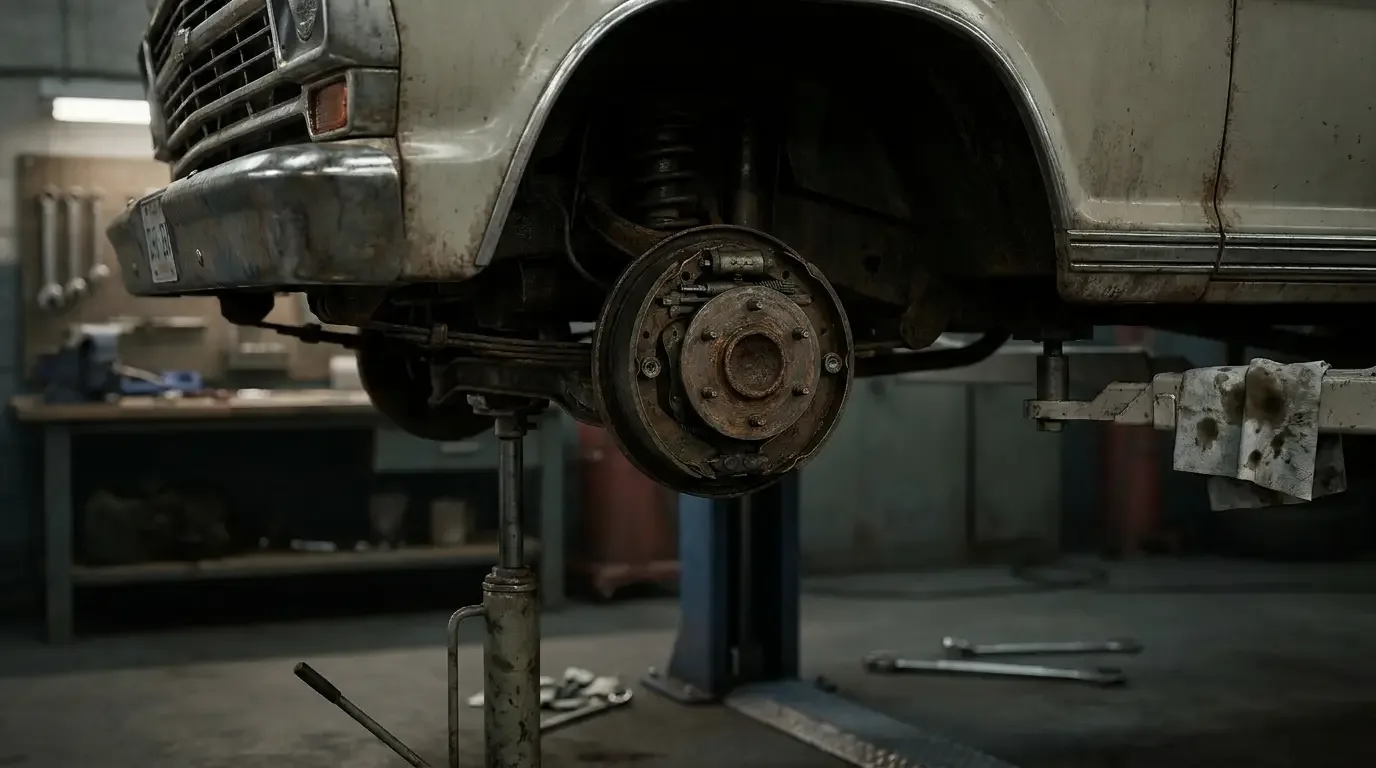
This is the one that gets missed, and it is the one that matters most. The cab sits on the frame at several points through rubber mounts and steel mounting pads. Those pads and the surrounding cab structure trap water and rot from the inside. A truck can have a straight, shiny body and rotten cab mounts, and you will never see it from the outside.
Get under the truck with your light and look up at where the cab bolts to the frame, front and rear. If the mounting area is scaly, flaking, or you can see repair plates already welded in, factor that into the price hard. Fixing a cab mount means supporting the cab, cutting out the rotten structure, and fabricating or welding in a repro mount kit. It is not a beginner job and it is not cheap.
"A shiny truck with rotten cab mounts is a truck that lied to you. I have watched people fall in love with the paint and never once put the thing on a lift. Get under it with a light. The truck tells you the truth from below, always has."
— Robert Halloran
Patch or replace, and knowing when to walk
The rule I use is simple. Patch cosmetic rust, replace structural rust. A small bubble in a fender lip is a patch. A rotten rocker, floor, cab corner, or cab mount is a replacement, because those parts do a job beyond looking good. Trying to save a few dollars patching structure is how a cheap truck becomes an expensive one.
Reproduction panels have changed this hobby. For the mainstream American pickups, you can buy nearly every rust-prone panel new, which means the question is almost never "can it be fixed." It can. The question is how many hours it takes and whether the truck is worth those hours. A truck that needs corners, rockers, a floor, and cab mounts is a full metal restoration whether or not the seller calls it a runner. Price it that way.
| Rust area | Typical fix | Approx. panel cost |
|---|---|---|
| Cab corners | Replace with repro panel | $30 to $120 each |
| Rocker panels | Replace, structural | $40 to $150 each |
| Cab floor pan | Replace full or half pan | $200 to $600 |
| Bed floor | Replace steel or fit wood | $200 to $500 |
| Cab mounts | Cut out, weld repro kit | $50 to $150 plus heavy labor |
Know when to walk. If the frame itself is rotten, and I mean the boxed rails and crossmembers, not just surface scale, that is a different level of project. Sheetmetal you can buy. A sound frame you cannot easily replace. When the bones are gone, the cheapest path is often to find a better truck and use the one in front of you for parts.
Sources and notes
- Factory service and body manuals for period American light trucks (panel locations, cab mount details).
- Reproduction panel catalogs from restoration parts suppliers (panel availability and price ranges).
- Period road tests and truck registry guides (body construction and known rust points).
- Restoration shop practice and hands-on inspection experience (patch vs replace judgment, weld-through and cavity sealing).