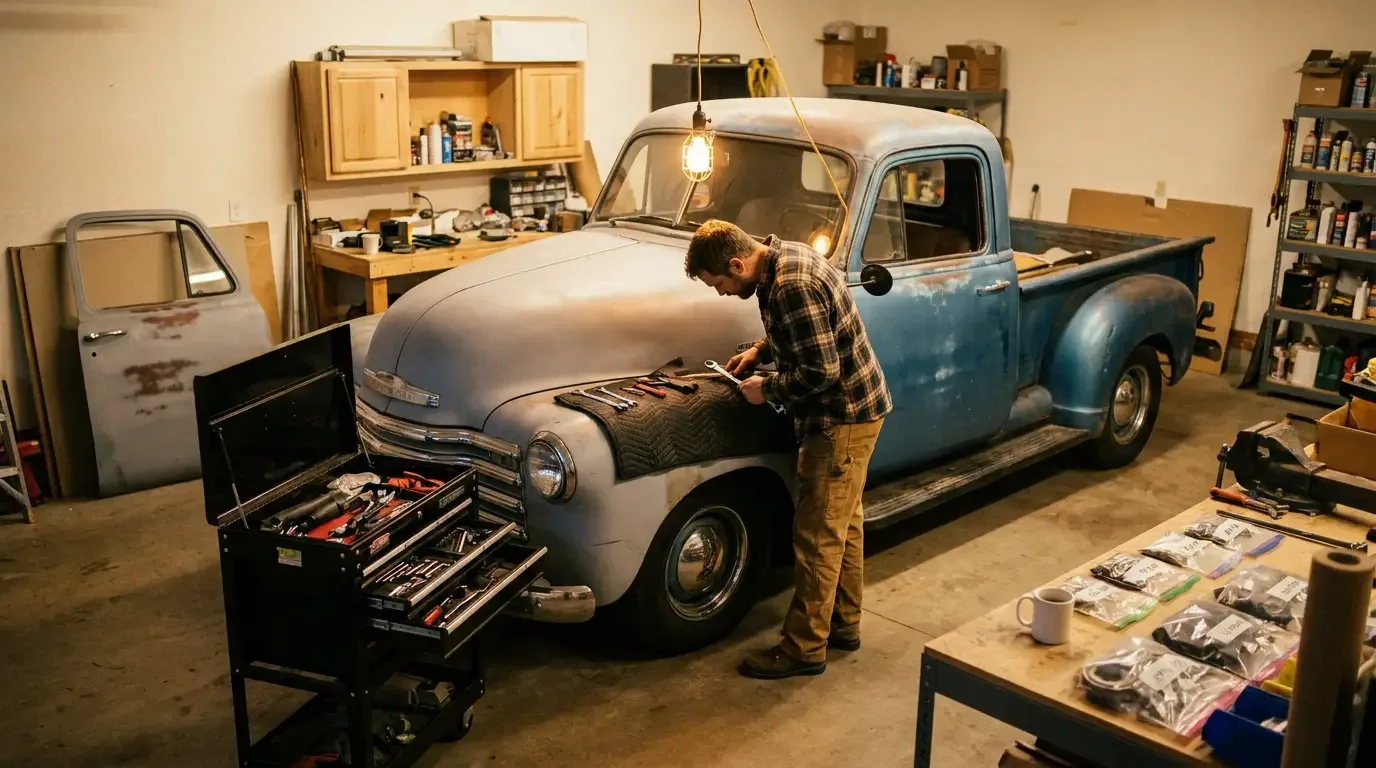
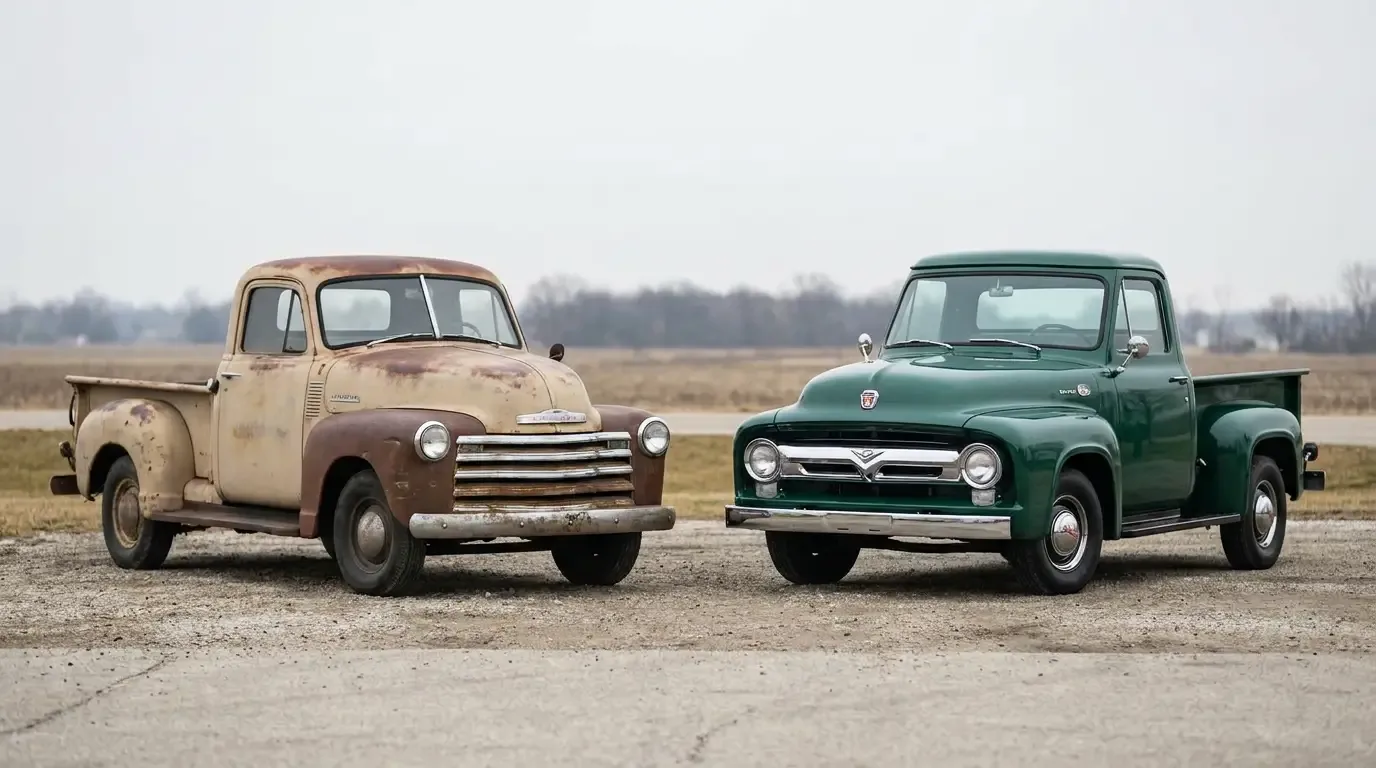
I've stood in enough barns and driveways looking at old trucks to tell you this debate isn't settled, and it shouldn't be. One man wants his grandfather's pickup exactly as it sat when the old man parked it, sun-faded paint and all. The next guy wants it back to the day it rolled off the line, straight panels and glossy paint. Both can be right. What matters is that you understand what you're giving up before you sand off sixty years of history, because you can't put it back.
This is the patina versus restored trucks argument, and for pickups it plays out differently than it does for sports cars or luxury sedans. A truck was a tool. The dents and scrapes mean it worked. That changes how a lot of people, buyers included, feel about leaving it alone.
What patina actually is, and what it isn't
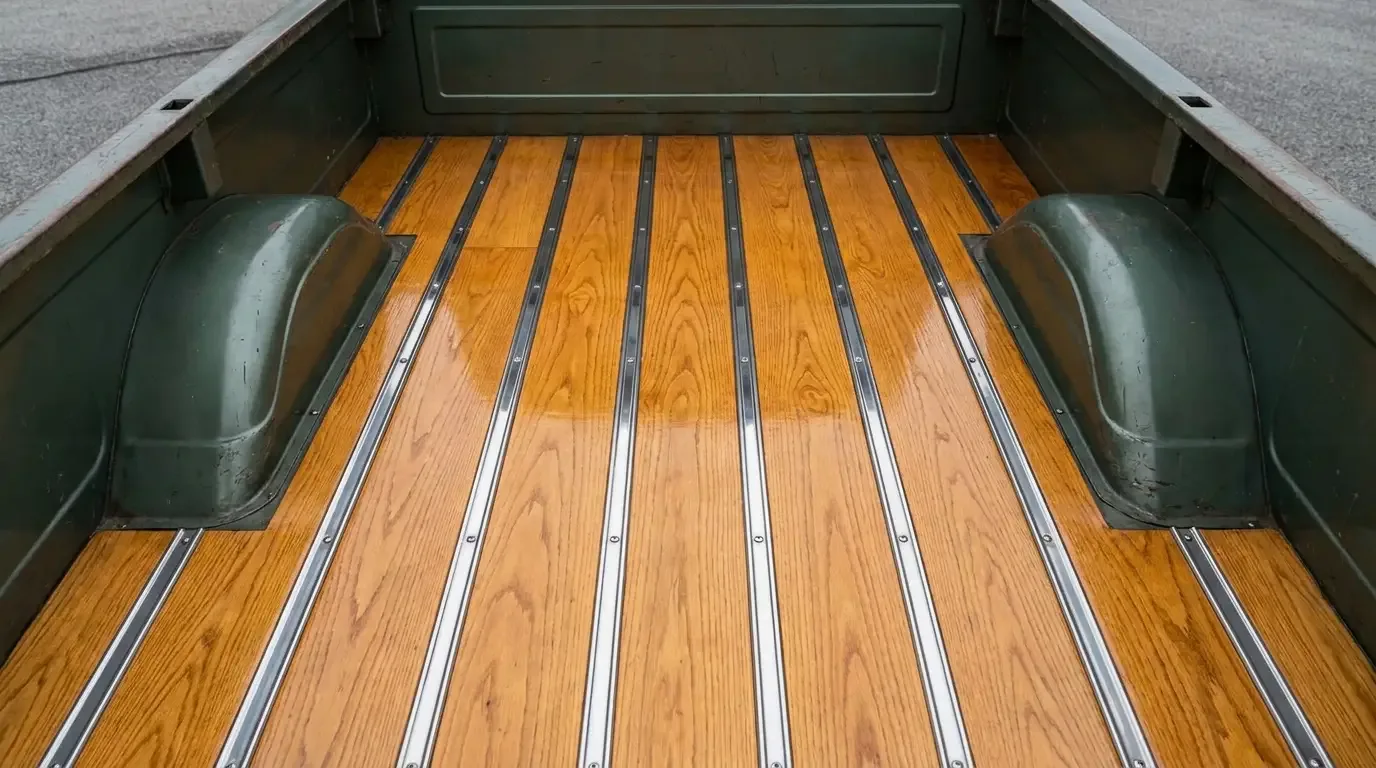
Patina is honest wear. It's the thin, faded original paint on a hood that spent decades pointing at the sun. It's the light surface rust that gives a fender that brown-and-tan mottle collectors call "barn find" color. It's a worn seat, a scuffed door sill, a bed floor with the marks of whatever the truck hauled. It tells a true story about a specific truck's life.
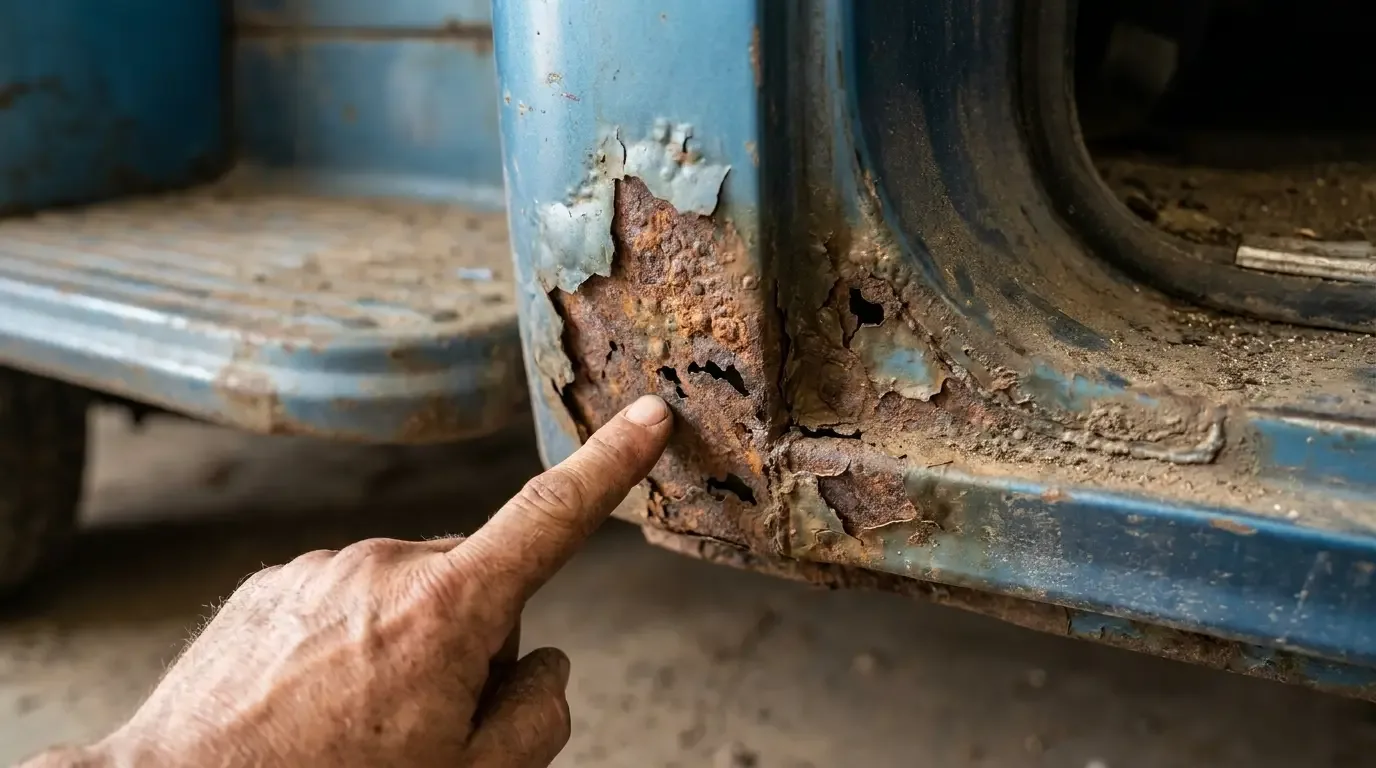
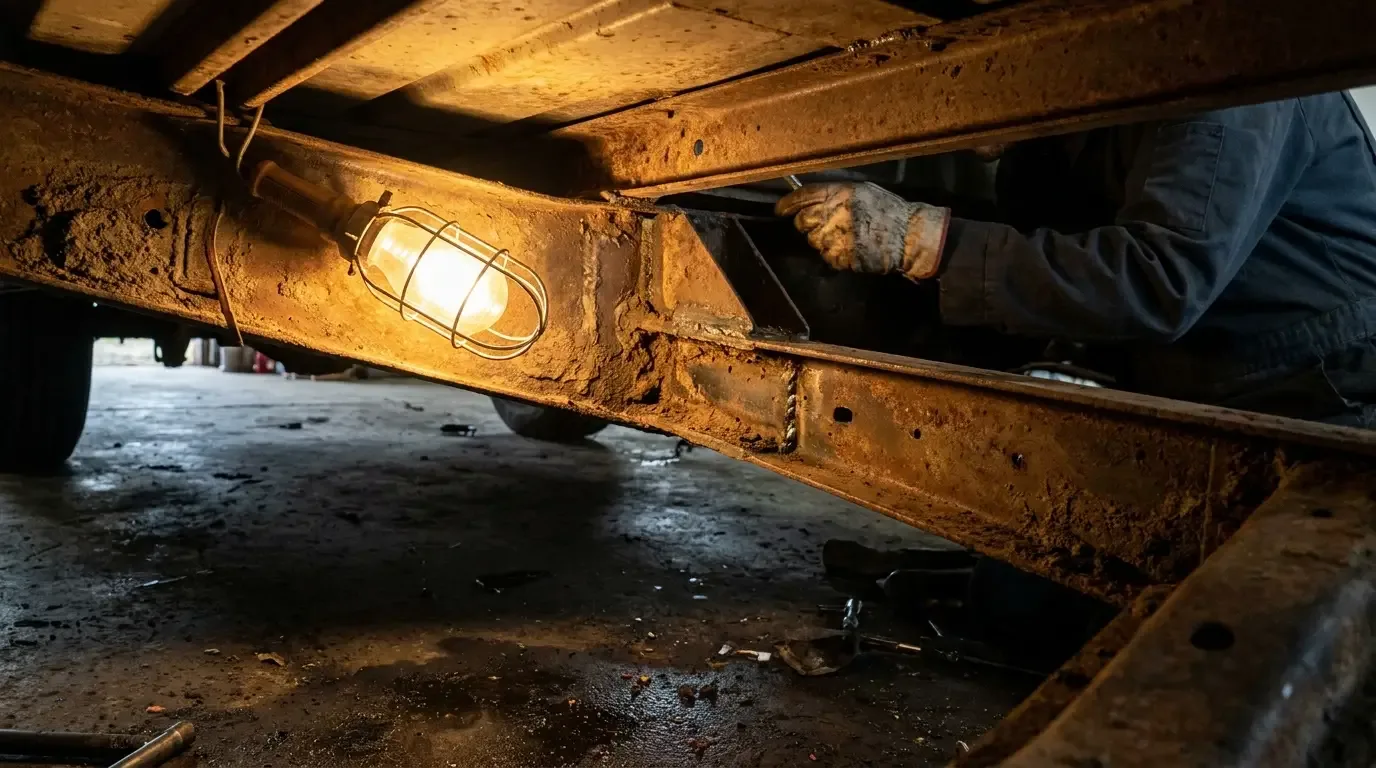
What patina is not is rot. There's a hard line here that too many buyers blur. Surface rust that's stable and sitting on top of solid metal is patina. Rust that's eating through the cab corners, the rockers, the floor pans, or the frame is structural damage. Get under it with a good light and a screwdriver. Not a flashlight held at arm's length. Poke the cab mounts, the bed supports, the frame near the rear spring hangers. If the screwdriver goes through, that's not character. That's a truck that needs metal.
The other thing patina isn't is faked. There's a whole cottage industry now spraying acid and salt water on fresh panels to make new metal look old. Some of it's convincing in photos. Almost none of it holds up under a light in person, because real patina fades and wears in patterns that match how a truck actually sat and got used. Fake patina is even and deliberate. Honest wear never is.
The "you only restore it once" argument
Here's the line that stops a lot of people mid-swing, and it should. An original truck is original exactly one time. The factory paint, the factory seams, the assembly-line spot welds, the way the panels were hung the first time. Once you strip it and repaint it, that's gone for good. You can do a beautiful restoration. You cannot un-restore it back to original.
So the argument runs like this. A rough but solid original truck is a preserved thing, and preserved things are getting rarer every year because most of them got restored decades ago. If yours is one of the survivors, think hard before you erase it. You can always restore it next year, or the year after, when you're sure. You can't get the originality back once it's under fresh paint.
That said, I've watched people take this too far and let a genuinely rough truck rot in the name of "preserving" it. Preservation is active. If the metal is stable and you keep it that way, you're preserving. If you're just letting it sit outside and calling the ongoing damage patina, you're not preserving anything. You're losing the truck slowly instead of changing it quickly.
"Original is a one-way door. Walk through it when you're sure, not because a truck's dirty and you're in a hurry to make it shiny."
— Robert Halloran
What each choice does to value
This is where people want a simple answer and there isn't one. The value question depends on how rare and how original the truck is, and on who's buying.
For a genuinely rare, highly original survivor, a careful preservation almost always holds more value than a restoration, because you're keeping the one thing nobody can reproduce. Judged preservation classes exist at major shows for exactly this reason. But those trucks are the minority. For the common workhorse pickup, and most classic trucks are common workhorse pickups, the math is different.
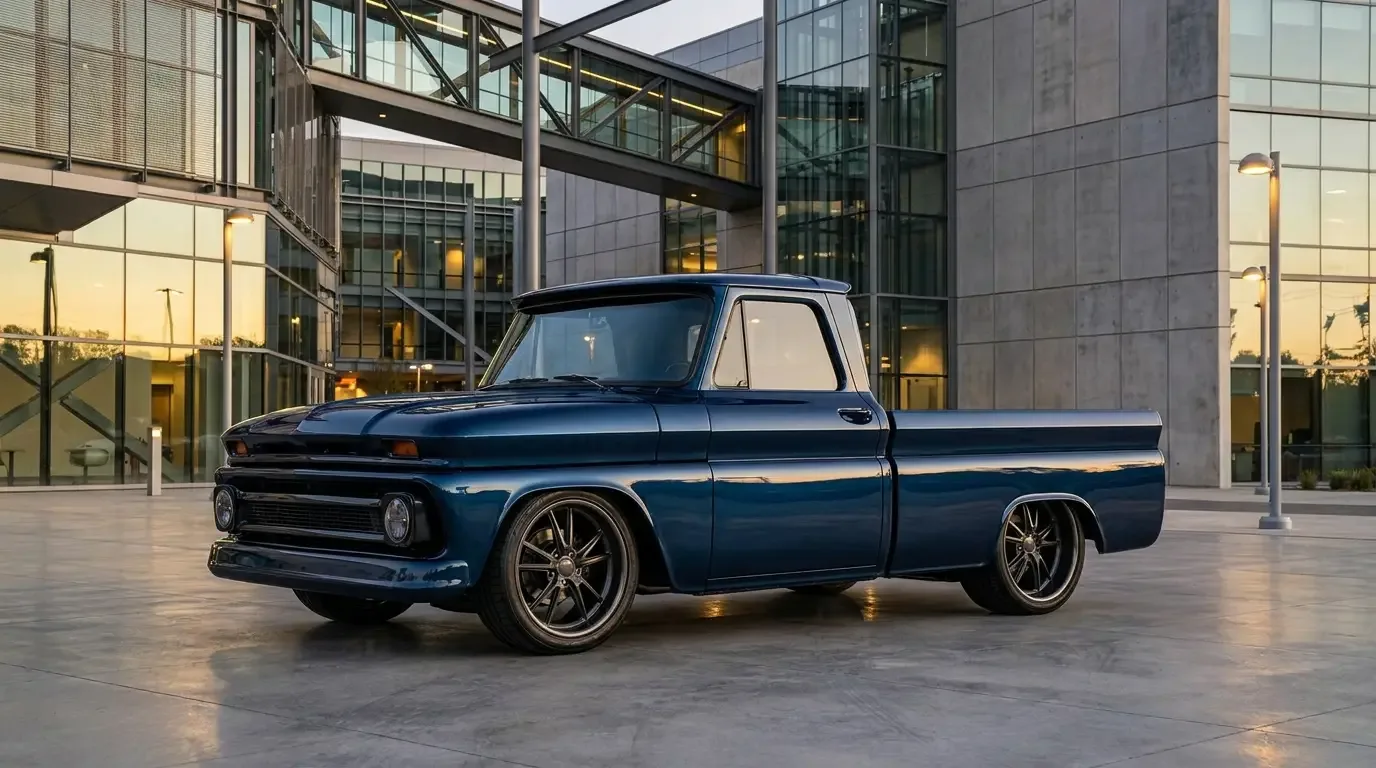
A clean, correct, frame-off restoration on a common truck can sell for real money, often more than a patina example of the same model, because the buyer pool for a finished, reliable, good-looking truck is simply larger than the pool chasing barn-find character. But, and this is the part that surprises people, a rust-free original with good honest patina and a sorted drivetrain often sells for more than a mediocre restoration, because a cheap repaint on a truck that still has soft metal underneath fools nobody and scares off the careful buyers.
| Condition type | Value tendency | Best buyer |
|---|---|---|
| Rare, highly original survivor | Preservation usually beats restoration | Serious collector, judged preservation class |
| Common truck, honest patina, solid metal, running | Strong; often beats a weak resto | Driver who wants character and no payment |
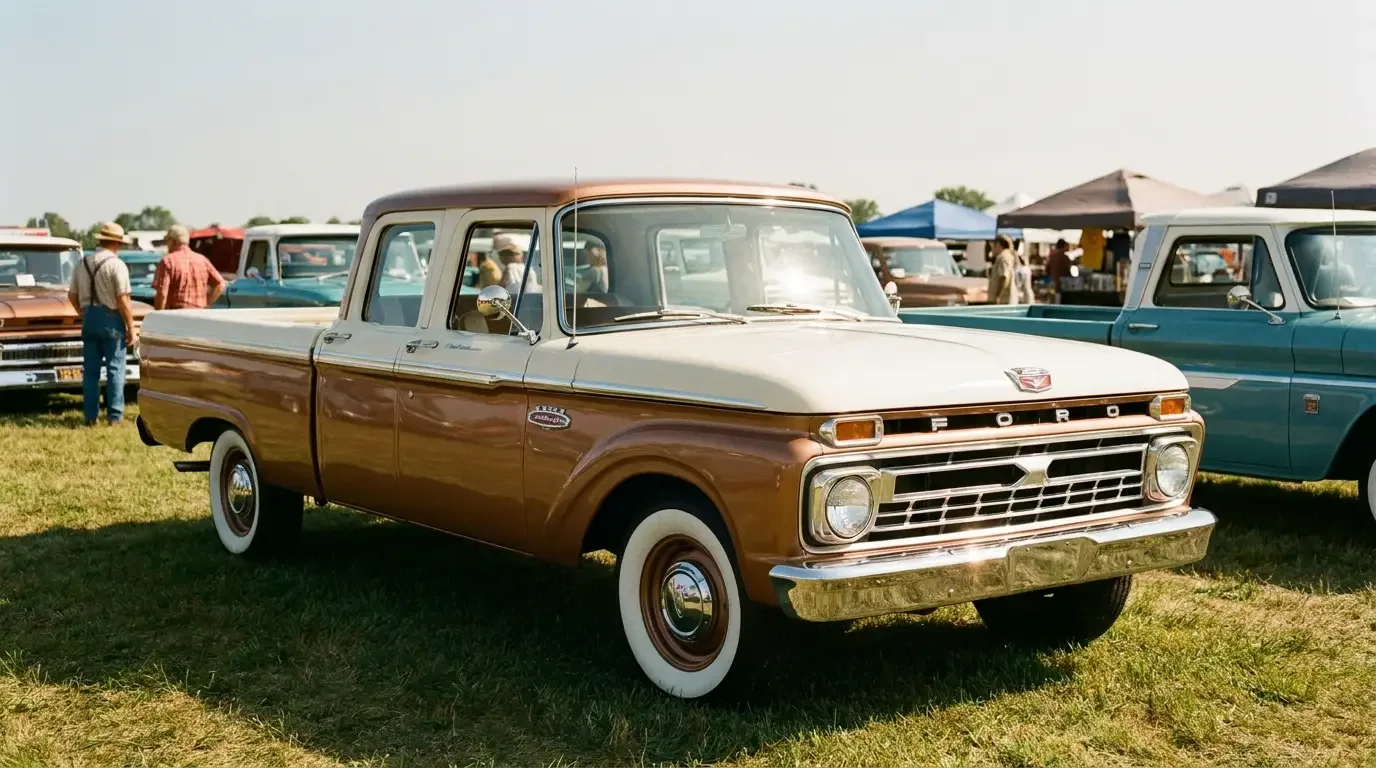
| Common truck, correct frame-off restoration | Strong; widest buyer pool | Show goer, weekend cruiser |
| Cheap repaint over unaddressed rust | Weak; the worst of both | Nobody who looked underneath |
Restoration cost is the other half of the value story, and it's brutal. A proper frame-off on a common truck can easily run more than the finished truck is worth. Roughly, bodywork and paint alone often land in the five figures before you've touched the drivetrain, interior, or chrome. That doesn't mean don't do it. It means do it because you want the truck, not because you expect to make money, because on most trucks you won't. If you want to think through the full scope and sequence of a proper rebuild, our guide to how to restore a classic truck lays out what the job actually involves.
How to stabilize patina so you keep it
If you land on preserving, the job is to stop the clock, not turn it back. Stable patina stays beautiful for decades. Unstable patina turns into holes. The whole game is arresting active rust and protecting what's there without making it look painted.
Start with a gentle wash and a thorough dry. No aggressive sanding, no wire wheels on the good surfaces. That's paint and history you're removing. The goal is clean metal and clean patina, not bright metal.
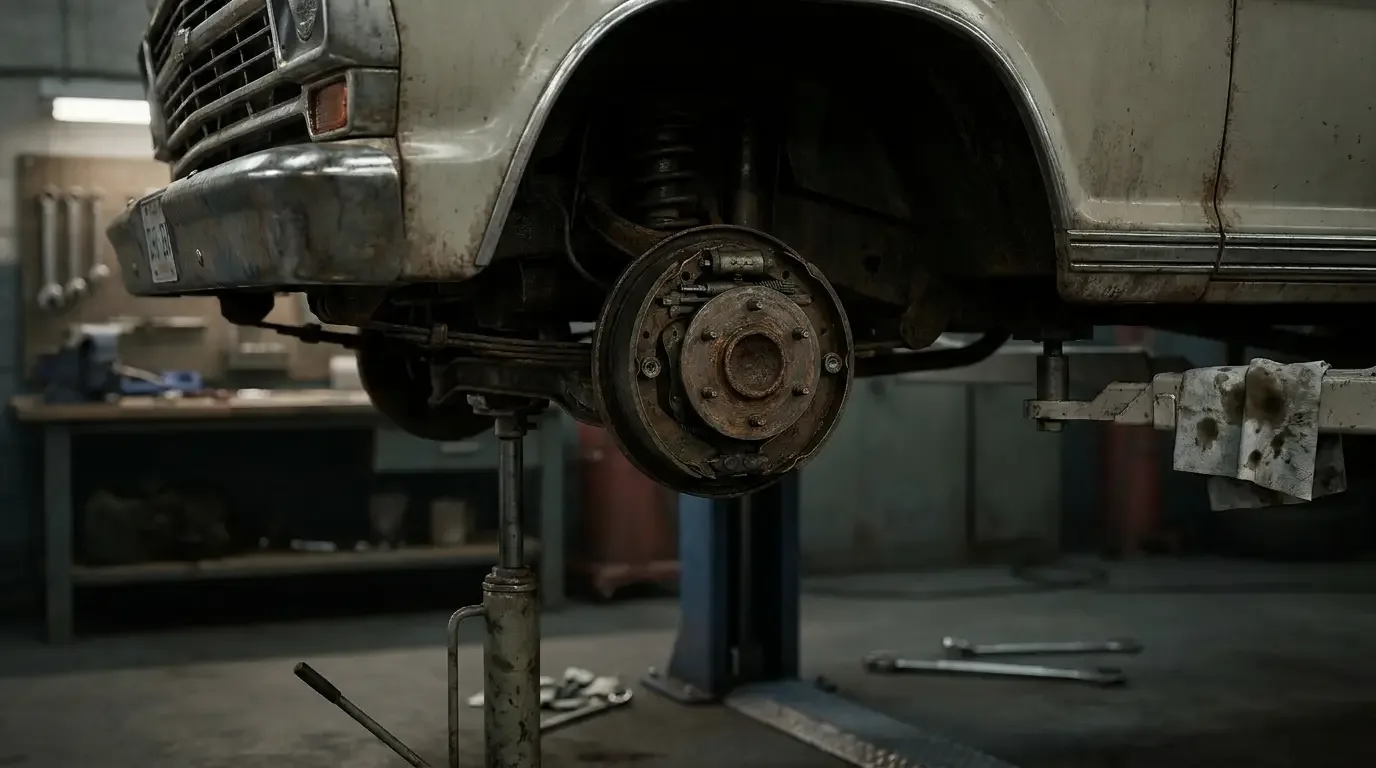
Understand the tradeoff on sealers. A clear coat or oil over patina will usually darken and deepen the color, sometimes a lot. Some people love the richer look. Others want the dry, faded, chalky original tone left exactly as is. There's no wrong answer, but test on a hidden area first, because you can't easily undo it across a whole panel. And whatever you seal with, the mechanical and safety work underneath, the brakes, the steering, the fuel lines, gets done properly regardless. Patina is a look. It's never an excuse to drive something that isn't safe.
So which one should you do
My honest take, after all these years, is that the truck tells you. A solid, original survivor with real history, especially a rarer one, is worth preserving, and you should think long and hard before you take it apart. A truck that's already been repainted twice, or one that's more rust than metal, owes you nothing. Restore that one the way you want it and enjoy it.
The mistake to avoid is treating this as a matter of fashion. Patina is popular right now, and popularity fades. Don't preserve a rotten truck because barn-find is trending, and don't strip a rare original just because your buddy's restored one looks sharp. Look underneath, be honest about what you've got, and remember the one rule that never changes. You only restore it once. Make sure you mean it.
Sources and notes
- Factory service manuals and body assembly documentation for construction and originality reference.
- Concours and preservation-class judging standards from major collector-car shows.
- Period road tests and marque histories for model context.
- Published auction results and price guides for general value tendencies.
- Restoration shop estimates and refinishing guides for cost ranges.