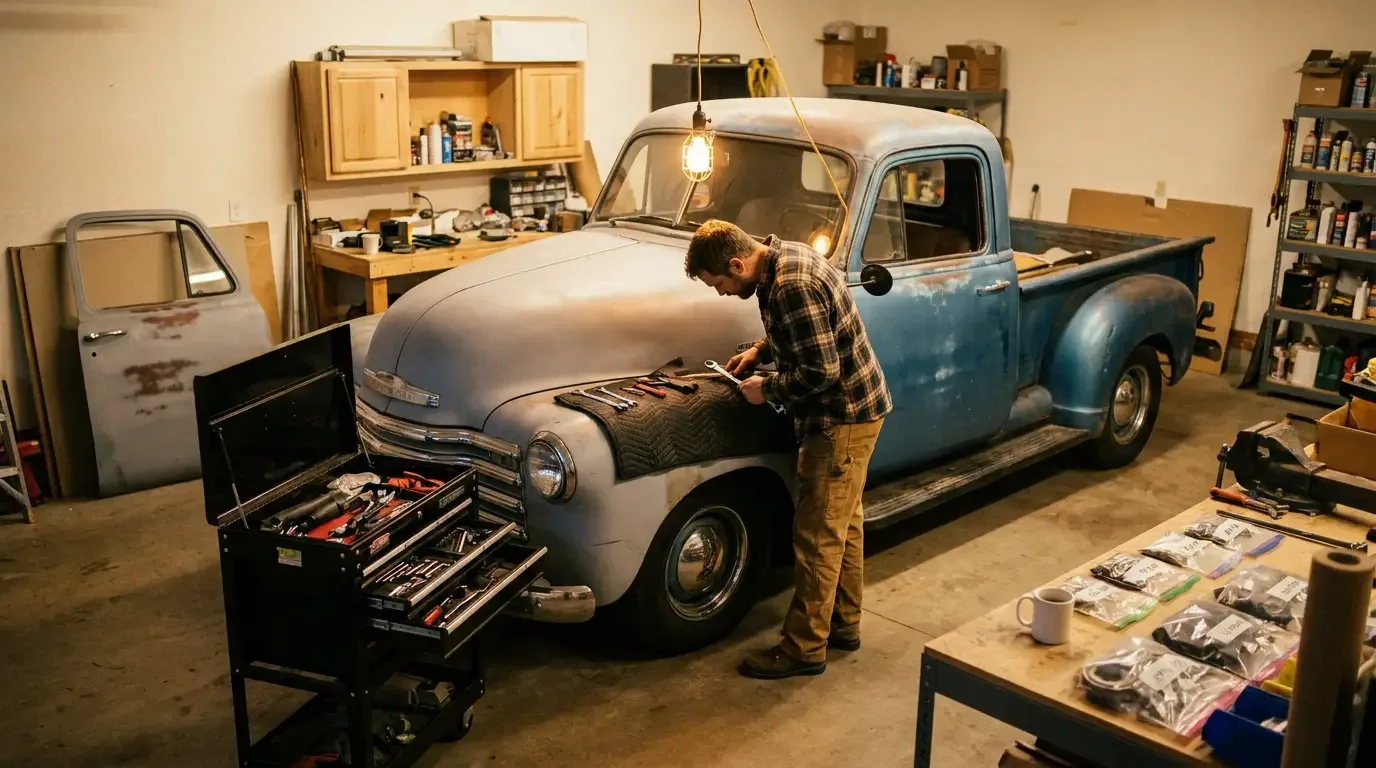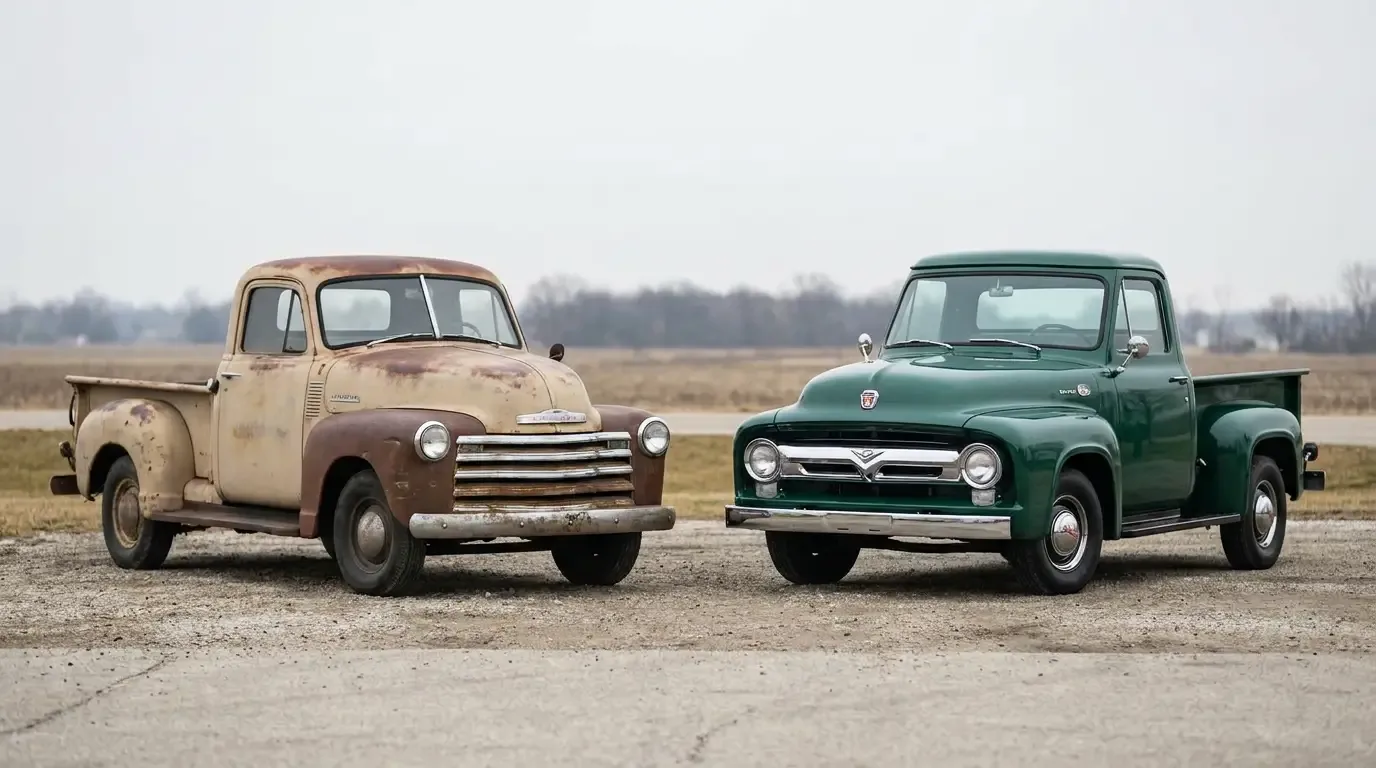

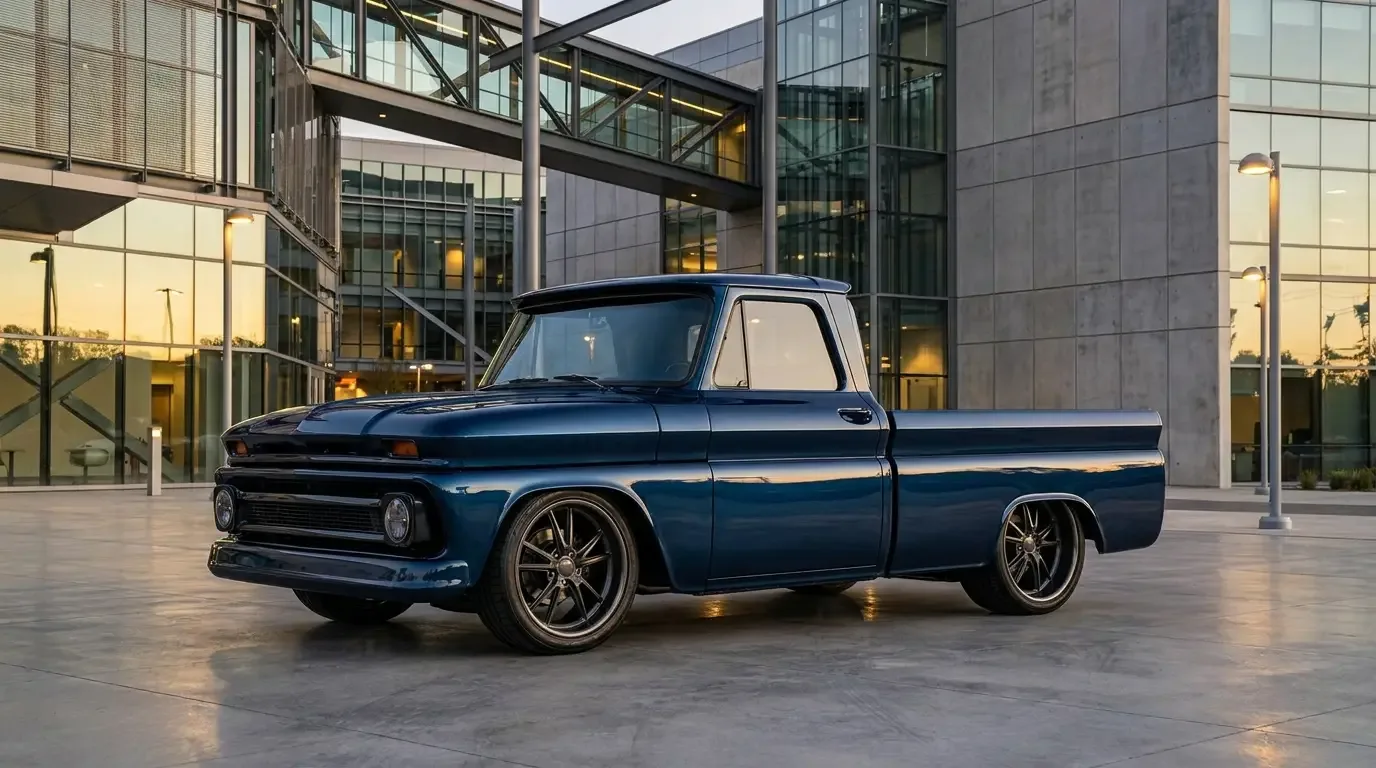
A restomod truck is an old body with a new heart. You keep the sheet metal, the stance, the face people recognize from fifty feet away, and you throw out the parts that made the old ones miserable to live with. Vintage looks, modern guts. That is the whole idea, and when it is done right it is the best of both worlds. When it is done wrong it is a sad truck with a loud engine and brakes that will put you into the guardrail.
I build these for a living, so let me tell you what actually separates a real restomod from a hack job dressed up in fresh paint. It is not the horsepower number. It is whether the whole truck was thought through as one machine or bolted together out of a catalog on a Saturday.
What a restomod truck actually is
Strip away the marketing and a restomod is a period-correct exterior over an updated drivetrain, suspension, brakes, and interior. The word is a mashup of restoration and modification, and the balance between those two matters. Lean too far toward restoration and you have a stock truck with a stereo. Lean too far toward modification and you have a street rod that happens to have a bed.
The sweet spot is a truck that looks like it rolled off the lot decades ago but drives like something built this century. That means:
- A modern fuel-injected engine that starts on the first turn of the key, cold or hot.
- An overdrive automatic or a modern manual so you are not screaming down the highway at 3,500 rpm.
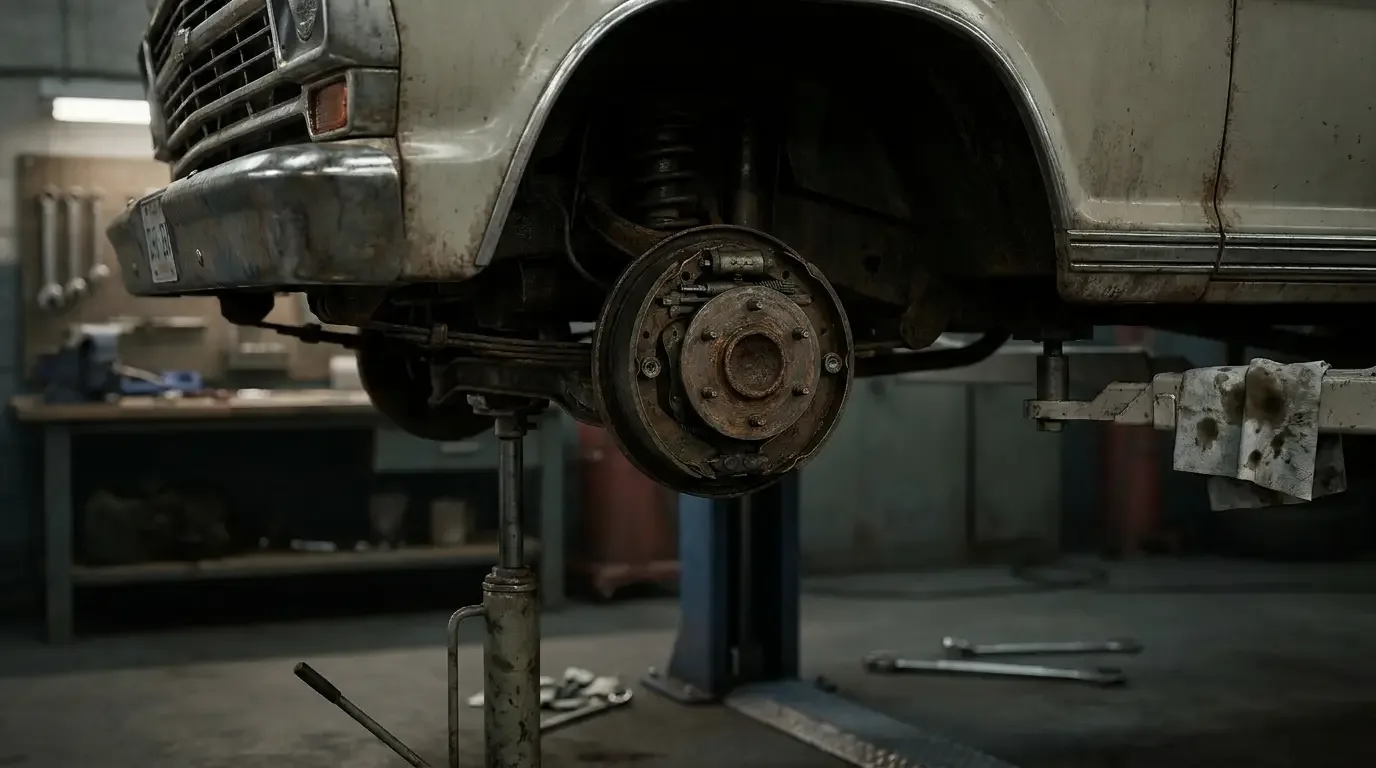
- Disc brakes at least up front, usually all four corners, with a proper master cylinder and booster.
- Suspension that keeps the tires on the road instead of the leaf-sprung pogo-stick ride these trucks left the factory with.
- Air conditioning that works, because nobody enjoys a show truck they cannot drive in July.
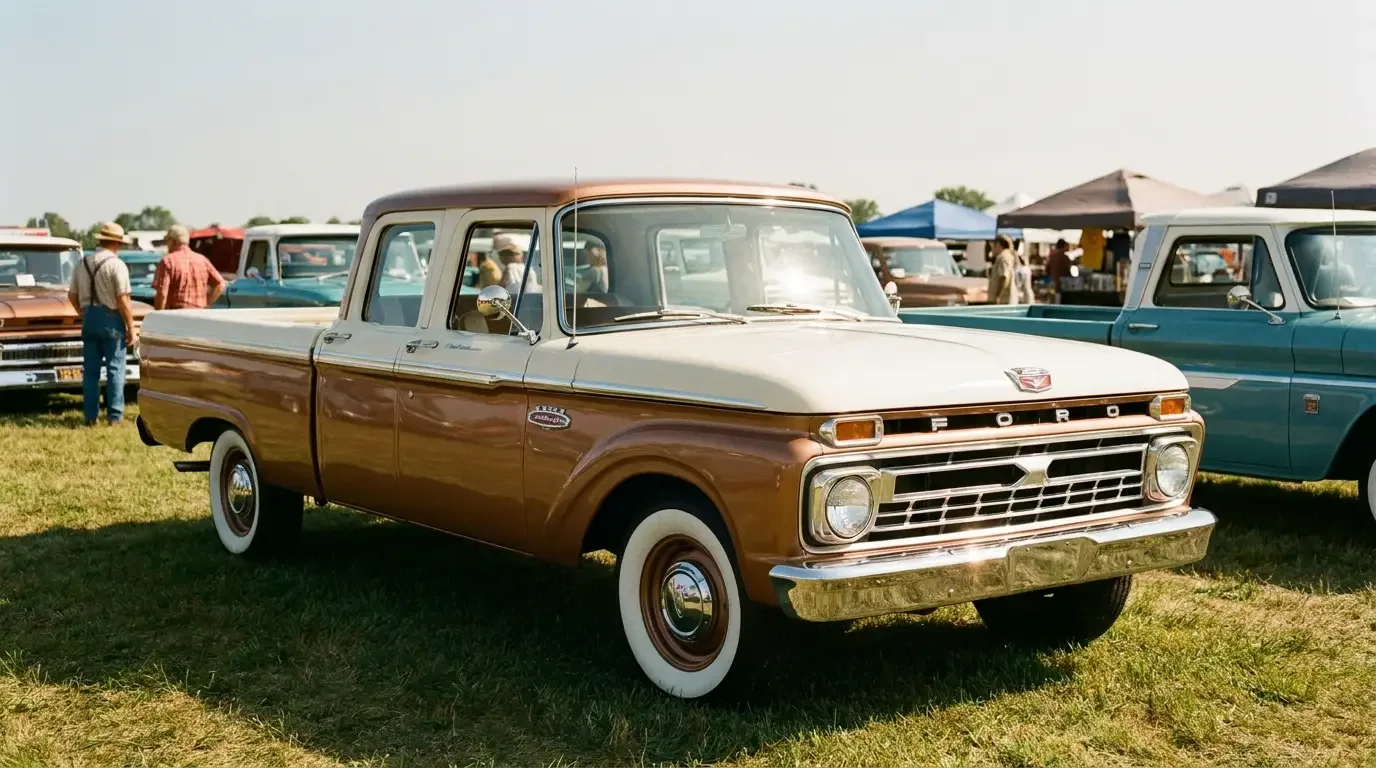
Do all of that with taste and restraint on the outside, and you have a truck you can drive across three states and still park at a show. That is the point of the whole exercise.
The LS-swap trend, and why everybody does it
If you have been around trucks at all lately you have heard "LS swap" a hundred times. The LS is GM's family of aluminum small-block V8s that came in trucks and cars from the late 1990s onward. Builders love them for reasons that have nothing to do with brand loyalty and everything to do with money and results.
An LS is cheap to find, light, compact, and it makes real power without you doing much to it. A junkyard truck engine will put down something in the neighborhood of 300 to 320 horsepower bone stock, and it drops into an old truck engine bay with off-the-shelf mounts. You get modern fuel injection, modern reliability, and a huge aftermarket, all for less than what a proper rebuild of a tired old carbureted mill costs.
I am not going to pretend it is the only answer. A period Ford gets a Coyote crate motor, a Mopar guy has his own path, and there is nothing wrong with keeping a correct-brand engine if that matters to you. But the LS earned its reputation honestly. It is the default because it works.
"An LS swap is not cheating. Cheating is dropping a motor in and calling it done while the truck still stops like a shopping cart and steers like a boat. Do the whole job or don't start."
— Jim Vasquez
Here is the part people skip. The engine is the easy 40 percent. Making that power usable is the other 60. A swap done right means the cooling system can handle the heat, the fuel system delivers enough volume, the wiring is clean instead of a rat's nest of splices, and the transmission and rear gears are matched to how you actually drive. Skip that and you have a fast truck that overheats in traffic and eats itself.
A good restomod versus a hack
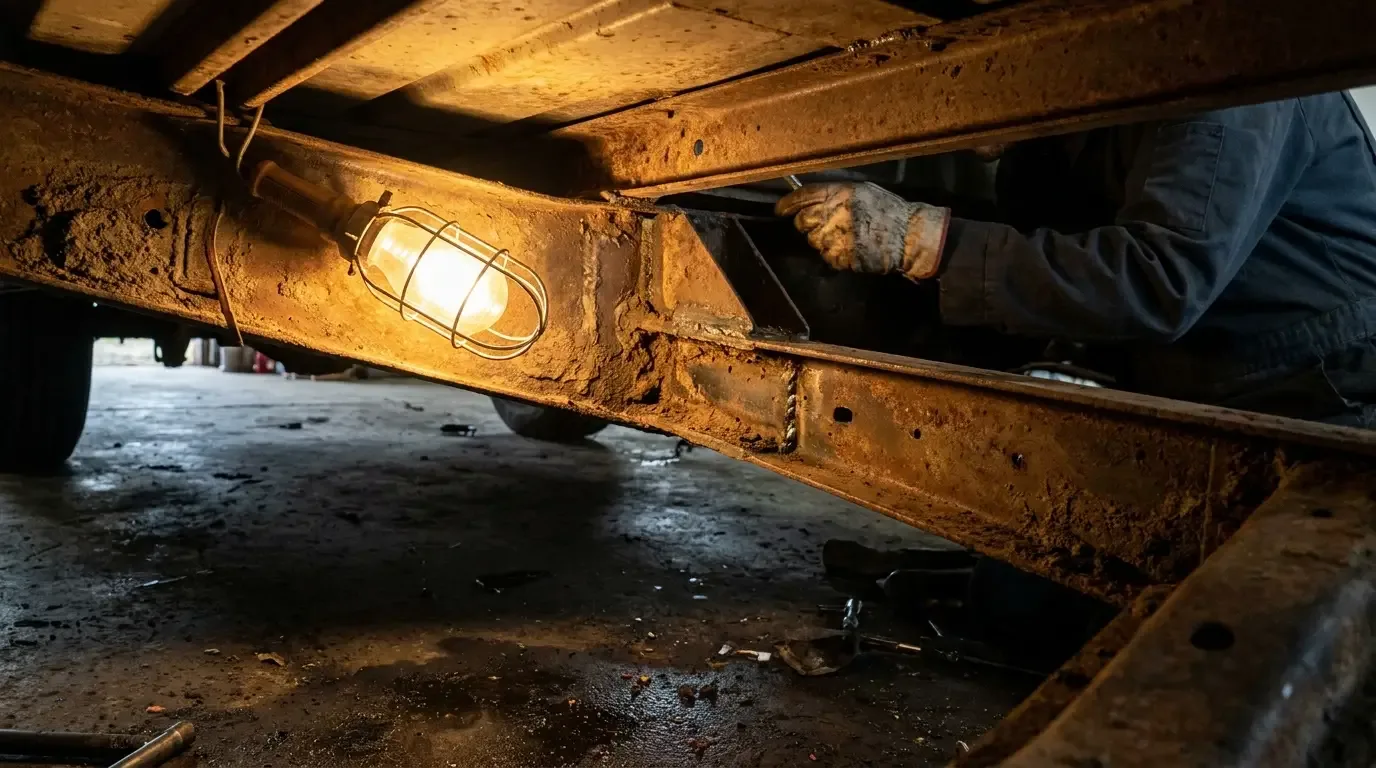
This is the part I care about most, because I see both come through the shop. The difference is almost never visible in a phone photo. You have to get under it with a light, and I mean under it, not a flashlight held at arm's length while you crouch by the fender.
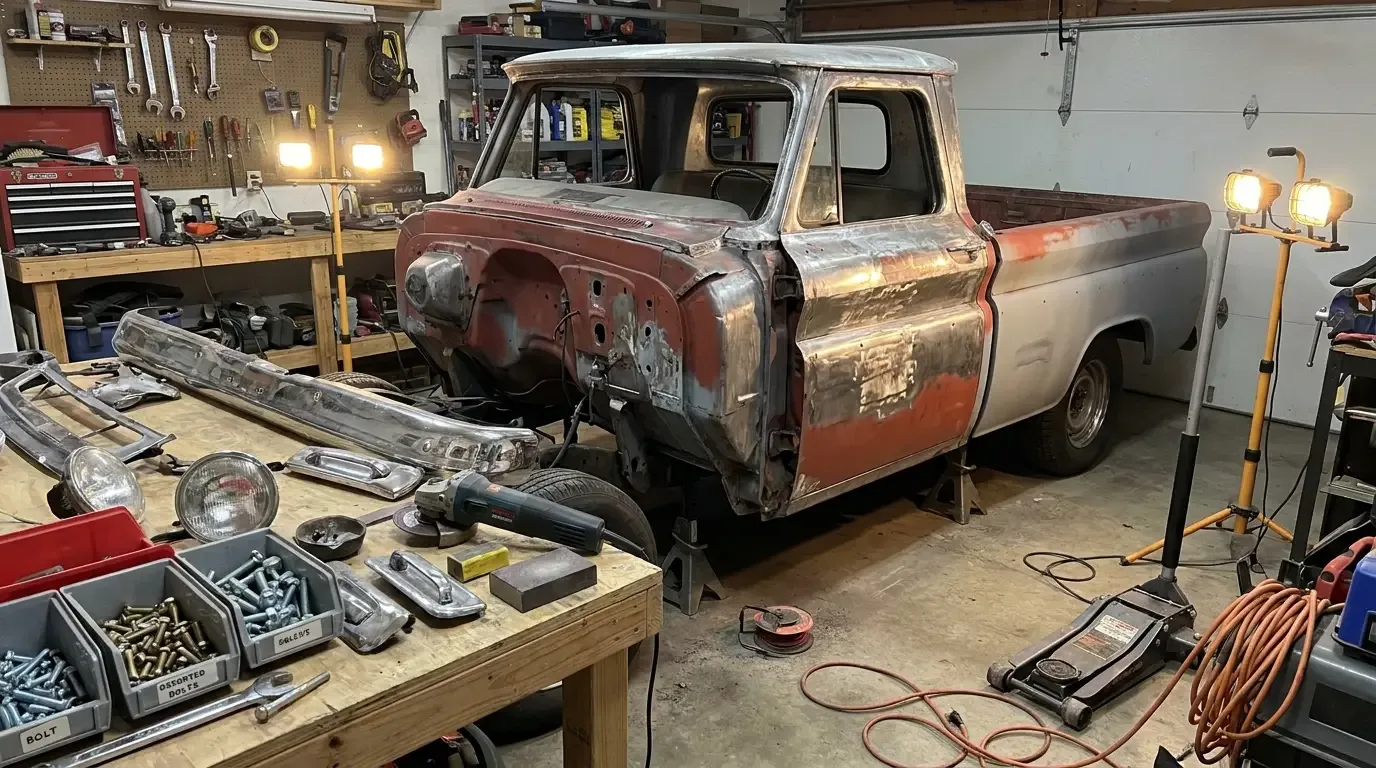
A good restomod is engineered as a system. The brakes match the power. The suspension geometry is correct, not just lowered with cut springs. The bodywork underneath the paint is real metalwork, not a quarter inch of filler hiding rust that is still eating the cab from the inside. The wiring is fused and labeled. The paint is period-appropriate or an honest custom, laid over straight panels with proper prep. Every choice was made on purpose.
A hack is a parts pile. Big engine, stock brakes. Fresh paint over bad bodywork. Lowered on the cheap so the geometry fights itself and the tires wear on the inside edge. Interior that looks good in a listing photo and rattles apart on the first real drive. The tell is always in the details nobody thought would get inspected.
🔧 Inspection Priorities
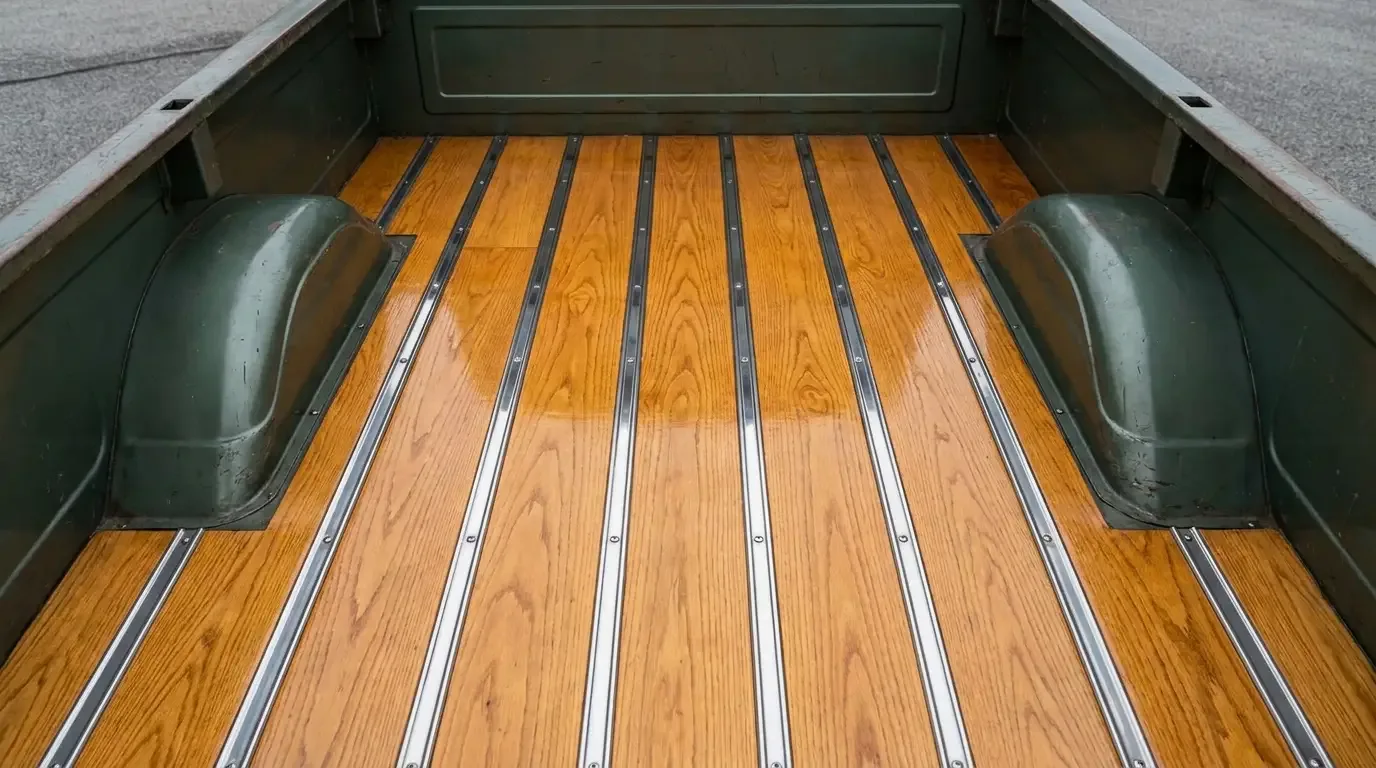
- Bodywork under the paint. A magnet on the panels and a good look inside the cab corners and bed. Filler over rust is a full re-do, and that is real money, often several thousand dollars once you find where it hides.
- Brakes matched to the power. A powerful engine on stock drum brakes is a deal-breaker. Confirm disc conversions were done with the right master cylinder and proportioning, not just bolted on.
- The wiring. Open the kick panel and look. Clean, fused, labeled harness is the sign of a real build. A bird's nest of butt-connectors means chase electrical gremlins forever.
- Suspension and stance. Look at how it sits and how the tires wear. Cheap lowering that ruins the geometry shows up as uneven tire wear and a truck that darts.
- Documentation. A serious builder keeps receipts and photos of the process. No paper trail on a five-figure build is a yellow flag.
If you are getting into this world and want to understand what a full teardown really involves before you buy someone else's, read our guide on how to restore a classic truck. Knowing the process is how you spot the shortcuts.
What it is worth, and where the money goes
Let me be straight about value, because this is where people get hurt. A restomod almost never returns what you put into it if you build it from scratch. The parts, the paint, the hundreds of hours of labor, they add up faster than the market will ever pay back. That is the honest economics of it.
But that cuts the other way when you buy. A well-sorted restomod that someone else poured money into is often the smart purchase, because you are buying the labor at a discount. Somebody spent 800 hours and a shop's worth of parts, and the sale price rarely reflects all of it. The trick is knowing a good one from a hack, which is the whole reason for that inspection list above.
| Build element | Why it matters | Rough share of budget |
|---|---|---|
| Bodywork and paint | Straight panels and honest metal; the single biggest labor sink | Often the largest line item |
| Drivetrain (engine, trans, rear) | The heart; an LS swap keeps this reasonable | Moderate to high |
| Brakes and suspension | Makes the power safe and the ride livable | Moderate |
| Interior, AC, wiring | Drivability and daily comfort; easy to underestimate | Moderate |
The best-value entry point for a lot of builders is the GM square-body generation, because the aftermarket for them is enormous and the trucks were built in huge numbers. Parts are everywhere and the platform takes modern drivetrains without a fight. If that is the direction you are leaning, browse the current square-body trucks for sale and you will see the whole range, from clean drivers to finished builds.
Building it to keep, not to flip
The people who are happiest with these trucks are the ones who built or bought them to drive, not to profit. A restomod is a machine you use. It should start every time, stop straight, run cool in traffic, and keep you comfortable on a long day. Chase those things and the truck rewards you every time you turn the key.
If you build for the spreadsheet you will always be disappointed, because the numbers rarely work. Build for the drive and the value takes care of itself, because a truck that actually works is the one people fight over when it finally comes up for sale.
Sources and notes
- Factory service manuals for engine, brake, and suspension specifications
- Period road tests and manufacturer literature for original drivetrain data
- General LS-family engine references and swap documentation
- Auction results and dealer listings for restomod and square-body value ranges
- Shop experience with restoration and custom truck builds
Figures cited are approximate and drawn from the sources noted above.