The first question I ask anyone thinking about a classic truck restoration is not "what do you want to build." It is "what is the finished truck worth, and what will it cost to get there." Those two numbers rarely line up the way people hope. A restoration is a series of decisions about where money goes, and the difference between a project that pencils out and one that leaves you underwater is usually made in the first month, before a single panel comes off.
This is a cost-and-value look at what these builds actually run. If you want the mechanical roadmap first, read how to restore a classic truck, then come back here to put dollar figures against the plan.
The three restoration scopes, and why the label matters
"Restoration" covers everything from a weekend of cleaning and small fixes to a full teardown that takes years. The word people use for their project sets the budget more than the truck does. Three rough tiers cover most of what I see.
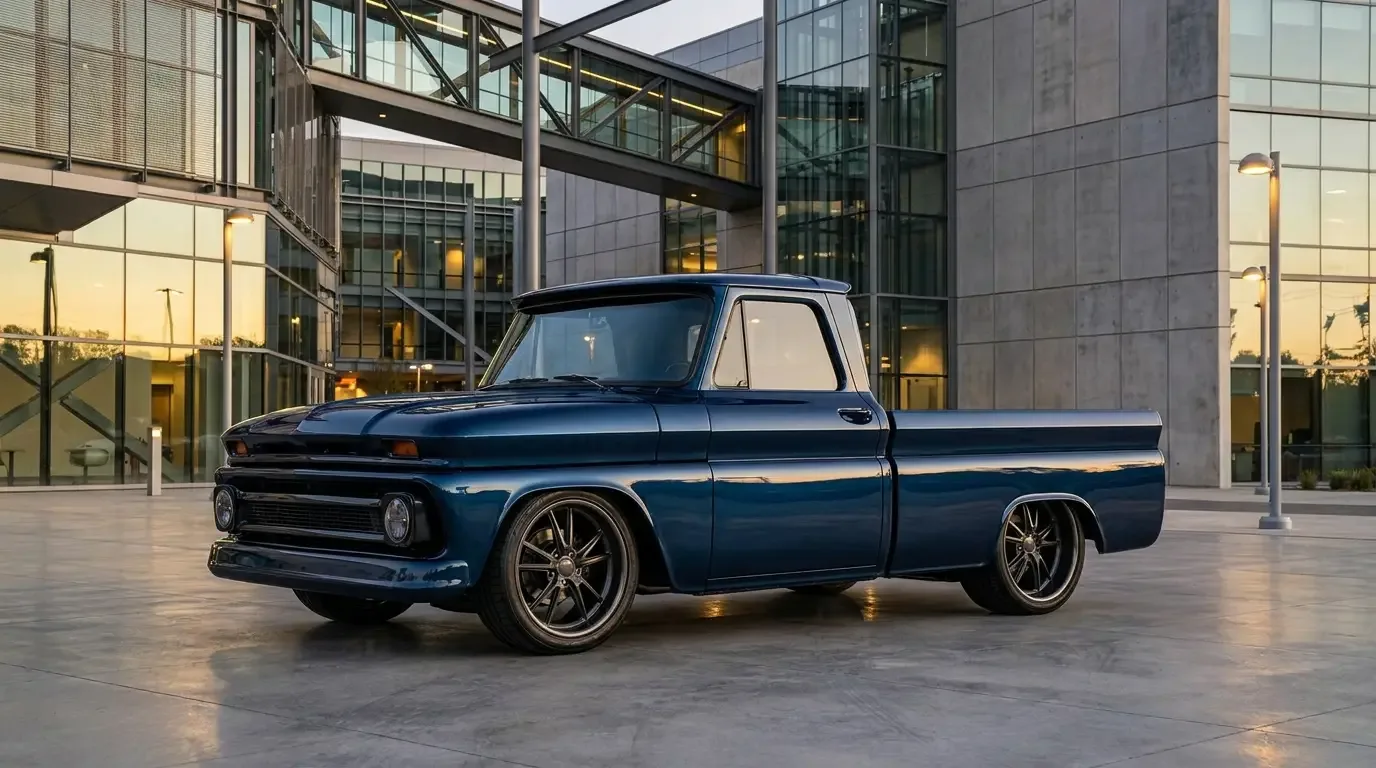
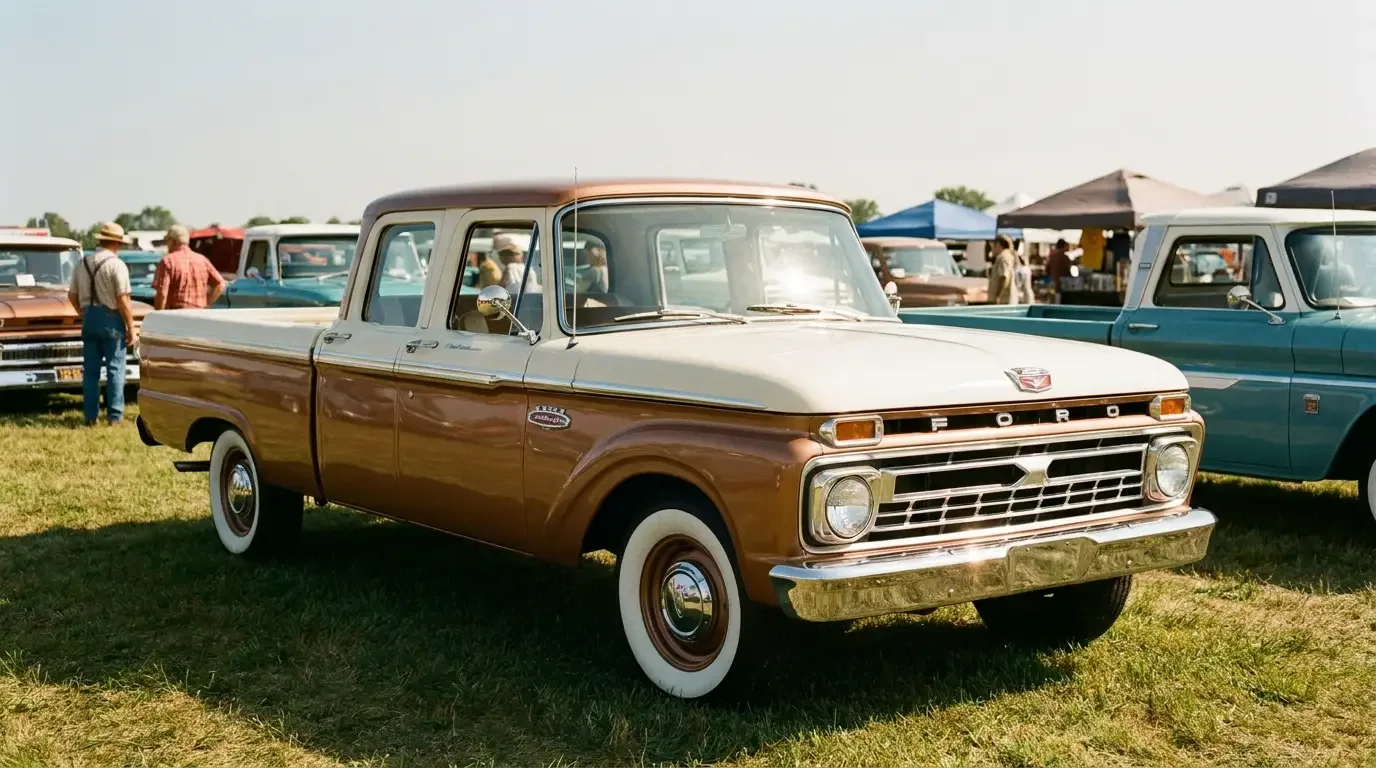
A driver-quality refresh keeps the truck usable and honest. You fix the brakes, the fuel system, the wiring gremlins, maybe a repaint over decent metal, and you drive it. A rotisserie or frame-off restoration means the body comes off the frame, everything is stripped, repaired or replaced, and reassembled. A concours or show build chases correctness and finish to a standard nobody actually drove in period, with plating, date-coded parts, and paint that costs more than some people's whole truck.
The scope you pick multiplies every other number below. A cab corner that costs $60 in sheet metal on a driver build becomes a $600 line once you factor the media blasting, the correct spot-weld pattern, and the show-grade paint feathered into it.
DIY versus shop: the real trade you are making
The single biggest variable in any restoration budget is labor, and the only way to zero it out is to do the work yourself. Shop labor on restoration work commonly runs somewhere around $85 to $175 an hour depending on region and the shop's reputation, with many quality shops averaging near $125. Multiply that by the hour counts above and the math gets loud fast.
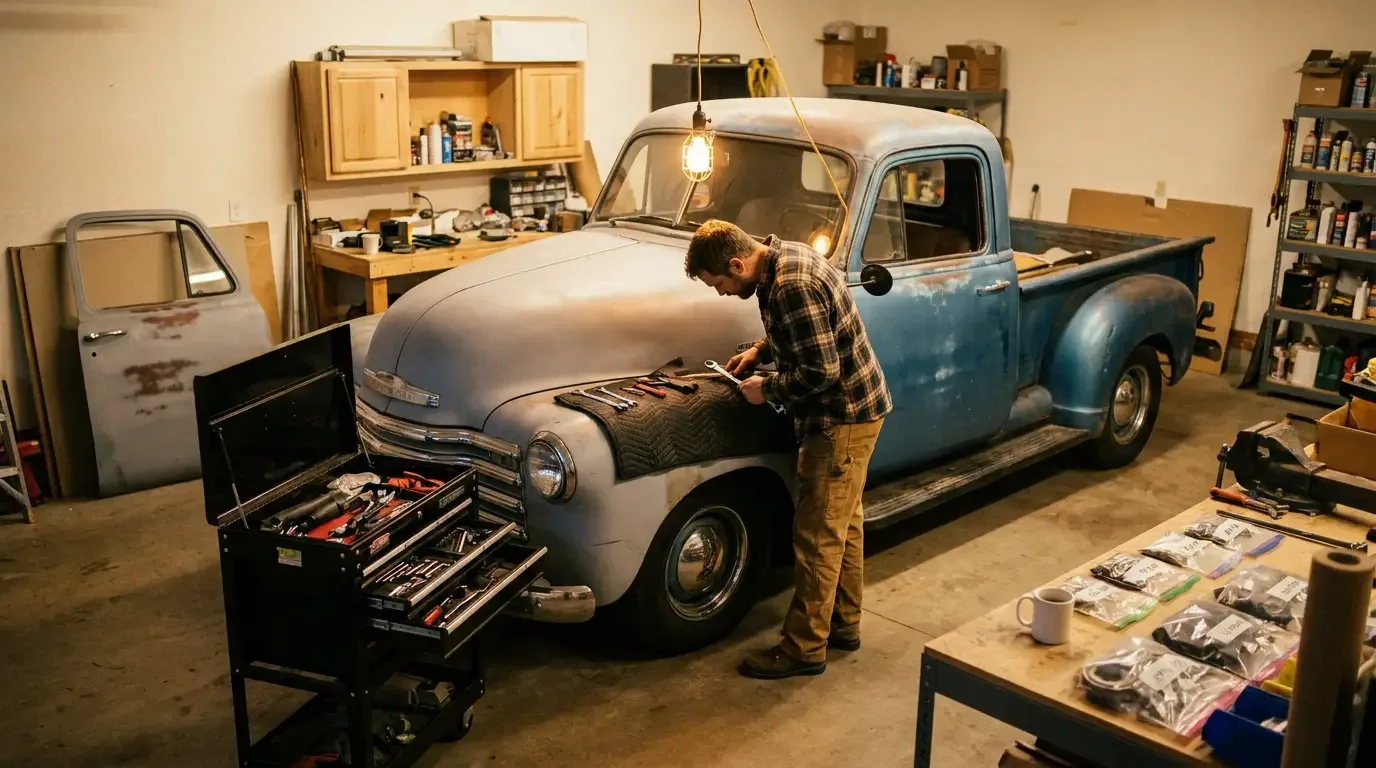
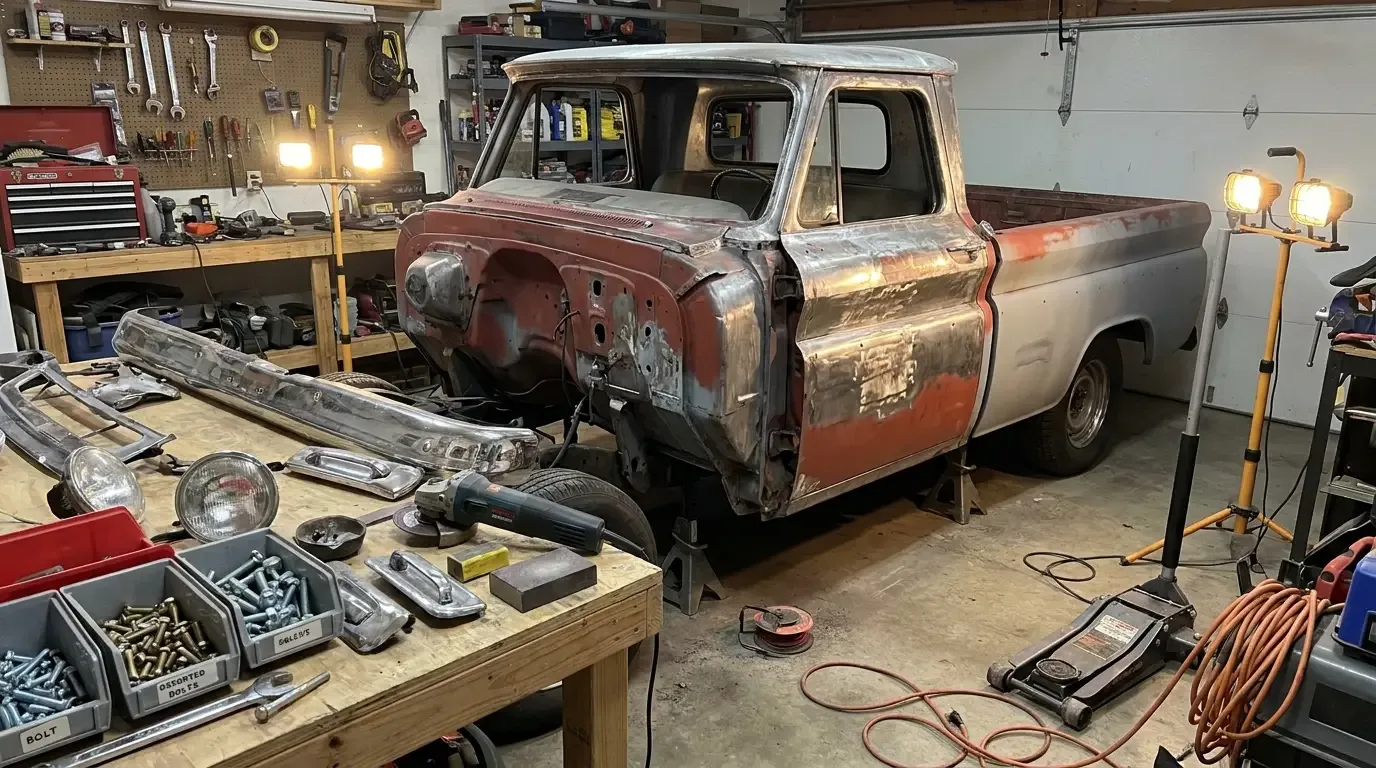
Doing it yourself trades money for time and skill. You save the labor line, but you take on the risk. A first-time bodywork attempt that needs redoing is not free, it costs you the materials twice plus the paint that has to come back off. The honest middle path most people land on is a split: you do the teardown, the disassembly labeling, the cleaning, and the reassembly yourself, and you farm out the two jobs that punish amateurs most, bodywork and paint, and any machine work on the engine.
- Pure DIY. You pay for parts and consumables only. Realistic on a driver refresh, brutal on a frame-off unless you already have the space, tools, and years.
- Hybrid. You do the grunt labor, a shop handles paint and machine work. This is where most sane budgets live.
- Full shop. You write checks and check in. Fastest to a finished truck, and the surest way to spend more than the truck is worth.
"Everybody budgets for the parts they can see in the catalog. Nobody budgets for the sixty hours of grinding, fitting, and cussing that go between those parts. That gap is the whole game."
— David Mercer
Where the money actually goes
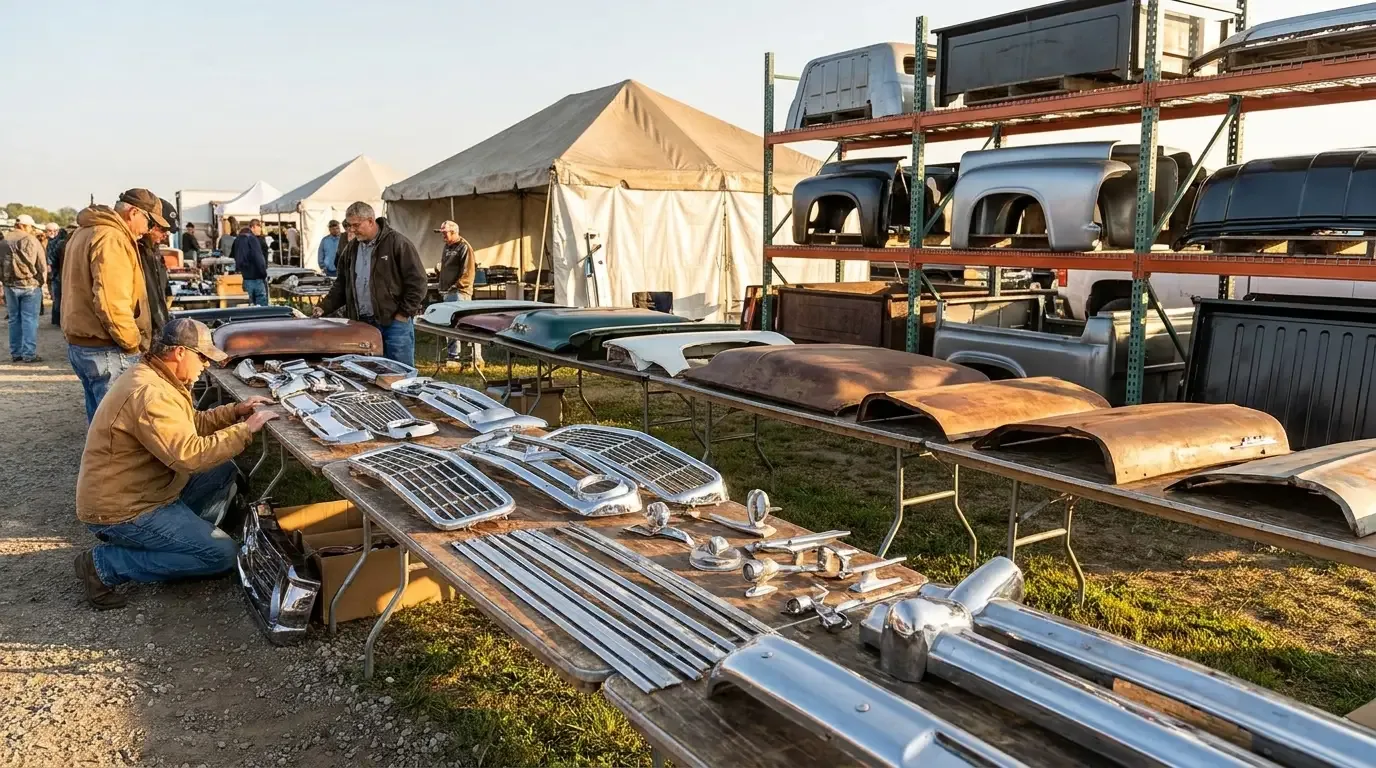
People assume the engine is the big number. On most classic truck builds it is not. Bodywork and paint are the line that runs away from you, because they are labor-dense and unforgiving. The table below is a cost-bucket guide for a common half-ton pickup from the 1950s through 1970s. Treat every range as approximate and regional, not a quote.
| Cost bucket | Driver refresh (approx.) | Frame-off (approx.) | Where the money hides |
|---|---|---|---|
| Rust repair and sheet metal | $500 to $3,000 | $3,000 to $12,000+ | Labor to fit panels, hidden rot behind trim |
| Bodywork and paint | $2,000 to $6,000 | $8,000 to $20,000+ | Prep hours, materials, redo work |
| Engine and drivetrain | $1,500 to $5,000 | $4,000 to $10,000+ | Machine work, unexpected core failures |
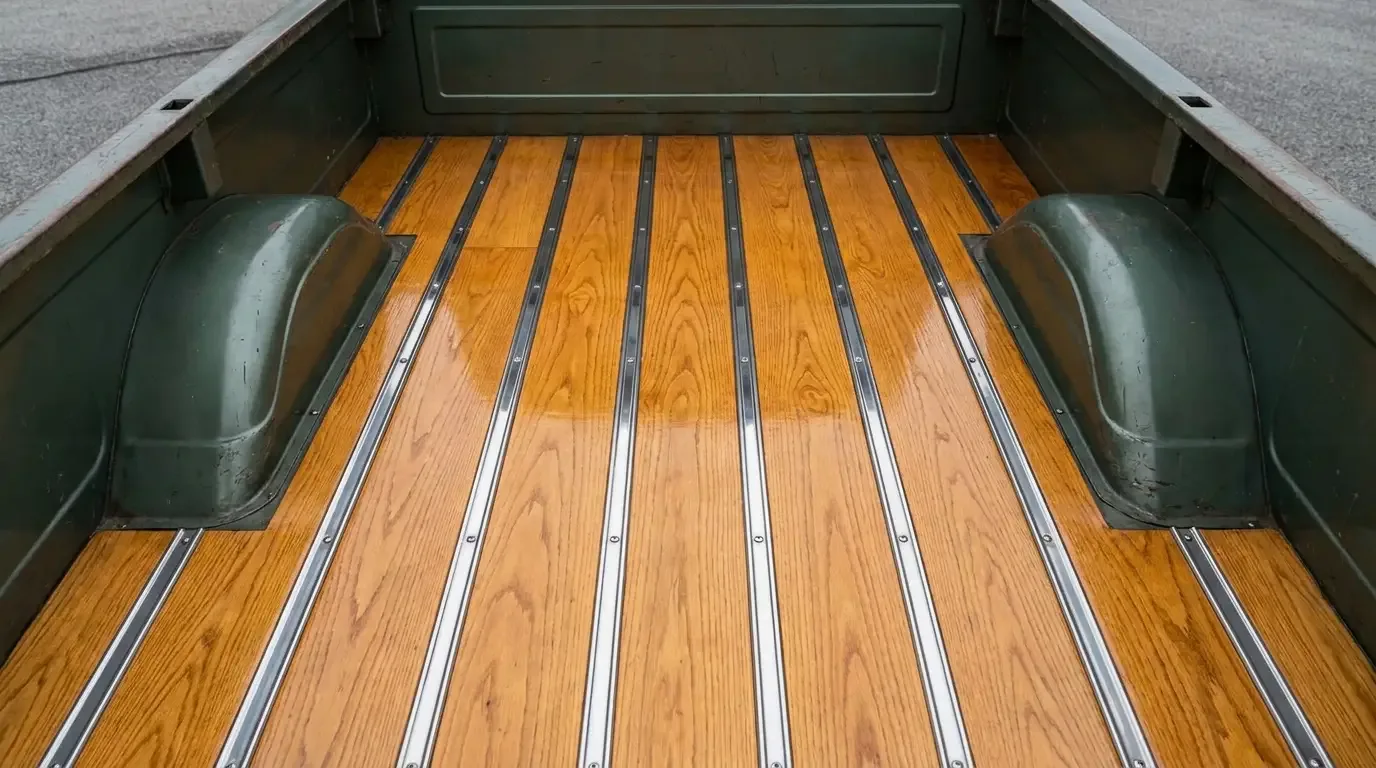
| Interior and trim | $800 to $3,000 | $3,000 to $8,000 | Correct materials, chrome replating |
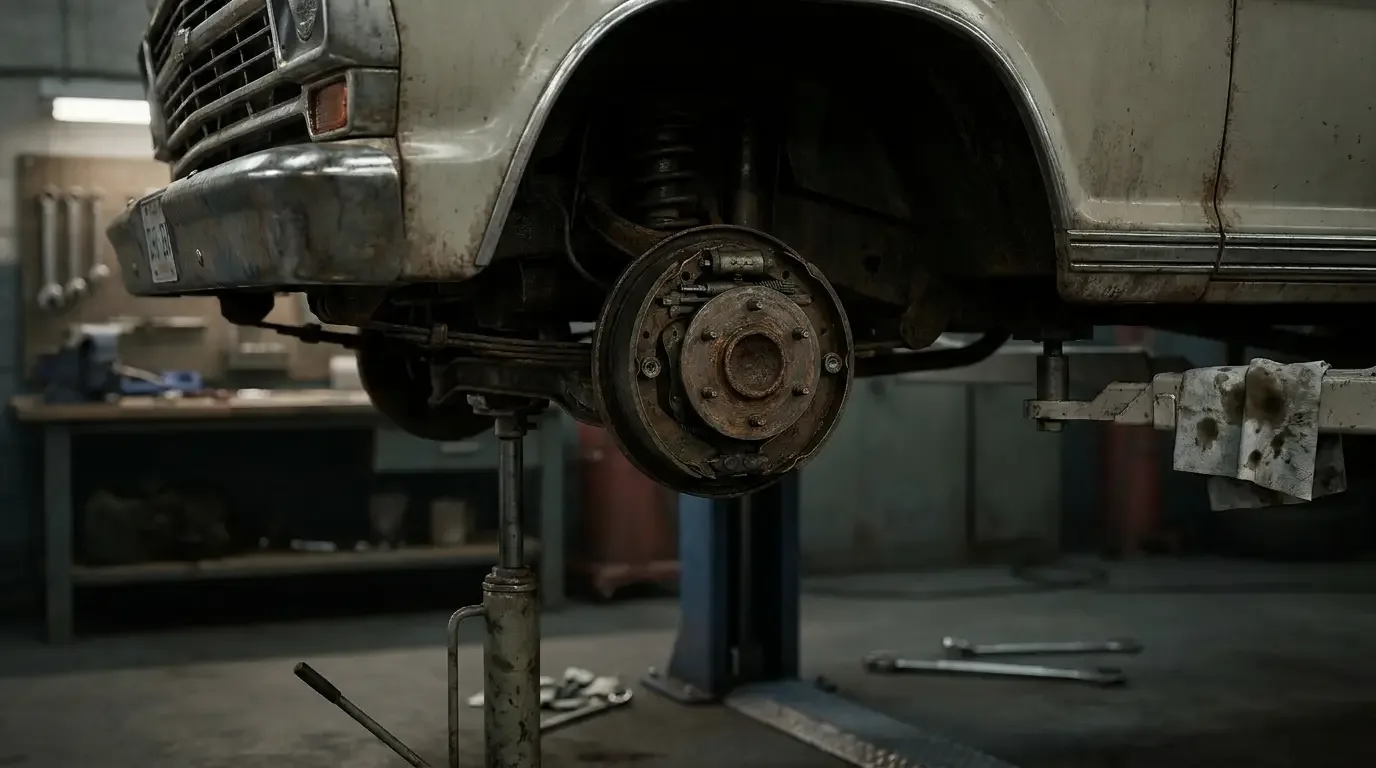
| Brakes, suspension, fuel | $800 to $2,500 | $2,500 to $6,000 | Seized fasteners, obsolete parts |
| Electrical and glass | $400 to $1,500 | $1,500 to $4,000 | Full harness, seal and gasket kits |
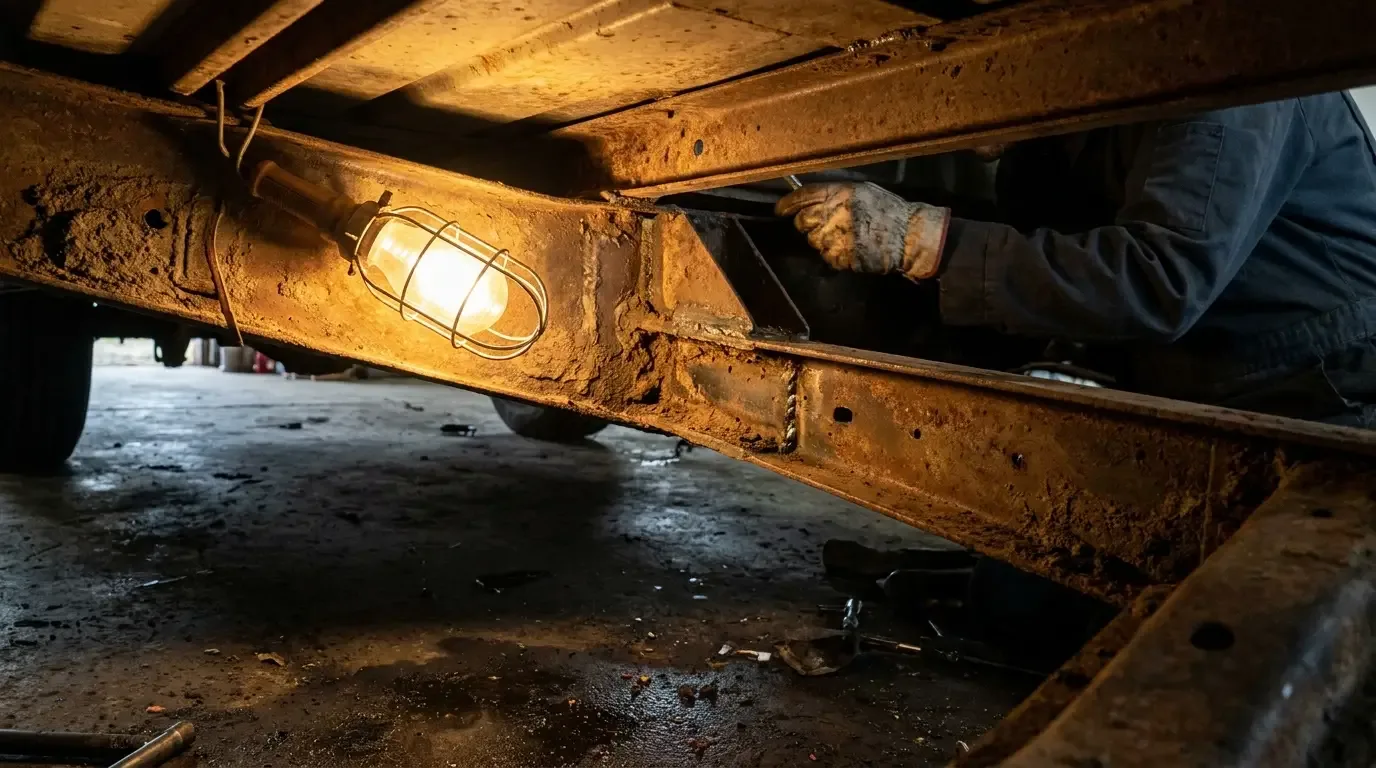
The pattern holds across most trucks: two buckets, rust and paint, tend to swallow roughly half the total on a serious build. That is why the condition of the metal you start with matters more than almost anything else about the truck you buy.
The underwater problem: when the resto costs more than the truck
Here is the uncomfortable center of this whole subject. Add up a hybrid frame-off on a typical half-ton and you are often looking at a total in the low-to-mid five figures. Then look at what a nicely restored example of that same truck sells for. For a lot of common models, the finished truck is worth less than what you just spent to build it. You are underwater, and it happens more often than not.
This is not a reason to never restore a truck. It is a reason to be honest about why you are doing it. There are a few situations where the money makes sense on paper:
- You bought the truck cheap and solid, do most of the labor yourself, and the model has a strong collector following.
- The truck is genuinely rare or historically significant, where finished values are high enough to absorb a real budget.
- You never plan to sell, and the "value" you care about is the truck in your driveway, not the resale line.
For everyone else, the smart move is often to skip the restoration entirely and buy someone else's finished project. Somebody already ate the depreciation between build cost and market value. You can frequently buy a solid, sorted truck for less than the parts-and-paint bill of doing it yourself. If that is the direction you are leaning, browse classic trucks under $25,000 and compare a driver-ready truck's price against the table above. The comparison is usually clarifying.
Building a budget you can actually live with
A realistic budget starts from the finished value and works backward, not from a wish list that works forward. Decide what the done truck is worth to you, in dollars or in personal terms, then set a scope and a ceiling that fits. Pick the tier honestly. A driver refresh that gets you on the road this summer beats a frame-off that stalls out half-finished in a barn, which is where a lot of ambitious builds die.
Sequence the spending so the truck stays usable as long as possible: safety and mechanicals first, cosmetics last. That way if the budget runs dry, you have a running, stopping truck instead of a painted shell with no drivetrain. And write down the contingency before you start. The build that stays on budget is the one that planned for the surprises, because on an old truck the surprises are the plan.
Sources and notes
- Hobby restoration labor-hour surveys and restorer association guidance (for frame-off hour ranges).
- Collector-truck auction results and price guides (for finished-value comparisons against build cost).
- Restoration shop rate ranges from regional shop surveys and trade discussion (rates approximate).
- Marque and model restoration guides and parts-catalog pricing (for cost-bucket estimates).
- Period service manuals and general shop practice (for scope-of-work definitions).