
People throw the words "frame-off" and "frame-on" around like everyone knows what they mean. Most don't. And the gap between the two decides how much money you spend, how long the truck sits in your garage, and what you end up with when it's done. Pick wrong and you either overspend on a work truck you wanted to drive, or you cut corners on a truck that deserved better. So let's sort out what each one actually is, in plain terms, before you write a check to anyone.
This isn't a small decision. It sets the ceiling on the whole project. If you want the fuller picture of where restoration fits in the life of an old truck, start with how to restore a classic truck and come back here to settle the frame question.
What frame-off actually means
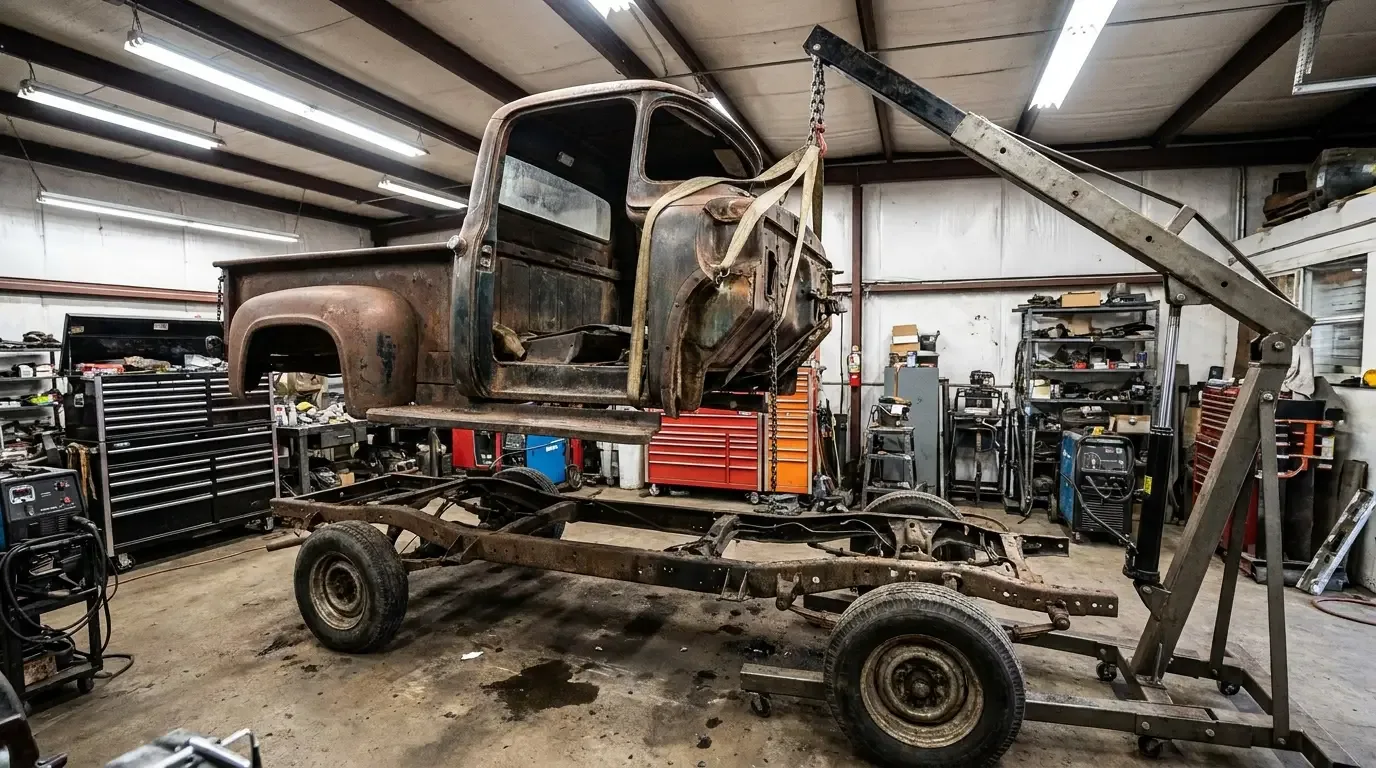
Frame-off is exactly what it says. The body comes off the frame. So does everything else. The bed, the cab, the fenders, the running boards, the engine, the suspension, the brake lines, the wiring, the fuel tank. Every bolt gets touched. When you're done stripping it, the frame sits bare on jackstands and you can walk around it and see steel that hasn't seen daylight since it left the factory.
Then you build it back. The frame gets blasted, inspected for cracks and rot, straightened if it's tweaked, and painted or powder-coated. Suspension goes back with fresh bushings and often new springs. The body gets its own separate treatment, media-blasted down to bare metal so you can find every bit of hidden rust instead of painting over it. This is a rotisserie job if it's done right, meaning the body spins on a stand so somebody can get underneath and do the floors and rockers properly.
The upside is that nothing hides from you. Frame rot, a cracked crossmember, a bent rail from an old accident, all of it shows up. You're not guessing. The downside is time and money, because you are effectively rebuilding a truck from the ground up instead of fixing the truck you have.
What frame-on actually means
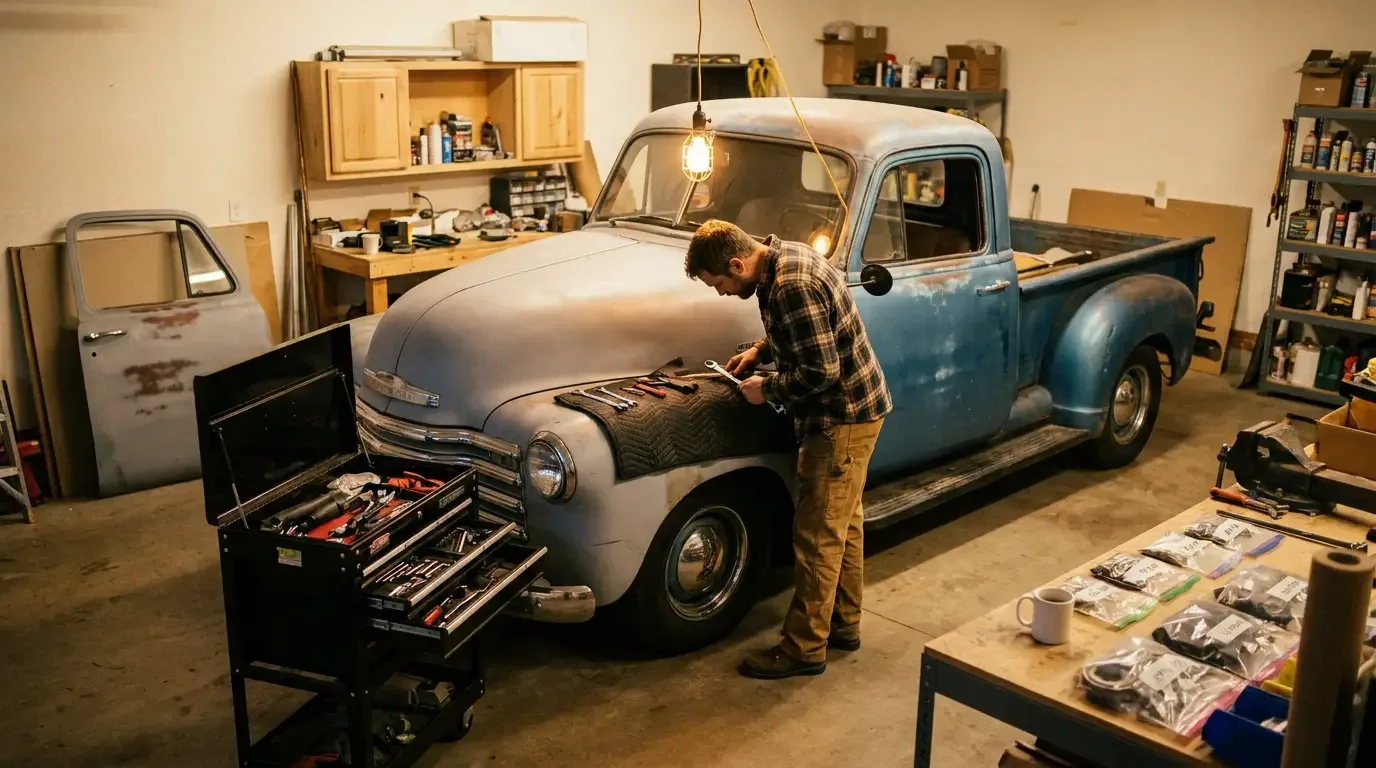
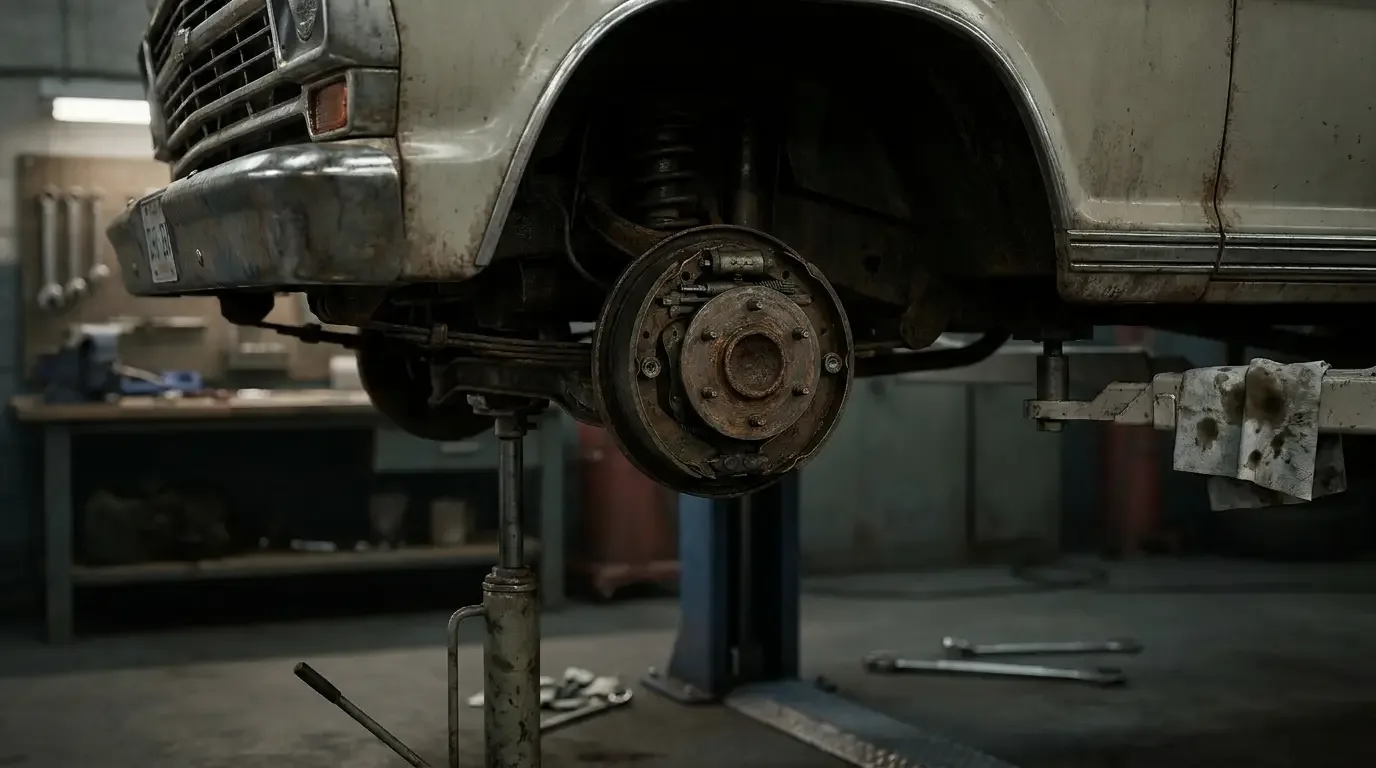
Frame-on, sometimes called a rolling restoration, leaves the body bolted to the frame. You work on the truck as an assembled vehicle. You might pull the engine, redo the interior, fix rust in the cab corners and bed, repaint it, and rebuild the brakes and suspension in place. What you don't do is separate the body from the chassis.
This is the honest choice for a lot of trucks, and I mean that. If the frame is solid, and on a truck that lived somewhere dry it often is, there's no good reason to spend the labor pulling the body off just to say you did. You blast and paint what you can reach, you replace what's worn, and you keep the truck usable through more of the process. Some folks drive them the whole way through, fixing one thing at a time.
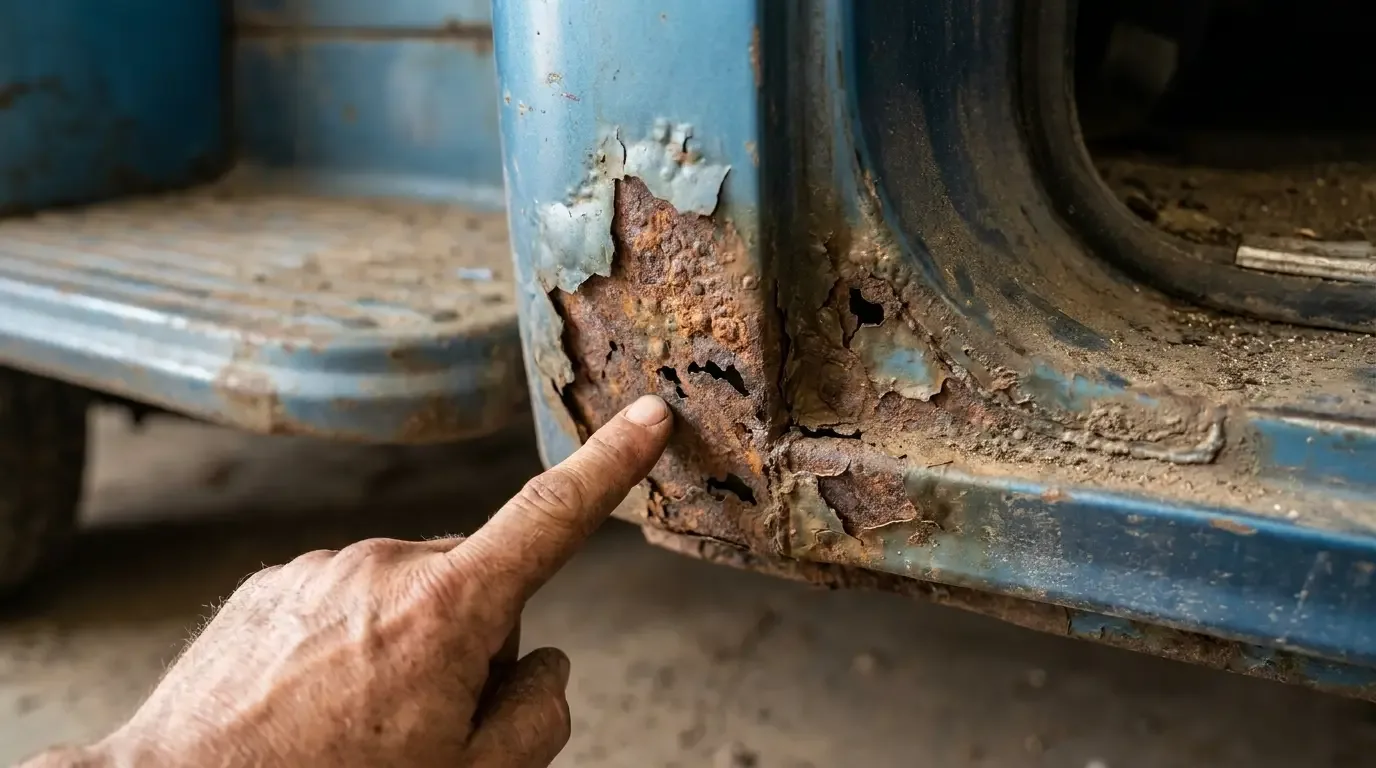
The catch is what you can't see. With the body on, the top of the frame rails and the areas under the cab mounts stay hidden. If there's rot up there, or a crack, you may not find it. On a truck with a suspect history, that's a real gamble. On a solid Western truck with a straight frame, it's usually fine.
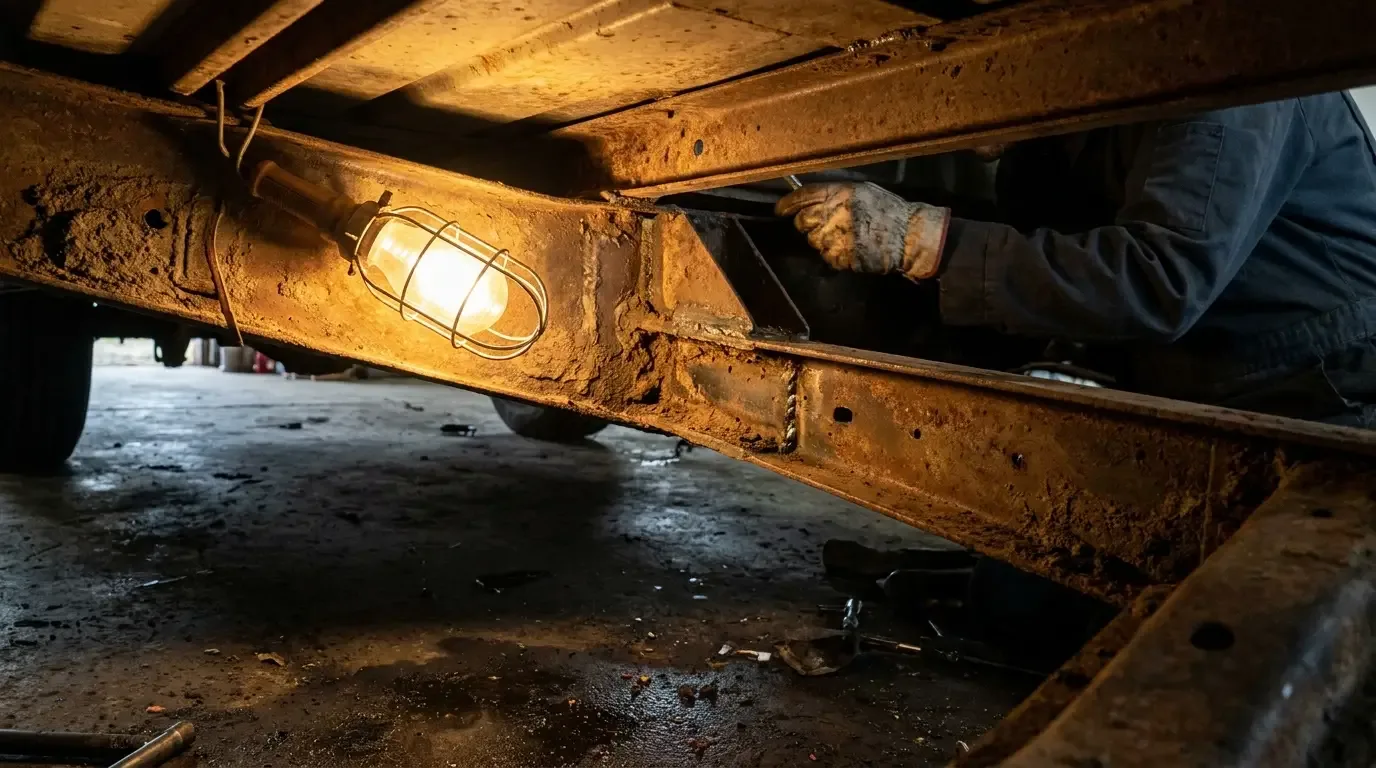
"Get under it with a light. Not a flashlight held at arm's length, an actual trouble light you put right on the steel. A frame-on job lives or dies on whether that frame is honest, and you find that out on your back in the gravel, not by kicking the tires."
— Robert Halloran
Cost, time, and quality traded head to head
Here's where the two paths really separate. A frame-off costs more and takes longer, full stop. You're paying for labor at every joint and every panel, and you're buying more parts because once things are apart you tend to replace instead of reuse. A frame-on keeps a lid on both, at the cost of leaving some unknowns in the frame and some original grime you can't fully reach.
The figures below are broad ranges for a straightforward classic truck done to a driver-plus standard, not a show car and not a barn rescue. Treat them as starting points, not quotes.
| Factor | Frame-off restoration | Frame-on restoration |
|---|---|---|
| Typical cost range | Roughly $40,000 to $100,000+ if farmed out | Roughly $15,000 to $40,000 if farmed out |
| Typical timeline | Around 12 to 24+ months | Around 4 to 12 months |
| Frame inspection | Complete, bare steel, nothing hidden | Limited to what you can reach with body on |
| Rust access | Full, including floors, rockers, rail tops | Good on visible areas, blind spots remain |
| Correct-for-show potential | High, undercarriage detailed | Moderate, undercarriage compromised |
| Drivable during project | No, fully apart | Often yes, work in stages |
| Resale ceiling | Higher on the right truck | Solid, but capped for top-tier judging |
Read that resale line carefully. A frame-off costs more than it returns on a common truck. You do not restore a plain half-ton to the frame and make money. Where the frame-off pays is on a desirable model, a rare configuration, or a truck you plan to keep and show, where the last ten percent of correctness actually matters to somebody.
Which one to choose for what goal
Match the method to what you actually want out of the truck. Be honest about that first, because the truck doesn't care about your intentions, it just costs what it costs.
- You want a reliable driver you'll enjoy on weekends. Frame-on, almost always. Fix the rust you can see, sort the mechanicals, make it safe and clean. Spending frame-off money here is money you won't get back and time you won't get back either.
- The frame is rotten, bent, or you truly don't know its history. Frame-off, or at least be ready to go there. You cannot trust a driver built on a bad frame, and you can't judge a bad frame with the body sitting on it.
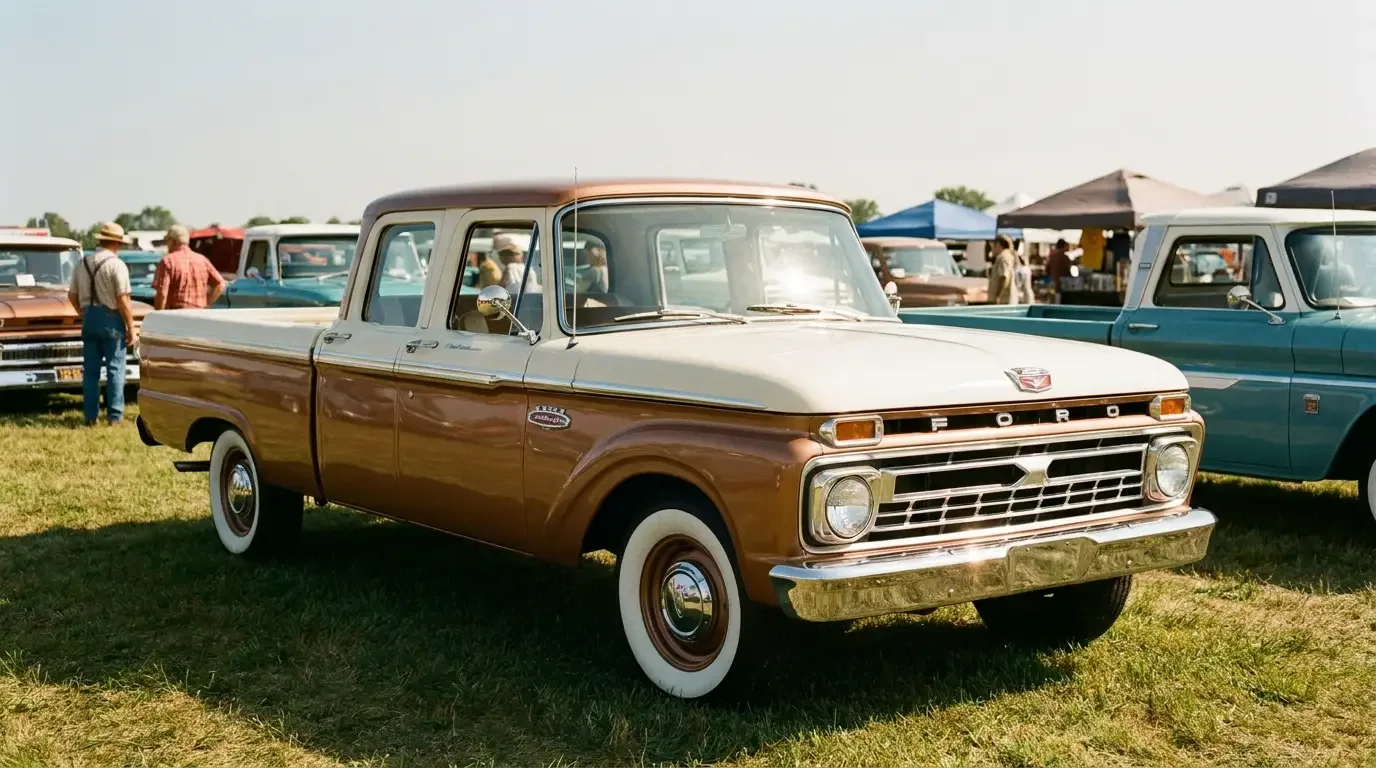
- You're chasing show points or a top-dollar sale on a desirable truck. Frame-off. Judges look underneath, and buyers at that level pay for a detailed, correct undercarriage.
- Budget is tight and the truck is fundamentally solid. Frame-on, done patiently in stages. A rolling restoration lets you spread the cost over years and drive it the whole time.
The middle ground nobody names
Most real restorations aren't purely one or the other. There's a whole territory in between, and it's where sensible people usually land. You might do a body-on restoration but pull the bed and front clip to get at the frame properly, blast and paint the exposed sections, and rebuild the suspension without ever fully separating the cab. That's frame-on in name but it captures a lot of what a frame-off buys you, for a lot less.
The point is that "frame-off" and "frame-on" are labels on the ends of a range, not a switch with two settings. What matters is that you go into it knowing the frame's condition, you match the depth of the work to what you want from the truck, and you don't pay for correctness you'll never see or benefit from. A truck restored to exactly the standard its owner needs is a good truck. One restored past that standard just to say frame-off is a truck that cost too much.
Sources and notes
- Factory service and body manuals for body-on-frame construction and cab-mount details.
- Period road tests and shop guides on restoration sequencing and rust-repair practice.
- Auction results and collector price guides used to bracket resale expectations by method (figures are approximate and vary widely by model, region, and shop rates).
- Marque and restoration histories for typical project timelines and standards.