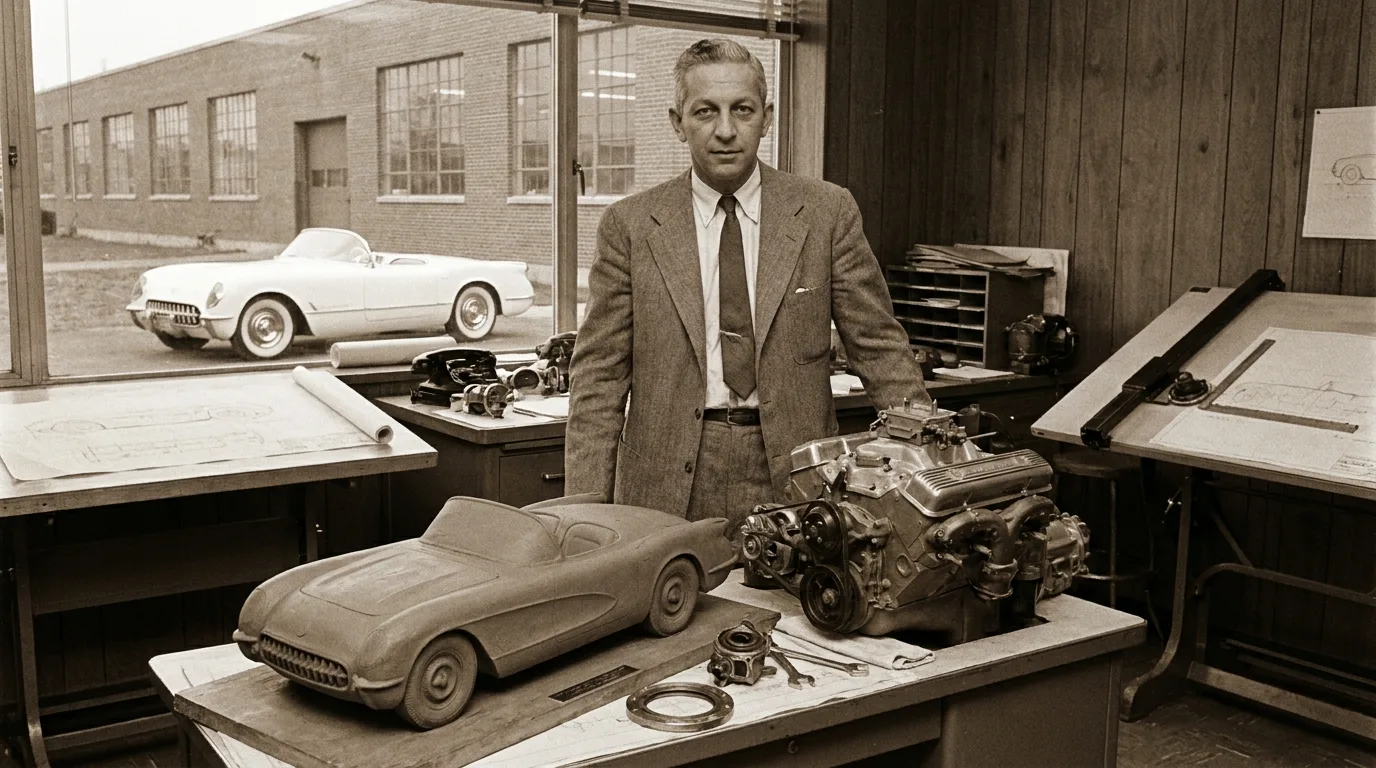
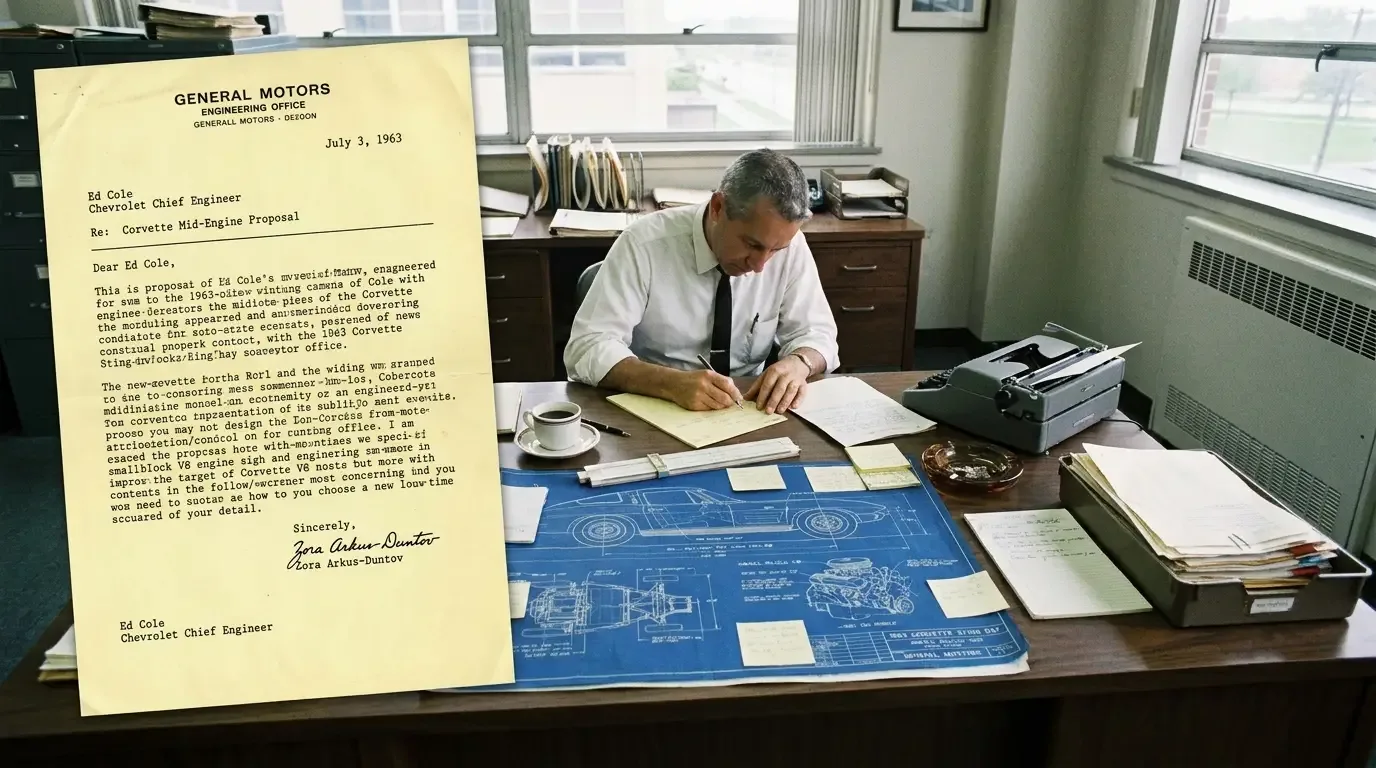
In the winter of 1953, a Belgian-born engineer named Zora Arkus-Duntov sat down and wrote a letter to the top of General Motors. He was not an employee. He had no inside connection. He had seen a car on display at the Motorama show in New York and it bothered him enough to put his thoughts on paper. The car was the Corvette, and Duntov thought it could be so much more than what GM had shown the public. That letter, direct and technically precise, convinced GM to hire him. What followed changed American sports car history for the next three decades.
The story of how zora arkus duntov came to work at Chevrolet is one of those episodes that feels almost too neat in retrospect, but the details hold up. The letter existed. GM responded. And the man who wrote it spent the next twenty years building the car he had described into something that could actually embarrass European competition.
The Motorama moment and what Duntov saw
The 1953 Motorama ran at the Waldorf-Astoria in New York that January. General Motors used these shows to test public appetite for concept cars, and the Corvette drew significant attention. It was all fiberglass body, two seats, and a Blue Flame six-cylinder engine. Visually it landed well. Mechanically it was not yet a sports car in any serious sense. The powerplant produced 150 horsepower from a 235 cubic-inch "Blue Flame" inline six fitted with triple carburetors, and the transmission was a two-speed Powerglide automatic, which is not what anyone coming from European performance thinking would have called appropriate.
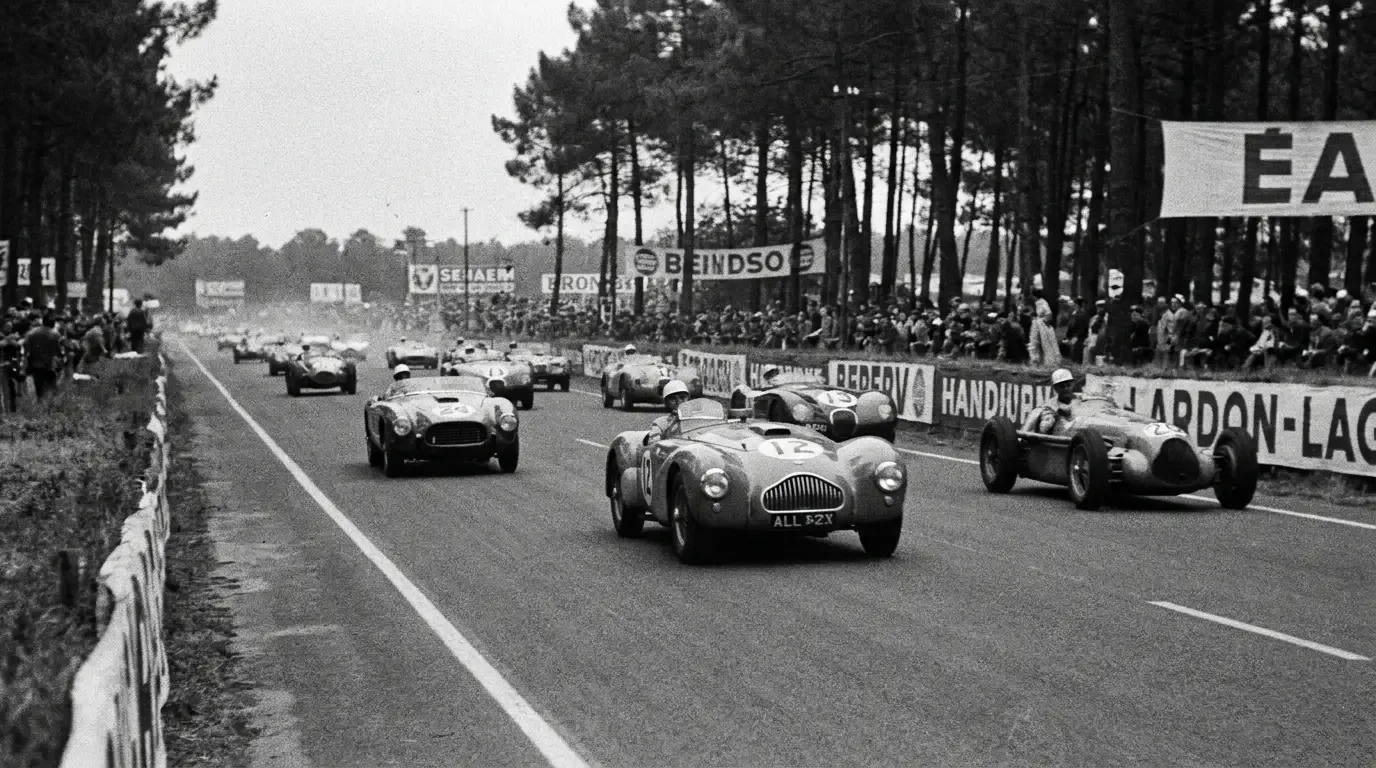
Duntov had genuine European racing credentials. He had raced at Le Mans and had engineering experience working on the Allard sports car in England before moving to the United States. He understood what a proper sports car needed to do. When he looked at the Corvette concept, he saw the bones of something interesting and an engine and transmission combination that could not realize them. He wrote the letter.
What the letter actually said
The letter Duntov sent was addressed to Chevrolet chief engineer Ed Cole. It was not a polite fan note. It was a technical memorandum laying out what the Corvette would need to become a genuine performance car, with specific attention to the suspension and drivetrain. Duntov argued from the standpoint of someone who had driven and raced serious sports cars in competition. He knew what understeer felt like at the limit. He knew what a proper gearbox felt like compared to a slush-box automatic.
The content covered three general areas: chassis dynamics, the need for a manual transmission option, and long-term engine development potential. He was not dismissive of what GM had built. He was specific about the gap between the show car and a car that could perform at the level the name implied. The tone was respectful but not deferential. He was making an argument, not asking permission.
GM responded. Duntov started at Chevrolet on May 1, 1953, as an assistant staff engineer, and the letter is generally accepted as the catalyst. What is less often said is that the hiring almost did not accomplish what Duntov had hoped. The Corvette nearly died in 1954 before he had a chance to touch it.
The car that almost disappeared
Production began in 1953 with 300 hand-built examples, all in Polo White with red interiors. Sales in 1954 were disappointing. The Corvette cost more than its nearest competitor, performed less convincingly than European sports cars at the same price, and the six-cylinder automatic powertrain frustrated buyers who expected more. GM management discussed canceling the program.
The Ford Thunderbird appeared for 1955 and complicated the calculation further. Ford positioned the T-Bird differently, as a personal luxury car rather than a pure sports car, but the competition for buyer attention was real. GM had to decide whether to kill the Corvette or invest in making it what Duntov had said it could be.
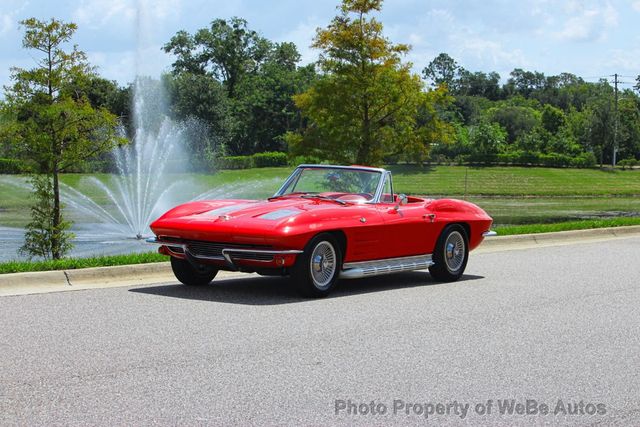
The V8 engine changed the calculation. The small-block Chevrolet V8 that arrived for 1955 was immediately available in the Corvette, and with it came a genuine performance identity. Duntov's work on camshaft development and suspension tuning accelerated through 1955 and 1956. By the time the restyled 1956 Corvette reached customers, the car had become something substantively different from the Motorama concept that had prompted the original letter. For a fuller account of where the car went from there, Corvette history explained covers the full arc from 1953 through the later generations.
"The letter wasn't a job application. Duntov already had a job. It was an engineering argument written by someone who had actually driven the car and understood what it was missing. That kind of unsolicited honesty is rare, and rarer still when it actually works."
— Patrick Walsh
Duntov's early influence on the production car
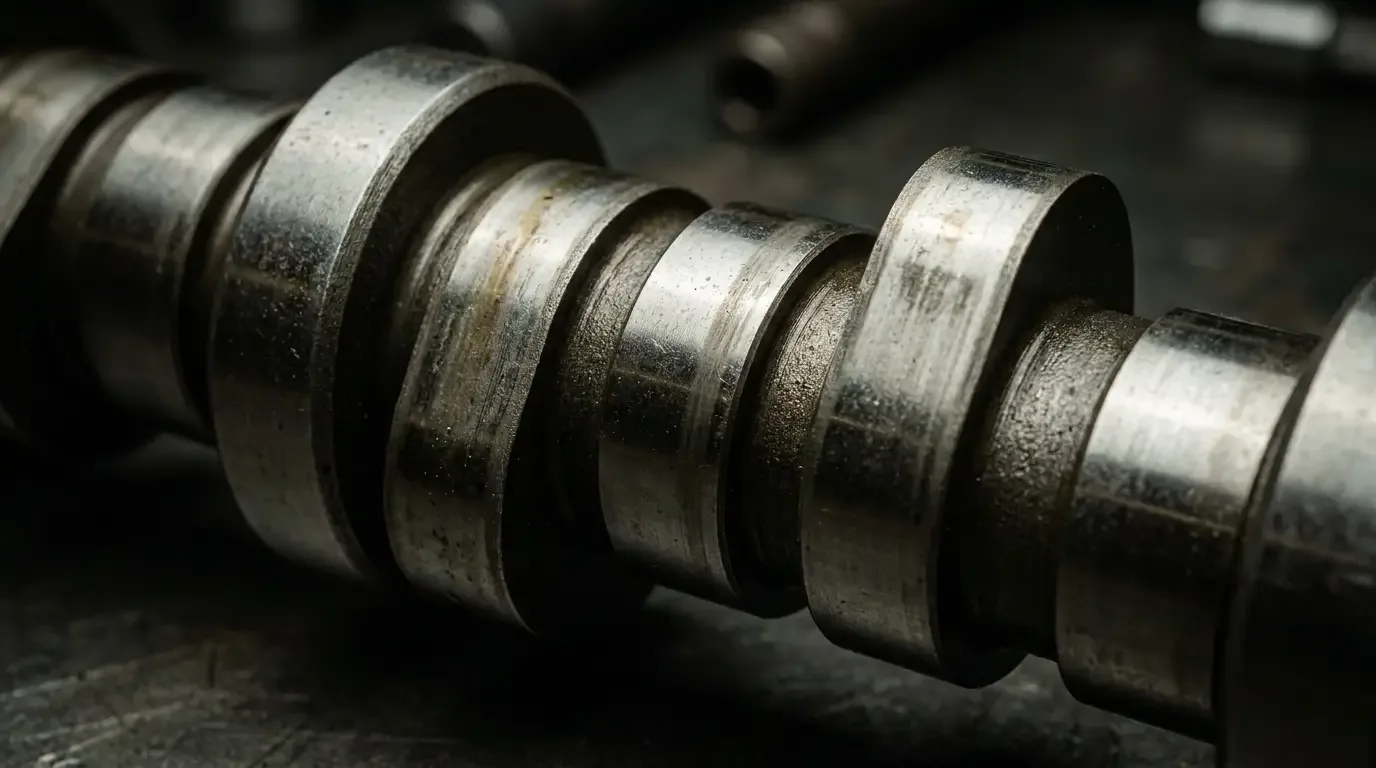
Between 1953 and 1956, Duntov's contributions were not yet structural to the program. He was one engineer among many. But the work he did on the high-lift camshaft that bears his name had lasting effects on how the Corvette was perceived in performance terms. The Duntov cam, as it became known, was a factory option that significantly changed the small-block's output characteristics. For context on that specific technical contribution, a related piece covers the camshaft development in detail.
His September 1955 run up the Pikes Peak Hill Climb in a pre-production 1956 Chevrolet sedan built to showcase the new small-block V8 was strategic communication as much as it was racing. He was demonstrating what the car could do in a public, timed setting. The run, completed in 17 minutes 24 seconds and setting a new stock car class record by more than two minutes, gave Chevrolet marketing something concrete to work with even though the car itself was not a Corvette. Duntov understood that racing results created credibility the showroom floor could not.
Why the letter still matters
The hiring of Duntov via an unsolicited technical memo is unusual enough in corporate history to be worth understanding on its own terms. GM in 1953 was not an organization that typically rewarded outside criticism by putting the critic on the payroll. Ed Cole, who championed the V8 engine program and later became GM president, had the institutional authority and the engineering sensibility to recognize what Duntov's memo represented. Without that specific advocate in the right position at the right time, the letter might have been filed and forgotten.
The broader implication is what the letter says about the Corvette's early identity problem. GM had built a show car that the public liked looking at but had not yet committed to building a driver's car. Duntov's letter made that gap explicit from the standpoint of someone qualified to define it. The response to hire him rather than dismiss the criticism says something about the specific culture inside Chevrolet engineering in that period, and about Cole specifically.
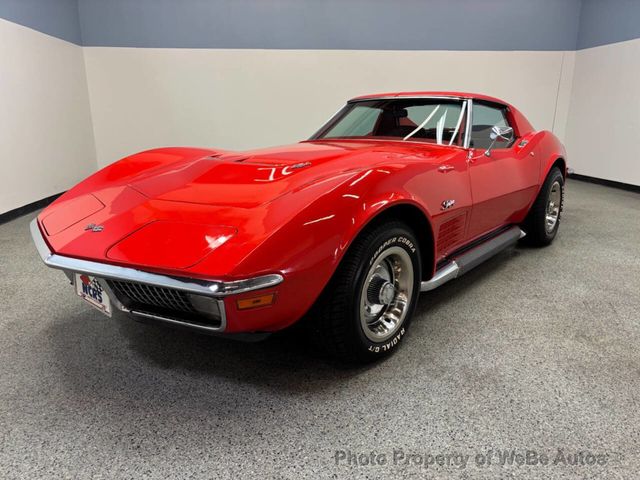
Duntov remained at Chevrolet until his retirement in 1975, after which Dave McLellan succeeded him. The title Chief Engineer of Corvette came formally in 1967, though his influence on the car predated that designation by more than a decade. The letter that started it all was a few pages of engineering argument from a man who had no particular reason to expect a response. He got one. The American sports car he helped build is still in production today.
| Year | Key development | Significance |
|---|---|---|
| 1953 | Motorama debut / Duntov letter | Six-cylinder automatic; Duntov writes unsolicited technical memo to GM leadership |
| 1953 (May 1) | Duntov hired at GM | Joins as assistant staff engineer; Corvette program still uncertain |
| 1954 | Production disappoints | 3,640 built; slow sales prompt cancellation discussion |
| 1955 | Small-block V8 arrives | 265 cu in V8 transforms performance potential; manual transmission option added; Duntov's Pikes Peak record run in a pre-production Chevrolet sedan |
| 1956 | Restyled Corvette | New body and options build on the small-block V8's momentum; car gains competition credibility |
| 1957 | Fuel injection option / Duntov cam | 283 hp fuel-injected 283 cu in V8 option; Duntov camshaft becomes available |
Sources and notes
- Wikipedia: Zora Arkus-Duntov — confirmed the May 1, 1953 hire date, the letter to Ed Cole, Maurice Olley's role, the 1967 Chief Engineer title, and 1975 retirement
- National Corvette Museum: The Turning Point — confirmed the letter to Ed Cole and its role in Duntov's hiring
- GM News: Retro Rides, the 1953 Chevrolet Corvette — confirmed Motorama debut, Blue Flame six spec (150 hp), and Powerglide transmission
- Corvsport: 1953 Corvette Production Numbers — confirmed 300 units built in 1953, all Polo White with red interiors
- Corvsport: 1954 Corvette Production Numbers — confirmed 3,640 units built in 1954
- Mac's Motor City Garage: Zora Arkus-Duntov and the 1956 Chevy Conquer Pikes Peak — confirmed the September 1955 Pikes Peak run, the 17:24 time, and that the car was a Chevrolet 210 sedan rather than a Corvette
- Curbside Classic: The 1957 Chevrolet Fuel-Injected 283 V8 — confirmed the 283 hp fuel-injected 283 cu in Corvette engine option